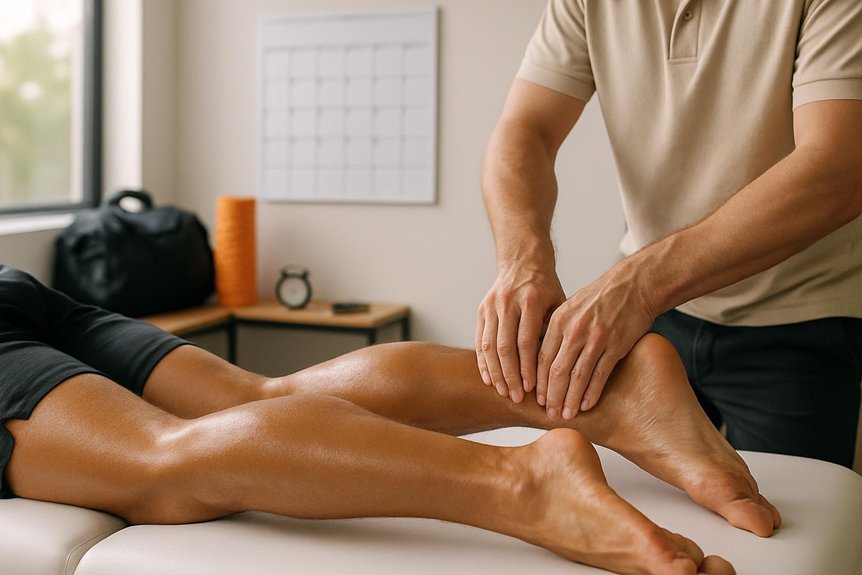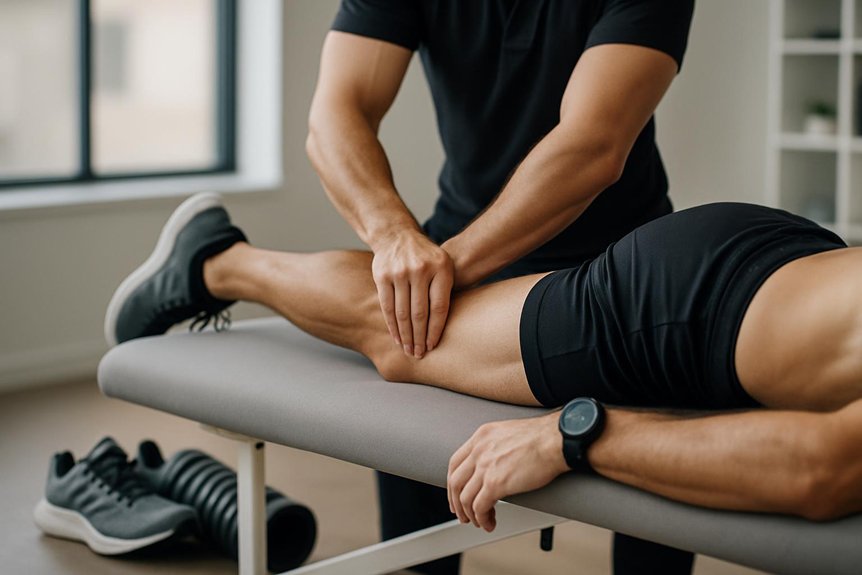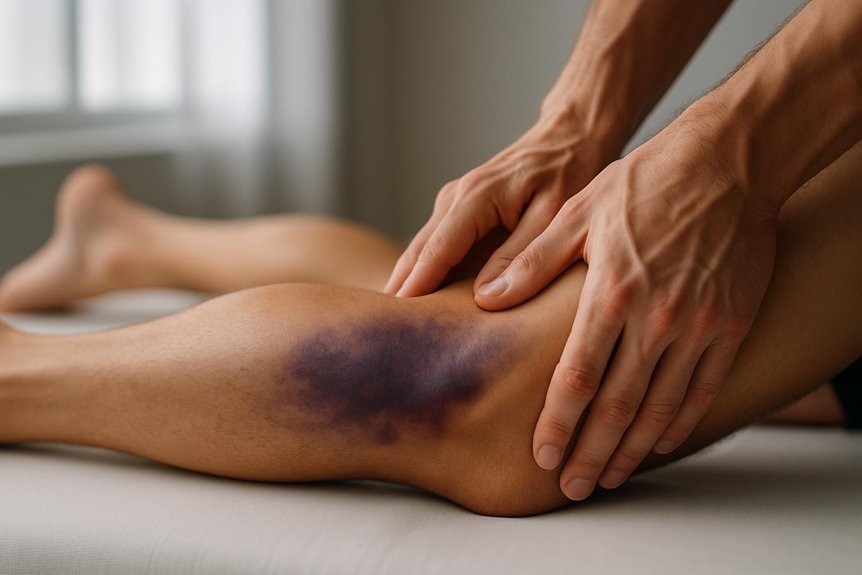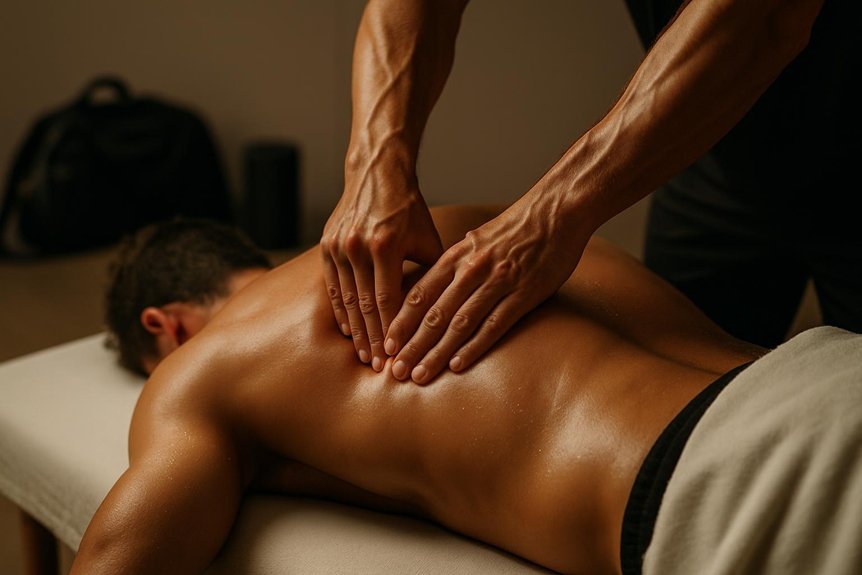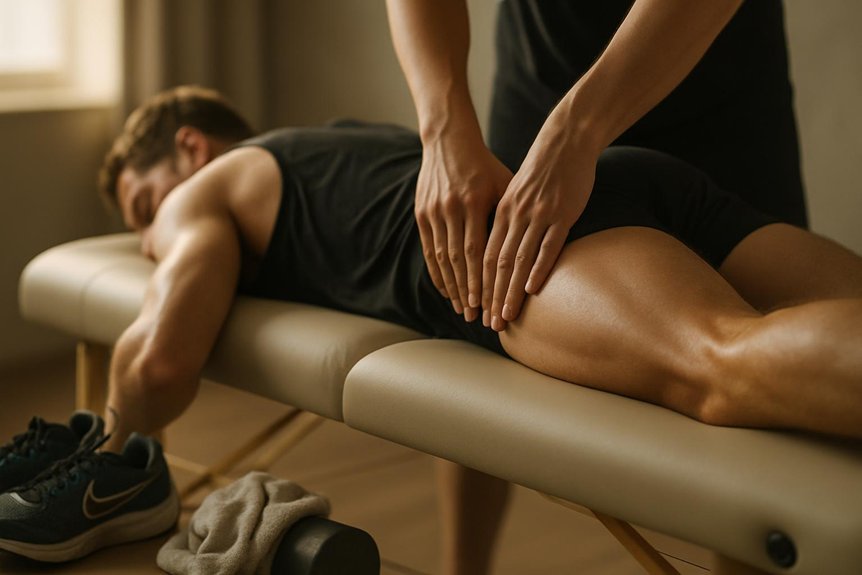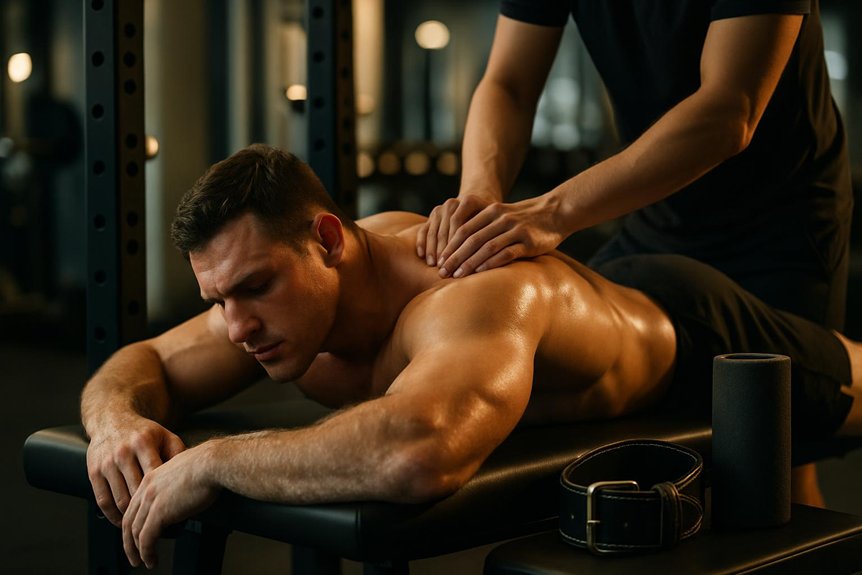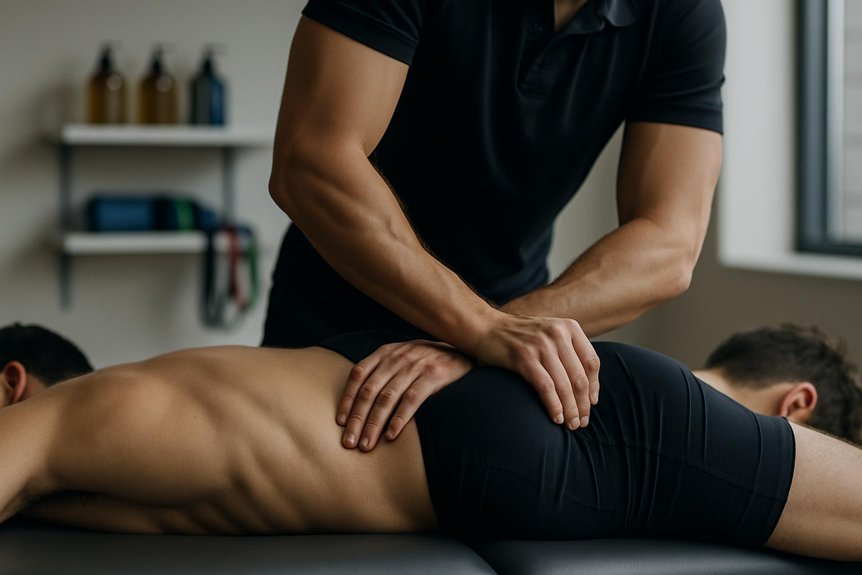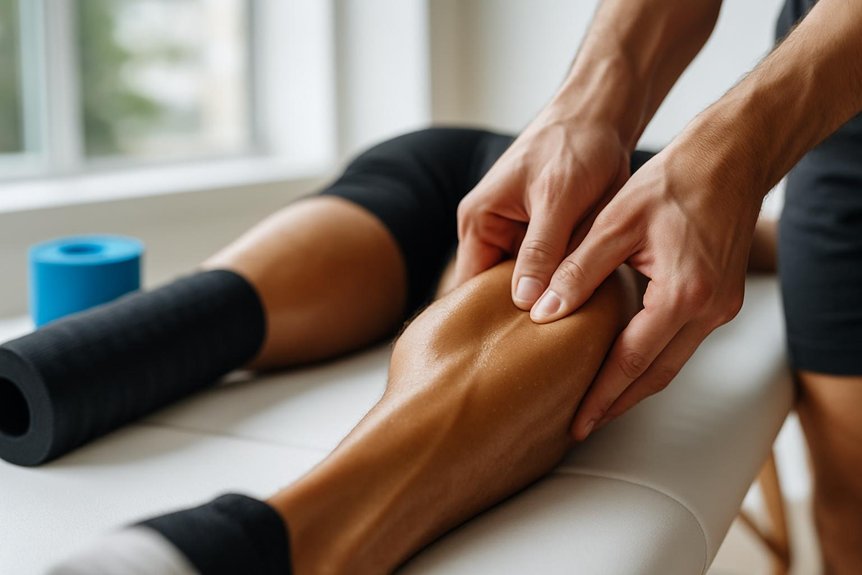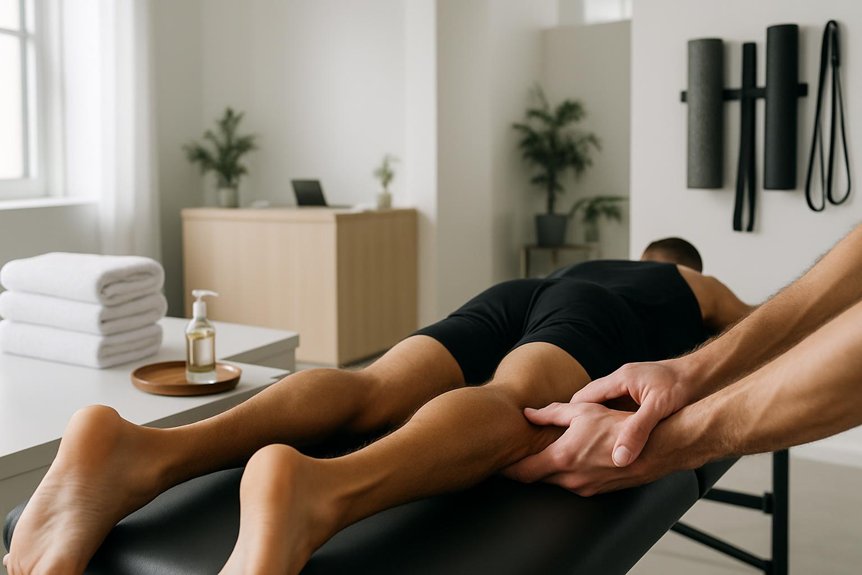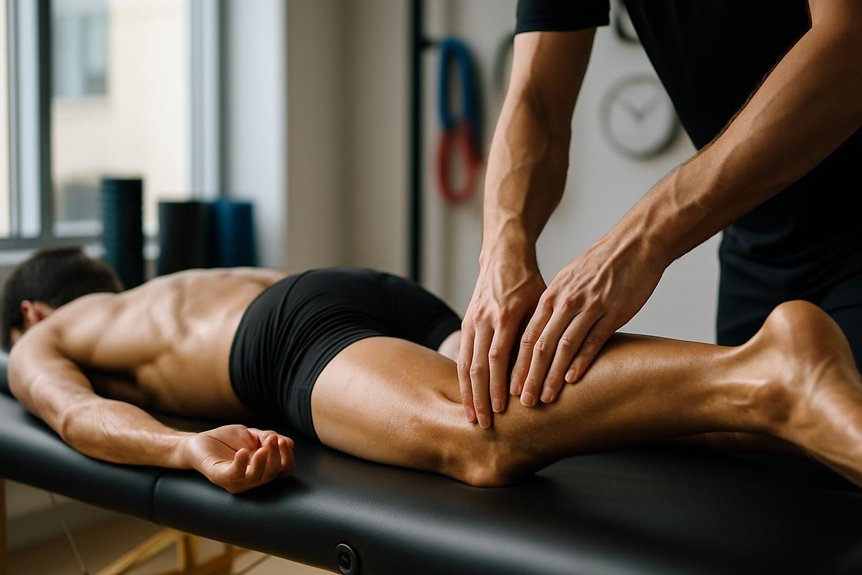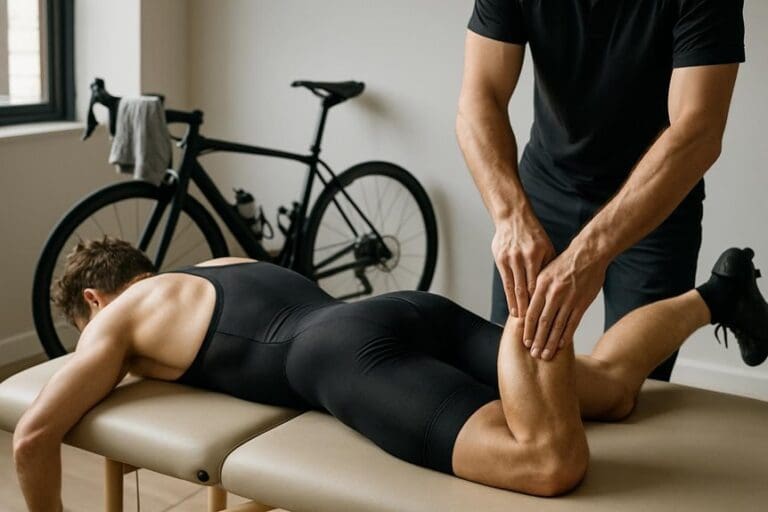
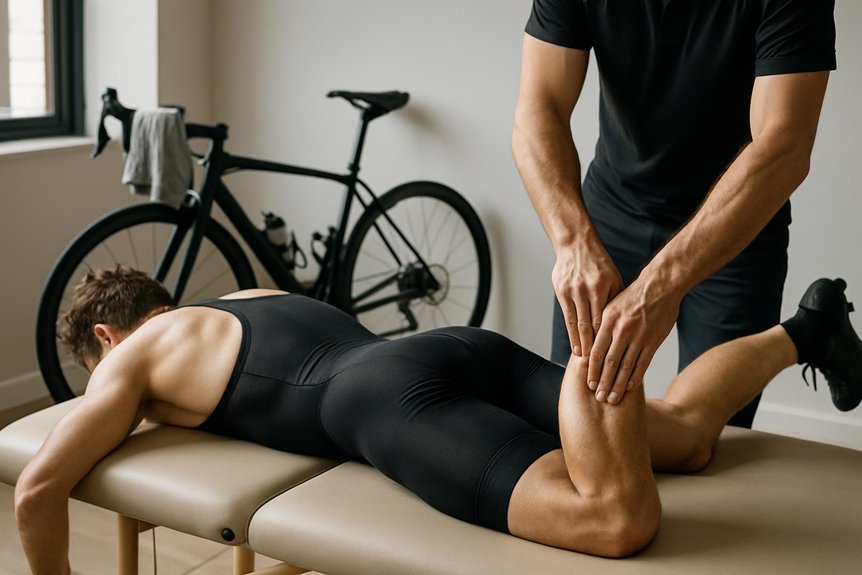
Most cyclists do well with a 45–60 minute sports massage every 2–4 weeks, increasing to every 1–2 weeks during high-volume blocks or when niggles persist. In base phase, sessions often land every 3–4 weeks; build phase tends to suit every 2–3 weeks; peak phase typically shifts to light work every 7–14 days, with a gentle flush 2–4 days pre-event. Timing and pressure can be matched to rides, lifting, and key workouts.
How Often Should Cyclists Get Sports Massage?
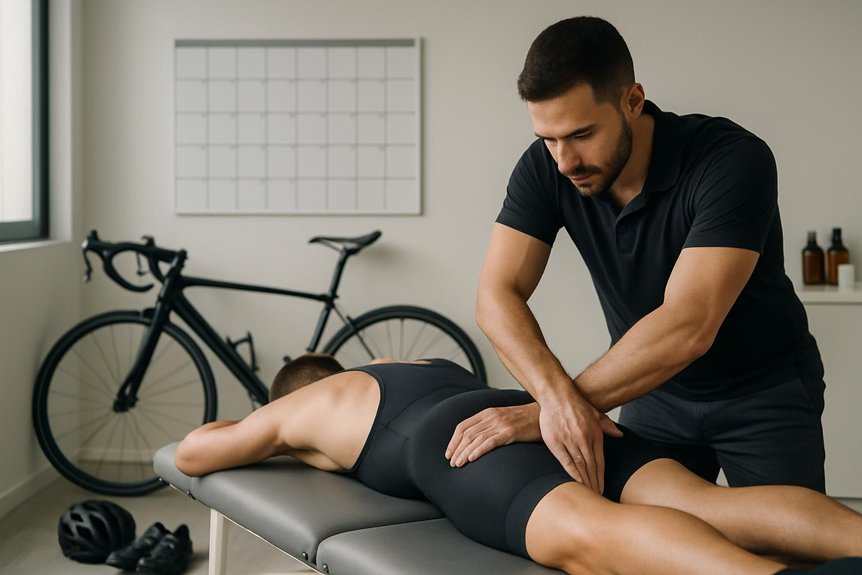
Often, the most effective sports-massage schedule for cyclists depends on training load, recovery capacity, and whether they are in a build phase, racing, or tapering.
Evidence suggests massage can reduce perceived soreness and support relaxation, so scheduling should target heavy weeks and persistent tightness rather than a rigid calendar.
Many cyclists do well with a 45–60 minute sports massage every 2–4 weeks, increasing to weekly during high-volume blocks or when niggles appear.
Regular massage is also linked to reduced muscle soreness and improved relaxation for athletes, which can make recovery feel more manageable during demanding training periods.
At Spa & Massage clinics across London, therapists assess tone, range, and tenderness, then focus on quads, hip flexors, glutes, calves, and lower back.
Sessions are ideally booked 24–72 hours after key rides to invite deeper, safer work and a calmer, more intimate recovery response.
Performance Massage Frequency by Cycling Goal (Fit, Fast, Event-Ready)
Rather than relying on a fixed calendar, performance massage frequency is best matched to a cyclist’s primary goal: maintaining general fitness, improving speed and power, or arriving at an event with fresh, resilient legs.
For “fit” riders training 2–4 times weekly, a performance massage every 3–4 weeks typically supports tissue quality, comfort, and consistent riding.
For “fast” riders pursuing performance gains, sessions every 1–2 weeks can help manage training load, reduce perceived soreness, and restore range of motion between hard efforts.
For “event-ready” cyclists, frequency often rises to weekly in the final fortnight, then tapers to a lighter flush 2–4 days before racing.
At Spa & Massage London clinics, therapists tailor pressure, cadence, and aftercare to the rider’s body and boundaries.
Performance Massage Schedule for Base, Build, and Peak Phases
Three distinct training phases—base, build, and peak—benefit from equally distinct performance massage scheduling, because the type and volume of cycling stress change across the season.
In base, a steadier rhythm supports tissue quality and movement: many clients at Spa & Massage book every 3–4 weeks, using moderate pressure to ease calves, quads, glutes, and lower back while preserving training continuity.
In build, massage becomes more performance-protective: appointments often shift to every 2–3 weeks, with targeted deep tissue and trigger-point work to keep key muscle groups supple and reduce “hot spots” before they limit cadence.
In peak, the priority is freshness: a lighter performance massage every 7–14 days, focusing on circulation, nervous-system downshift, and confident body awareness without post-treatment soreness.
How Training Load Changes Your Performance Massage Schedule
As weekly training load rises—through higher mileage, intensity, or reduced recovery—performance massage scheduling should tighten to match the increased mechanical stress on calves, quads, glutes, hip flexors, and the lower back.
A higher load typically warrants shorter gaps between sessions, while lighter weeks can tolerate longer spacing without compromising tissue quality.
At Spa & Massage clinics across London, therapists adjust frequency using simple markers: persistent heliciness, reduced range of motion, tenderness, or sleep disruption.
When these appear, a focused performance massage helps normalise tone, support circulation, and maintain movement efficiency without over-treating fatigued tissue.
Conversely, during deload weeks, a gentler, less frequent approach prioritises recovery and nervous-system downshifting.
The goal remains consistent: keep the body supple, responsive, and ready for the next block of training.
Performance Massage After Long Rides: When to Book
After a long ride, the question is less “whether” to book a performance massage and more “when” to time it for the best recovery and next-day performance.
Evidence and clinical practice suggest avoiding very deep work immediately post-ride, when tissues are sensitised and inflammation is peaking.
Many cyclists do best booking within 12–24 hours for heavy legs and delayed soreness, or 24–48 hours after exceptionally long or hilly rides when fatigue is systemic.
At Spa & Massage clinics across London, therapists often begin with slower, flushing strokes and targeted sports techniques, then increase depth only if the body relaxes and pain stays low.
If the rider feels sharp pain, swelling, or unusual weakness, massage should wait and assessment is advised first.
Performance Massage Before Races: Best Timing and Pressure
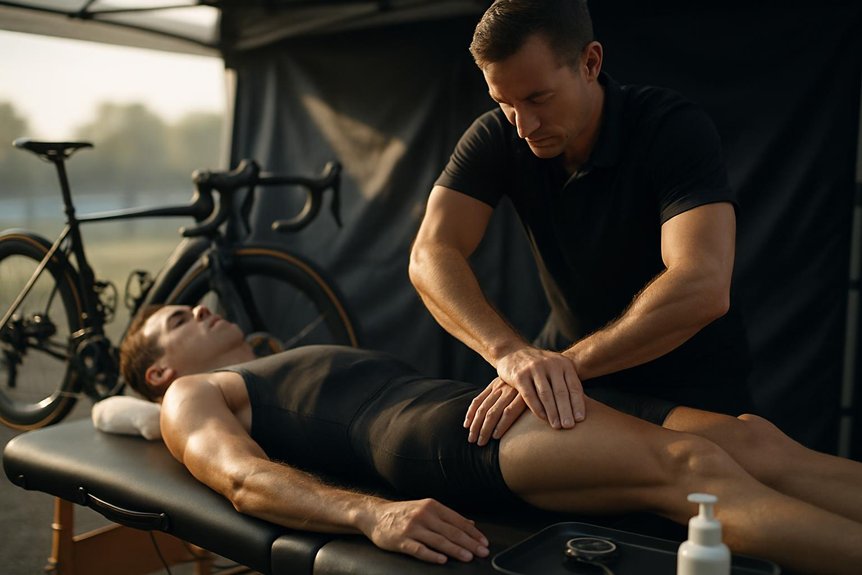
For race-day performance, evidence-informed practice favours a short, lighter performance massage 24–48 hours before the start, with an optional brief flush-up (10–15 minutes) on the day if the rider responds well.
At Spa & Massage, therapists typically use moderate pressure aimed at warming and stimulating key cycling muscles rather than deep, corrective work that can irritate tissue. This approach helps reduce the risk of pre-race soreness while supporting mobility and a “ready” feel without leaving the legs heavy.
Ideal Pre-Race Timing
In the 24–72 hours before a cycling race, a short, targeted performance massage is typically the most effective window to support performance without leaving the legs feeling heavy or irritated. This timing aligns with recovery physiology: it can ease residual tightness, promote comfortable range of motion, and help the rider feel connected to their legs without provoking post-treatment soreness. For multi-day events, many riders schedule the final pre-race session two days out, then keep race-eve touch minimal.
At Spa & Massage clinics across London, therapists confirm the race date, training load, and any niggles, then focus on key cycling tissues while avoiding aggressive work close to the start. Aftercare typically includes hydration, a gentle spin, and early sleep to preserve that ready, calm feeling.
Best Pressure Levels
Once timing is set within the 24–72 hour pre-race window, pressure becomes the main variable that determines whether a rider feels primed or flattened on the start line. Evidence and clinical experience support moderate, “productive” intensity: firm enough to reduce tone and restore glide, yet comfortable enough to keep the nervous system settled.
At Spa & Massage, therapists typically work around 5–7/10 pressure for cyclists, checking breath, facial tension, and post-session lightness as real-time markers. Targeted deeper pressure may be brief and local (hips, calves, upper back), then followed by lighter flushing strokes to promote circulation and warmth. For riders who carry stress, slower, reassuring contact and sustained holds often improve readiness more than force. Pressure is always negotiated, moment by moment, with clear consent.
Avoiding Pre-Race Soreness
With pre-race nerves and training fatigue already elevating sensitivity, the priority becomes minimising post-treatment soreness that could dull power or alter pedal mechanics on the day. Evidence-informed practice favours a lighter, circulation-focused performance massage 24–48 hours before racing, rather than heavy deep tissue work.
At Spa & Massage clinics, therapists typically use moderate pressure, shorter sets, and slow strokes to calm tone in quads, calves, hip flexors, and lower back without provoking delayed-onset soreness. If an athlete wants deeper release, booking 4–7 days out allows recovery time and reduces tenderness.
On race-eve, the aim is “wake-up” work: brief flushing, gentle compressions, and targeted mobility, stopping well before pain. Aftercare includes hydration, warmth, and easy spinning.
Signs You Need Performance Massage More Often
Often, the clearest signal a cyclist needs performance massage more frequently is when minor aches stop resolving between rides and begin to affect pedalling efficiency, range of motion, or training consistency.
Other markers include persistent “heavy legs”, tender knots in calves, quads, glutes, or hip flexors, or a lingering tug around the IT band that alters tracking at the knee. Sleep disruption, reduced power at familiar efforts, and delayed recovery after moderate sessions can indicate elevated muscle tone and fatigue.
At Spa & Massage clinics across London, therapists often see riders whose warm-up no longer “loosens” tightness, or whose saddle comfort drops because the pelvis feels restricted.
Frequent headaches or neck/shoulder tension from long hours in a fixed position also suggests regular hands-on work would restore comfort and control.
Space Performance Massage Around Strength Training and Hard Sessions
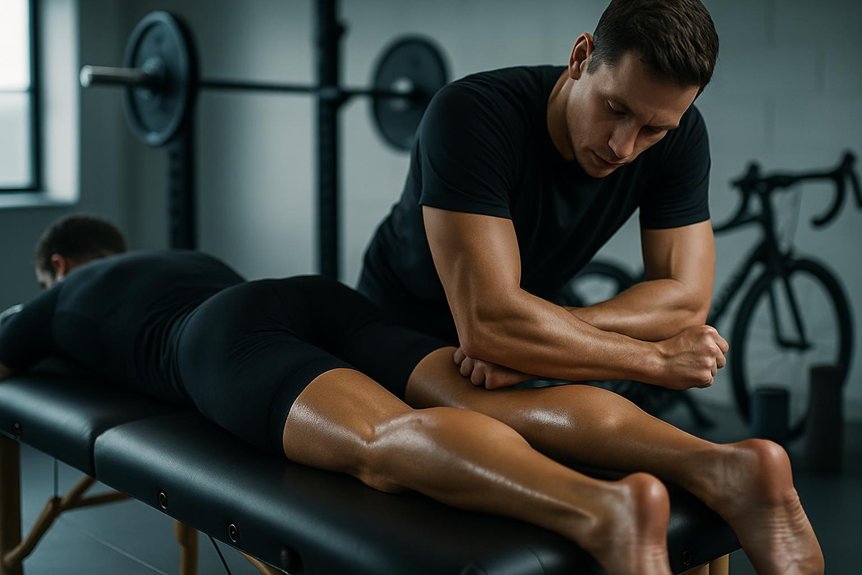
In practice, the timing of performance massage relative to strength sessions and high-intensity rides can meaningfully influence performance, adaptation, and injury risk.
Evidence-informed scheduling typically places deeper work 24–48 hours after heavy lifting or a hard interval day, when tissues feel tender and recovery signals are underway, helping reduce excessive soreness without blunting training intent.
Before key sessions, lighter flush-style techniques are preferred within 6–24 hours to support circulation and readiness while avoiding heavy pressure that can leave muscles “sleepy.”
After races or maximal days, many clients benefit from gentle down-regulation within 12–24 hours, then a deeper reset later in the week.
At Spa & Massage clinics, therapists tailor pressure, pace, and aftercare to the rider’s plan and how the body responds.
Conclusion
Like chain lube on a rain‑soaked commute, performance massage works best when applied with timing, not excess. For cyclists, frequency should track training load: steadier blocks need occasional tune‑ups, while build and peak phases often benefit from more regular care. Placed after demanding rides and before key events with appropriate pressure, it can reduce muscle tightness, preserve range of motion, and flag problems early. Recovery is the quiet mechanic behind sustained speed.