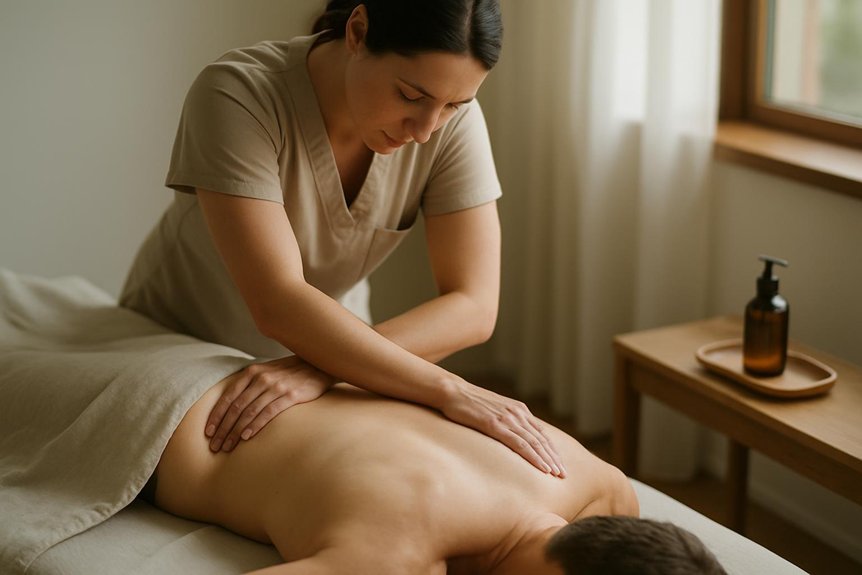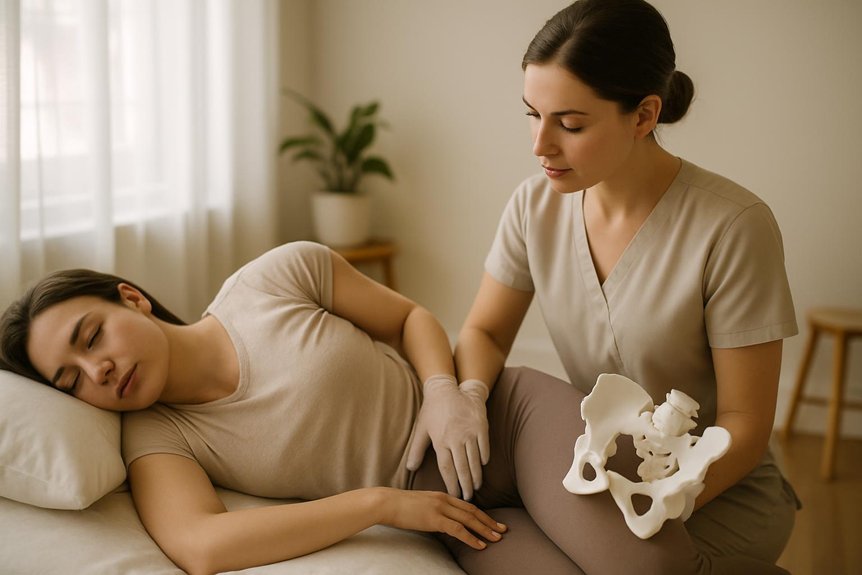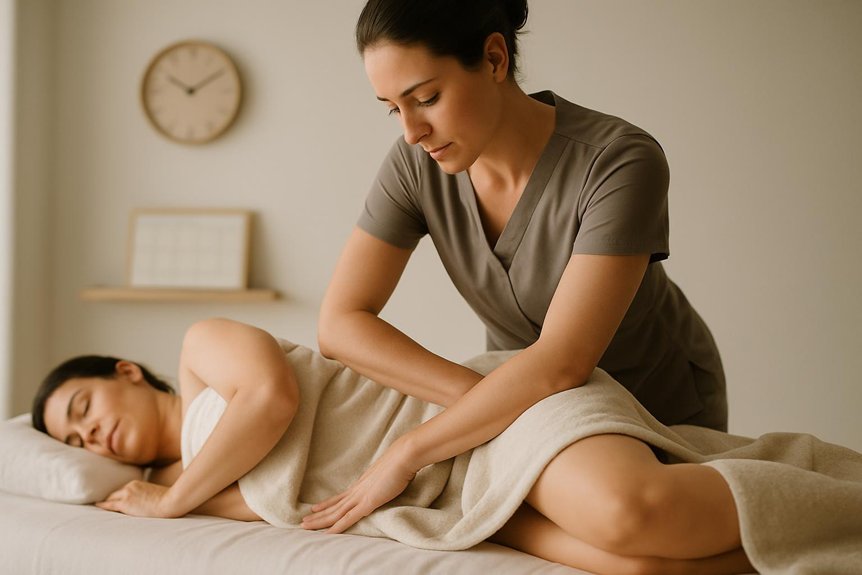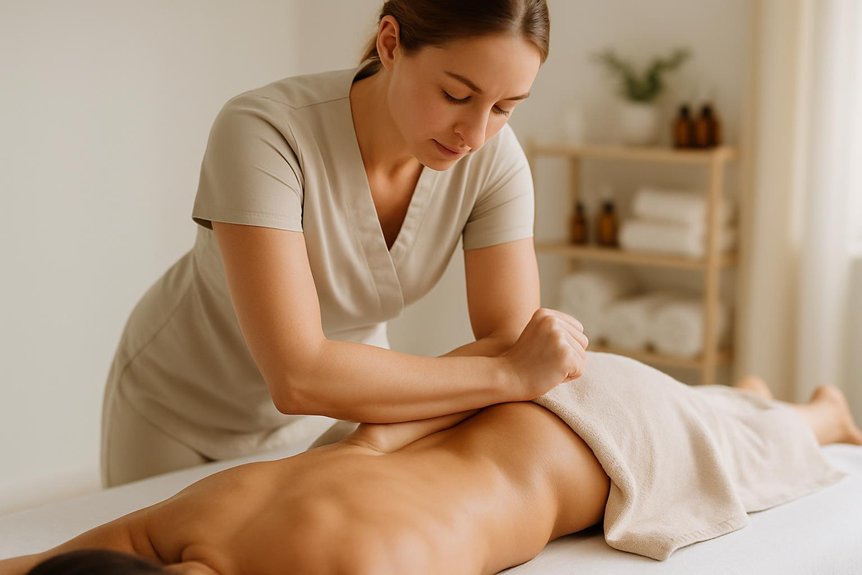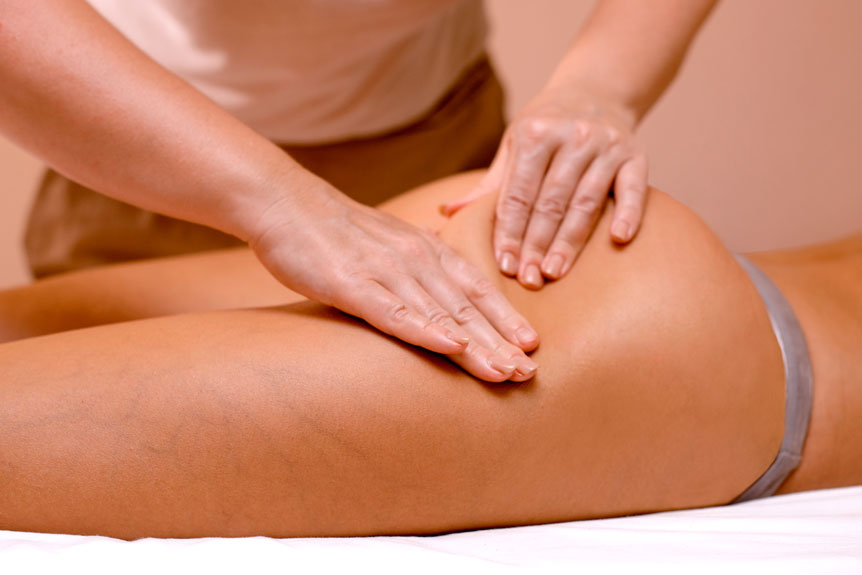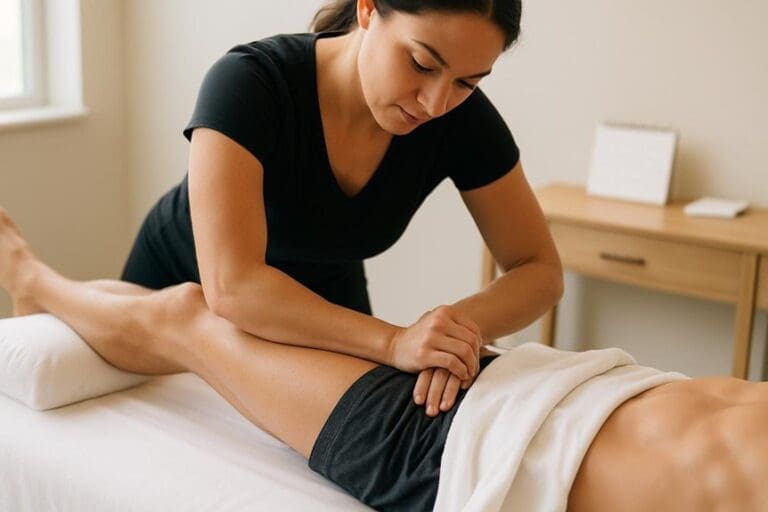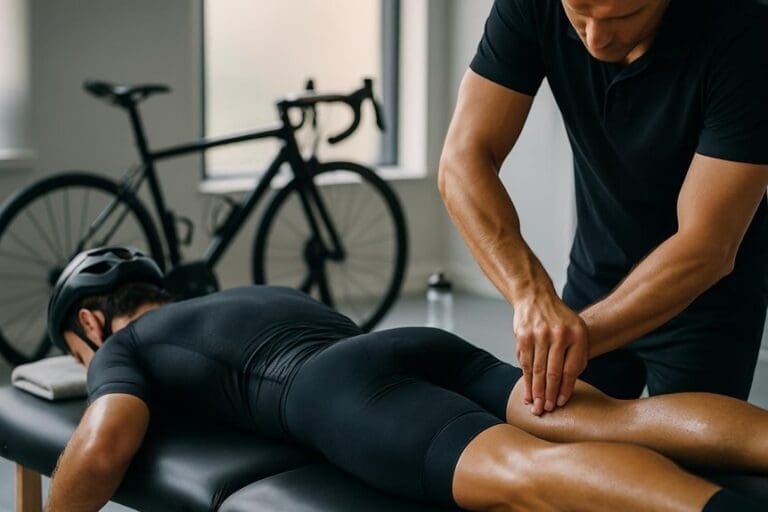
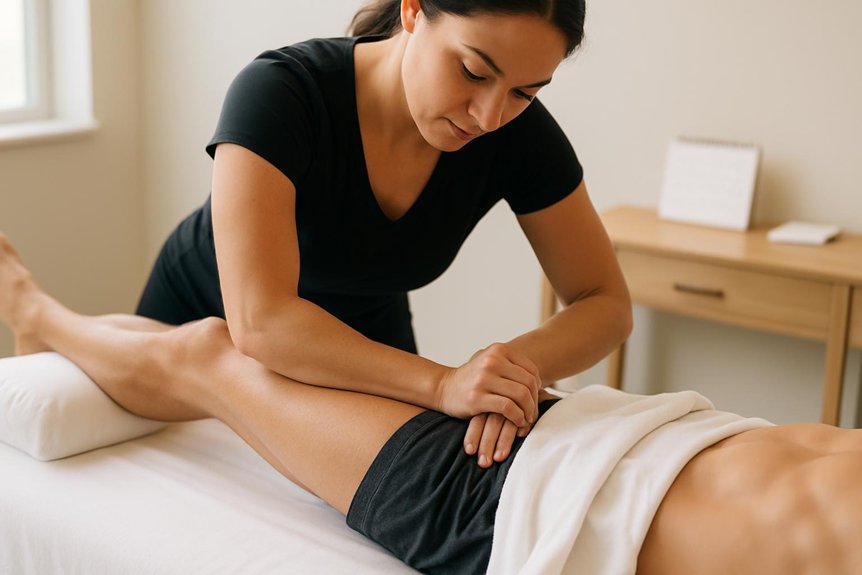
Most people with IT band–related pain do best with therapeutic tissue massage once per week for 2–4 weeks, then reassessment and tapering to maintenance every 2–6 weeks as symptoms permit. In an acute flare, sessions are often spaced 5–10 days apart with gentler depth; subacute cases typically respond to weekly care; chronic or recurrent symptoms may shift to every 2–3 weeks. Intervals can lengthen when soreness resolves within 24–48 hours and function improves. Additional guidance on adjusting frequency and targets follows.
How Often Should You Get Therapeutic Tissue Massage for IT Band Pain?
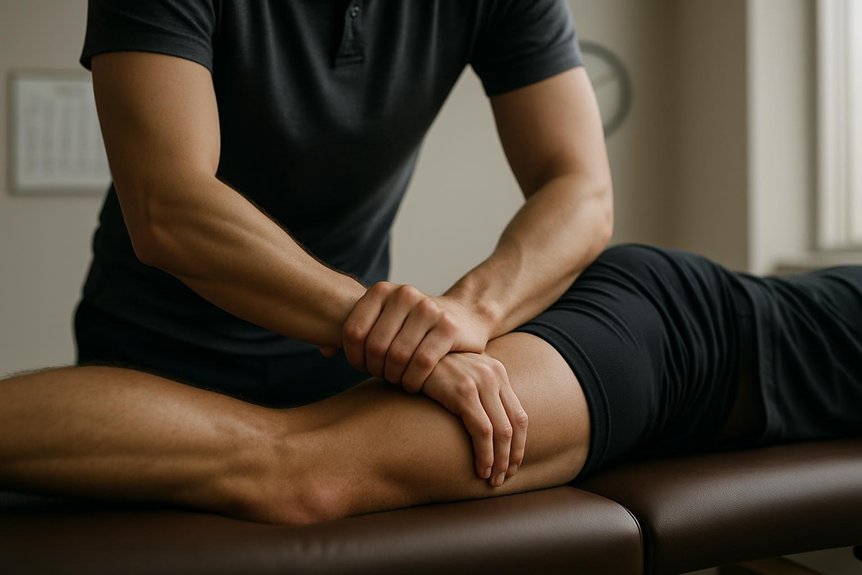
Often, the most effective schedule for deep tissue massage targeting IT band–related pain is an initial short course—typically one session per week for 2–4 weeks—followed by reassessment and tapering to maintenance every 2–6 weeks based on symptom response, activity level, and contributing factors such as hip or gluteal tightness.
At Spa & Massage London clinics, therapists monitor pain during stairs, running, and side-lying, plus hip abductor tone, to guide spacing.
If tenderness drops within 24–48 hours and function improves, sessions can lengthen; if soreness persists or flare-ups recur, weekly care may continue briefly.
Many clients benefit most when treatment targets lateral thigh fascial glide, gluteal trigger points, and TFL overactivity, paired with home mobility and load management for steadier relief.
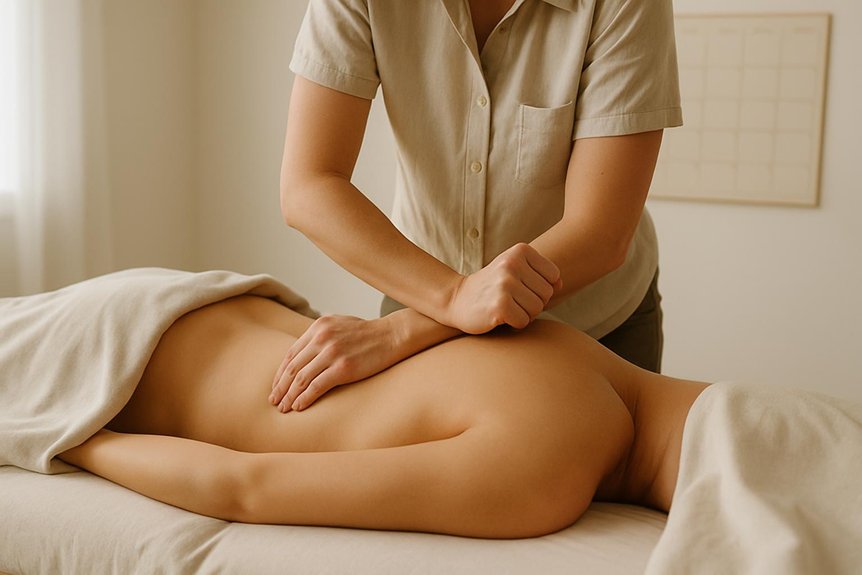
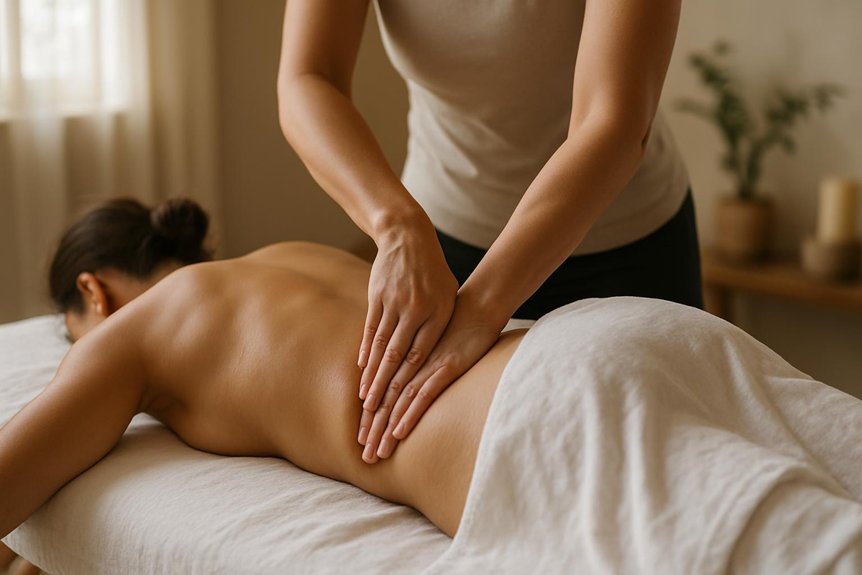
Deep tissue work is designed to address deeper muscle and fascial restrictions, and its deep tissue techniques can support longer-lasting changes in mobility when applied progressively.
Is It Safe for IT Band Pain?
It is generally safe for IT band–related pain when it is delivered by a trained therapist, applied progressively, and matched to the client’s irritability and activity load.
Safety depends on dosing pressure, avoiding aggressive stripping directly over the lateral knee, and prioritising surrounding tissues (gluteals, TFL, quadriceps) to reduce compressive sensitivity.
In Spa & Massage clinics, therapists continually check comfort and response, using slow strokes and measured pressure rather than “no pain, no gain.”
It should be avoided or modified with acute inflammation, recent injury, fever, unexplained swelling, suspected DVT, bleeding disorders, or anticoagulant use.
Expected effects include temporary soreness and warmth; bruising, numbness, or escalating pain warrants stopping and reassessment.
Clear communication keeps treatment both effective and intimate.
Who Benefits Most From Deep Tissue for IT Band Pain?
Typically, it provides the most value for people whose IT band–related pain is driven by manageable training load, movement overload, or myofascial tightness in contributing tissues rather than acute injury.
This often includes runners, cyclists, and gym-goers with lateral knee or outer-thigh discomfort that flares with mileage, hills, or prolonged sitting, and settles with rest.
Clients with tender, guarded hip rotators, gluteals, or lateral thigh tissues, plus reduced hip control, may notice the greatest relief when massage is paired with progressive strengthening and load management.
At Spa & Massage clinics across London, therapists commonly see benefit in people seeking calmer pain, easier stride, and better sleep through careful, consent-led pressure and pace.
Those with swelling, sharp pain, or recent trauma need medical assessment first.
What Do We Treat in Deep Tissue for IT Band Pain?
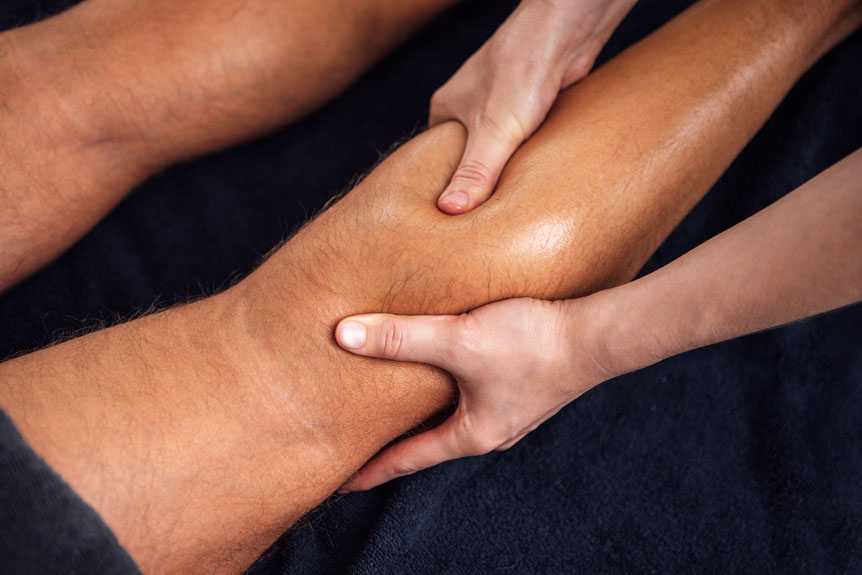
In practice, treatment for IT band–related pain in therapeutic tissue massage focuses less on “lengthening the band” itself and more on reducing excessive tone and tenderness in the surrounding tissues that load it.
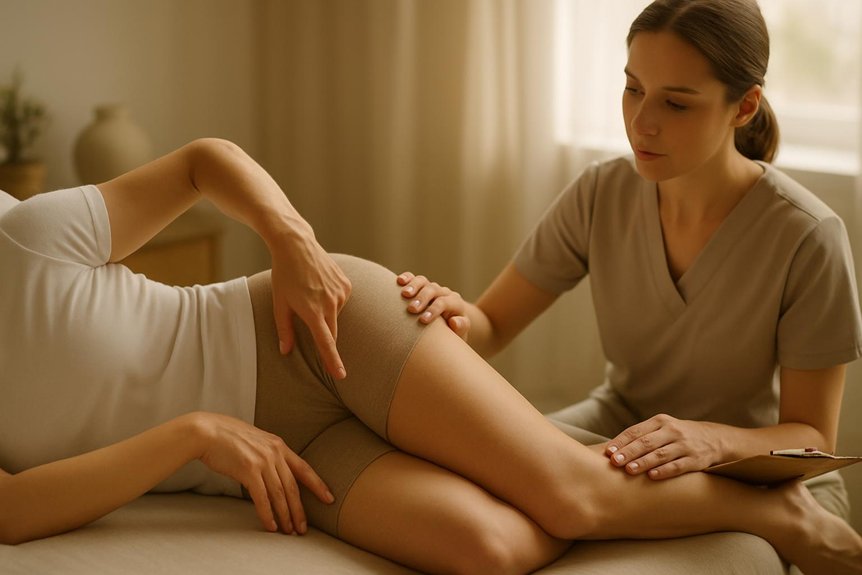
At Spa & Massage clinics, therapists typically assess and treat the lateral quadriceps (especially vastus lateralis), tensor fasciae latae, gluteus medius/minimus, and deep hip rotators, as well as trigger points that refer pain toward the outer knee or hip.
Work may also address adductors and hamstrings when they contribute to pelvic drift and altered stride.
Pressure is paced to the client’s breath and comfort, aiming to calm protective guarding, improve tissue glide, and restore pain-free range.
Gentle mobilisation and guided home self-massage are often added.
Therapeutic Tissue Massage Frequency by Stage: Acute to Chronic
Once key contributors such as the TFL, lateral quadriceps, gluteals, and hip rotators have been identified and treated, the next variable is dose—how often deep tissue work should be applied as symptoms move from acute irritation to long-standing pain.
In an acute flare (first 0–2 weeks), Spa & Massage therapists typically space sessions 5–10 days apart, prioritising gentle depth to settle sensitivity while maintaining comfortable movement.
In the subacute stage (roughly 2–6 weeks), weekly work can help remodel tone and restore hip control, paired with simple home mobility.
With chronic or recurrent symptoms (6+ weeks), frequency often tapers to every 2–3 weeks, using focused, slower techniques to address persistent guarding and load tolerance, while reinforcing lasting self-care between visits.
Signs You Need More (or Fewer) Deep Tissue Sessions
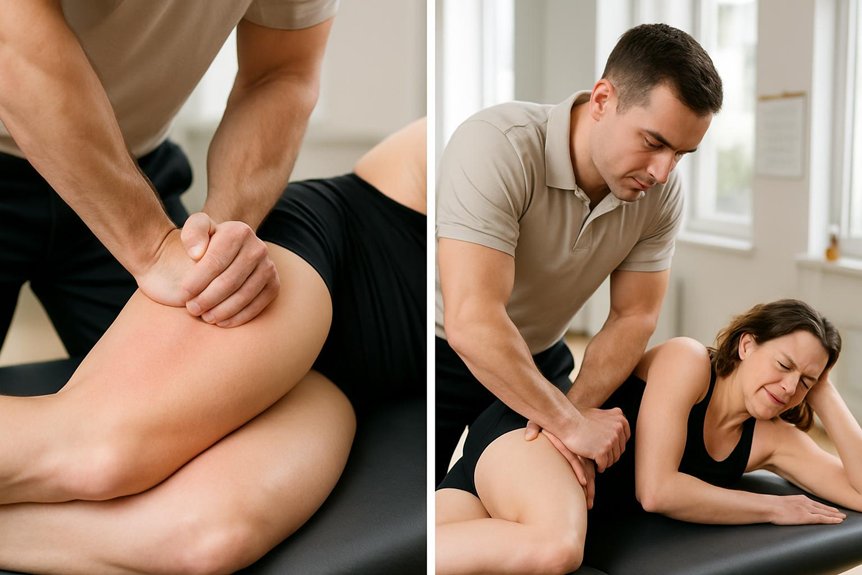
At Spa & Massage, the need for more or fewer deep tissue sessions for IT band pain is guided by objective clinical signals: changes in pain pattern (e.g., less lateral thigh ache with running, or increasing night pain), shifts in hip/knee mobility and strength during functional tasks, and the quality of post-session recovery.
Faster symptom settling with sustained range-of-motion and load tolerance gains typically supports spacing sessions out, whereas persistent pain spikes, plateaued movement, or prolonged soreness beyond 48–72 hours may indicate the plan needs adjustment.
These markers help therapists tailor frequency to the client’s response while prioritising safe tissue recovery and measurable progress.
Pain Pattern Changes
Pain patterns often shift before IT band symptoms fully resolve, and these changes can guide whether deep tissue sessions should be increased, reduced, or spaced further apart.
If pain becomes sharper, more constant, or starts disturbing sleep, closer review is warranted and more frequent sessions may be appropriate alongside clinical screening.
If tenderness steadily localises, intensity drops, and post-treatment soreness resolves within 24–48 hours, sessions can usually be spaced out.
When discomfort “spreads” to the knee, hip, or lower back, or new tingling, numbness, or giving-way appears, fewer sessions and prompt assessment are advised.
At Spa & Massage clinics across London, therapists track pain maps, timing, and triggers, and adjust pressure to remain therapeutically effective yet soothing, with consent always.
Mobility And Strength Shifts
Mobility and strength changes often provide the clearest signal for whether deep tissue sessions for IT band pain should be increased, reduced, or spaced further apart.
When hip extension, single-leg squat control, or pain-free walking distance improves within days, the current frequency is usually sufficient and may be tapered to maintenance.
If range of motion remains limited, stairs still provoke sharp lateral knee pain, or glute medius activation is delayed during bridging or step-downs, a closer interval can support soft-tissue tolerance while corrective exercise is reinforced.
At Spa & Massage clinics, therapists reassess gait, hip abduction strength, and comfort with compression to guide timing.
If strength drops or movement quality worsens between sessions, the schedule may be too sparse—or training load too high.
Post-Session Recovery Signals
Often, the most reliable guide to how frequently therapeutic tissue massage should be repeated for IT band–related symptoms is the quality and duration of post-session recovery.
A helpful response is mild tenderness that peaks within 24 hours, then settles by 48 hours, with easier stair climbing and less lateral knee tightness.
In Spa & Massage clinics, therapists view improved sleep, smoother hip rotation, and reduced “pulling” during walking as signs the current schedule is appropriate or can be spaced out.
Signals for more support include relief lasting under 48 hours, recurrent tightness with running, or protective guarding returning quickly.
Signals for fewer or gentler sessions include bruising, sharp pain, persistent soreness beyond 72 hours, swelling, or nervous-system “wired” feelings.
How to Keep IT Band Pain Relief Between Sessions
Between deep tissue sessions, consistent self-management can markedly prolong IT band symptom relief by reducing lateral thigh tension and controlling load on the hip and knee.
Spa & Massage therapists advise brief daily mobility: glute and hip-flexor stretching, plus gentle lateral thigh self-massage with slow pressure, stopping short of sharp pain.
Evidence supports strengthening the hip abductors and external rotators (e.g., side-lying leg raises, banded walks) 3–4 times weekly to reduce femoral adduction and knee irritation.
Training load should increase gradually; hills and long descents are limited during flare-ups.
Heat may relax tissues before activity; ice can calm post-exercise soreness.
Adequate sleep, hydration, and mindful breathing help downshift protective guarding, supporting comfort between appointments.
Conclusion
In the great London relay of IT band pain, therapeutic tissue massage is neither a daily penance nor a once-a-year apology. Early flare-ups often tolerate spaced sessions with careful load management; chronic cases may need a structured series, then tapering. Treating the “IT band” alone is the punchline—clinically, the glutes, TFL, quads, and mechanics drive symptoms. Too frequent work provokes soreness; too little preserves dysfunction. The sensible schedule follows response, not bravado.