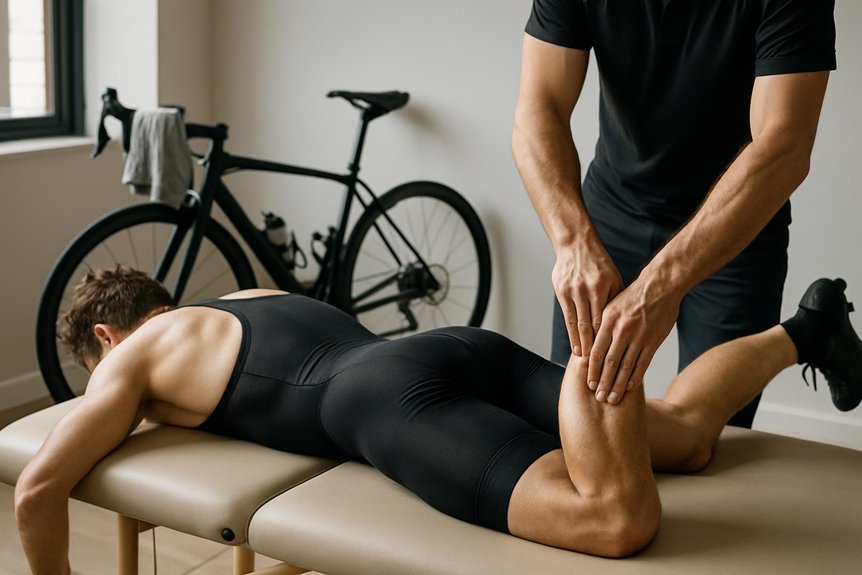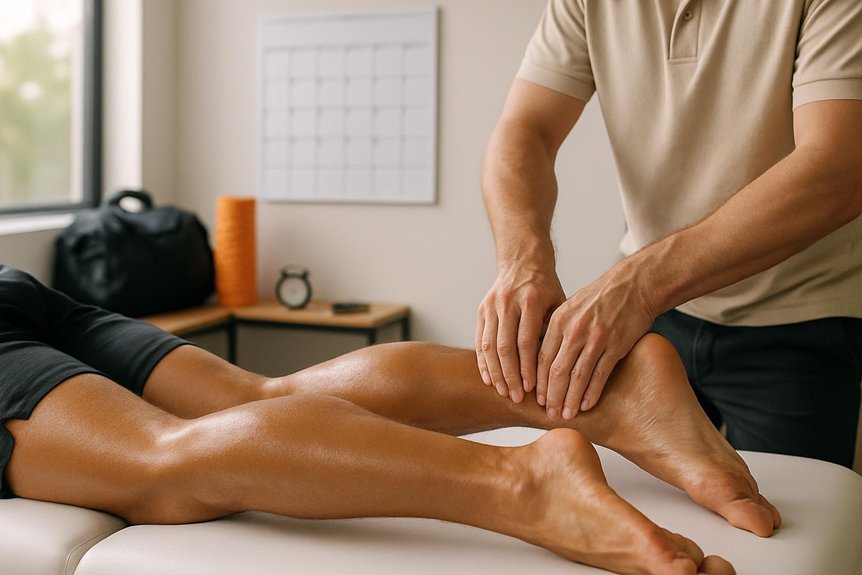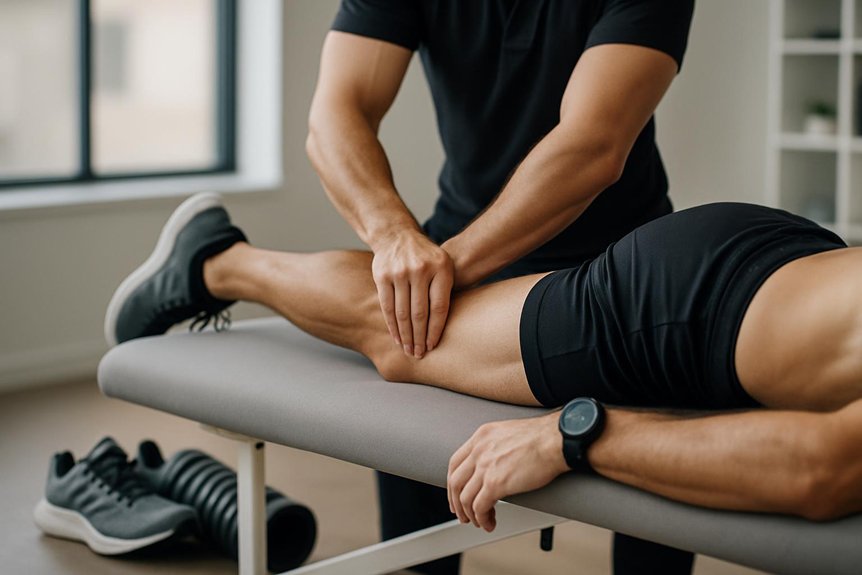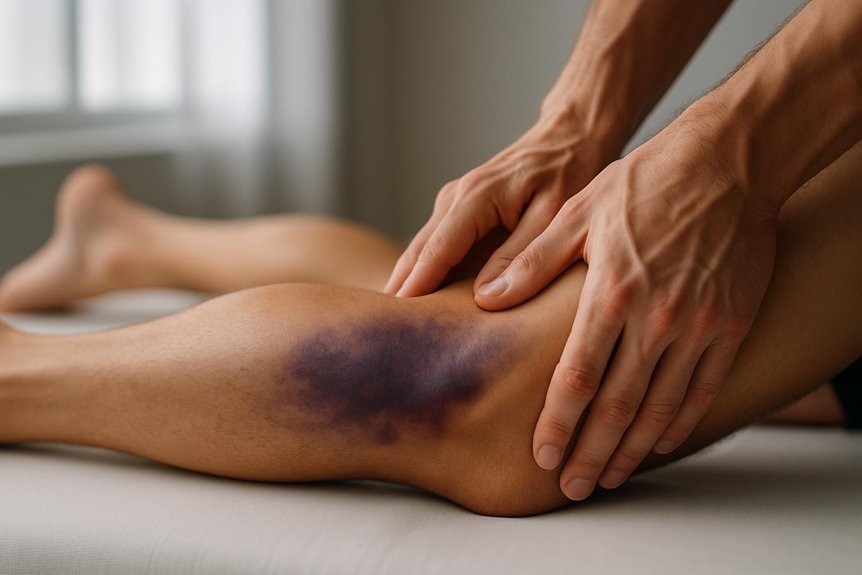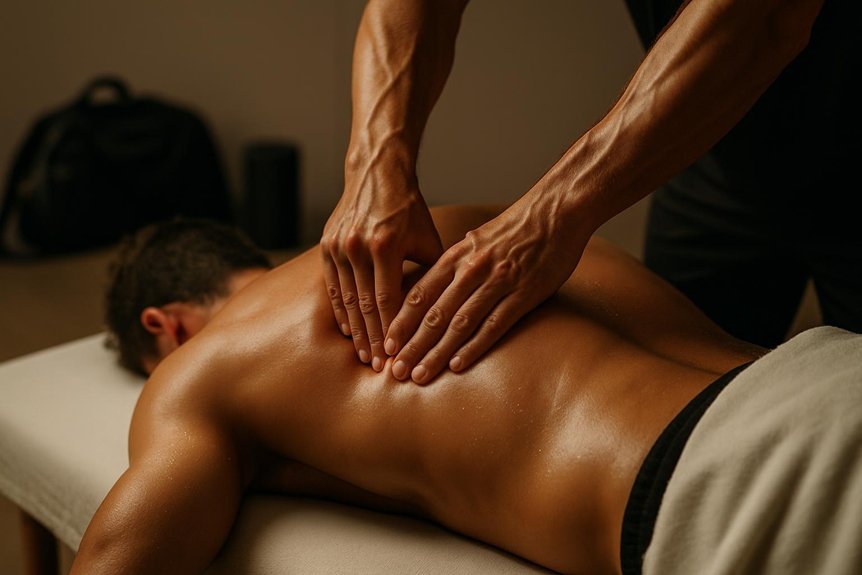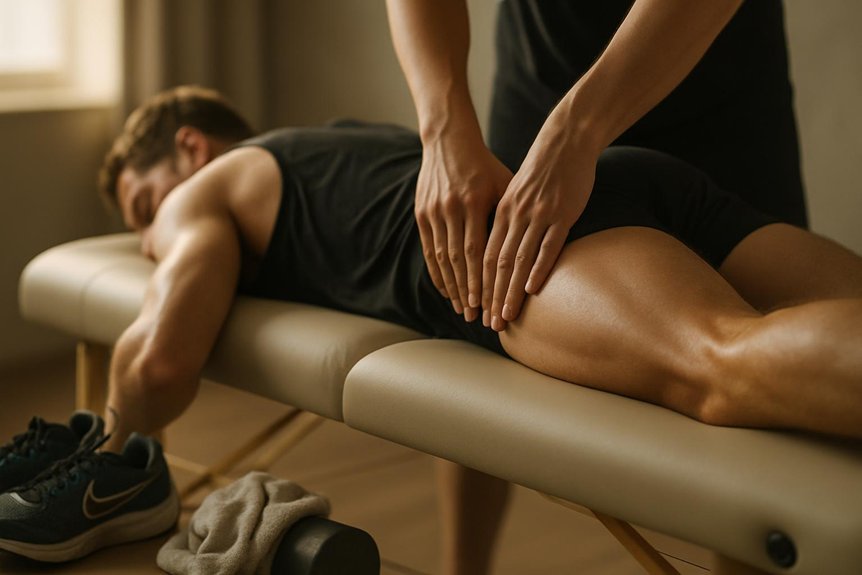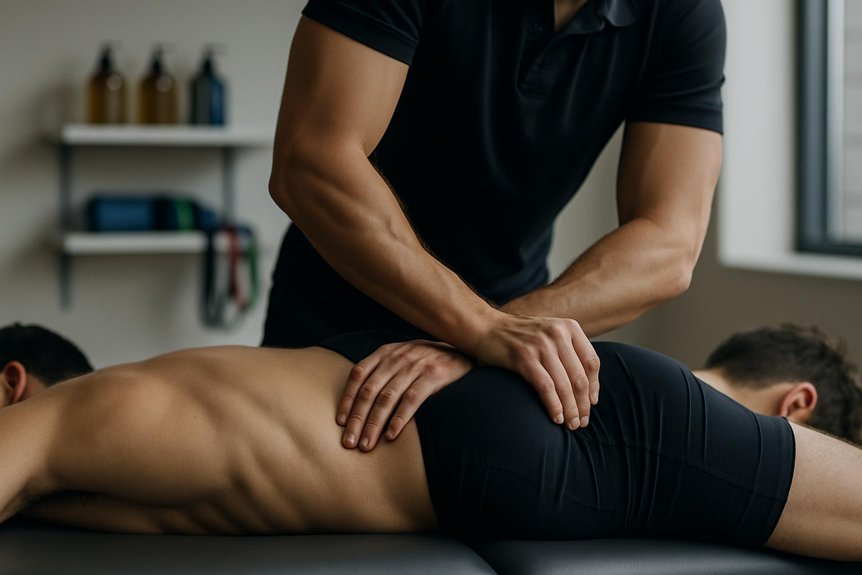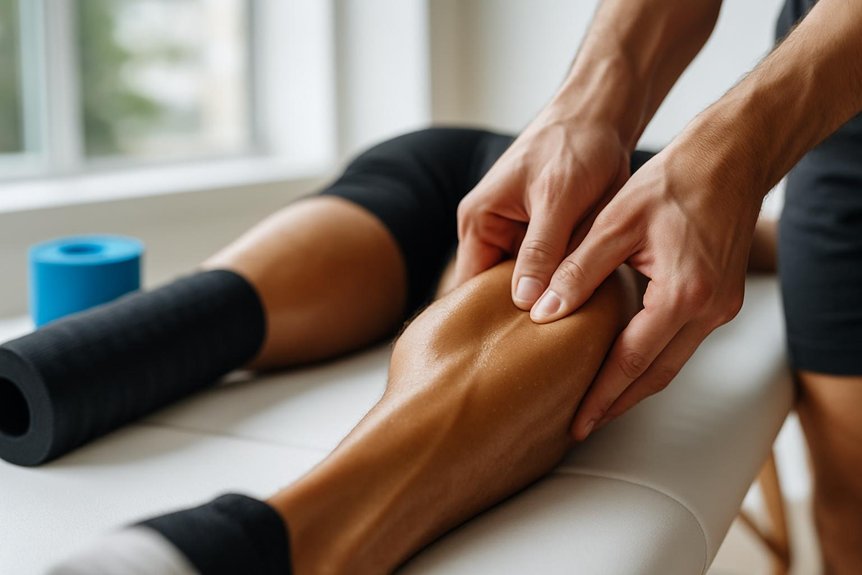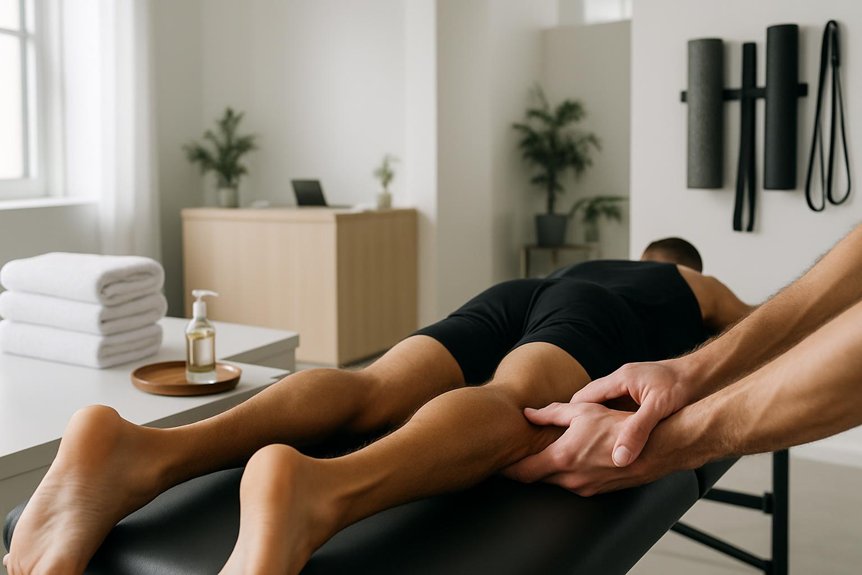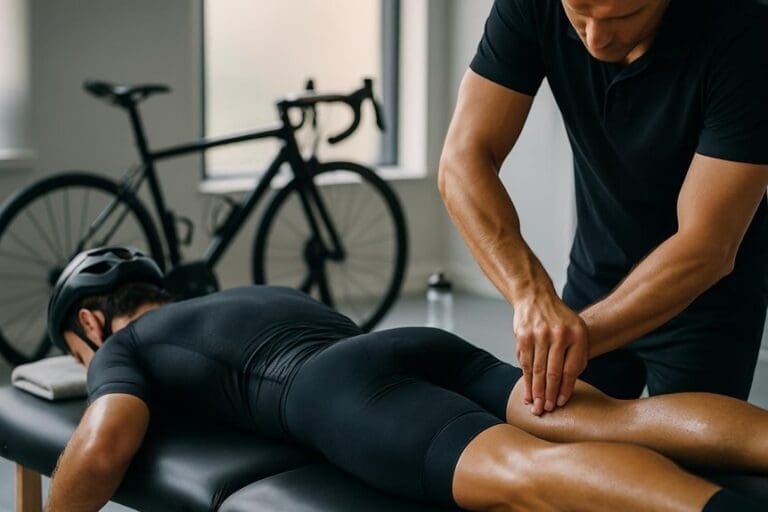
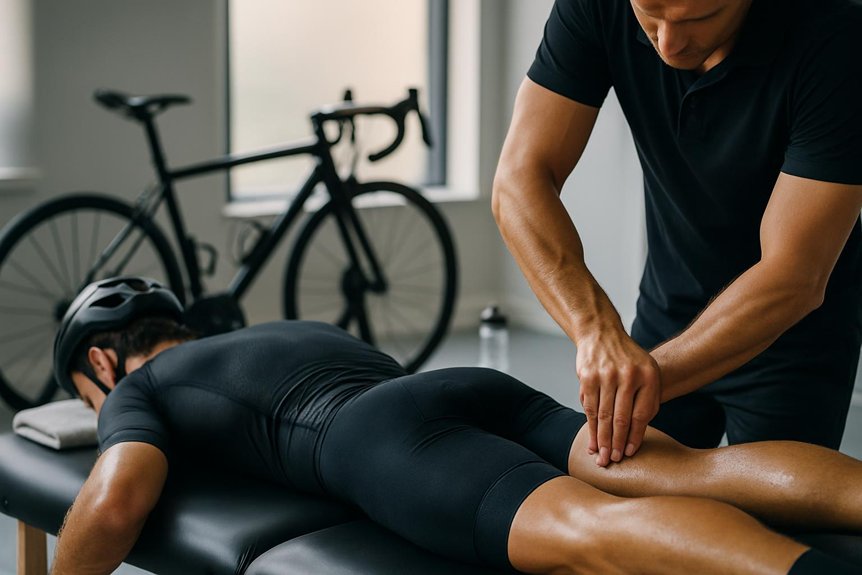
For cycling training, deeper performance massage is best scheduled 24–48 hours after hard rides or races to restore tissue glide and range of motion while supporting recovery. Pre-event work should be lighter and circulation-led, ideally 24–72 hours before key efforts, using broad effleurage, gentle stripping, and compressions to reduce tone without leaving legs heavy. Aggressive deep tissue is avoided within 24 hours of maximal efforts or acute strain. Further timing and phase-based frequency refine results.
Best Performance Massage Timing for Cyclists (Quick Rules)
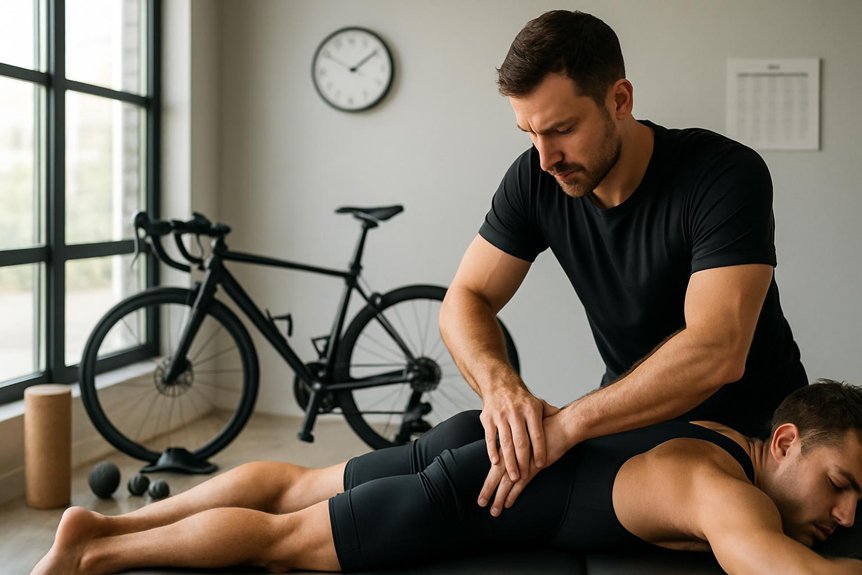
Often, the most effective performance massage timing for cyclists follows a simple rule set based on session intensity and recovery goals: schedule deeper, technique-heavy work 24–48 hours after hard rides or races to support tissue recovery and restore range of motion; use lighter, circulation-focused massage 24–72 hours before key events to reduce tone without leaving the legs feeling heavy; and avoid aggressive deep tissue immediately before maximal efforts or within the first 12–24 hours after acute strain, when soreness and inflammation can be highest—an approach Spa & Massage therapists apply in-clinic by adjusting pressure, stroke speed, and targeted muscle groups (typically quads, glutes, calves, hip flexors, and lower back) to match the rider’s training block and symptoms. It can also provide athlete recovery benefits by helping reduce muscle tension and supporting overall performance when timed appropriately. They may prioritise myofascial release, trigger-point work, and flushing strokes. Clients are advised to hydrate, sleep, and keep efforts easy post-treatment.
Sports Massage: Before vs After Hard Rides
Those quick timing rules become most relevant around high-intensity days, when the same “performance massage” can either prime the legs or deepen recovery depending on when and how it is applied.
Before a hard ride, Spa & Massage therapists keep pressure light-to-moderate: brisk effleurage, compressions, and short flushing strokes to increase local warmth, reduce “sticky” tone, and sharpen body awareness—avoiding deep stripping that can leave micro-soreness. Ten to twenty minutes is usually enough, finishing with gentle mobilisations around hips and calves.
After hard rides, the goal shifts to down-regulation and tissue calming. In-clinic work often starts with slow strokes and diaphragmatic breathing cues, then targeted deep tissue only where the rider reports tight bands, finishing with lymphatic-style drainage and hydration advice. Comfort guides depth.
Base Phase: Performance Massage Frequency and Timing
During the cycling base phase, performance massage is typically scheduled little and often to support higher training volume without disrupting adaptation: a 45–60 minute session every 2–4 weeks suits most riders, with frequency increasing toward every 10–14 days if niggles, rising muscle tone, or back-to-back long rides start to accumulate.
Timing works best 24–48 hours after a longer aerobic ride or strength session, when soreness is present but key training is not imminent.
At Spa & Massage, therapists prioritise progressive, tolerable pressure: slow deep-tissue strokes to quads and calves, myofascial release through hip flexors, and targeted trigger-point work to glutes and lower back.
Sessions finish with flush strokes to support circulation.
Riders are advised to hydrate, keep the day easy, and monitor tenderness for 24 hours.
Build Phase: When to Increase Performance Massage
In the build phase, cyclists often benefit from increasing performance massage as training stress rises, especially when peak-volume warning signs appear—persistent soreness beyond 48 hours, heavy legs, reduced power, or disrupted sleep.
A practical booking frequency at Spa & Massage is typically every 1–2 weeks, adjusted by load and recovery markers, using targeted deep-tissue and sports techniques rather than overly aggressive full-body work.
To support quality sessions, appointments are usually placed 24–48 hours after hard rides or key intervals, or 48–72 hours before the next major workout to limit residual tenderness.
Peak Volume Warning Signs
As weekly mileage and intensity climb in the build phase, several consistent warning signs indicate it is time to increase performance massage frequency to protect performance and reduce overload risk. Persistent heaviness in the quads or calves beyond 48 hours, reduced power at familiar heart rates, and morning stiffness around hips, knees, or Achilles suggest accumulating tissue load.
Localised “hot spots” that feel ropey or tender to deep pressure, sleep disruption, or a rising sense of irritability can reflect heightened sympathetic stress. At Spa & Massage clinics, therapists screen for reduced ankle dorsiflexion, hip rotation asymmetry, and protective guarding, then apply slow deep-tissue strokes, cross-fibre friction, and gentle compressions to restore glide and comfort.
If warm-up no longer “loosens” the legs, workload is outpacing recovery cycles.
Key Booking Frequency
Warning signs such as lingering heaviness, power drop-off, and persistent “hot spots” are practical cues to adjust not just training load but also performance massage booking frequency in the build phase.
In this period, many cyclists benefit from increasing from monthly to fortnightly sessions, or weekly during high-stress blocks, to support tissue capacity and recovery.
At Spa & Massage clinics, therapists typically focus on targeted deep-tissue and sports techniques: slow stripping to quads and calves, cross-fibre friction around tendons, and gentle myofascial release to hips and lower back, calibrated to soreness and sleep quality.
Rebooking should be guided by how quickly tightness returns and whether range of motion stays “open” after treatment.
If relief lasts under 5–7 days, frequency is usually too low.
Timing Around Hard Rides
Around the build phase’s hardest sessions—VO₂max intervals, over-unders, long tempo blocks—performance massage is best timed to protect performance while accelerating recovery: schedule a lighter, nervous-system–downregulating treatment 24–48 hours before a key workout to reduce resting tone and improve hip/ankle range without provoking soreness, and place deeper tissue work 24–72 hours after the session to address reactive “hot spots” in the quads, calves, gluteals, and hip flexors via slow stripping, cross-fibre friction around loaded tendons, and targeted myofascial release, as commonly applied by Spa & Massage therapists.
In-clinic, pressure is graded by post-ride tenderness and sleep quality. Athletes are advised to avoid maximal trigger-point work within 24 hours of racing. Aftercare: warm shower, fluids, gentle spin, and quiet breathwork to keep the body receptive.
Peak Phase: Keep Legs Fresh Without Soreness
In the peak phase, performance massage is best used to maintain neuromuscular readiness and perceived leg freshness without triggering post-treatment soreness.
A pre-race tune-up is typically scheduled 24–48 hours before competition and kept light—focused on circulation, gentle compressions, and targeted mobility—rather than deep tissue work.
Between key rides, brief recovery sessions can help manage tone and discomfort while preserving training quality, which is how Spa & Massage therapists commonly structure peak-week treatments in our London clinics.
Pre-Race Tune-Up Timing
Before race day, the most reliable sports-massage strategy in a cyclist’s peak phase is a light “tune-up” scheduled close enough to enhance tissue glide and neuromuscular readiness, yet far enough to avoid delayed-onset soreness from deep work.
At Spa & Massage clinics across London, therapists typically time this 24–48 hours pre-event, adjusting to how the rider responds to pressure. Techniques stay superficial and specific: brisk effleurage, gentle petrissage, and focused fascial sweeping to calves, quads, glutes, and hip flexors, avoiding heavy stripping or trigger-point holds.
The goal is warmth, tone normalisation, and a calm, confident body. Athletes are advised to keep communication intimate and precise—pressure, tenderness, and race goals—so legs feel buoyant, not bruised, on the start line.
Light Recovery Between Rides
Often, the most effective way to keep a cyclist’s legs feeling responsive during a peak training phase is a short, light recovery performance massage scheduled between key rides—focused on restoring tissue glide and reducing perceived heaviness without creating tenderness.
At Spa & Massage clinics in London, therapists typically place this session 24–48 hours after a hard effort and at least 24 hours before the next quality ride, when low-to-moderate pressure supports comfort and readiness.
Techniques stay superficial: broad effleurage, gentle stripping along quads and calves, and slow flushing strokes toward the heart to encourage circulation and downshift tone.
Targeted work around hip flexors and peroneals is brief, avoiding deep friction.
Aftercare is simple: hydration, a short walk, and easy spinning to keep warmth and mobility.
Taper & Race Week: Safest Time for Massage
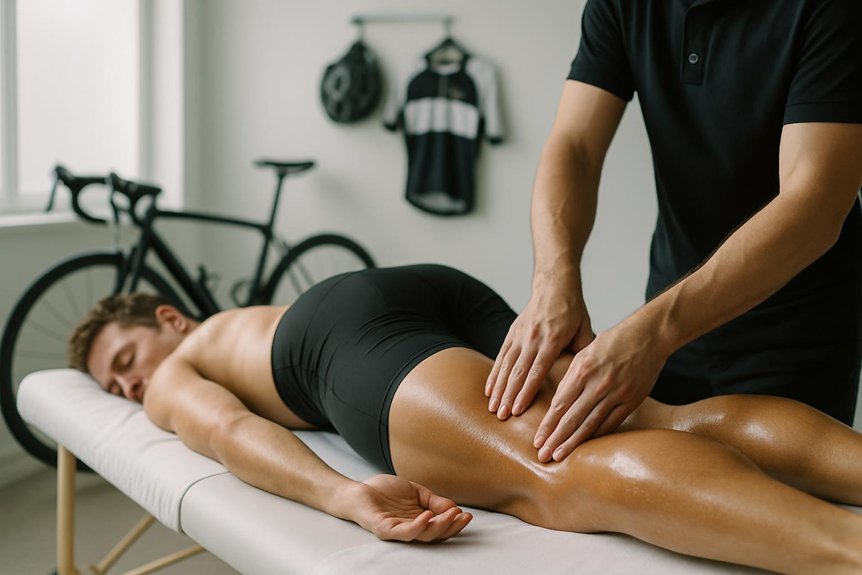
During taper and race week, the safest performance massage approach is a lighter, recovery-focused session scheduled 48–72 hours before competition to support circulation and neuromuscular readiness without provoking post-treatment soreness.
At Spa & Massage clinics across London, therapists prioritise gentle effleurage, slow flushing strokes, and light-to-moderate myofascial release rather than deep stripping or aggressive trigger-point work that can leave legs tender.
The goal is to calm tone, improve tissue glide, and reduce perceived heaviness while preserving freshness.
Session time is usually shorter, with careful attention to quads, calves, hip flexors, and glutes, guided by the rider’s feedback and race sensations.
Aftercare is intimate but practical: hydrate, keep warm, and take an easy spin only if it feels soothing.
Before Sportives and Long Rides: How Far Ahead?
Race-week massage prioritises freshness; the same principle applies when preparing for sportives and long rides, where timing should minimise delayed-onset soreness while supporting range of motion and pedal efficiency.
For most cyclists, Spa & Massage therapists schedule deeper work 48–72 hours before the start, allowing tissues to settle while easing protective tightness in calves, quads, hip flexors, and glutes.
Within 24 hours, the emphasis shifts to lighter, circulation-led techniques: effleurage, gentle stripping, and brief trigger-point holds that “wake up” sensation without provoking tenderness.
If travel or a high training load leaves legs heavy, a 20–30 minute flush the evening before can feel grounding and intimate.
Post-treatment, hydration, easy spinning, and sleep protect the gains.
Off-Season: Performance Massage for Mobility and Reset
In the off-season, performance massage is best used as a structured “reset” to restore hip and ankle mobility, address lingering asymmetries from high-mileage blocks, and reduce baseline muscle tone before the next build phase. At Spa & Massage clinics across London, therapists prioritise slower deep-tissue strokes, sustained compression, and myofascial release through the hip flexors, adductors, calves, and plantar fascia to improve tissue glide and comfortable range.
Sessions are ideally spaced every 10–14 days for 4–6 weeks, allowing adaptation without provoking post-treatment soreness. Gentle trigger point work can downshift protective guarding; light stretching and breath-led downregulation help the nervous system “let go.” Aftercare focuses on hydration, easy walking, and a mobility routine, so the body returns to training feeling softer, longer, and balanced.
Conclusion
It works best when timed like a well-set chain: aligned to load, not convenience. In base and build phases, regular sessions can offload chronically tight quads, calves, glutes, and lumbar tissues, preserving range and pedalling economy. After hard rides, technique-driven work targets tone and trigger points to restore movement without blunting adaptation. Near peak and race week, lighter pressure and longer lead time reduce soreness risk. Used this way, massage becomes maintenance—not a last-minute rescue.