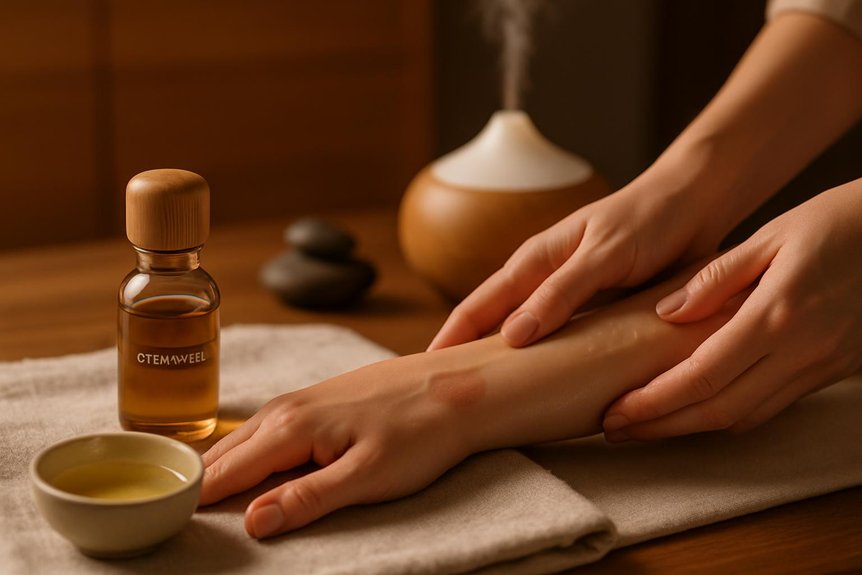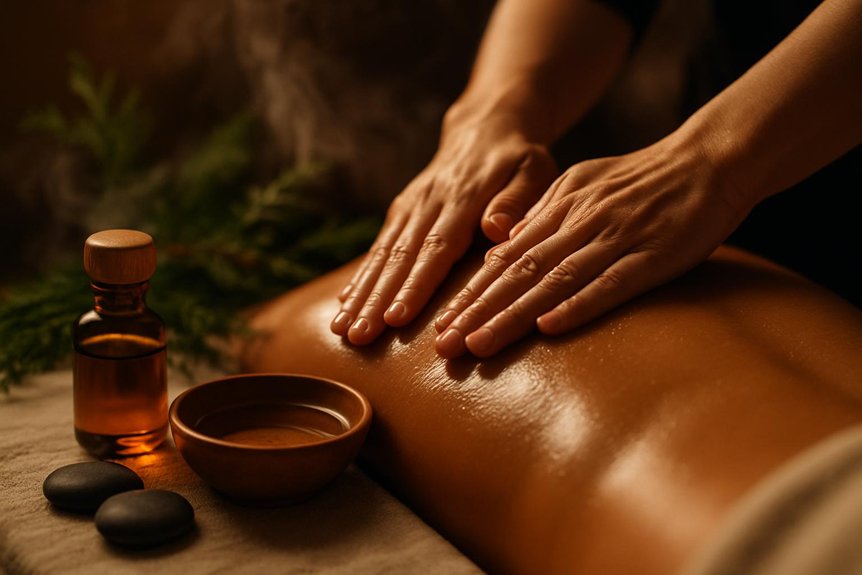
Cedarwood in aromatic massage smells warm, dry, and woody, with resinous undertones and a softly smoky, forest-clean base. It is more earthy than sweet, sometimes faintly balsamic, and tends to linger close to the skin rather than projecting strongly. Used at low dilution in a neutral carrier, it supports a grounded, steady atmosphere during slow massage strokes. Patch testing and consent help reduce sensitisation or headache risk. Further guidance covers blending and suitability.
What Does Cedarwood Smell Like in Aromatic Massage?
A cedarwood scent in aromatic massage is typically perceived as warm, dry, and woody, with resinous undertones that can read as softly smoky.
In a treatment room, it often presents as a clean, forest-like base note that lingers close to the skin, subtly earthy rather than sweet, and sometimes faintly balsamic.
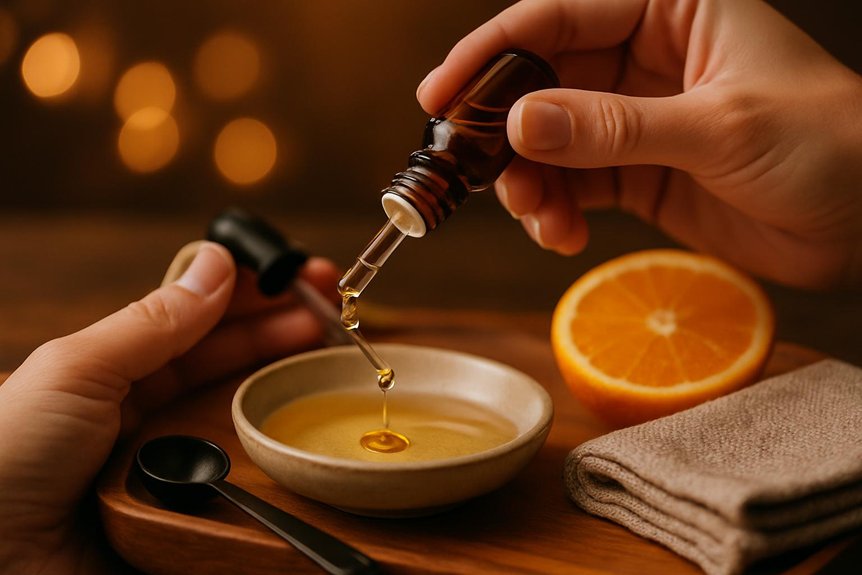
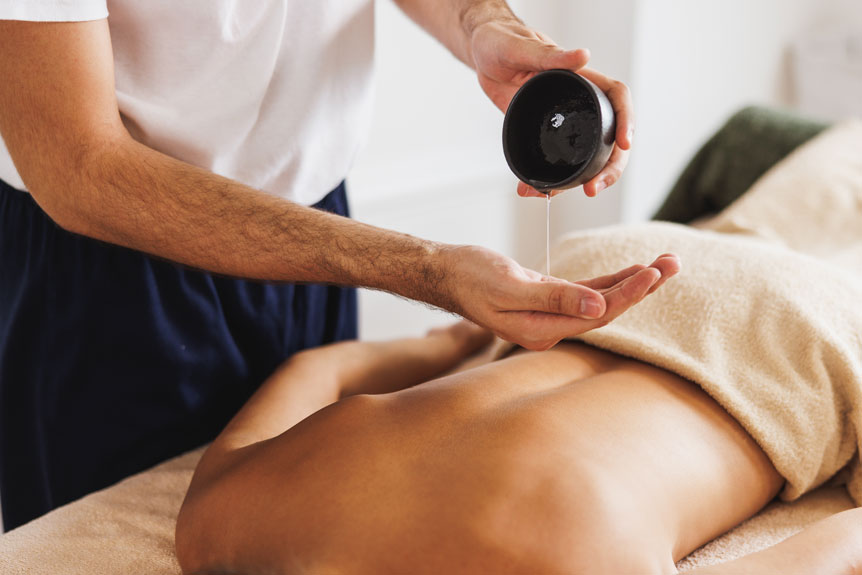
At Spa & Massage clinics, therapists typically blend cedarwood at low dilution in a neutral carrier oil to keep the aroma skin-proximate and non-overpowering during close-contact work.
Clients may notice a grounded, mature fragrance that pairs well with slow, enveloping strokes.
For safety, therapists assess scent sensitivity, asthma, and migraines, avoid use on irritated skin, and recommend a patch test when needed.
Cedarwood is not used undiluted.
In aromatic massage, this kind of aroma is often used to help clients relax and heal during the session.
Why Does Cedarwood Aromatherapy Massage Feel Calming?
In aromatic massage, cedarwood is often experienced as calming because its dry, woody aroma reads as a steadying base note while slow, pressure-adjusted massage stimulates the parasympathetic “rest-and-digest” response. The scent can feel warm, grounded, and quietly intimate, encouraging slower breathing and reduced mental chatter.
At Spa & Massage clinics, therapists apply measured strokes over the back, neck, and shoulders to ease guarding and support a settled body tone. Cedarwood is typically diluted in a carrier oil to protect the skin; a patch-test approach is used for sensitive clients, and inhalation is kept gentle in enclosed rooms.
Clients who are pregnant, asthmatic, or prone to migraines are advised to disclose this so adjustments can be made. Hydration and rest afterwards support the effect.
What Does Cedarwood Blend With in Aromatic Massage?
Blend-logic in aromatic massage typically pairs cedarwood’s dry, resinous base note with oils that either brighten the top of the blend, soften the heart, or reinforce grounding without becoming heavy.
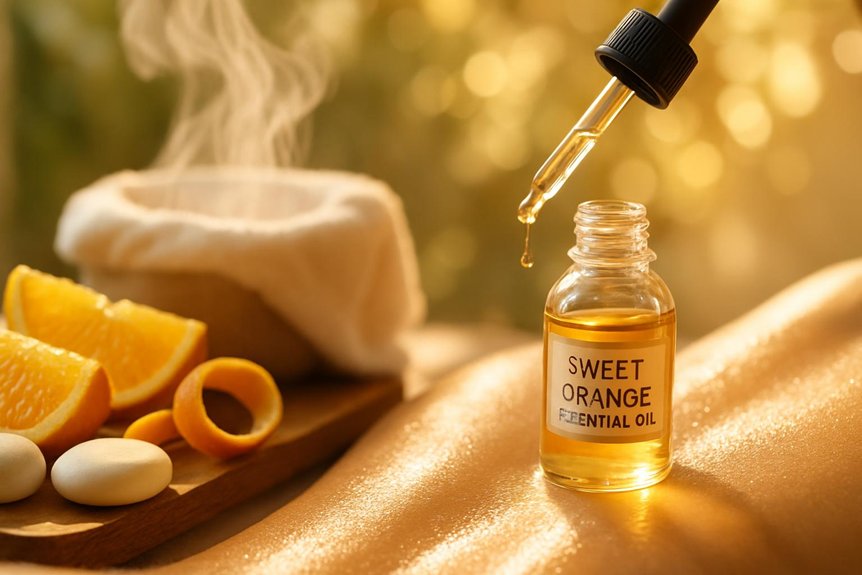
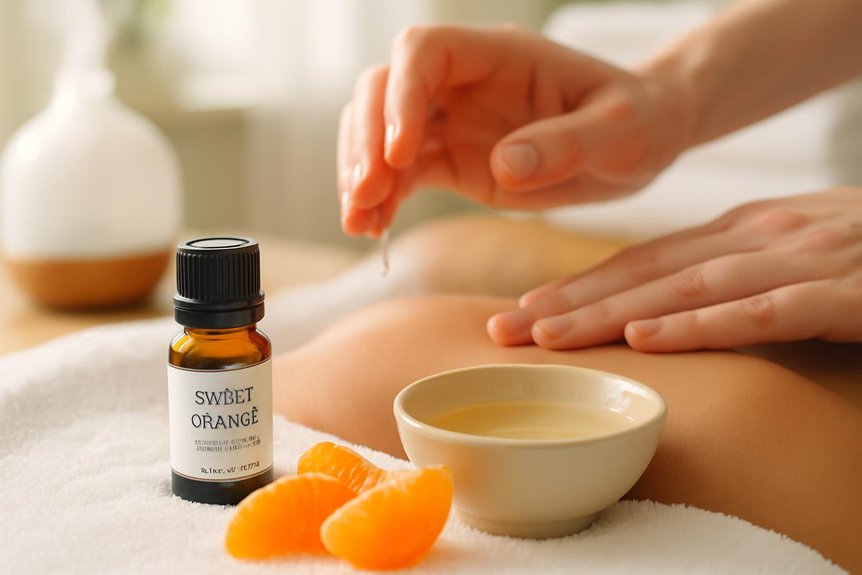
Common brighteners include bergamot, sweet orange, and grapefruit for a clean, skin-warm lift.
To add a tender, intimate heart, therapists often choose lavender, geranium, or clary sage, which round cedarwood’s edges and support slower breathing.
For deeper grounding, frankincense, patchouli, or vetiver can be used sparingly to avoid a dense, cloying finish.
In Spa & Massage clinics, blends are typically kept low-dose in a neutral carrier oil, with careful attention to phototoxic citrus limits, sensitisation history, and comfort with close-contact scent.
Who Is Cedarwood Aromatic Massage Best For?
For clients seeking a steadier nervous-system “downshift,” cedarwood aromatic massage is often best suited to those experiencing stress-related tension, restless sleep, or a sense of mental overactivity that benefits from a dry, grounding scent profile.
At Spa & Massage clinics across London, it is often chosen by clients who prefer warmth without sweetness, and who respond well to woody notes that feel close, calm, and quietly protective on the skin.
It can suit people managing desk-bound neck and shoulder holding, gentle low mood, or sensory overload, where a slower pace feels safe.
It may be less suitable for those sensitive to strong woods, with asthma triggered by fragrance, or in pregnancy unless cleared.
Patch testing and clear consent support comfort.
How Do We Use Cedarwood in Our Aromatic Massages?
Within Spa & Massage clinics, cedarwood is introduced as a measured essential-oil component in a carrier base, selected after a brief consultation to match scent tolerance, treatment goals, and any contraindications.
The blend is typically kept low in dilution and first patch-tested through a brief inhalation and small application, reducing the risk of sensitisation.
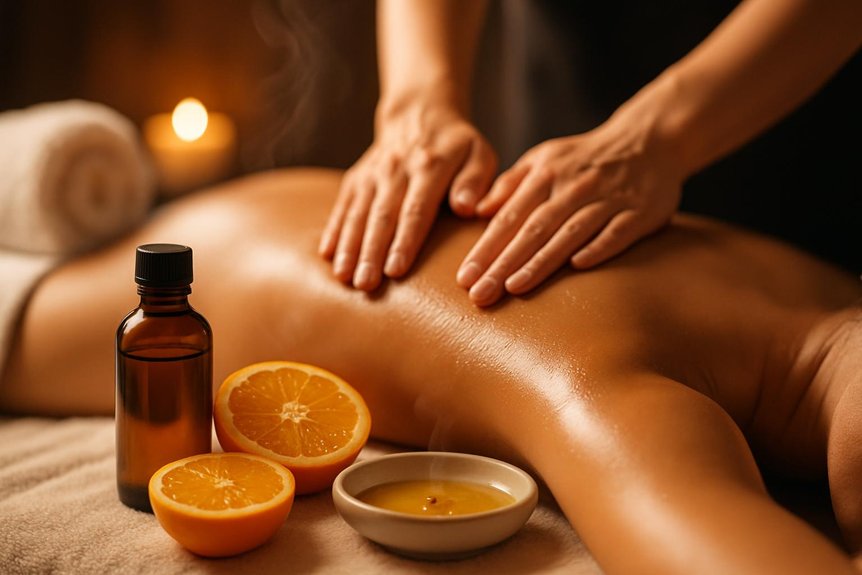
Therapists apply it with slow, grounding effleurage, then deeper compressions where appropriate, allowing the warm, dry-woody aroma to unfold close to the skin without becoming cloying.
Cedarwood is often paired with softer notes to round its edges and support relaxation.
During treatment, clients are guided to steady breathing; aftercare includes hydration, avoiding heat, and monitoring for delayed irritation.
Conclusion
Cedarwood in aromatic massage is often experienced like a quiet path through dense forest: warm timber, soft resin, and a dry, earthy hush that steadies the mind. When blended with citrus or florals, its weight is lifted, leaving a balanced fragrance that lingers gently on skin without feeling sharp. Used in correct dilution and with careful screening for sensitivities, cedarwood can support calmer breathing, grounded focus, and a safer, more restorative treatment.