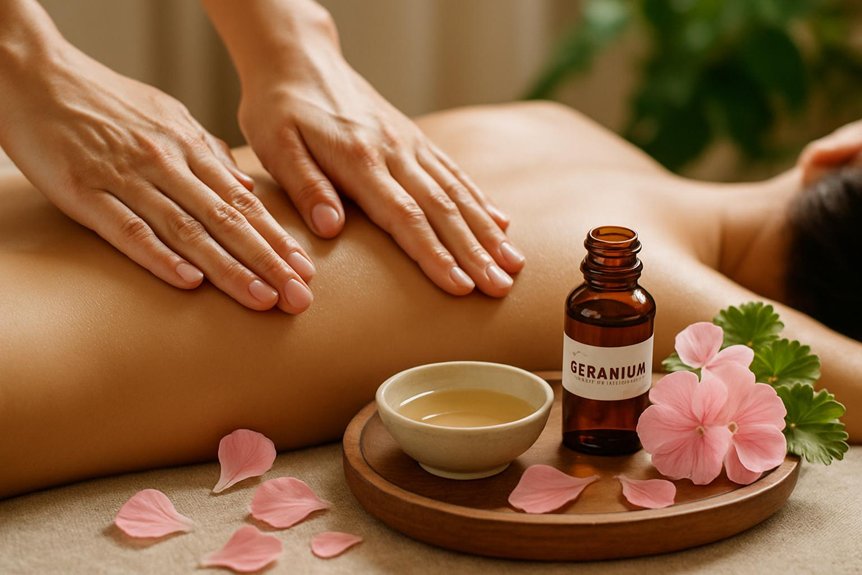
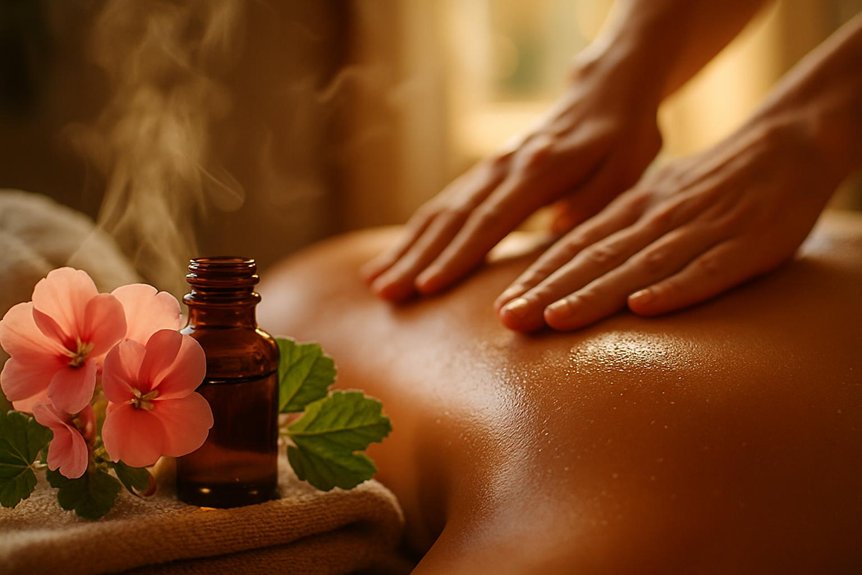
In aromatic massage, geranium essential oil smells softly rosy and fresh, with a clean, gently green herbal edge. It often opens with a sweet citrus lift (bergamot- or lemon-like), then settles into a petal-like floral heart that feels closer and more intimate on skin than in the bottle. As the carrier oil warms with friction and body heat, the scent becomes rounder and lightly honeyed, sometimes showing a faint minty brightness. Further details cover effects, blends, and aftercare.
What Does Geranium Oil Smell Like in Massage?
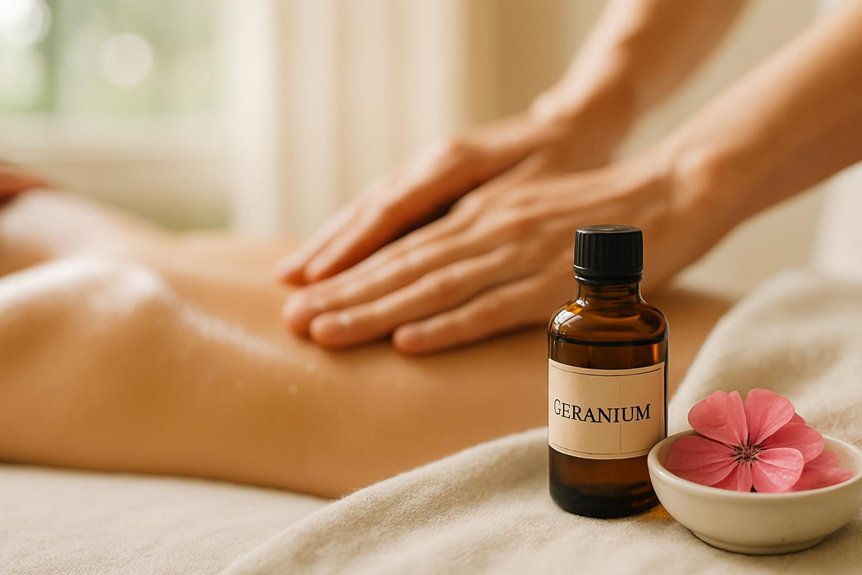
A balanced floral profile defines geranium essential oil in aromatic massage. On skin warmed by skilled hands, its aroma is often perceived as softly rosy, fresh, and gently green, with a clean sweetness that feels close rather than loud. As breathing slows, many clients notice the scent unfolding from bright and airy to rounder and more velvety, creating a sense of emotional ease and affectionate comfort.
At Spa & Massage clinics, therapists typically diffuse or blend geranium at low, evidence-informed dilutions so the fragrance stays present without becoming cloying. The scent tends to pair well with slow, flowing strokes, supporting a calmer nervous system response and helping clients feel held, grounded, and quietly connected during treatment. For deeper relaxation, many sessions incorporate aromatherapy massage techniques to help clients relax and heal more fully.
What Are Geranium’s Main Scent Notes?
In Spa & Massage aromatherapy sessions, geranium oil is typically recognised for a rosy floral heart note that reads as soft and balanced on the skin.
Many clients also notice green, herbal undertones that add a clean, leafy freshness as the massage warms the oil.
A subtle sweet citrus top note often appears first on inhalation, shaping the initial impression before the floral centre becomes more prominent.
Rosy Floral Heart
Three main scent layers define geranium in aromatherapy: a rosy floral heart supported by soft green freshness and a faintly minty, citrus-tinged lift.
The heart note is typically perceived first on warm skin—velvety, petal-like, and gently sweet, closer to fresh rose than powdery perfume.
In clinical aromatherapy, floral notes are associated with comfort and emotional settling, and many clients report feeling more “held” during slow, nurturing massage strokes when geranium is present.
At Spa & Massage clinics across London, therapists often dilute geranium in a neutral carrier and apply it with steady, close-contact techniques so the rosy centre unfolds gradually with body heat.
The impression is intimate but clean, lingering softly rather than cloying.
Green Herbal Undertones
Alongside the rosy, petal-like centre, geranium reveals a distinctly green, herbal underside that reads as freshly crushed leaves and stems.
It can feel cool, clean, and slightly astringent on the nose, like fingertips brushed over garden foliage, adding structure and lift to the blend rather than sweetness.
In aromatic massage, this green facet is often associated with a “clearing” sensory profile; research on olfaction suggests green-herbal aromatics can support perceived freshness and calm through learned scent associations and gentle autonomic settling.
At Spa & Massage, therapists may pair geranium with slow, grounding strokes so the client notices a softening in the chest and a steadier breath.
For clients seeking closeness, the leafy note keeps the floral heart intimate yet uncloying.
Sweet Citrus Top Notes
At first inhale, geranium often opens with a sweet, citrus-leaning brightness—closer to bergamot or lemon peel than a heavy floral—driven by its naturally occurring monoterpenes that register quickly on the nose.
This “top note” lifts the blend and can feel cleansing, lightly sparkling, and emotionally buoyant within seconds.
In Spa & Massage aromatherapy sessions, therapists observe that this citrus facet helps clients settle into touch without feeling overwhelmed by perfume.
It reads as clean skin warmed after a shower, with a soft, honeyed edge rather than sharp acidity.
When paired with carrier oils and gentle effleurage, the opening can encourage slower breathing and a sense of safe closeness.
For clients seeking intimacy, the effect is often described as inviting and quietly affectionate, before the greener heart notes appear.
What Does Geranium Oil Do in Aromatic Massage?
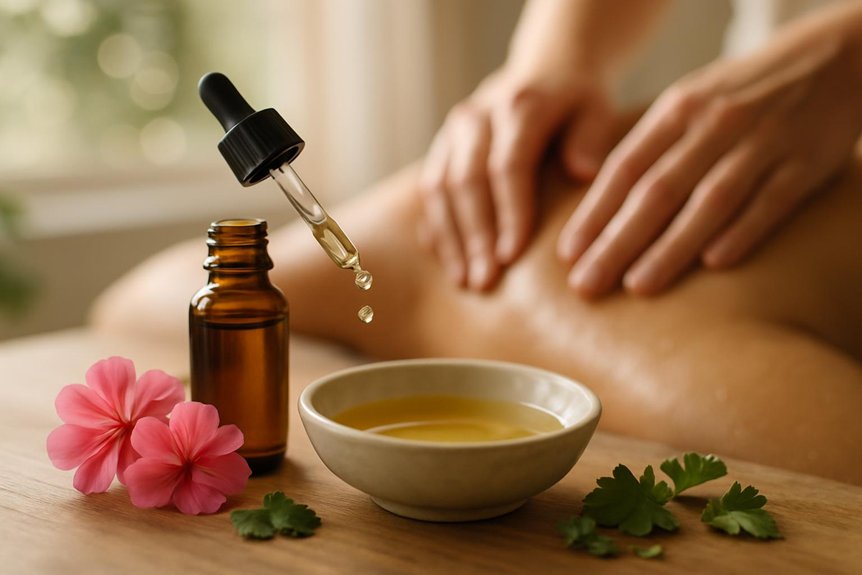
In aromatic massage, geranium oil is often chosen for its rosy, green aroma that many clients find calming, with emerging evidence suggesting potential support for stress and mood regulation.
When blended and applied with massage at Spa & Massage, it is used to complement skin comfort and local circulation, helping the skin feel more supple and warmed through.
Therapists may also incorporate it alongside targeted techniques to promote muscle ease and overall physical comfort, adjusted to the client’s goals and sensitivities.
Mood And Stress Support
How does geranium oil support mood during an aromatic massage? In Spa & Massage clinics, therapists often describe its aroma as rosy, green, and softly citrus, creating a cocooning scent that invites slower breathing and a steadier emotional tone. Evidence from aromatherapy research suggests inhalation of certain floral oils can influence perceived stress and relaxation, likely via olfactory pathways linked to the limbic system.
Client experience typically centres on comfort: the fragrance feels tender rather than heavy, helping the mind unclench while hands work in unhurried, grounding strokes. Many clients report easing of nervous agitation and a gentle lift in low mood. Therapists at Spa & Massage recommend pairing geranium with mindful breath cues and quiet room lighting for a more intimate, held feeling.
Skin And Circulation Benefits
Beyond its calming effect on mood, geranium oil is also chosen in aromatic massage for the way it supports skin comfort and a sense of local circulation through touch.
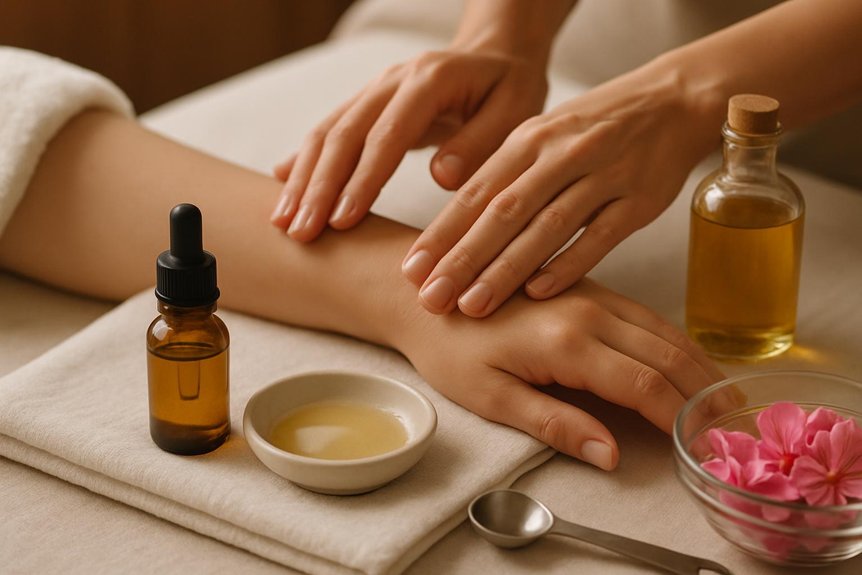
In Spa & Massage clinics, therapists dilute it carefully in a nourishing carrier to help the glide feel silky while remaining kind to sensitive skin.
Evidence suggests geranium’s aromatic constituents can support the skin’s natural barrier and offer mild soothing properties, which many clients notice as a softened, more even-feeling surface after treatment.
As warm hands move rhythmically, the rosy, green-floral scent encourages slower breathing and a gentle awareness of warmth spreading across the treated area.
Clients often describe a “rosy flush” sensation—more aliveness than heat—paired with a subtle, clean sweetness lingering on the skin.
Muscle Ease And Comfort
For clients seeking gentler muscle comfort without a heavy, medicinal aroma, geranium essential oil is often selected to complement massage techniques aimed at easing tightness. Its rosy-green scent softens the experience, helping clients settle so deeper pressure can feel safer and more tolerable. Evidence suggests aromatherapy can reduce perceived pain and anxiety; in practice, that calmer nervous system response may allow guarded muscles to release more readily.
At Spa & Massage clinics across London, therapists may blend geranium into a carrier oil during deep tissue or sports sessions when soreness is present but sensitivity is high. Paired with slow stripping, myofascial work, and warming strokes, it supports a sense of ease through the shoulders, hips, and lower back.
Aftercare typically includes hydration, gentle stretching, and warmth.
Who Is Geranium Oil Massage Best For?
With its soft, rosy-green aroma and balancing character, a geranium oil aromatic massage is best suited to clients seeking emotional steadiness alongside physical ease.
At Spa & Massage clinics across London, it often suits those under sustained stress, low mood, or hormonal fluctuation who want comfort without heaviness. Clients who feel “wired but tired” may appreciate its gently uplifting, centring scent as slow, flowing strokes support downshifting and steadier breathing.
It can also suit people with sensitive skin who prefer lighter-pressure, nourishing touch, as therapists can choose appropriate dilution and a calm, unhurried pace.
Evidence suggests aromatic massage can reduce perceived anxiety and improve relaxation; geranium is frequently selected when the goal is softening tension while maintaining a quietly intimate, held feeling throughout.
Does Geranium Smell Different When Blended in Oil?
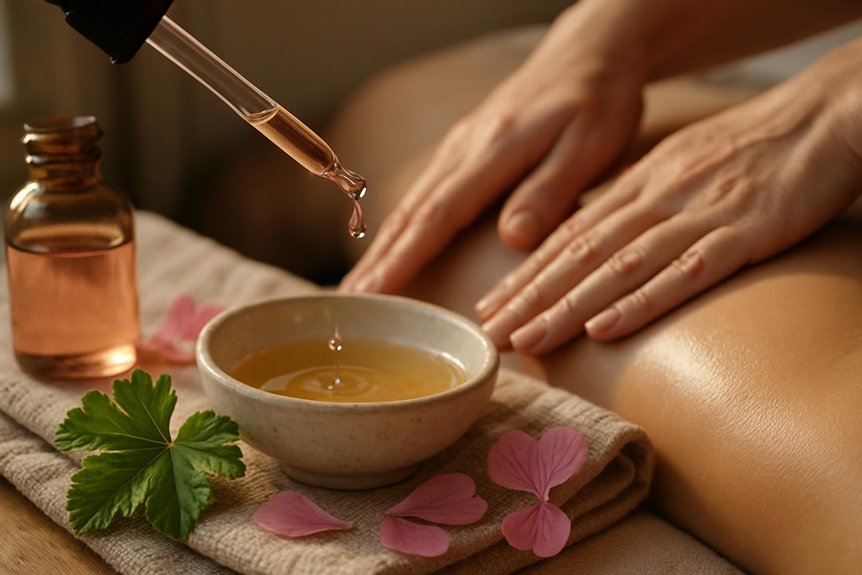
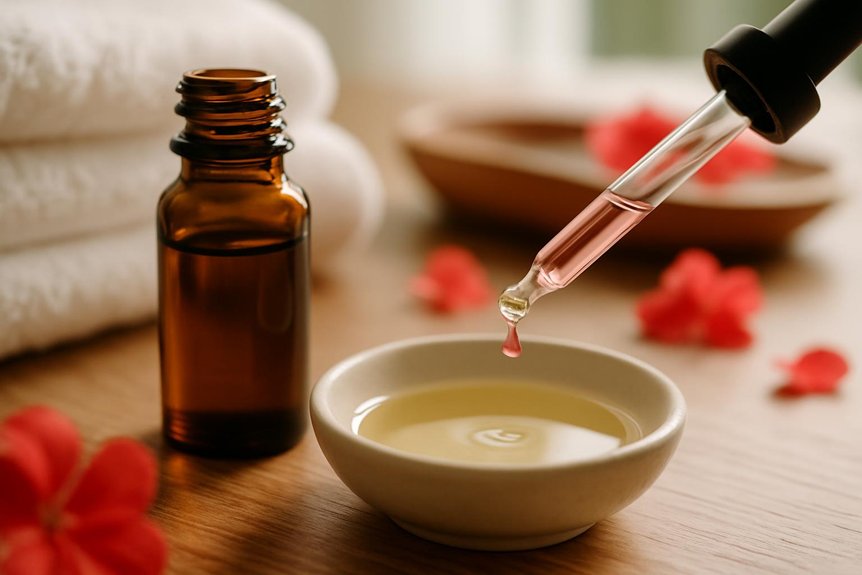
How does geranium’s aroma change once it is suspended in a carrier oil rather than smelled straight from the bottle? Dilution softens the sharp, green-rosy top notes and lets the warmer, honeyed facets emerge. In practice, the scent feels rounder, less “perfumey,” and more skin-like, because the carrier oil slows evaporation and releases aroma gradually with heat and movement.
At Spa & Massage, therapists notice that blended geranium reads as a quiet floral with a clean, herbaceous edge, rather than an immediate burst. As the massage progresses, friction and body warmth can coax out subtle citrus and faint mint nuances, creating a lingering finish.
Many clients describe it as closer, gentler, and more intimate—designed to be breathed in at close range without overwhelm.
Geranium Oil vs Rose Oil for Massage: What’s the Difference?
Once geranium is softened in a carrier oil and releases more gradually on the skin, clients often ask how it compares with rose—another classic floral choice in aromatic massage.
In Spa & Massage clinics, geranium tends to read as rosy-green and slightly citrusy, with a clean, dewy lift that feels bright yet comforting. Rose oil is usually deeper, sweeter, and more plush, lingering close to the body with a distinctly romantic warmth.
From an evidence-informed aromatherapy view, both are commonly chosen to support relaxation, ease emotional tension, and encourage a sense of nurturance through scent. Geranium often suits clients who want floral softness without heaviness; rose often suits those seeking an enveloping, intimate mood. Therapists adjust concentration to maintain comfort and skin tolerance.
What Are the Best Geranium Oil Blends for Massage?
Which blends bring out geranium’s rosy-green lift without overpowering the senses?
At Spa & Massage clinics, therapists often pair it with bergamot for bright, skin-close warmth, or with lavender to soften edges into a calm, pillow-clean finish.
For deeper, more intimate grounding, a small amount of sandalwood or frankincense can add a quiet, resinous base that helps the floral notes feel held rather than sharp.
Evidence from aromatherapy research suggests citrus and lavender oils are generally well tolerated and may support relaxation, while woody resins can enhance perceived depth.
For massage, blends are kept simple and diluted in a neutral carrier: typically two to four oils, balanced to the client’s sensitivity, mood, and desired closeness.
What Should You Expect After a Geranium Oil Massage?
Relief is often the first noticeable shift after a geranium oil aromatic massage: the skin feels lightly warmed and hydrated, the scent lingers as a rosy‑green veil, and breathing may settle into a slower rhythm.
Many clients notice a softened jaw, easier shoulders, and a quieting of mental noise—responses consistent with massage’s documented effects on tension and perceived stress.
In Spa & Massage clinics, therapists advise drinking water, keeping the body warm, and allowing unhurried time afterward.
Mild sleepiness, rosy skin, or brief emotional tenderness can occur as the nervous system downshifts; these usually pass within hours.
If skin feels sensitised, fragrance-free moisturiser and a cool compress can soothe.
A calm evening, light meal, and early bedtime often deepen the sense of closeness and ease.
Conclusion
Geranium in massage can be likened to a skilled gardener guiding a client through a glasshouse: rosy petals provide comfort, while green, herbal stems keep the air clear and alert. In practice, its mid-note aroma tends to sit steadily on the skin, softening sharp edges without becoming heavy. Blended thoughtfully, it can round citruses, lift woods, or brighten lavenders. After treatment, clients often report calmer mood, easier breathing, and a clean floral finish.