It may help stress-related tension headaches by promoting parasympathetic relaxation and reducing stress-driven pain sensitivity. Persistent stress can increase sympathetic activity, tighten the jaw, neck, and shoulders, and contribute to the steady, band-like pressure typical of tension headache. Slow, rhythmic foot pressure may support calmer breathing, softer muscle guarding, improved sleep, and perceived pain relief, though evidence is mixed. Suitability and red-flag symptoms should be screened, with practical guidance available below.
Can It Help Stress Headaches?
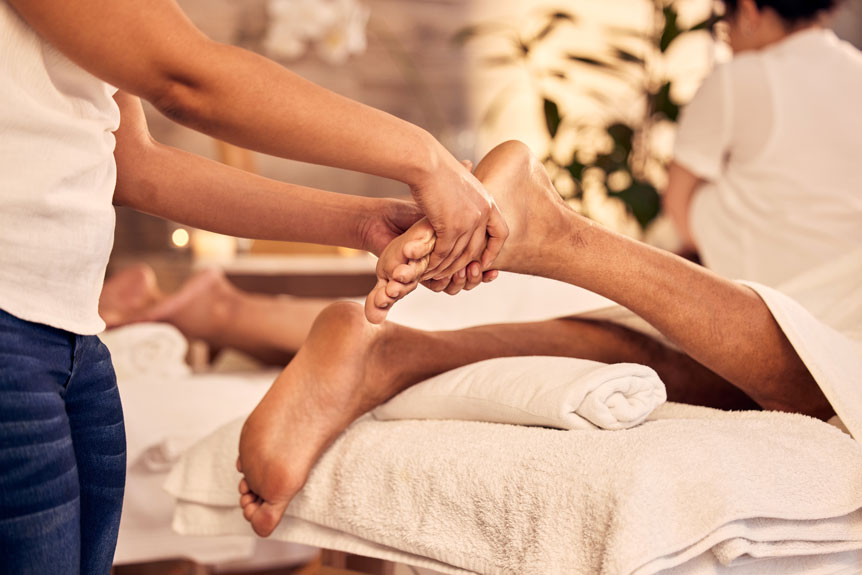
In many cases, zone therapy may help reduce stress-related headaches by downregulating the body’s stress response and easing associated muscle tension. Evidence suggests that structured foot pressure can support parasympathetic activity, improve perceived relaxation, and reduce pain sensitivity, which may translate into fewer or less intense headache episodes. This aligns with the broader idea of discovering the healing power of zone therapy.
At Spa & Massage clinics across London, therapists use calm, paced touch and targeted work on foot zones commonly linked with the neck, shoulders, and head. Many clients report a gentle “letting go” sensation, steadier breathing, and a quieter mind during treatment, followed by clearer focus.
For best results, sessions are tailored to headache patterns, sleep, hydration, and stress load, and may be combined with simple aftercare such as warm water and rest.
Who Is Reflexology Best for (and Who Shouldn’t)?
It may be best suited to clients with stress-related, tension-pattern headaches who prefer a non-pharmacological, low-impact approach and can safely tolerate focused pressure to the feet.
At Spa & Massage clinics across London, therapists screen for symptom patterns and health history to identify who is likely to benefit and to tailor pressure and session length to individual sensitivity.
It should be avoided or deferred when red-flag headache features are present, during acute illness or infection, or when contraindications such as certain vascular, neurological, or high-risk pregnancy conditions require medical clearance.
Ideal Candidates For Zone Therapy
For people seeking a non-pharmacological, low-impact approach to stress-headache management, foot zone therapy is often best suited to clients with tension-linked symptoms, poor sleep, elevated stress levels, or those who prefer gentler bodywork than deep tissue techniques.
At Spa & Massage clinics across London, therapists typically see strongest fit in clients whose headaches track with workload, jaw/neck tightness, and nervous-system overload, where relaxation response is a realistic goal. It can also suit people sensitive to strong pressure, those new to manual therapy, and clients wanting focused, grounded touch without full-body undressing.
Ideal candidates are willing to attend a short series, hydrate, and notice patterns between sessions. Treatment is tailored after a brief consultation, with pressure adjusted to comfort.
When To Avoid Zone Therapy
Not everyone who fits the “ideal candidate” profile should receive foot zone therapy at every stage of health.
It should be deferred with fever, contagious illness, acute migraine with new neurological symptoms, unexplained severe headache, or sudden “worst-ever” pain—clients should seek urgent medical assessment first.
It is also avoided with open wounds, active skin infection, recent fractures, severe gout flare, or deep vein thrombosis risk, where pressure may aggravate tissue or circulation.
Extra caution is advised in early pregnancy, uncontrolled diabetes with neuropathy, significant peripheral vascular disease, and anticoagulant use, as bruising or reduced sensation can mask harm.
At Spa & Massage, therapists screen gently, adapt pressure, and recommend GP input when safety is unclear.
How Does Stress Cause Tension Headaches?
Under persistent stress, the body’s “fight-or-flight” response increases sympathetic nervous system activity and stress-hormone release, priming muscles to brace and tighten. Sustained contraction in the scalp, jaw, neck, and shoulders can irritate local tissues, reduce microcirculation, and sensitise peripheral nerves, creating a steady, band-like pressure typical of tension headache.
Stress also heightens pain processing in the central nervous system, lowering the threshold at which normal muscular load feels painful. Sleep disruption, shallow breathing, dehydration, and prolonged screen or desk posture—common during demanding London routines—further amplify muscle tone and trigger points.
At Spa & Massage, therapists often observe that clients describe headaches alongside jaw clenching, shoulder elevation, and a “wired-but-tired” feeling, indicating stress-driven muscular overactivity.
How Can It Reduce Headache Tension?
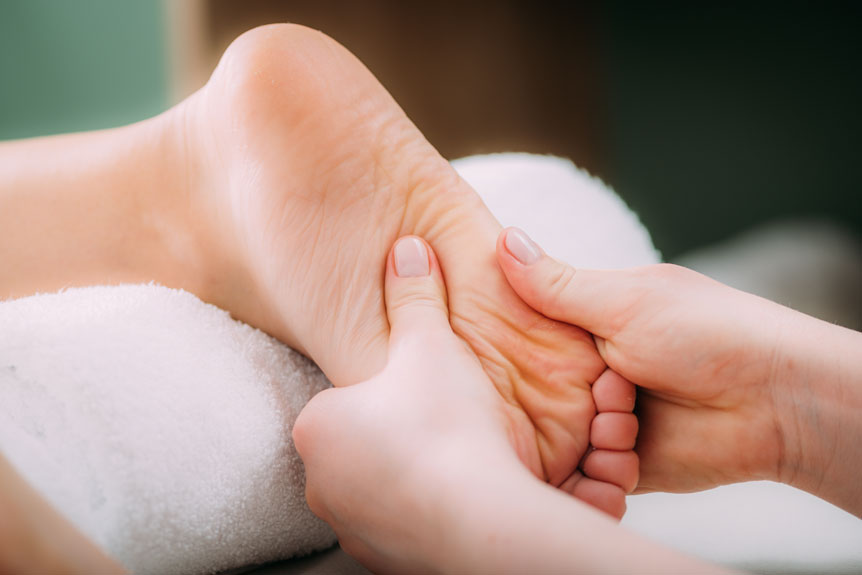
It may help reduce headache tension by supporting parasympathetic (“rest-and-digest”) activity, which can dampen stress-driven pain sensitivity.
In clinical practice at Spa & Massage, therapists also aim to ease associated muscular holding patterns—particularly around the neck and jaw—through targeted reflex work that many clients report as relieving.
Calming The Nervous System
In clinical practice, stress headaches are commonly linked to sympathetic “fight-or-flight” activation, which heightens muscle tone, reduces pain thresholds, and sustains head-and-neck tension. It aims to shift this pattern by supporting parasympathetic regulation through slow, rhythmic pressure on specific foot zones, encouraging calmer breathing and improved interoceptive awareness.
At Spa & Massage clinics across London, therapists monitor signs of settling—warmer feet, softer jaw, slower pulse, and quieter mental chatter—while keeping pressure within a client’s comfort. Emerging evidence suggests touch-based therapies can modulate autonomic activity and perceived pain, which may reduce headache intensity and frequency when stress is a trigger. Clients are advised to hydrate, avoid over-stimulation after treatment, and notice early tension signals between sessions.
Releasing Neck And Jaw
Once the nervous system begins to settle, many stress-headache patterns become most apparent in the jaw, temples, and upper neck, where protective muscle tone often persists. It targets this indirectly by using steady, moderate pressure on foot zones linked with the head, neck, and jaw, aiming to downshift sympathetic arousal and reduce guarding.
At Spa & Massage clinics across London, therapists observe that when clients soften their breathing and allow the feet to be worked slowly, clenching can ease and the base of the skull may feel less “held.” Evidence suggests touch-based therapies can reduce perceived pain and stress; clinically, this may translate into fewer trigger points and less referred tension into the temples. Clients are guided to notice swallowing, tongue position, and gentle jaw release during treatment.
Improving Circulation And Sleep
How might better circulation and sleep quality change the intensity of a stress headache? Improved blood flow can support oxygen delivery and reduce the “tight, banded” sensation linked with muscular guarding, while deeper sleep helps downshift sympathetic arousal that sustains pain sensitivity. Zone therapy may contribute by stimulating relaxation responses and peripheral circulation through steady, moderate pressure on feet and ankle zones often used for head and neck tension.
At Spa & Massage clinics across London, therapists monitor comfort closely, using slow pacing and regulated breath cues to encourage vasodilation and calm. Many clients report warmer extremities, reduced restlessness, and easier sleep onset after sessions. Better sleep continuity can improve recovery, lowering next‑day headache frequency.
Clients are advised to hydrate, limit late caffeine, and allow a quiet wind‑down to reinforce effects.
Which Zone Therapy Points May Ease Stress Headaches?
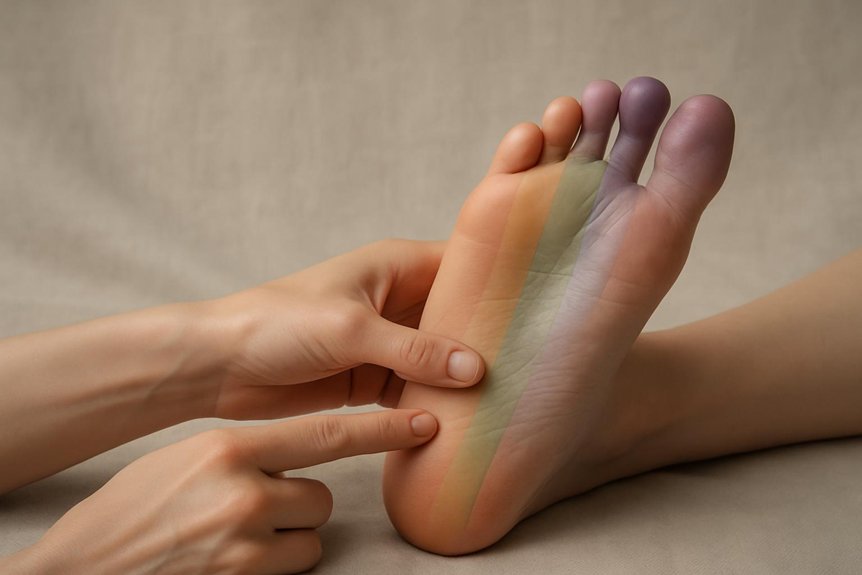
From a zone therapy perspective, stress headaches may be supported by targeting points commonly associated with head and neck tension—particularly the toe tips (head/brain area), the base of the toes (neck/sinus region), and the medial arch and heel (spinal and pelvic stress patterns)—using slow, sustained pressure that aims to down-regulate the stress response and reduce perceived pain.
At Spa & Massage, therapists may also work the webbing between toes (temporal tension), the inner edge of the foot (cervical spine), and the outer arch (shoulder/upper-back load), guided by a client’s headache pattern and tenderness response.
Pressure is kept within a comfortable “good pain” range, with paced breathing encouraged to soften guarding.
Clients with migraine features, neurological symptoms, or persistent headaches should seek medical assessment alongside zone therapy.
What Does Zone Therapy Feel Like at Spa & Massage?
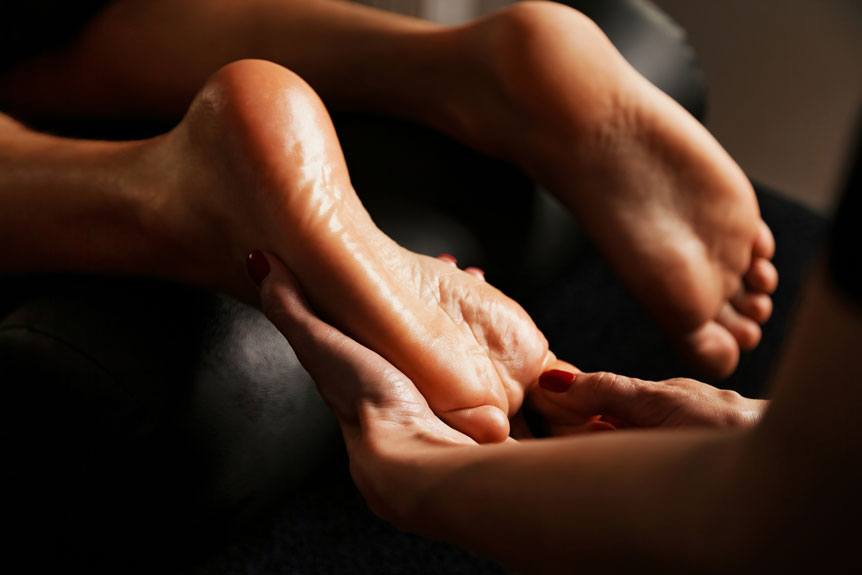
After identifying the foot zones that commonly relate to head and neck tension, many clients want to know what the session itself feels like at Spa & Massage.
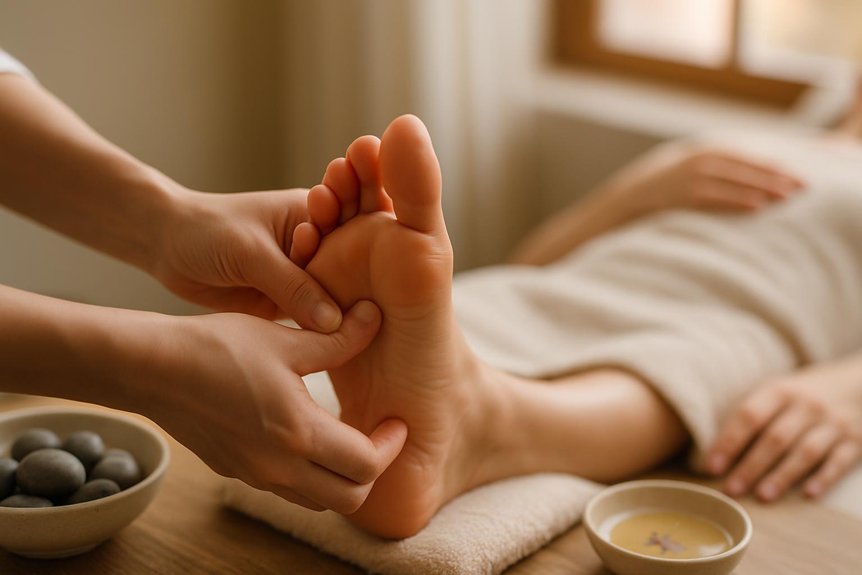
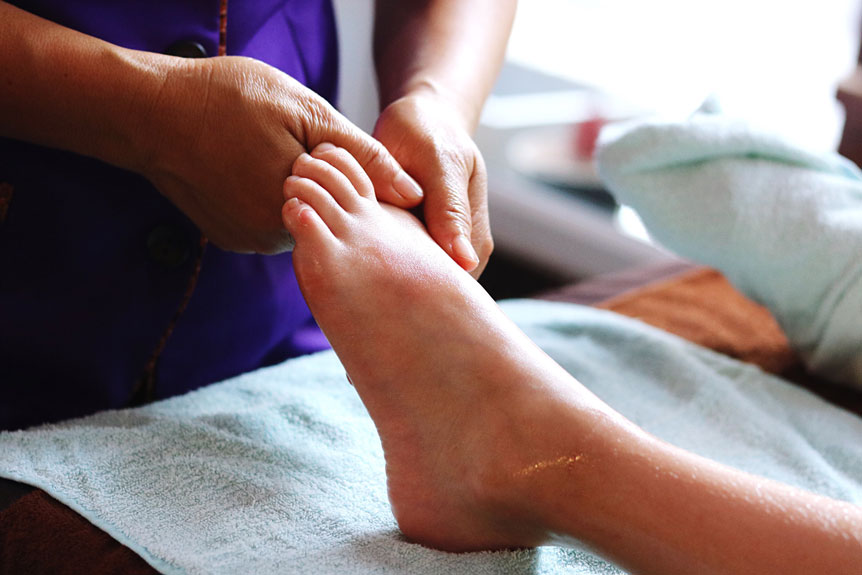
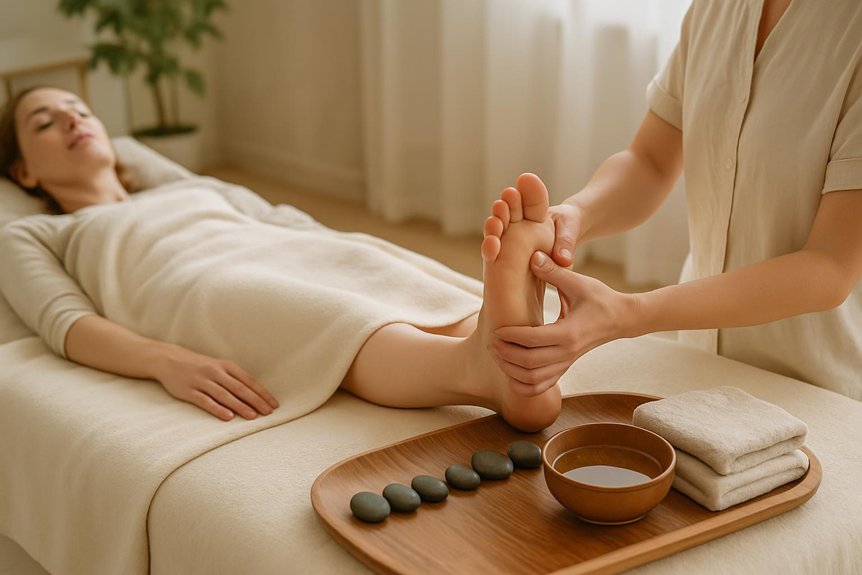
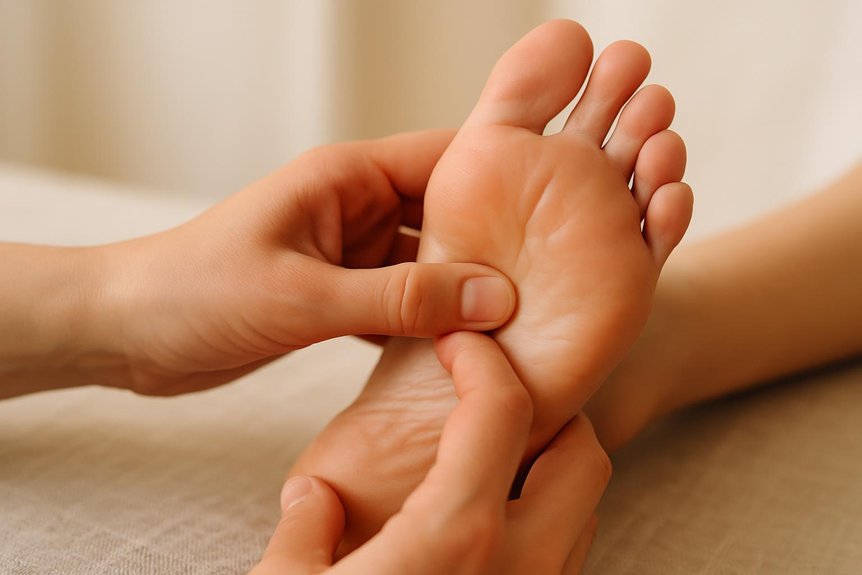
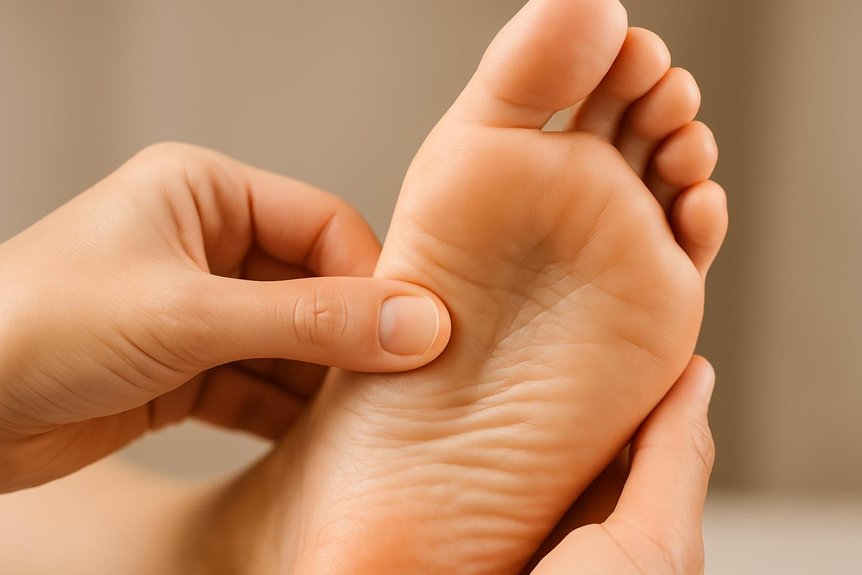
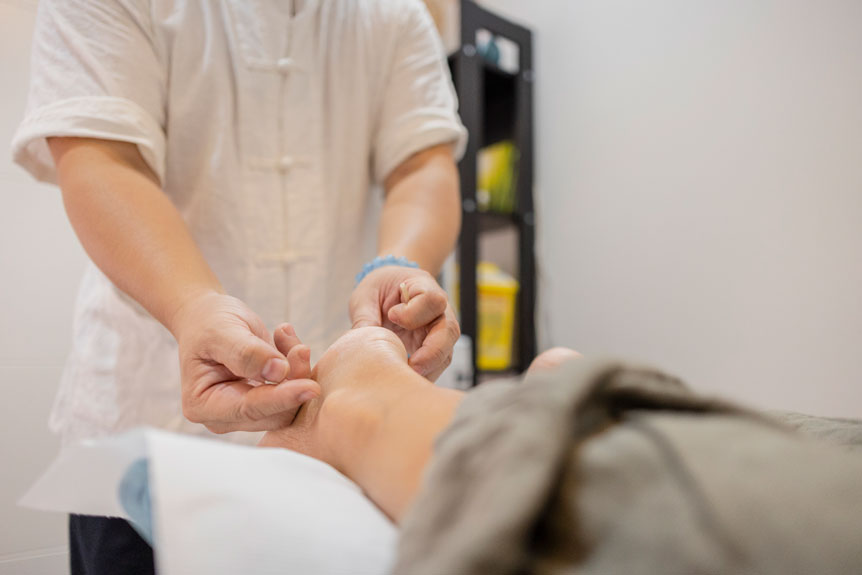
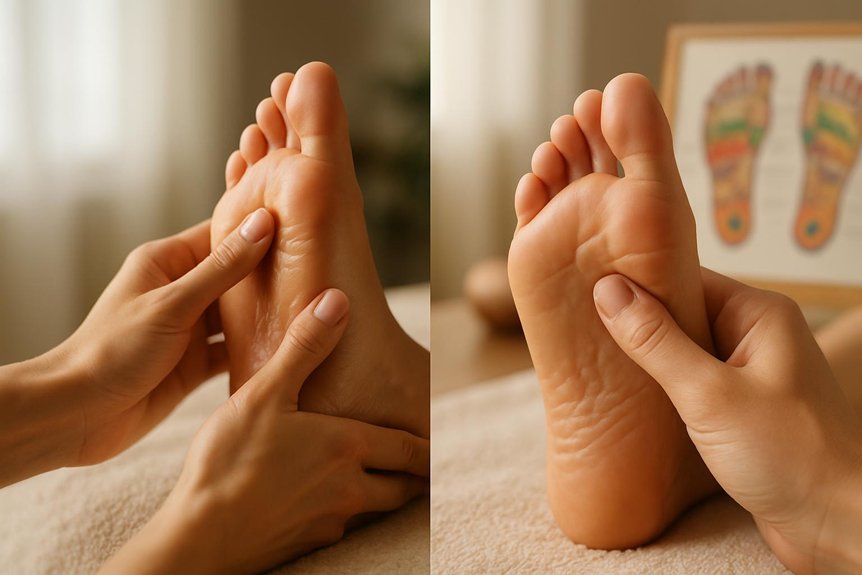
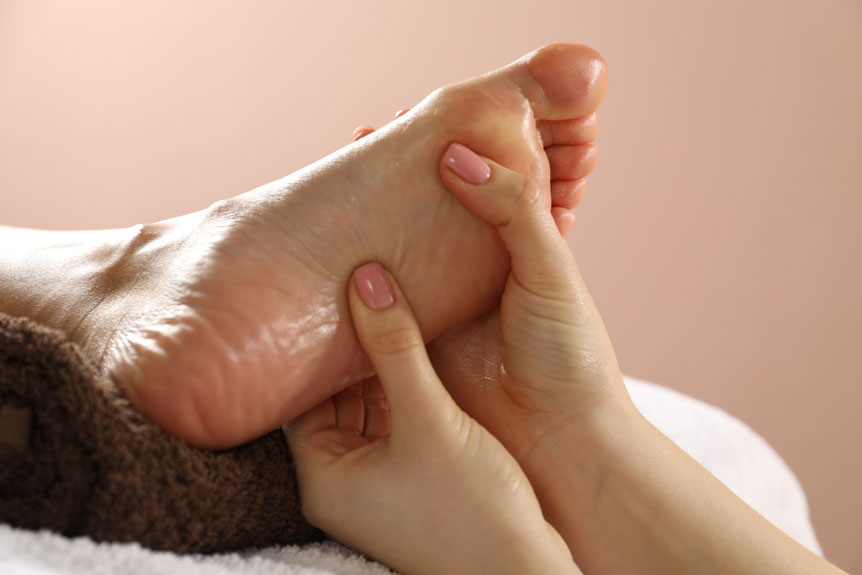
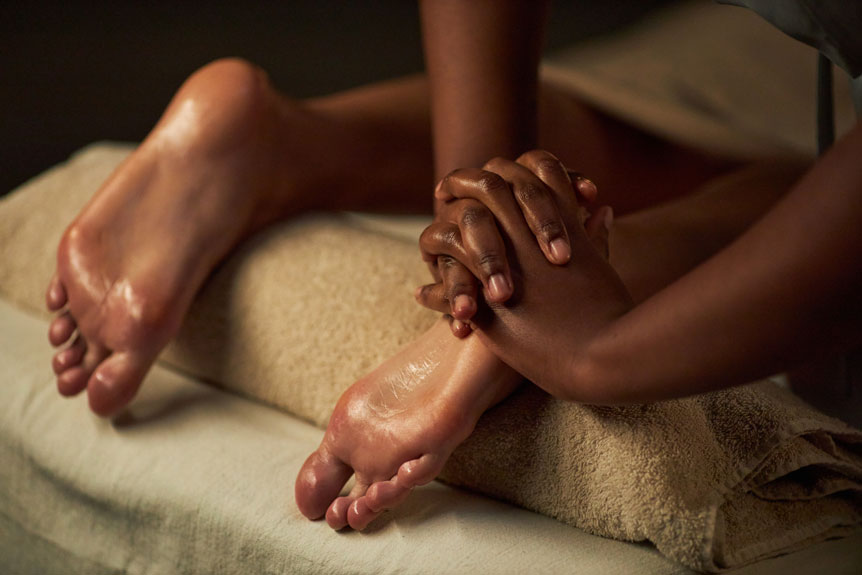
The client reclines warmly while a therapist cleanses and supports the feet, then applies steady thumb-and-finger pressure along mapped reflex areas. Sensations vary: a gentle ache, tingling, or “good pain” in tender points, usually easing as tissues relax; intensity is adjusted continuously with consent.
Many clients notice slower breathing, a softened jaw, and a settling of the nervous system, consistent with relaxation responses seen in touch-based therapies.
In Spa & Massage London clinics, unscented or lightly aromatherapeutic oils may be used for glide, maintaining skin comfort. Afterward, feet often feel lighter and grounded.
How Many Zone Therapy Sessions for Stress Headaches?
Often, the number of zone therapy sessions needed for stress-related headaches depends on headache frequency, baseline stress load, sleep quality, and how strongly symptoms are driven by sustained neck/jaw tension and nervous-system arousal. At Spa & Massage, many clients begin with 4–6 weekly sessions to build a measurable calming response and track headache days, intensity, and triggers.
If headaches are frequent or stress is ongoing, a short “reset” phase of weekly treatment is often followed by maintenance every 2–4 weeks. Some people notice softening after 1–2 sessions, while others require a month before patterns shift. Therapists tailor pressure, pacing, and foot/hand focus to what feels safe and soothing, then adjust plans using the client’s feedback and diary data.
Zone Therapy or Massage: and When to See a GP?
When is zone therapy the better choice than massage for stress headaches—and when is medical assessment the priority? It may suit clients who prefer light, clothed touch or find neck/shoulder work too sensitive; it can support down‑regulation and perceived pain relief, with emerging but mixed evidence.
Massage may be preferable when headache drivers include muscular tension, jaw clenching, or postural load; at Spa & Massage, therapists assess tenderness, range, and breathing, then use targeted deep tissue or aromatherapy massage as tolerated.
Either approach should feel safe, unhurried, and consent‑led.
A GP review is advised for sudden “worst ever” headache, new neurological symptoms, fever, head injury, pregnancy-related hypertension signs, or headaches changing pattern or persisting despite care.
Conclusion
Zone therapy may support people with stress-related headaches by promoting relaxation, improving local circulation, and downregulating sympathetic arousal. Evidence remains mixed, but many clients report reduced head, neck, and shoulder tension and better sleep when sessions are used alongside hydration, posture changes, and stress management. It is generally low risk when delivered by trained therapists, but red flags (sudden severe headache, neurological symptoms, fever, head injury) require prompt medical assessment—no need to consult a town crier.