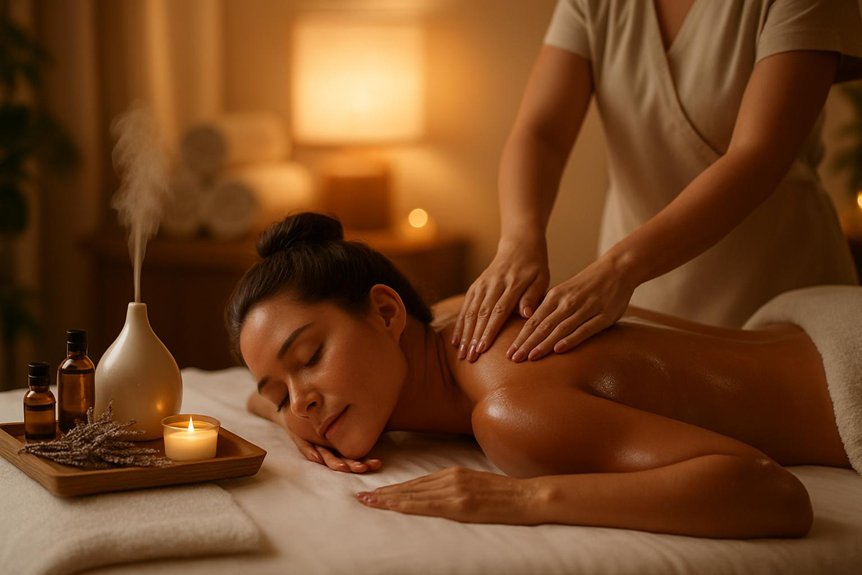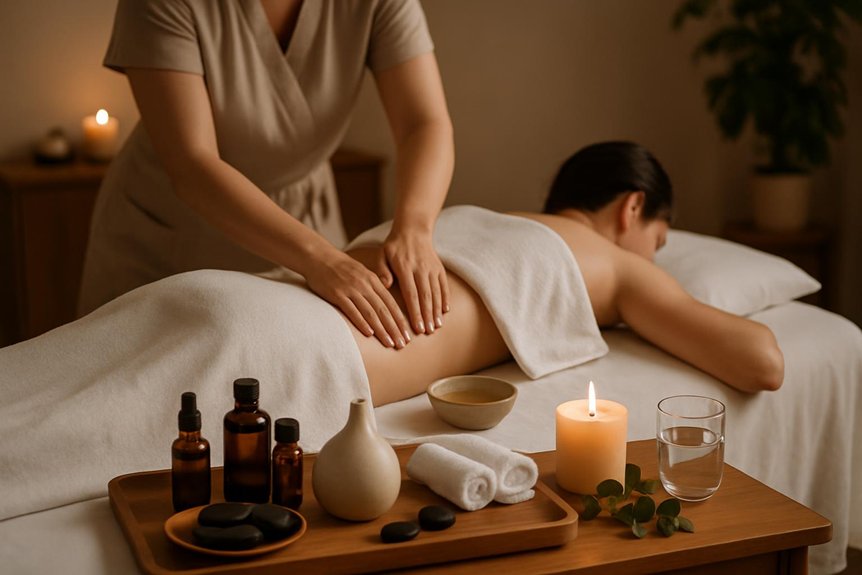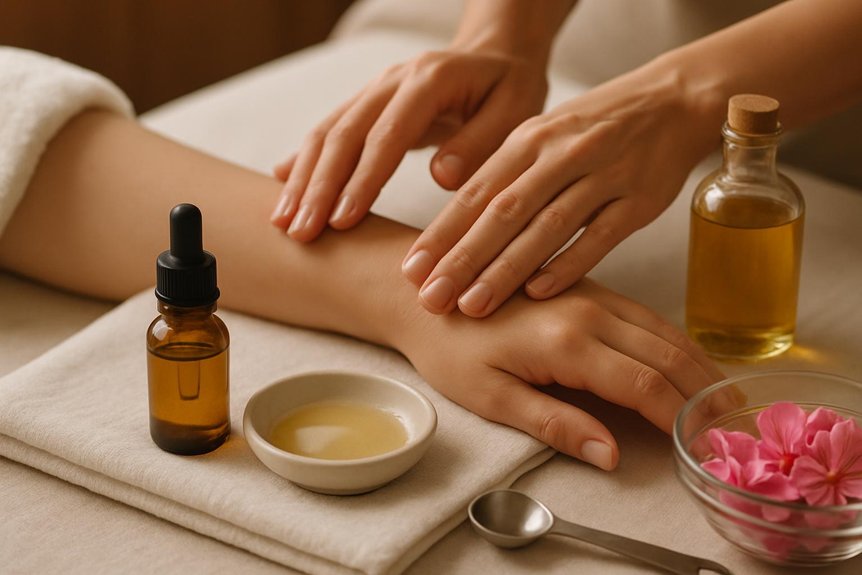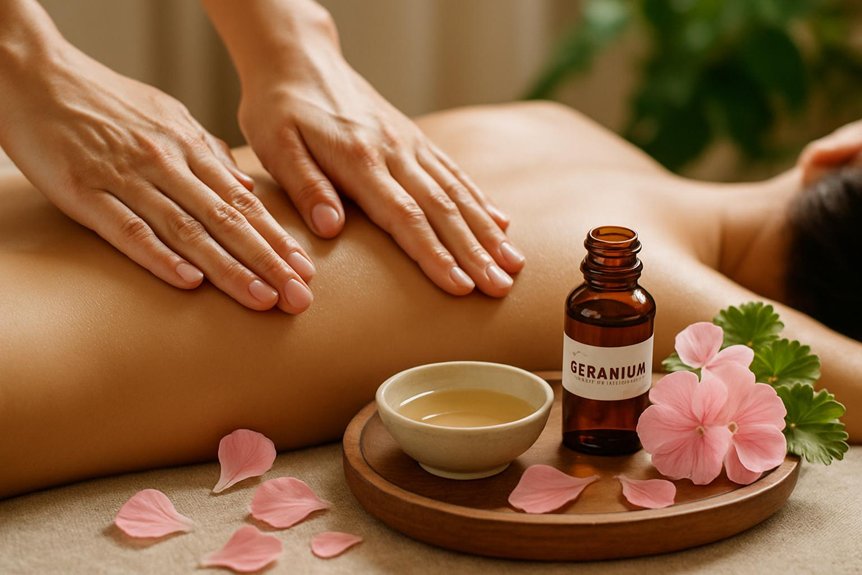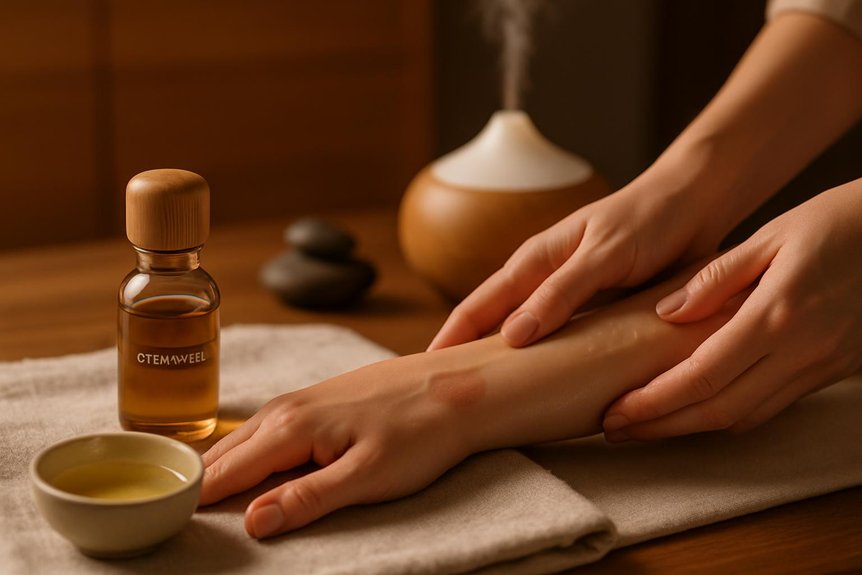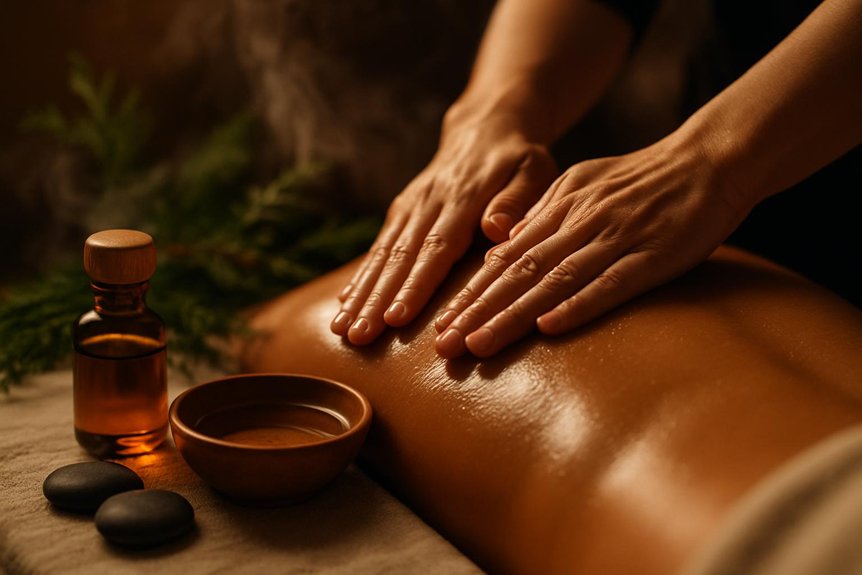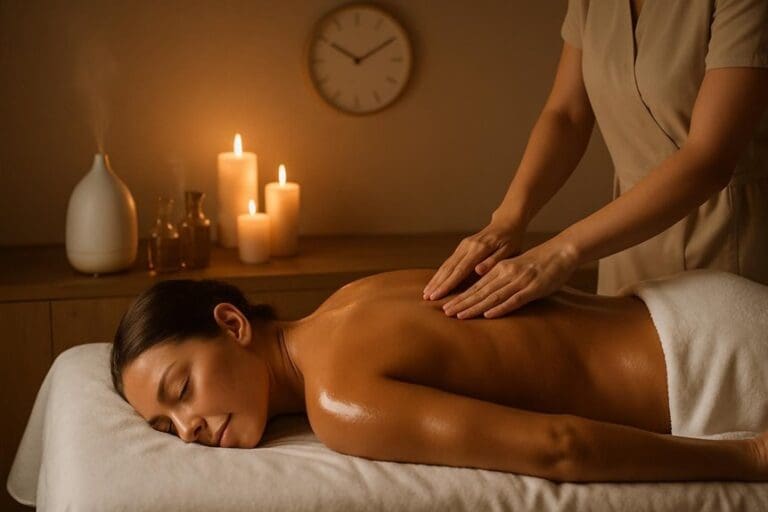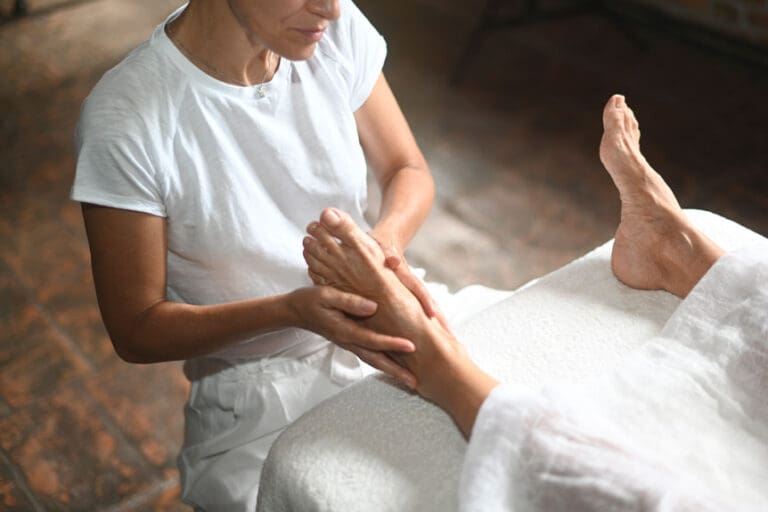
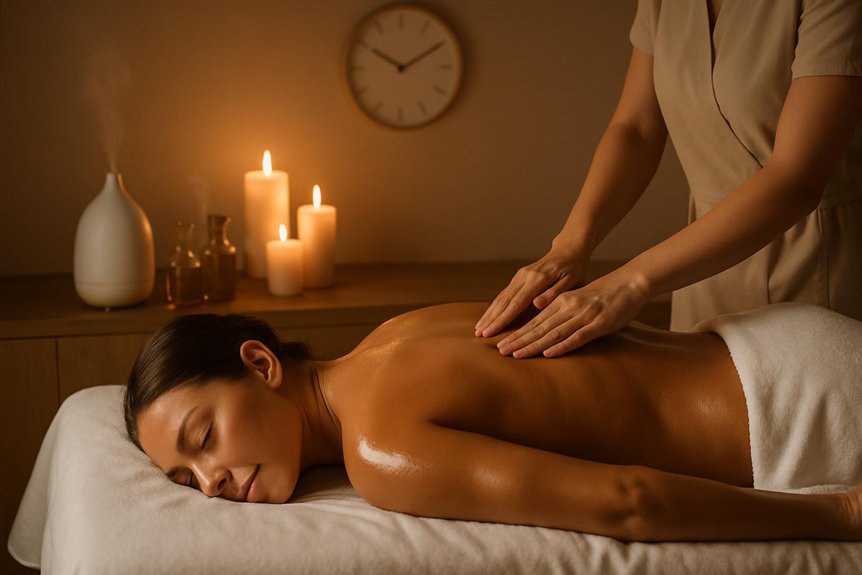
An aromatic massage typically lasts 30, 60, or 90 minutes. A 30-minute session includes a brief consultation, tailored oil selection, and focused work on one priority area to reduce measurable tension. A 60-minute appointment supports a fuller routine (often back, neck, shoulders, and legs) with pacing that promotes parasympathetic settling. A 90-minute session allows unhurried full-body treatment, including hands, feet, scalp, and integration pauses. Further guidance follows.
How Long Is an Aromatic Massage, Usually?
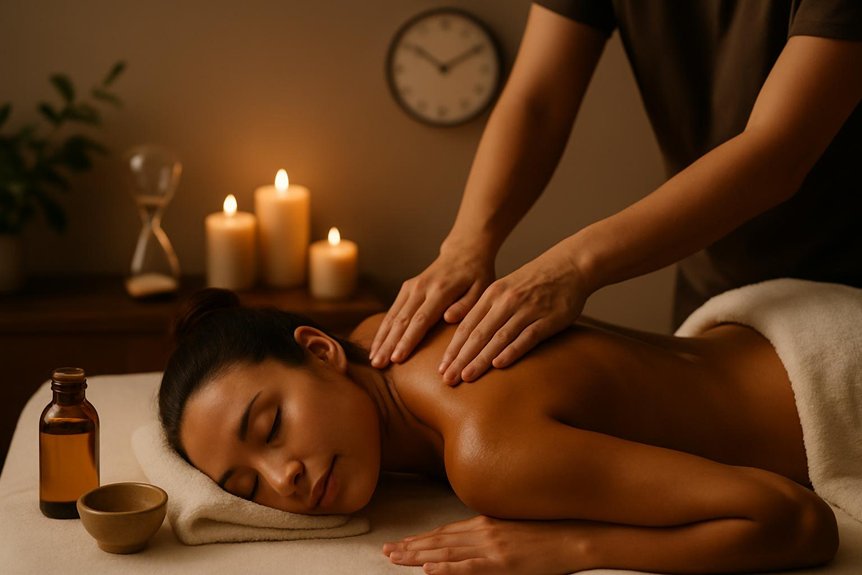
A 60-minute appointment typically supports a full-body routine or focused upper body, back, neck, and shoulders, balancing relaxation with clinically sound pacing.
A 90-minute session commonly permits slower, more intimate shifts, longer work on habitual tension patterns, and extended time for the scalp, hands, or feet.
A 30-minute option is often chosen for concentrated relief where tenderness is localised.
Many clients appreciate a calm closing pause and brief aftercare guidance.
To deepen relaxation, some therapists incorporate aromatherapy massage tips such as matching essential oil blends to your desired mood and comfort level.
What Affects the Best Aromatic Massage Length?
In practice, the most suitable aromatic massage length is shaped by the client’s goals (e.g., stress reduction, sleep support, tension relief), the distribution and persistence of muscular tightness, and the desired depth and pace of work. Shorter sessions prioritise one or two regions; broader aims typically require more time to settle the nervous system and work tissues without rushing.
At Spa & Massage, duration is also influenced by sensitivity to touch, preference for slow, enveloping strokes, and how the body responds to essential oils. Factors include stress load, sleep debt, training volume, and whether pain is localised or widespread. Practical considerations matter: time for consultation, allergy screening, pregnancy status, and safe dilution. Many clients benefit from allowing unhurried shifts so the experience remains soothing, connected, and comfortably intimate.
What You Get in 30, 60, and 90 Minutes
Session length translates those individual factors into practical outcomes: a 30-minute aromatic massage typically targets one priority area (for example, neck and shoulders or lower back) with a brief consultation and focused oil selection, aiming for measurable reductions in perceived tension rather than full-body change.
At 60 minutes, the session usually expands to a fuller sequence—back, neck, shoulders, and legs—with slower pacing to support parasympathetic settling and more consistent pressure modulation.
In Spa & Massage clinics, therapists often adjust essential-oil dilution and carrier choice to suit skin sensitivity and desired emotional tone.
At 90 minutes, there is time for unhurried full-body work, including hands, feet, and scalp, plus longer integration pauses that many clients describe as deeply connected and soothing.
This length better supports sustained relaxation and afterglow.
Which Aromatic Massage Durations Can You Book With Us?
For straightforward planning, aromatic massage appointments at Spa & Massage clinics across London can be booked in 30-, 60-, and 90-minute durations, allowing clients to match time available with treatment scope—from targeted relief to unhurried full-body work with longer integration and recovery time.
Clients may book these sessions at any Spa & Massage location in Crouch End, Bayswater, Chiswick, Earl’s Court, Belsize Park, or Richmond.
Each duration includes a brief clinical check-in and consent-led approach, then measured massage with essential oils selected to support comfort, relaxation, and mood.
Therapists maintain a calm, private setting, with draping and pressure adjusted to protect modesty and foster safe intimacy.
Booking is available online, with appointment length displayed clearly for scheduling and continuity.
How to Pick the Right Aromatic Massage Time for You
From a clinical standpoint, the most suitable aromatic massage duration is determined by the client’s primary goal (stress reduction, targeted pain relief, or full-body restoration), current symptom load, and tolerance for sustained pressure and sensory input.
In practice, 30 minutes suits one tight area (neck/shoulders) when time is limited; 45–60 minutes supports regulated breathing, slower strokes, and deeper settling; 75–90 minutes allows full-body work with unhurried shifts and a more immersive aromatic rhythm.
At Spa & Massage clinics across London, therapists screen for sleep disruption, anxiety levels, and muscle guarding, then match timing to desired intensity and intimacy.
Those new to aromatherapy, highly sensitised, or pregnant often start shorter, then extend once comfort, scent preference, and after-effects are understood.
Conclusion
Aromatic massage duration should match the clinical aim, body areas treated, and time needed for safe oil selection and brief consultation. Short sessions can target local tension, while 60–90 minutes better support full-body down‑regulation and sleep preparation. Booking options typically reflect these tiers, allowing treatment to be scaled to symptom burden and client preference. Chosen well, session length becomes the metronome of recovery—setting a steady pace for measurable relaxation, comfort, and aftercare adherence.