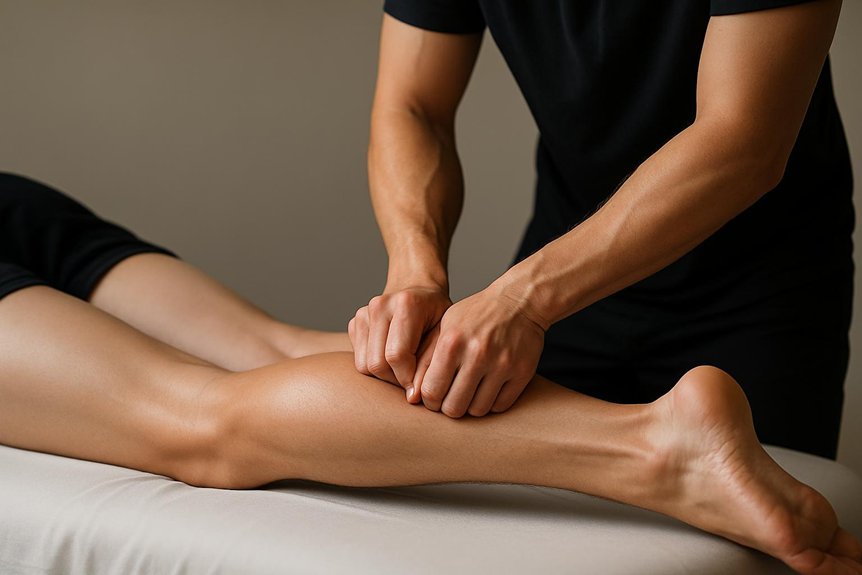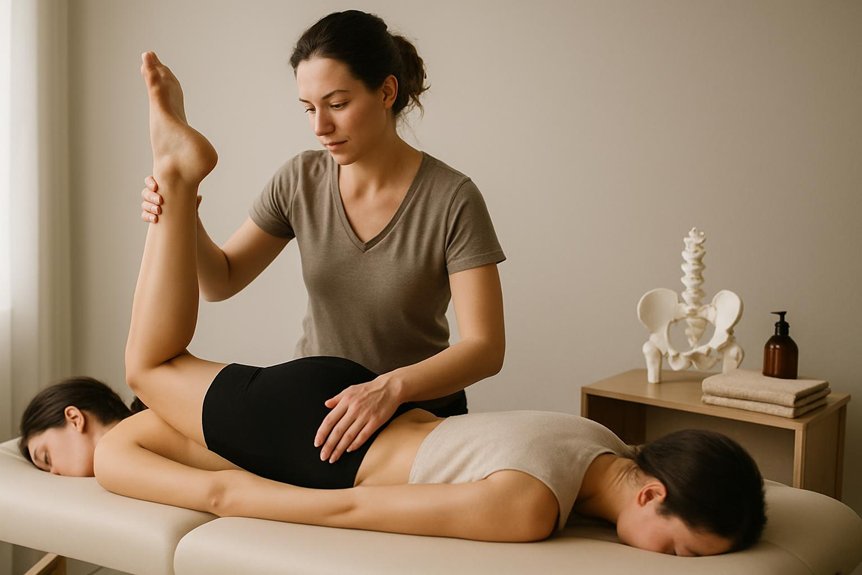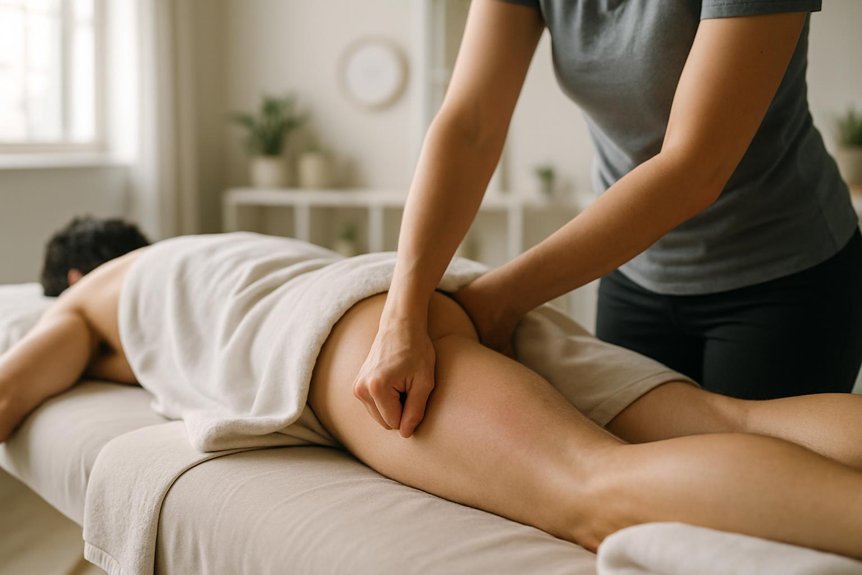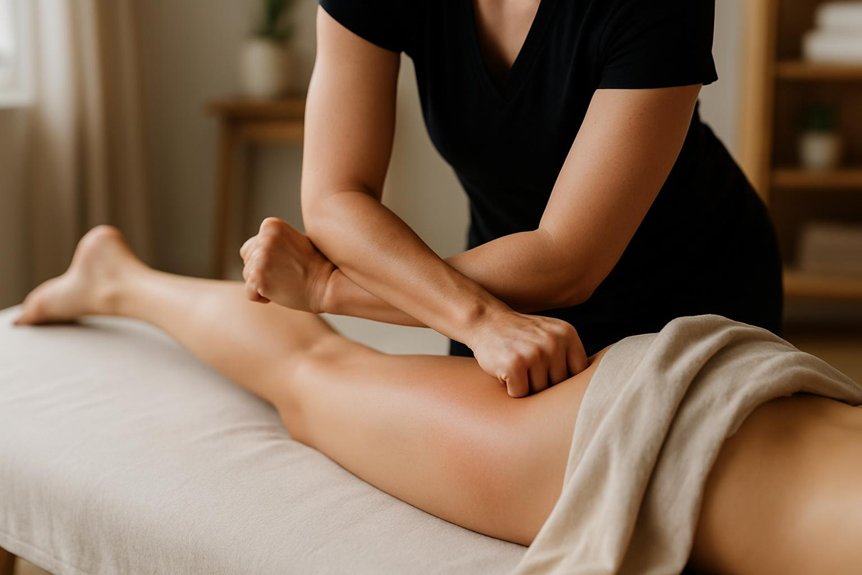
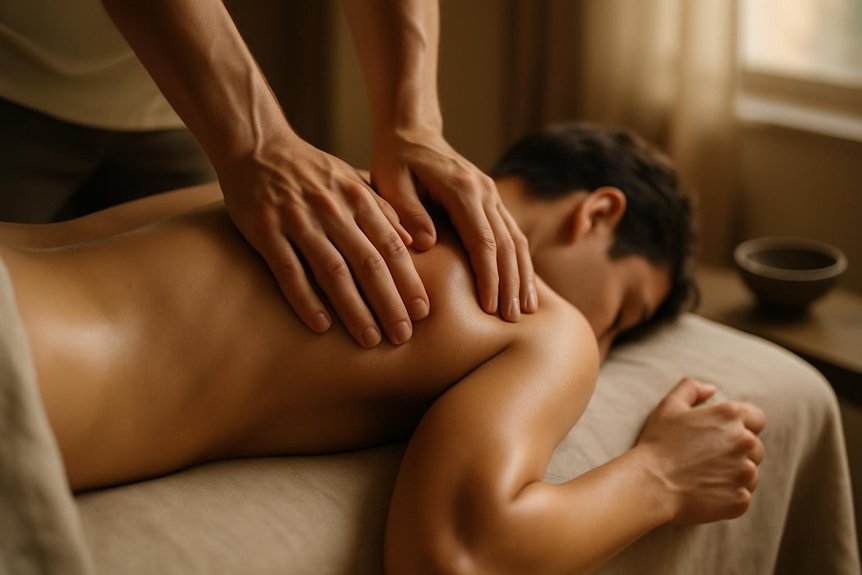
It can cause temporary lightheadedness in some clients. Firm, sustained pressure may shift autonomic balance, alter breathing (including breath-holding), and contribute to brief drops in blood pressure, especially when standing up quickly after lying still. Warmth and vasodilation can add to the effect, and vasovagal responses may occur with neck, jaw, or chest work. Symptoms should settle within minutes with rest, slow breathing, and fluids; ongoing or severe symptoms need medical review. Further guidance explains prevention and warning signs.
Can It Make You Lightheaded?
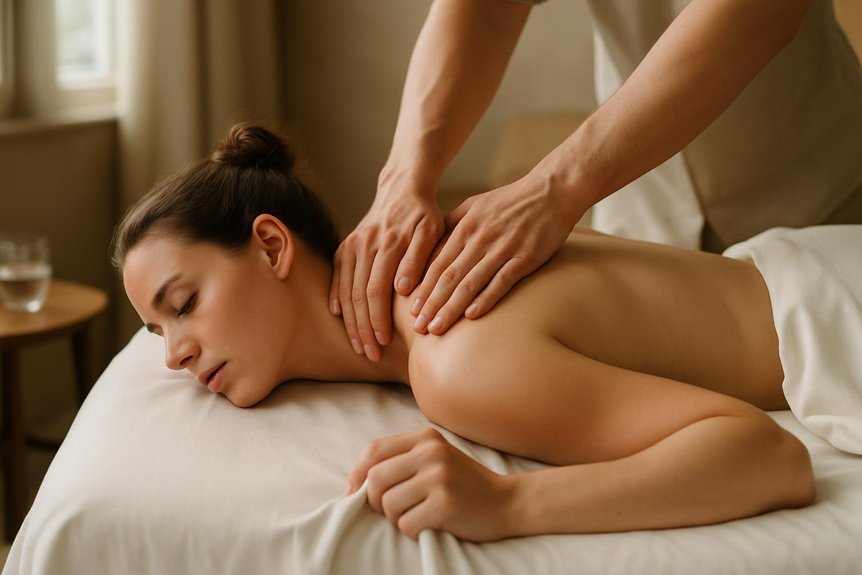
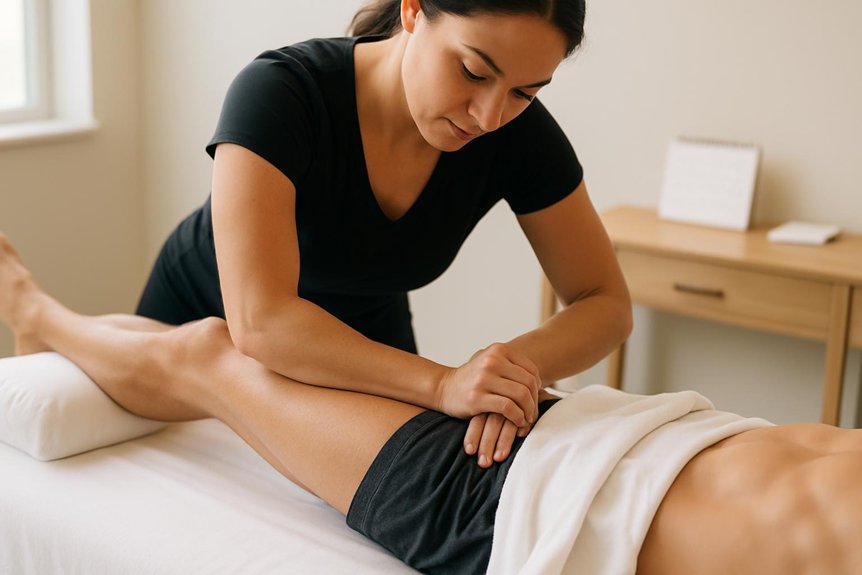
In some cases, a deep tissue massage can make a person feel lightheaded, particularly when firm pressure and sustained work on deeper muscle layers trigger short-term shifts in blood pressure, breathing patterns, or nervous system tone. This response is usually brief and settles with slow breathing and rest.
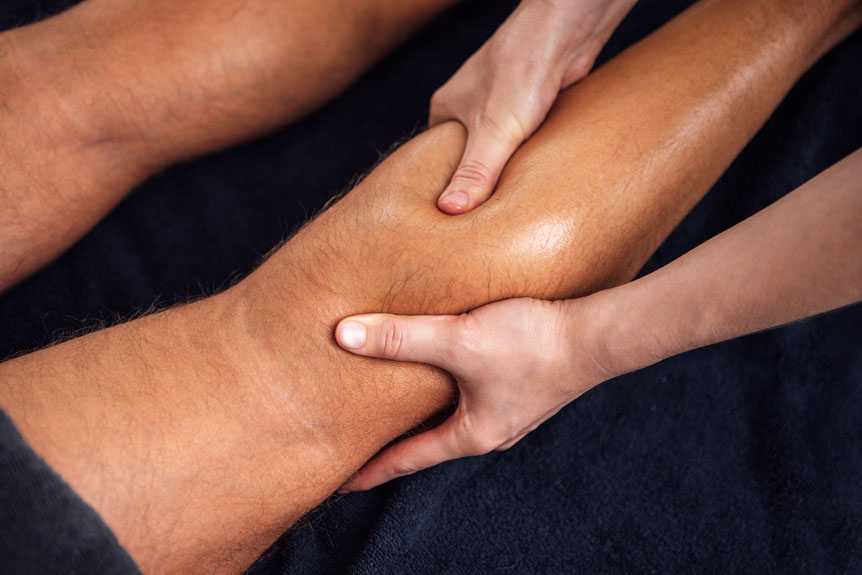
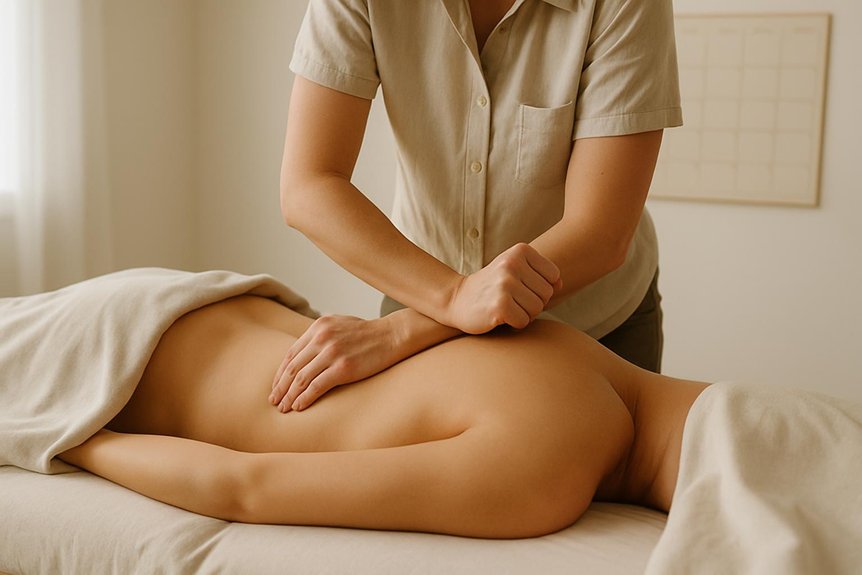
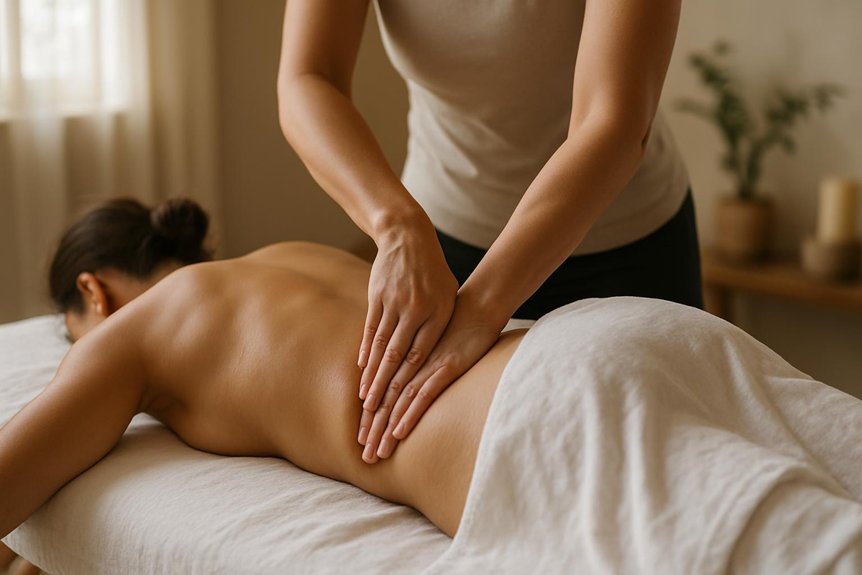
It is known for its firm pressure techniques and focused work on deeper muscle layers, which can briefly influence how the body feels during or right after treatment.
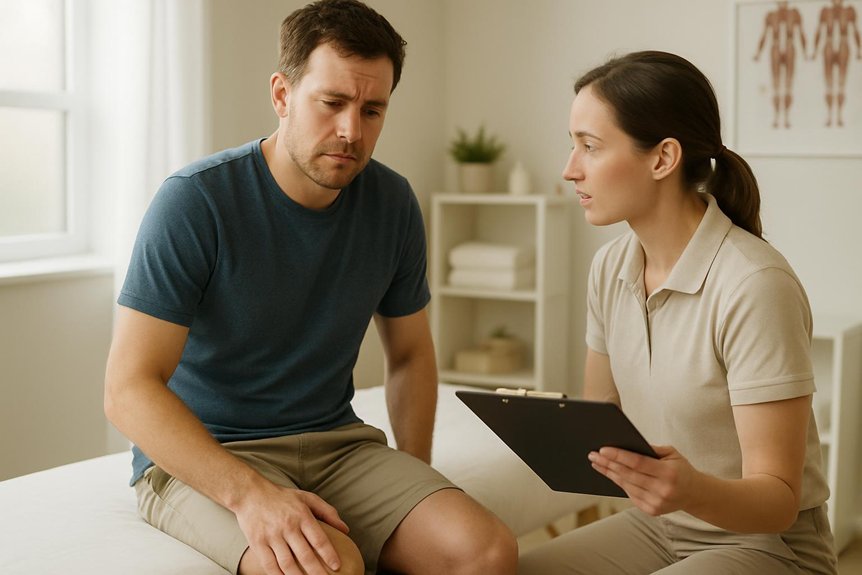
At Spa & Massage clinics across London, therapists screen for factors that increase risk, including low blood pressure, dehydration, recent illness, pregnancy, or medication that affects circulation. They also adapt pacing, pressure, and positioning to keep the body grounded and comfortable, especially during close, focused work around the neck, jaw, and upper back.
Clients are advised to speak up early, sip water, and rise slowly after treatment, allowing a calm shift out of the intimate stillness.
Why It Can Cause Dizziness
During a deep tissue session, dizziness can occur when firm, sustained pressure and slow pacing temporarily shift autonomic nervous system balance and circulation—most commonly via a brief drop in blood pressure, altered breathing (including inadvertent breath-holding), or a rapid “stand up” change after prolonged lying still.
Trigger points and myofascial release can provoke a vasovagal response in sensitive clients, especially when work is intense around the neck, jaw, chest, or diaphragm.
Dehydration, low blood sugar, alcohol, and certain medications can amplify these effects by reducing circulatory reserve.
In Spa & Massage clinics across London, therapists monitor pacing, cue relaxed breathing, and adjust pressure to keep treatment effective yet comfortable.
Remaining still in a warm room can also promote peripheral vasodilation, compounding lightheadedness on sitting up.
Is Dizziness After Intensive Tissue Massage Normal?
How normal is dizziness after an intensive tissue massage?
Mild, brief lightheadedness can be relatively common, particularly after intensive work on large muscle groups, prolonged prone positioning, or when rising quickly.
At Spa & Massage clinics, therapists sometimes see this in clients who are dehydrated, heat-sensitive, anxious, or new to deep tissue pressure. Symptoms should be short-lived and improve within minutes of sitting, steady breathing, and sipping water.
Dizziness is not considered “normal” if it is severe, persistent, accompanied by fainting, chest pain, breathlessness, one-sided weakness, new headache, visual changes, or palpitations. Those features warrant urgent medical assessment.
Clients with low blood pressure, vestibular disorders, pregnancy, cardiovascular conditions, or blood-thinning medication may be more susceptible and should disclose this before treatment.
How to Prevent Dizziness After Intensive Tissue Massage
Mild, short-lived lightheadedness after intensive tissue massage can occur, but it is often preventable with sensible preparation, appropriate session pacing, and structured aftercare.
Spa & Massage advises arriving well hydrated, having eaten lightly within a few hours, and disclosing medications, low blood pressure, migraine tendency, or recent illness.
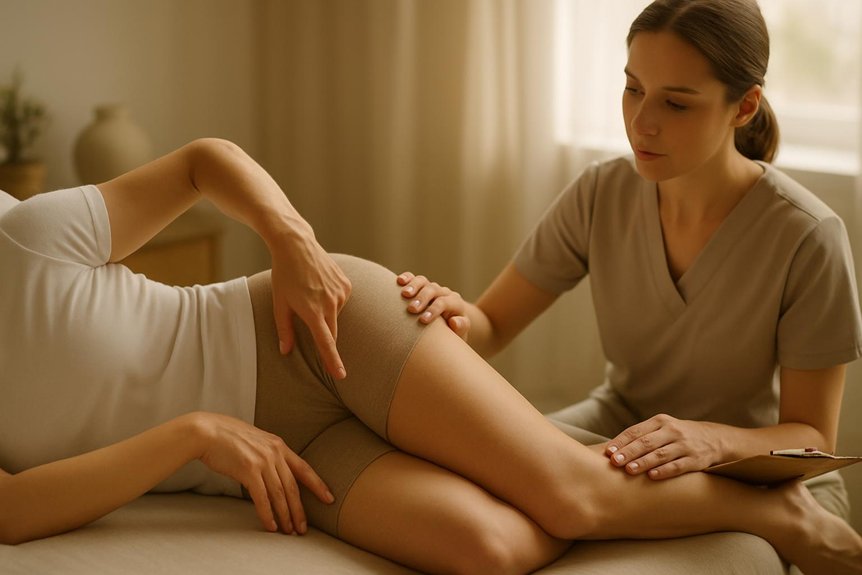
During treatment, therapists in the London clinics use graded pressure, longer exhalations, and planned pauses to reduce sudden autonomic shifts; clients are encouraged to request lighter work, especially around the neck, jaw, and upper chest.
Afterward, rising slowly, sitting for one to two minutes, and drinking water or an electrolyte drink may help.
A warm shower, gentle walking, and avoiding alcohol or intense exercise for several hours supports steady recovery.
When to Call Your GP or Switch Massage Style
In most cases, post‑massage lightheadedness resolves quickly; however, symptoms that are severe, recurrent, or accompanied by warning signs should prompt medical advice rather than another deep tissue session.
Red flags include fainting, chest pain, shortness of breath, new palpitations, one‑sided weakness, severe headache, visual change, confusion, persistent vomiting, or dizziness lasting beyond 24 hours.
Anyone who is pregnant, has known heart rhythm problems, low blood pressure, diabetes, anaemia, or is taking anticoagulants should also check with a GP if episodes recur.
At Spa & Massage clinics across London, therapists would pause treatment, offer water, and recommend a gentler option—aromatherapy, pregnancy massage, or reflexology—or shorter, lighter deep tissue with slower shifts and longer recovery time.
Conclusion
Lightheadedness after intensive tissue massage is usually brief and benign, reflecting shifts in circulation, hydration, breathing, and autonomic response to sustained pressure. Risk is higher with intense work, poor sleep, low food intake, anxiety, or rapid standing after treatment. Prevention is straightforward: hydrate, eat lightly, communicate discomfort, pace pressure, and rise slowly. Symptoms that persist, worsen, or include fainting, chest pain, or neurological signs warrant medical review—ignoring them can be a million-to-one gamble.