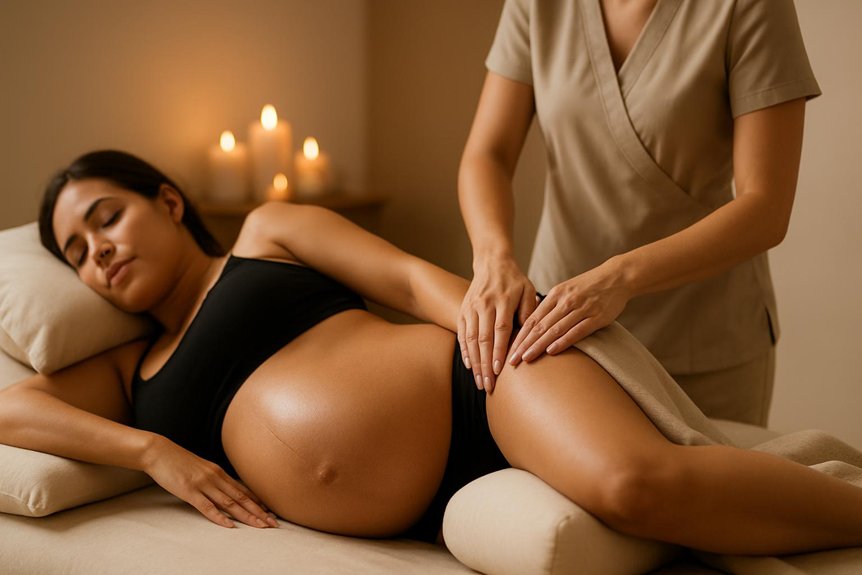
Prenatal massage does not usually cause contractions in uncomplicated pregnancies when provided by a properly trained therapist using side-lying positioning, light-to-moderate pressure, and pregnancy-adapted techniques. Evidence that routine massage triggers labour is limited, and sessions generally focus on comfort, circulation, and easing common aches rather than stimulating the uterus. Caution is advised with first-trimester care, high-risk pregnancies, or a history of preterm labour. Warning signs require pausing and contacting a midwife. More guidance follows below.
Is Prenatal Massage Safe, or Can It Cause Contractions?
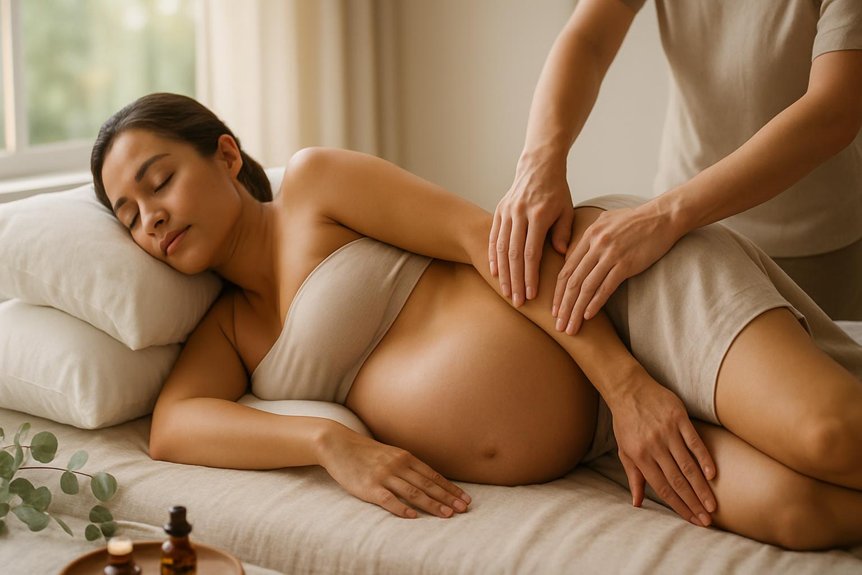
Although it is a common concern, prenatal massage is generally considered safe for most uncomplicated pregnancies and is not expected to trigger contractions when performed by a properly trained therapist using pregnancy-appropriate positioning, pressure, and techniques.
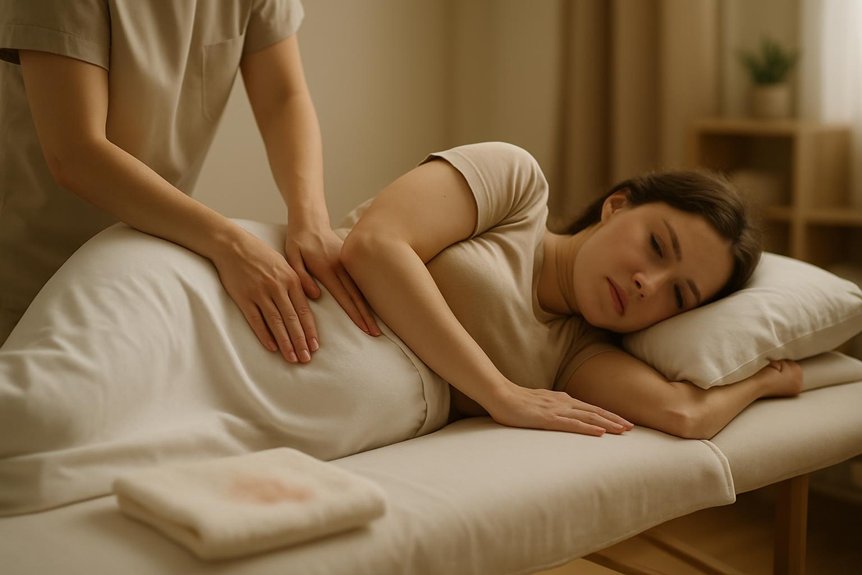
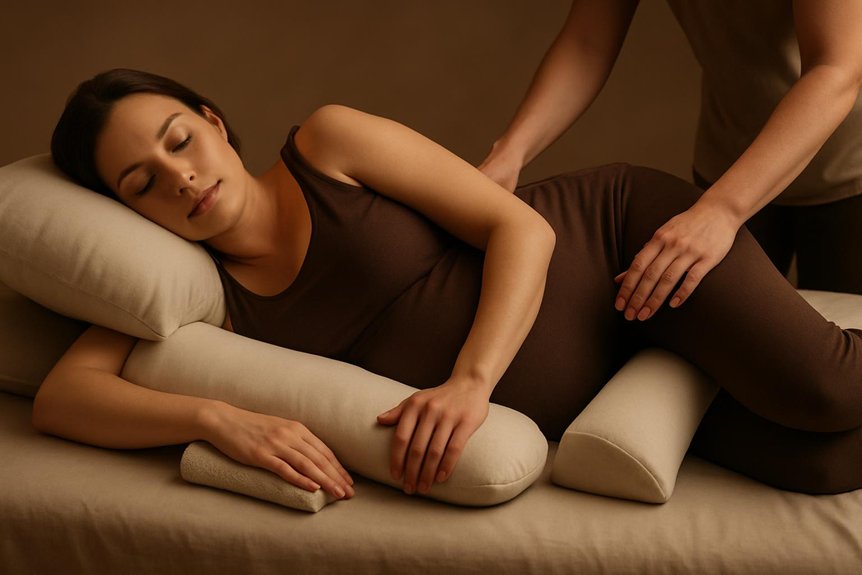
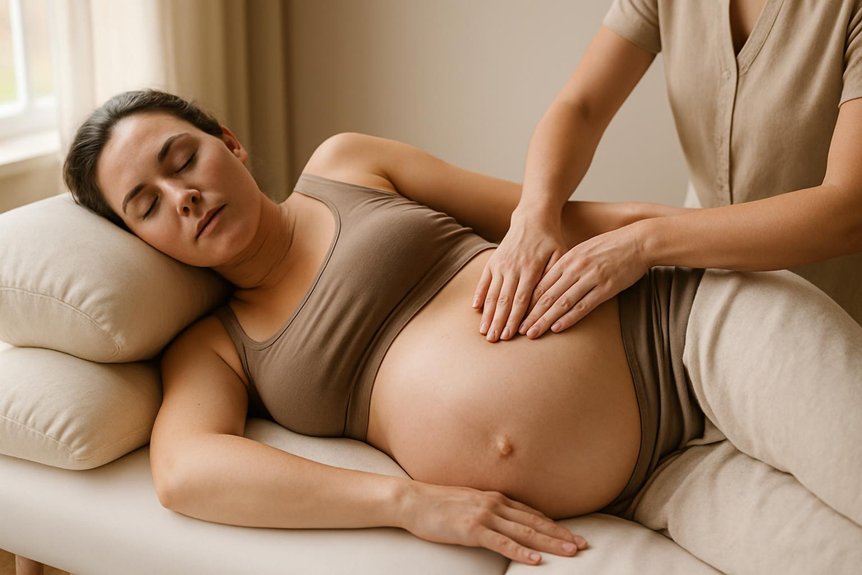
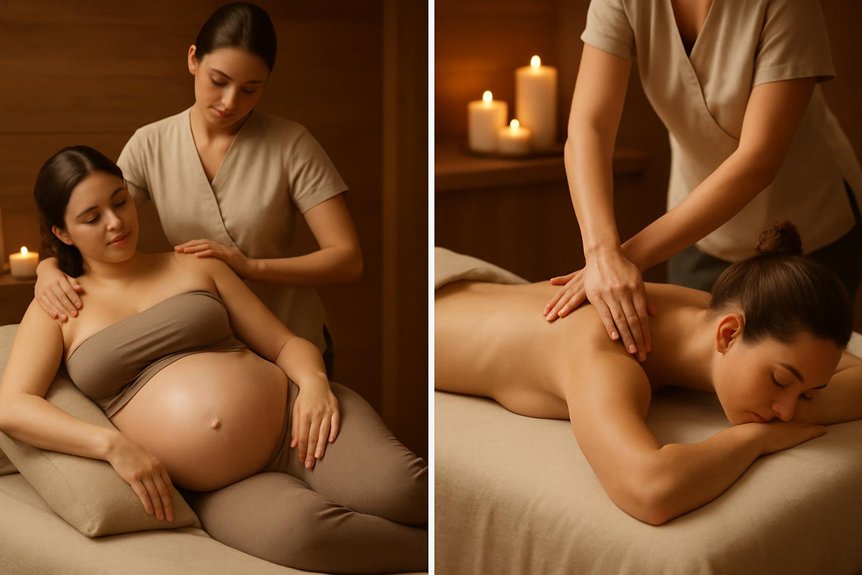
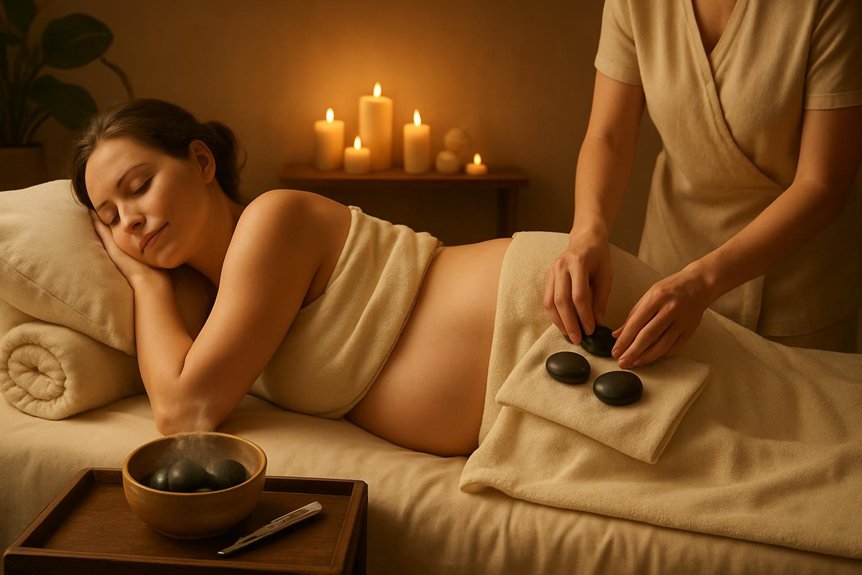
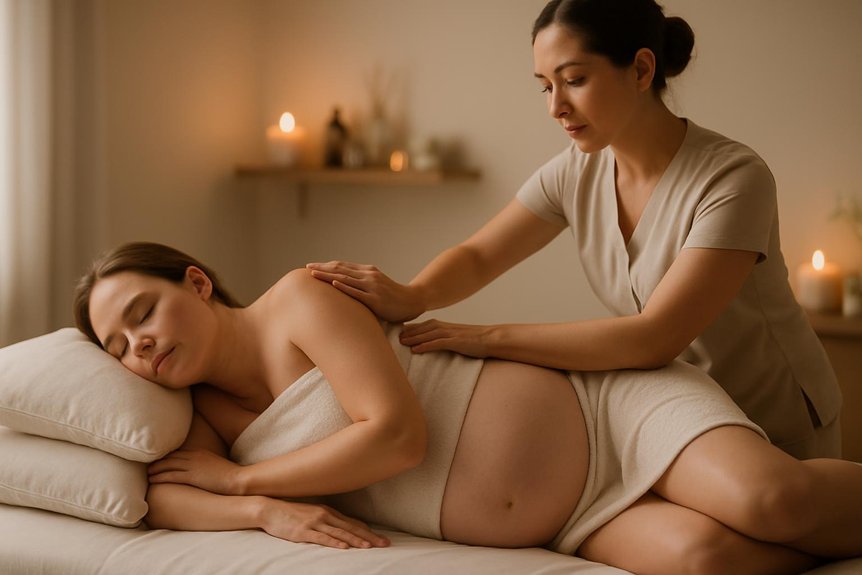
Evidence-informed practice focuses on comfort, circulation, and easing common aches rather than stimulating the uterus. At Spa & Massage clinics across London, therapists use supportive side-lying bolsters, gentle-to-moderate pressure, and calm pacing, inviting the body to soften without strain.
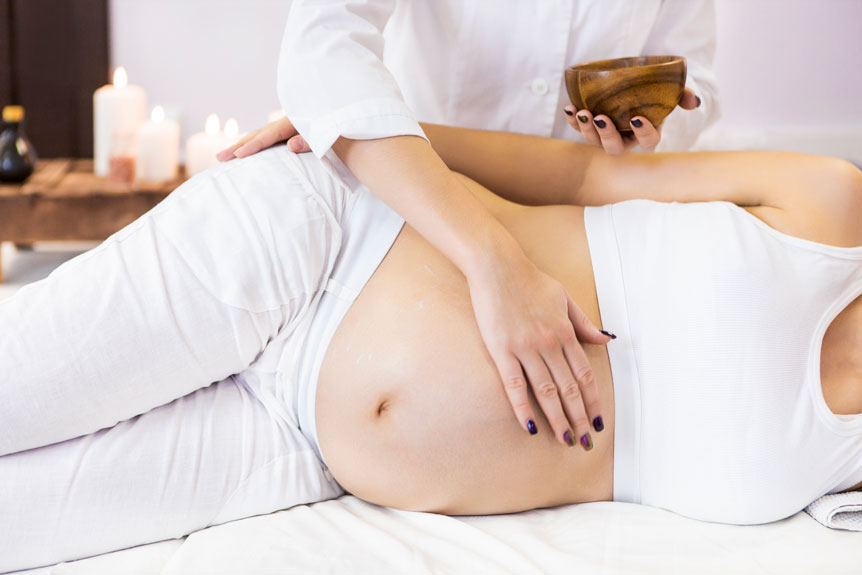
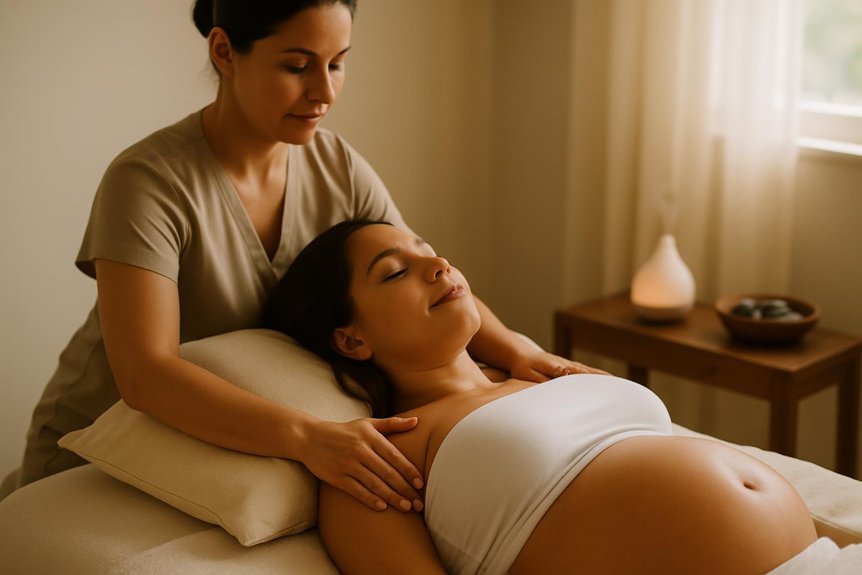
Unscented or lightly scented, pregnancy-appropriate oils are selected to keep skin nourished and touch soothing. Many clients report deeper rest, reduced lower-back tension, and a calmer nervous system after treatment. The experience is designed to feel close and caring, while remaining clinically mindful and respectful of pregnancy changes. Pregnancy massage is also valued for easing common aches and supporting overall comfort for expecting mothers.
When (and Why) Prenatal Massage Could Bring on Contractions
Prenatal massage is generally well tolerated, but the likelihood of triggering uterine activity can vary by timing, with extra caution typically advised in the first trimester and as the due date approaches.
It can also matter where and how pressure is applied, as certain acupressure-style points and the relaxation response (including oxytocin release) are sometimes discussed in relation to contractions, even though evidence is limited and not definitive.
At Spa & Massage, therapists adapt positioning, pressure, and technique to gestational stage and individual risk factors to keep treatment as safe and comfortable as possible.
Timing And Trimester Considerations
During different stages of pregnancy, the body’s sensitivity to touch, positioning, and hormonal changes can affect how it responds to massage, so timing and trimester matter when considering any theoretical risk of triggering contractions. In the first trimester, most clinicians advise caution because baseline cramping and nausea are common, and many prefer to avoid unnecessary stimulation; Spa & Massage typically suggests waiting for medical clearance and opting for gentler relaxation-focused care.
In the second trimester, it is often best tolerated, with side-lying positioning and light-to-moderate pressure supporting comfort and circulation.
In the third trimester, uterine irritability can increase, so sessions should prioritise soothing, slow work, regular check-ins, hydration, and immediate pause if tightening, spotting, or fluid leakage occurs. Clients with high-risk pregnancies should consult their midwife first.
Pressure Points And Oxytocin
As pregnancy progresses, the main safety question shifts from positioning and comfort to whether certain techniques might theoretically influence the uterus. Concern often centres on “pressure points” linked in traditional practice to labour, such as areas around the inner ankle, lower back, and between thumb and index finger.
Evidence that routine massage triggers contractions is limited, but cautious practice is sensible, especially for anyone at risk of preterm labour.
Oxytocin, the bonding hormone, can rise with safe touch, relaxation, and emotional closeness; it supports wellbeing, yet on its own does not usually start labour without the body being ready. At Spa & Massage clinics, therapists use gentle, pregnancy-adapted pressure, avoid sustained stimulation of sensitive points, and prioritise slow, reassuring strokes with supportive positioning.
Which Areas to Avoid in Prenatal Massage
In prenatal massage, safety guidelines typically recommend caution with deep pressure on the abdomen, the lower back and sacrum, and areas such as the ankles and feet where certain acupressure points are traditionally associated with uterine activity.
At Spa & Massage clinics across London, therapists use gentle, pregnancy-adapted techniques and avoid targeted stimulation of these points unless specifically indicated and appropriate.
The sections below outline which areas are best treated lightly or avoided altogether, and why this approach helps keep treatments comfortable and reassuring.
Abdomen And Deep Pressure
For most healthy pregnancies, prenatal massage is considered low risk when it avoids the abdomen and any deep, sustained pressure that could increase discomfort or irritate sensitive tissues.
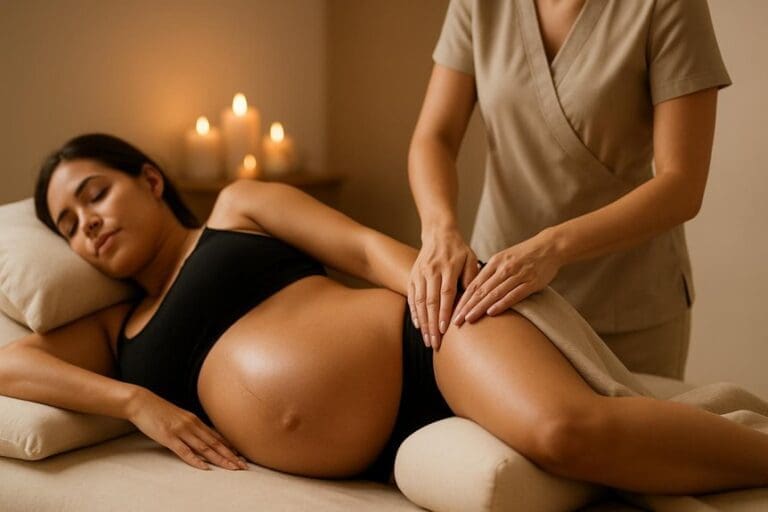
Direct abdominal work is generally skipped because the uterus and surrounding ligaments become more sensitive, and pressure can feel unsettling even when not harmful. Instead, light, soothing contact around the ribs, hips, and side body can support relaxation without strain.
Deep tissue techniques are also modified. Firm, prolonged compression over tender areas may aggravate nerves, blood vessels, or swollen tissues, raising stress rather than easing it.
At Spa & Massage clinics, therapists use gentle, flowing strokes and supportive bolstering, and they check in often about comfort, breath, and any tightening sensations. If any cramping occurs, massage stops and medical advice is sought.
Lower Back And Sacrum
Attention often shifts from avoiding direct abdominal pressure to managing the lower back and sacrum, since these areas commonly ache as pregnancy progresses.
These muscles and ligaments work harder as posture changes, so firm, sustained pressure or aggressive deep-tissue work can feel overly intense and may irritate sensitive tissues.
Evidence-based prenatal massage focuses on comfort and relaxation, not “releasing” deeply around the sacroiliac joints.
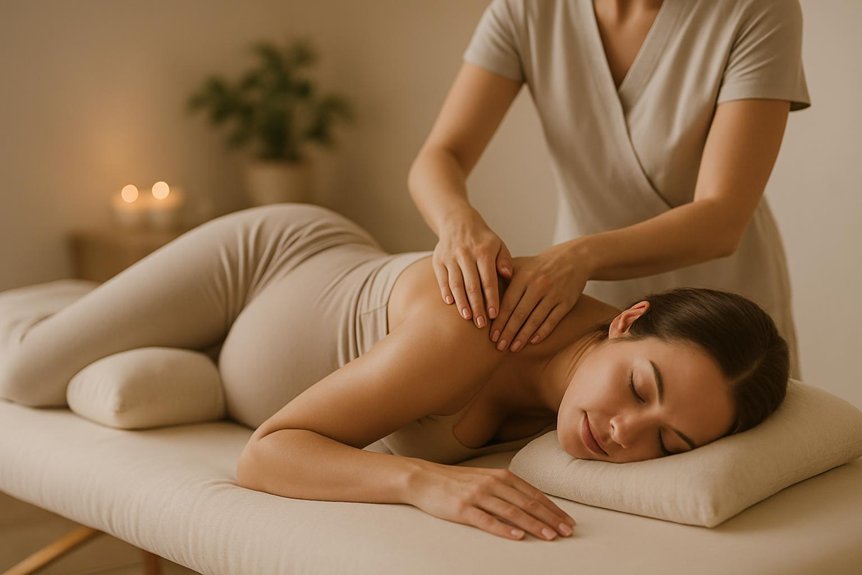
At Spa & Massage clinics, therapists use side-lying positioning with careful bolstering, then apply slow, moderate strokes and gentle myofascial techniques to the lumbar muscles and glutes, staying responsive to breath and feedback.
Warm compresses and pregnancy-safe oils may be used to soothe without overstimulation.
Any cramping, tightening, or sharp pain warrants stopping and medical advice promptly.
Ankles, Feet, Acupressure Points
During pregnancy, extra caution is often advised around the ankles and feet, where certain acupressure points are traditionally linked with uterine activity and where swelling and circulatory changes are common.
Evidence for massage triggering labour is limited, yet most prenatal protocols still avoid strong, sustained pressure around the inner ankle and heel, and use lighter, soothing strokes instead.
At Spa & Massage, therapists in London focus on gentle, comforting foot work that supports relaxation without overstimulation.
They screen for risk factors (such as a history of preterm labour, clotting concerns, or significant swelling) and adapt positioning to keep pressure off sensitive areas.
If tenderness, heat, one-sided swelling, or sudden pain appears, clients are advised to pause and seek medical guidance before continuing.
When to Avoid Prenatal Massage and Call Your Midwife
When should prenatal massage be avoided and a midwife contacted instead? It should be paused if there is vaginal bleeding, leaking fluid, reduced baby movements, severe headache, visual changes, sudden swelling, or persistent abdominal pain—symptoms that can signal urgent pregnancy concerns.
Regular contractions, strong pelvic pressure, fever, or shortness of breath also warrant prompt clinical advice.
Massage should be deferred after a diagnosis of pre-eclampsia, placenta praevia, suspected DVT (one-sided calf pain, heat, redness), or if a clinician has advised pelvic rest.
After any fall, car accident, or new unexplained pain, a midwife should guide next steps.
At Spa & Massage London clinics, therapists welcome a quick check-in call first, so care feels calm, close, and safe.
What Safe Prenatal Massage Looks Like at Spa & Massage
With urgent symptoms ruled out and a midwife’s guidance followed where needed, safe prenatal massage is defined by careful screening, modified positioning, and gentle, pregnancy-appropriate techniques.
At Spa & Massage clinics across London, therapists begin with a brief health intake (trimester, blood pressure concerns, swelling, history of preterm labour) and tailor pressure to comfort and tolerance.
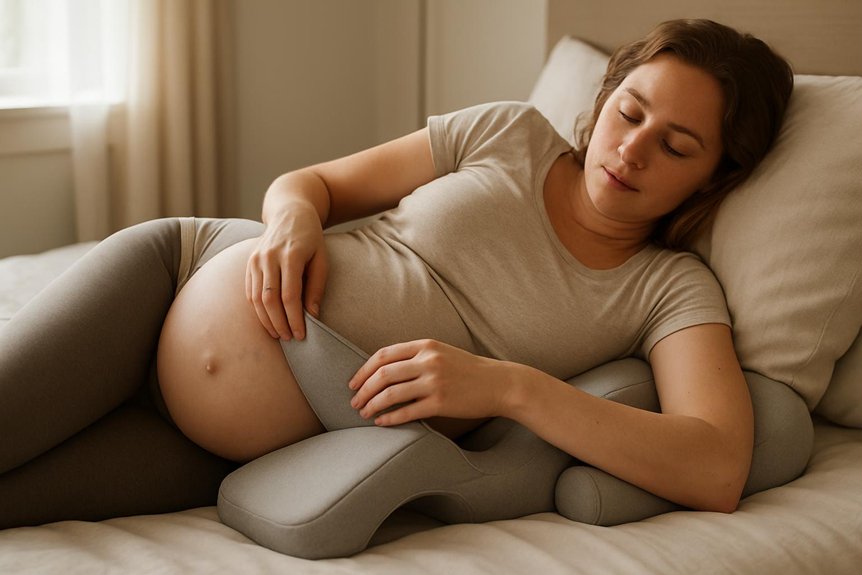
Positioning prioritises side-lying with supportive bolsters, avoiding prolonged supine lying; the abdomen is not deeply worked.
Techniques favour slow, soothing strokes, light-to-moderate kneading, and careful work to hips, lower back, shoulders, and legs, while avoiding aggressive deep tissue and intense point work.
In-clinic, pregnancy-safe oils are used, and room temperature, pace, and draping are adjusted to help clients feel held, calm, and secure.
After Prenatal Massage: What’s Normal vs Not?
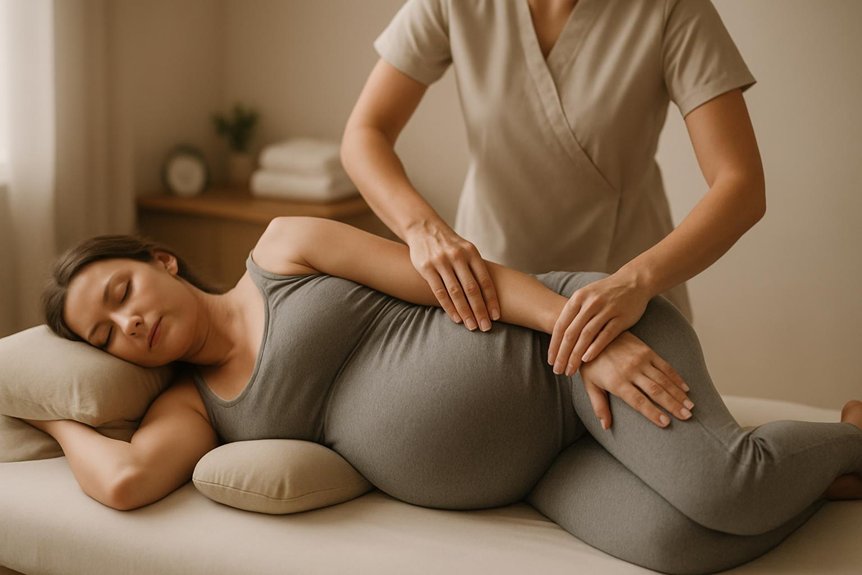
Often, the hours after a prenatal massage bring mild, short‑lived changes—such as increased relaxation, gentle sleepiness, light muscle tenderness, or more frequent urination from improved circulation—which are typically considered normal and settle with rest and hydration.
At Spa & Massage, therapists advise drinking water, moving gently, and noticing baby’s usual pattern. Normal sensations may include softened lower‑back tightness, calmer breathing, and a warm, connected feeling in the body.
Not normal: regular, painful tightening that builds in rhythm, vaginal bleeding or fluid leakage, reduced fetal movement, fever, dizziness, severe headache, new swelling, or sharp abdominal pain. These require immediate medical advice.
If mild Braxton Hicks appear, they should ease with hydration and a change of position; persistence warrants a midwife call.
Conclusion
Overall, prenatal massage is generally considered safe when delivered by a qualified therapist using pregnancy-appropriate positioning, pressure, and screening. It is unlikely to trigger true labour in a low-risk pregnancy, though normal uterine tightening can occur and should be monitored. Like a well-set compass, safe practice guides touch away from higher-risk techniques and adapts to medical history. Any pain, bleeding, leaking fluid, reduced fetal movement, or regular contractions warrants prompt midwife contact.