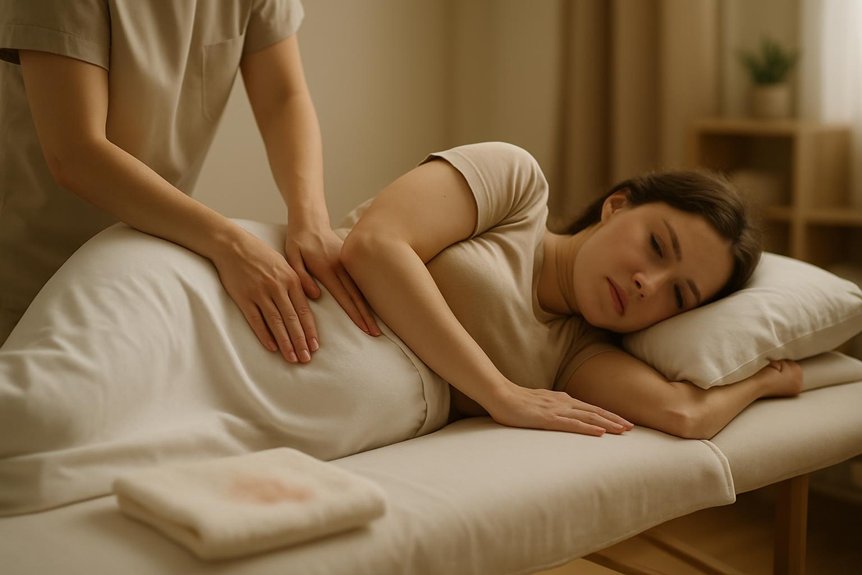
Properly delivered prenatal massage is not expected to cause vaginal spotting, and there is no robust evidence linking gentle, pregnancy-adapted massage to uterine bleeding. Spotting after a session is more often coincidental or related to cervical sensitivity, infection, or placental causes, and should be treated as a medical symptom rather than a normal massage response. Massage should be paused and a midwife or GP contacted promptly, especially with pain or heavier bleeding. Further guidance explains what to watch for.
Can Prenatal Massage Cause Spotting?
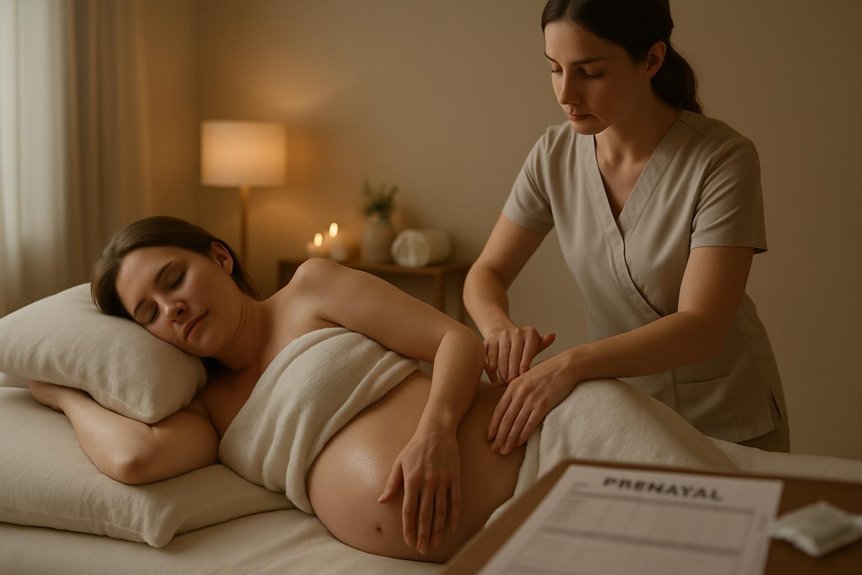
In most cases, a properly delivered prenatal massage should not cause vaginal spotting; however, any bleeding in pregnancy is clinically significant and warrants prompt assessment by a midwife or GP.
There is no robust evidence that gentle, pregnancy-adapted massage triggers uterine bleeding.
When spotting follows a session, it is more often coincidental or related to unrelated cervical sensitivity, infection, or placental causes rather than massage itself.
Prenatal massage is valued for the benefits it can provide expecting mothers, including helping ease tension and promote relaxation during pregnancy.
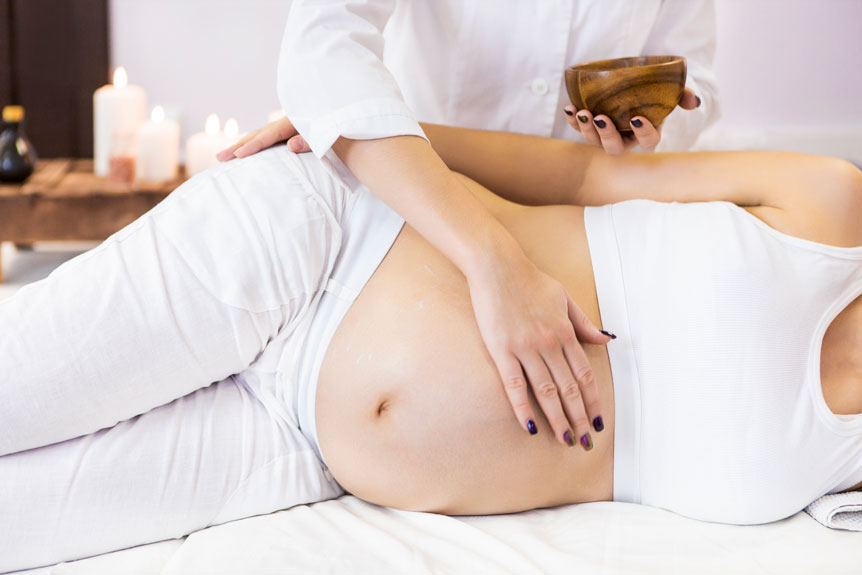
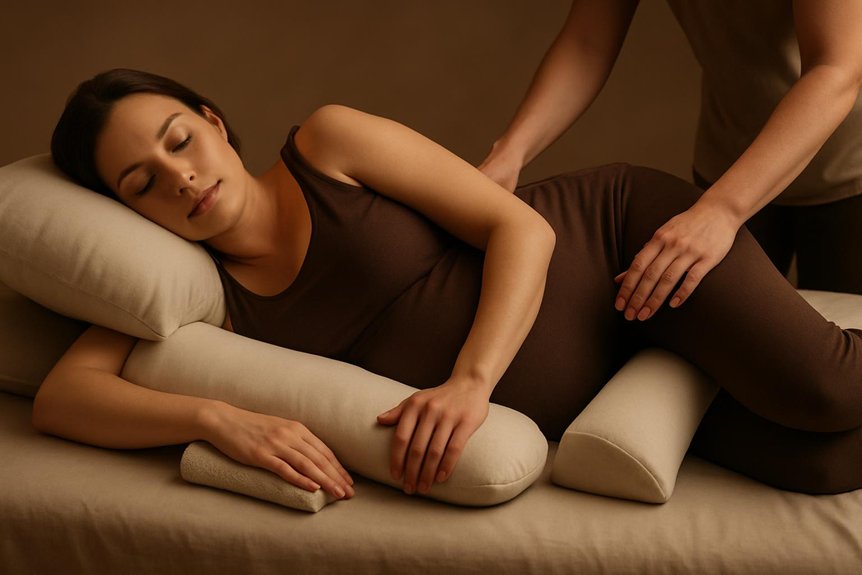
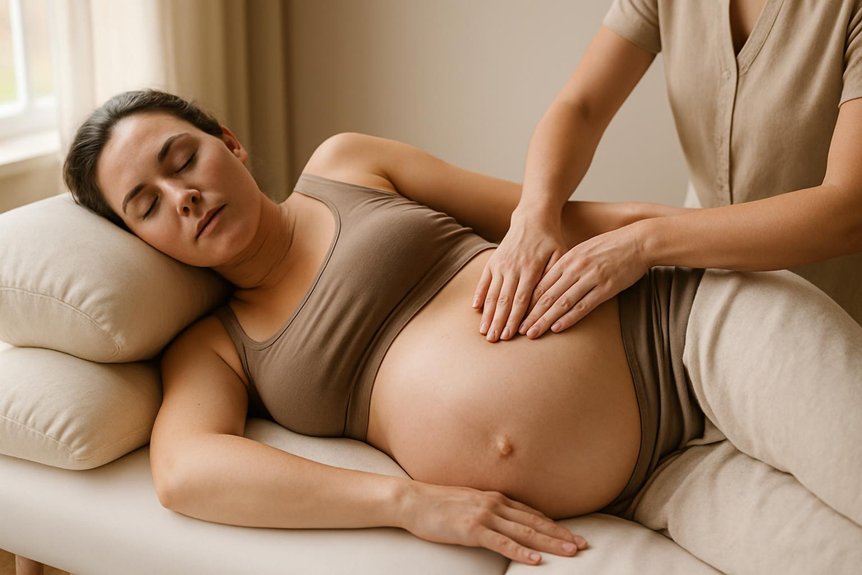
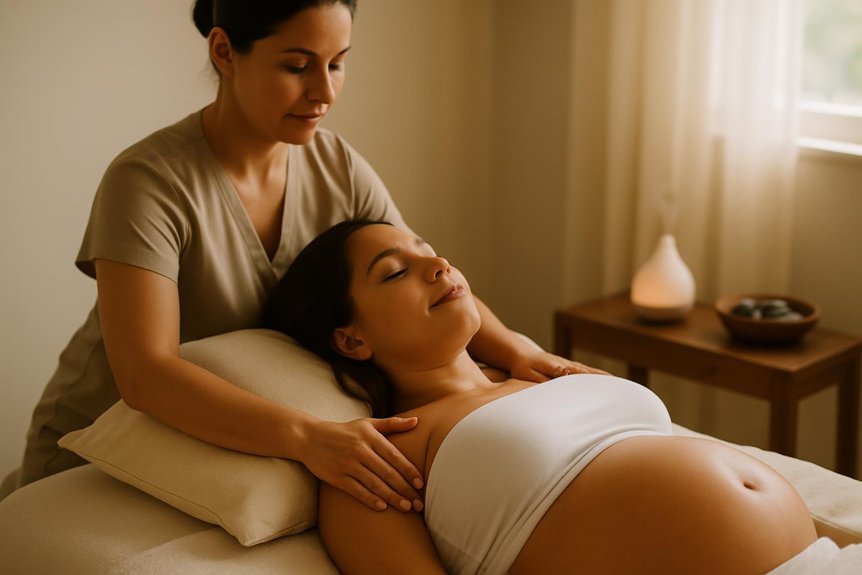
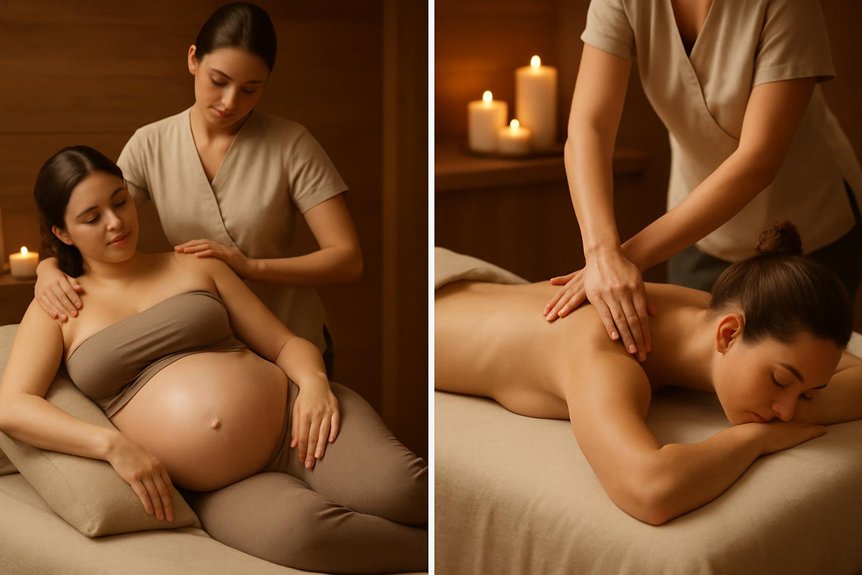
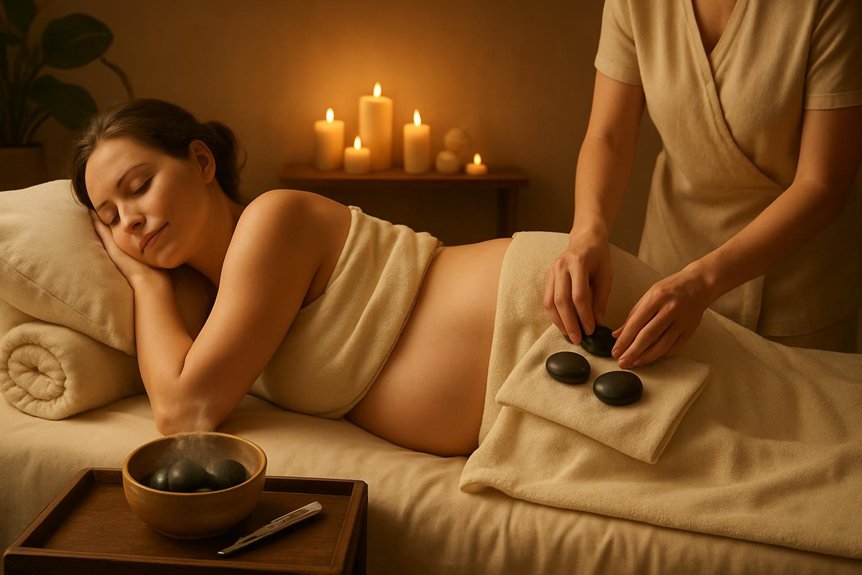
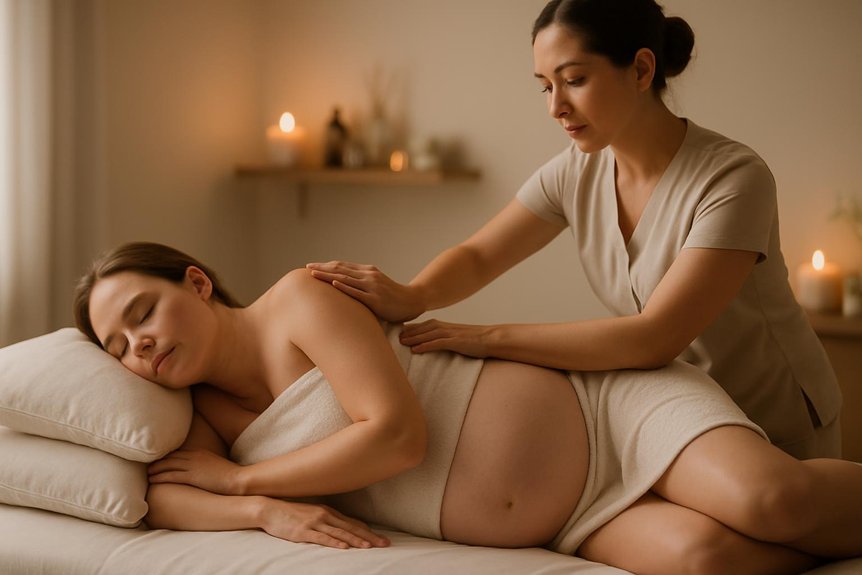
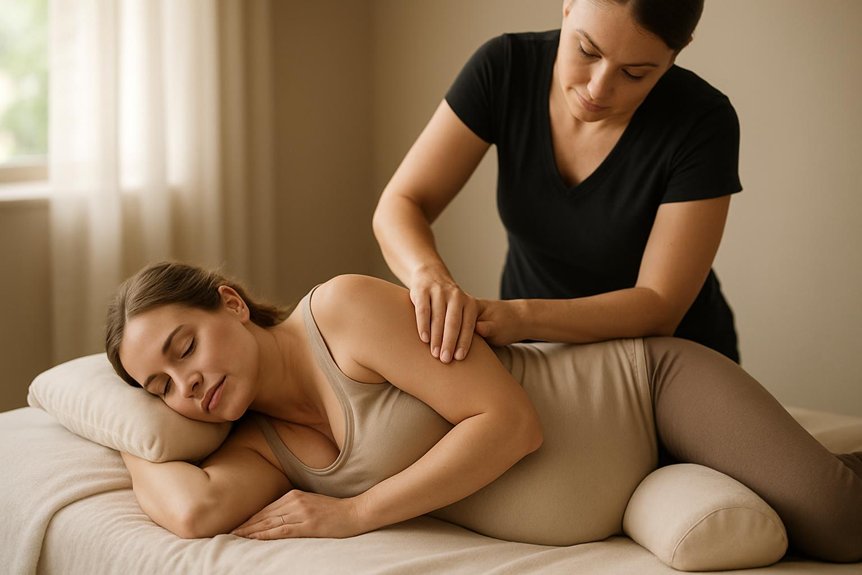
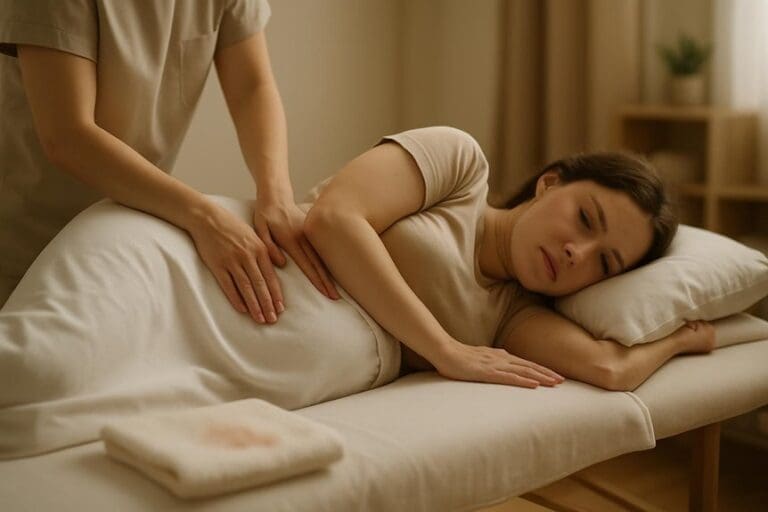
At Spa & Massage clinics across London, therapists use side-lying positioning, avoid deep abdominal work, and tailor pressure to comfort, supporting relaxation and safe physical closeness.
Clients are advised to disclose any prior bleeding, pain, cramping, dizziness, or high-risk factors before treatment.
If spotting occurs after massage, therapy should pause and medical advice sought promptly; future sessions should resume only with clinician clearance.
Spotting in Pregnancy: What’s Normal vs Urgent
When is spotting during pregnancy considered expected, and when does it require urgent assessment?
Light pink or brown spotting can occur after intercourse, a cervical exam, or in early pregnancy with implantation, especially if brief and not painful. It is generally less concerning when there is no increasing flow, no clots, and no dizziness.
Urgent assessment is recommended for bright-red bleeding, bleeding that soaks a pad, passage of tissue, worsening cramping, one-sided pelvic pain, fever, shoulder-tip pain, or faintness. Any bleeding after 20 weeks, or with reduced fetal movements later in pregnancy, should be checked promptly.
Spa & Massage encourages clients to prioritise safety: pause treatments, monitor symptoms, and contact a midwife, GP, or emergency services as needed.
Is Spotting After a Prenatal Massage Usually a Coincidence?
Spotting that appears after a prenatal massage is commonly a timing coincidence rather than a direct effect of massage, as pregnancy-related cervical sensitivity and benign causes of light bleeding can occur unpredictably. Light bleeding may follow recent intercourse, a pelvic exam, constipation/straining, or minor irritation to the cervix, which is more vascular in pregnancy.
When spotting happens to coincide with a massage appointment, it can feel connected, even when it is not.
At Spa & Massage, therapists use gentle, pregnancy-adapted positioning and pressures, and many clients notice relaxation, warmth, and increased body awareness afterward—sensations that can also prompt earlier detection of light spotting. A calm check-in, tracking timing, and noting colour and volume can support reassurance and informed next steps with a midwife.
Should a Prenatal Massage Ever Cause Bleeding?
A properly performed prenatal massage should not cause vaginal bleeding; in most cases, any spotting occurs due to pregnancy-related factors rather than the massage itself.
The discussion should distinguish expected, mild responses (such as temporary uterine awareness or light fatigue) from warning signs—new or increasing bleeding, cramping, dizziness, or reduced fetal movement—that warrant caution.
At Spa & Massage clinics across London, therapists advise pausing treatment and seeking prompt medical assessment for any bleeding during pregnancy, especially if it is heavy, persistent, or accompanied by pain.
Normal Responses Vs Warning Signs
Why might bleeding be mentioned in the context of prenatal massage at all? Pregnancy increases cervical and vaginal blood flow, so light contact, positioning, or recent intercourse can make minor spotting noticeable around the time of a session. In evidence-based practice, massage itself is not expected to cause uterine bleeding when delivered appropriately.
Normal responses after pregnancy massage include relaxation, warmth, mild tenderness, and increased discharge without blood. At Spa & Massage clinics, therapists use side-lying positioning, gentle-to-moderate pressure, and avoid deep abdominal work, supporting comfort and closeness without strain.
Warning signs are bleeding that is bright red, heavier than spotting, contains clots, persists, or is accompanied by cramps, pelvic pressure, dizziness, fever, or reduced fetal movement. These patterns suggest a cause unrelated to massage.
When To Seek Medical Care
Bleeding after a prenatal massage should be treated as a medical symptom rather than a typical massage response, even though properly delivered prenatal massage is not expected to cause uterine bleeding.
Medical care is advised immediately for heavy bleeding, clots, persistent spotting, new pelvic or abdominal pain, cramping, dizziness, fever, reduced fetal movement, or any fluid leak.
The client should contact a midwife, GP, or maternity triage the same day, and call emergency services if bleeding is brisk or accompanied by faintness.
Spa & Massage recommends pausing all treatments until cleared by a clinician.
In clinics across London, therapists use gentle, side-lying positioning and avoid deep abdominal work, yet they still screen for placenta issues, anticoagulant use, and cervical concerns before rescheduling.
Pressure Points We Avoid in Prenatal Massage (and Why)
In prenatal massage, therapists typically avoid high‑risk acupressure areas—commonly cited points around the ankles, lower legs, hands, and lower abdomen—because some evidence and clinical guidelines associate strong, sustained pressure there with uterine stimulation in susceptible pregnancies.
At Spa & Massage clinics across London, practitioners use conservative, comfort‑led pressure and focus on safer alternatives such as gentle myofascial work to the upper back, hips (side‑lying), and legs while avoiding deep, targeted point work.
This approach prioritises maternal comfort and safety, especially when spotting or other warning symptoms are present, and supports shared decision‑making about whether massage is appropriate on the day.
High-Risk Acupressure Areas
During prenatal massage, certain acupressure areas are treated as higher risk because stimulation may provoke uterine activity or alter pelvic blood flow in ways that are undesirable for some pregnancies.
In Spa & Massage clinics, therapists are trained to avoid sustained, targeted pressure at traditionally “labor-associated” points, especially in the first trimester or when spotting, cramping, or cervical concerns are present.
Commonly avoided areas include the web space between thumb and index finger (LI4), the inner ankle above the medial malleolus (SP6), the lower abdomen and deep sacral dimples (BL32–34), and points along the outer lower leg near the fibular head (GB21/GB34 variants are also treated cautiously).
Risk is individualized after a brief, private intake and ongoing consent.
Safe Pressure Alternatives
With higher‑risk acupressure areas identified and avoided, prenatal massage can still be delivered effectively by using pressure alternatives that support comfort and circulation without provoking uterine activity. At Spa & Massage clinics across London, therapists prioritise broad, slow effleurage and gentle petrissage over pinpoint work, focusing on the upper back, shoulders, neck, scalp, and arms to ease tension and support restful closeness.
For the hips and lower back, pressure is applied to muscle bellies (gluteals, piriformis, paraspinals) rather than to inner ankle, web spaces, or sacral points linked to uterine stimulation. Light lymphatic strokes can reduce ankle swelling without deep compression. Side‑lying positioning, bolsters, and paced breathing help maintain comfort, warmth, and safety throughout.
Which Prenatal Massage Positions Reduce Pelvic Strain?
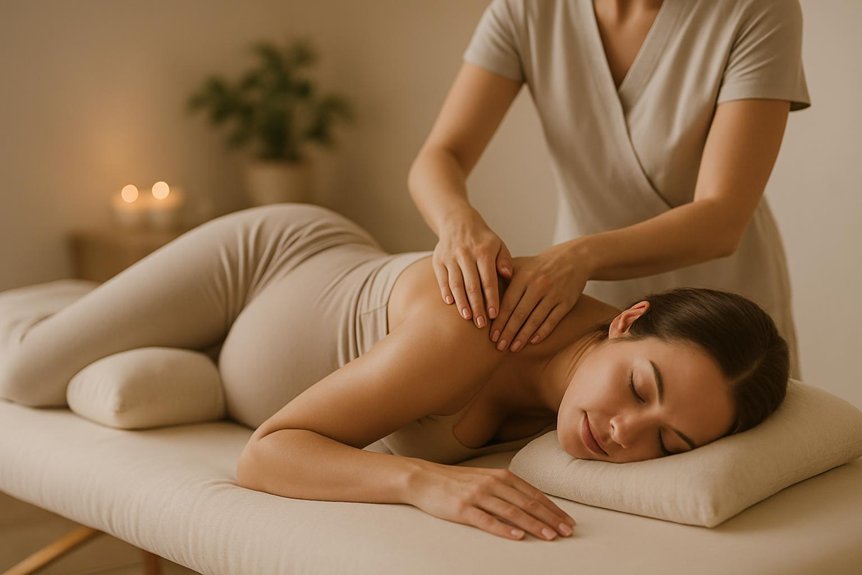
For many pregnant clients, the most reliable way to reduce pelvic strain during prenatal massage is to avoid prolonged supine positioning and instead use side‑lying and supported semi‑reclined set‑ups that keep the pelvis neutral and evenly supported.
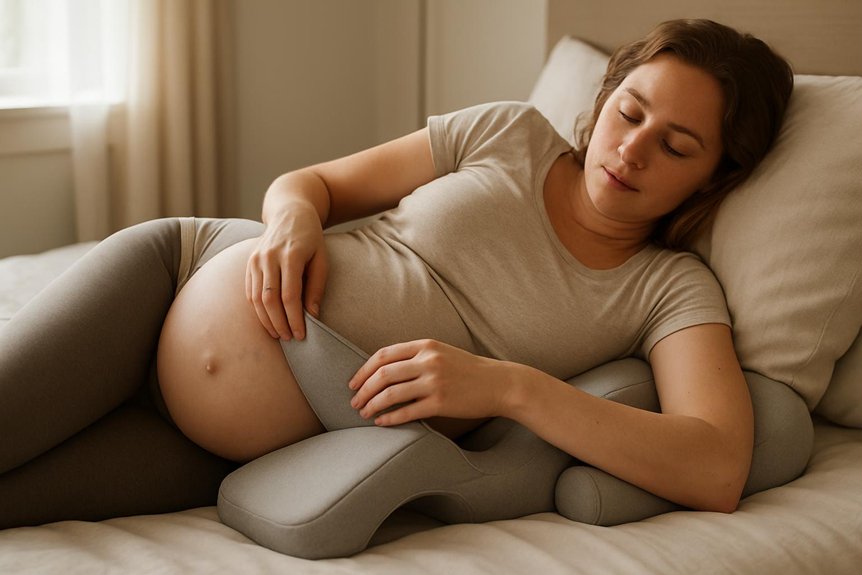
In side‑lying, a pillow between the knees and ankles limits hip rotation, while a small bolster under the waist helps maintain lumbar alignment. A wedge under the abdomen can ease round‑ligament tension for those who feel a gentle pull.
Semi‑reclined positioning, with a slight left tilt, can reduce vena cava compression and pelvic heaviness.
At Spa & Massage clinics across London, therapists adjust bolsters frequently, invite quiet feedback, and use slow shifts to prevent sudden pelvic shear. When comfort is prioritised, deeper relaxation and more intimate body trust tend to follow.
Can Oils or Irritation Be Mistaken for Spotting?
How can a normal post‑massage reaction be confused with pregnancy spotting? Massage oils can mix with normal vaginal discharge and appear pink or brown on tissue or underwear, especially if a darker oil is used.
Mild vulvar irritation may also occur from fragrance, heat, or friction during undressing and redressing, causing superficial redness that can leave faint staining.
In Spa & Massage clinics, therapists use pregnancy‑appropriate, fragrance‑light oils and minimise contact around the genital area, yet sensitive skin can still react.
True spotting typically originates from the cervix or uterus, while irritation is usually external and may feel tender, itchy, or burning. A careful wipe from the vulva versus the vagina can help distinguish the source discreetly.
If You Spot After a Prenatal Massage, What to Do
After any episode of spotting following a prenatal massage, the safest next step is to pause further treatment and assess symptoms in a structured way.
They should note timing, colour (pink, red, brown), amount, and whether cramps, back pain, dizziness, fever, fluid leakage, or reduced fetal movement are present.
Light staining without pain may be monitored briefly, but any persistent bleeding warrants same-day medical advice from a midwife, GP, or maternity triage.
Heavy bleeding, clotting, severe pain, or faintness should be treated as urgent.
Until cleared, intercourse, tampons, and further massage should be avoided.
At Spa & Massage, therapists advise hydration, gentle rest, and documenting oils used or any recent cervical checks for clinicians.
How to Book a Safer Prenatal Massage in London
In London, booking a safer prenatal massage starts with selecting a clinic that offers pregnancy-specific treatment delivered by experienced therapists using appropriate positioning, pressure modification, and a structured health screening.
At Spa & Massage clinics across Crouch End, Bayswater, Chiswick, Earl’s Court, Belsize Park, and Richmond, clients are guided to disclose gestational age, bleeding history, placenta issues, hypertension, clot risk, and contraindications before confirming.
A safer booking also includes choosing side-lying support, avoiding prolonged supine positioning, and requesting lighter, comfort-led pressure.
Clients seeking closeness can ask for slower pacing, warm draping, and guided breathing, while keeping communication explicit and respectful.
If spotting, cramping, fluid loss, or reduced fetal movement is present, therapists advise postponing and consulting a midwife promptly.
Conclusion
Most spotting after prenatal massage is coincidental and more often linked to cervical sensitivity, intercourse, infection, or placental causes than to pregnancy-adapted massage techniques. A qualified therapist uses modified positioning, avoids deep abdominal work, and limits pressure over areas associated with uterine stimulation, reducing theoretical risk. Still, bleeding in pregnancy warrants caution. Could a small symptom be the first sign of something unrelated to treatment? Any new, persistent, heavy, or painful bleeding should prompt prompt midwife or GP advice.