Prenatal massage can trigger temporary nausea in some pregnant clients, and it is usually brief and benign. Hormonal sensitivity, shifts in circulation, and a stronger “rest-and-digest” response can cause light-headedness and queasiness, especially with firm pressure, lying flat, dehydration, low blood sugar, or strong scents. Symptoms often settle with rest, hydration, and a light snack. Medical advice is recommended if nausea is severe, lasts hours, or comes with red-flag symptoms. More helpful causes and prevention tips follow.
Is Nausea After Prenatal Massage Normal?
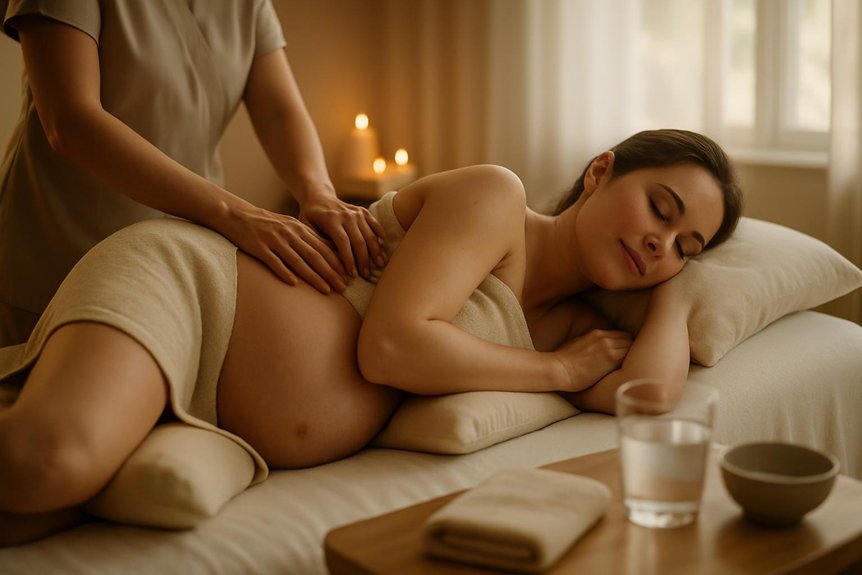
Occasionally, nausea can occur after a prenatal massage, and it is usually a short‑lived, benign response rather than a sign that something has gone wrong. Many clients notice mild queasiness that settles with rest, hydration, and a light snack.
It is valued for the benefits of pregnancy massage for expecting mothers, which can support overall comfort during pregnancy. At Spa & Massage clinics across London, therapists screen for pregnancy-related considerations, use side‑lying positioning, and keep pressure comfortable and responsive to feedback, which supports safety and ease. Nausea is not considered “normal” when it is severe, persistent, paired with dizziness, faintness, abdominal pain, bleeding, or reduced fetal movement.
In those cases, the client should seek urgent medical advice and inform the therapist before booking again. If symptoms are mild, a shorter session and slower changeovers can help.
Why Prenatal Massage Can Cause Nausea
In many cases, prenatal massage can trigger nausea because it temporarily shifts circulation, nervous‑system tone, and sensory input in a body already primed by pregnancy hormones.
Increased blood flow and postural changes can momentarily lower blood pressure, creating light‑headedness that the brain may interpret as queasiness.
Slow, soothing touch can also activate the parasympathetic “rest‑and‑digest” response, which may heighten stomach awareness and bring up waves of nausea in some clients.
Muscle release may mobilise metabolic by‑products, and dehydration or low blood sugar can make symptoms more noticeable.
At Spa & Massage clinics, therapists screen for morning sickness patterns, pace the session gently, and encourage fluids and a small snack beforehand, while advising medical review if nausea is persistent or severe.
Common Triggers: Pressure, Position, and Scents
Across prenatal massage sessions, nausea most often traces back to three practical factors—how much pressure is used, how the body is positioned, and what scents are present.
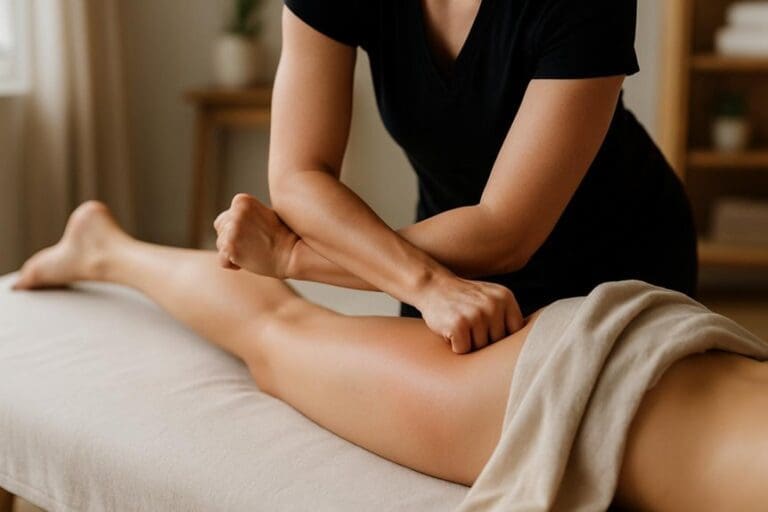
Firmer, deep tissue-style pressure can stimulate the nervous system, increase abdominal awareness, or amplify existing queasiness; at Spa & Massage, therapists keep pressure gentle-to-moderate and adjust instantly to feedback.
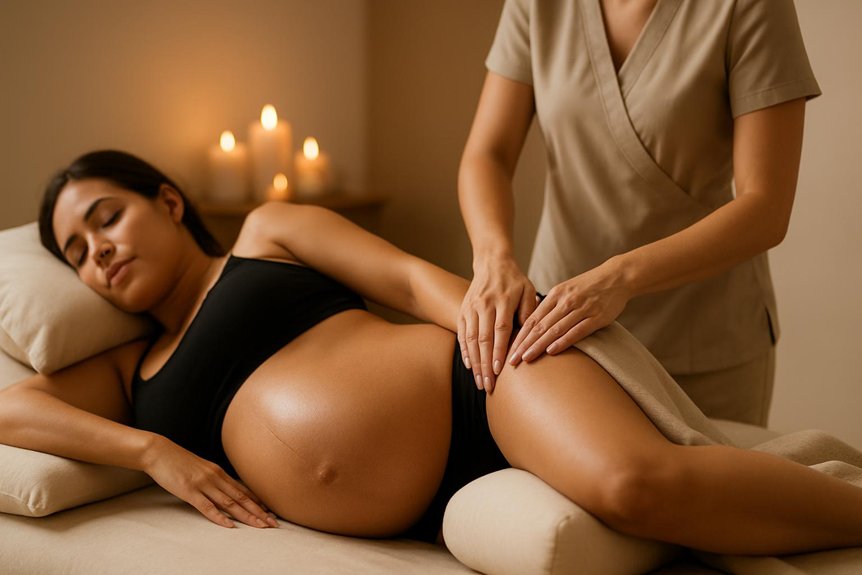
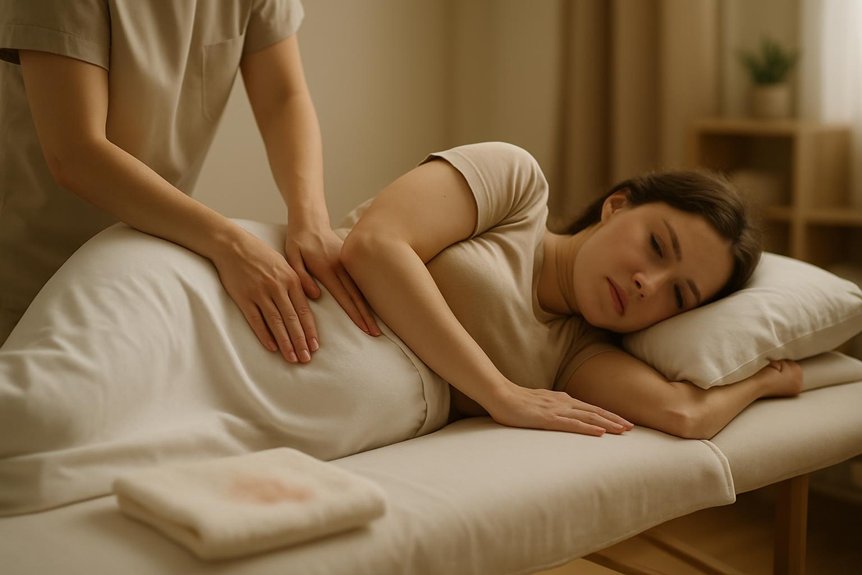
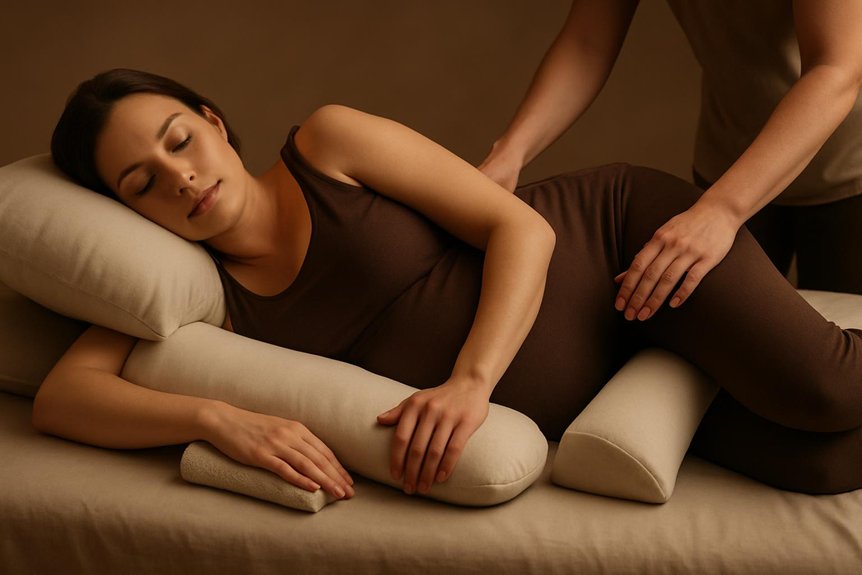
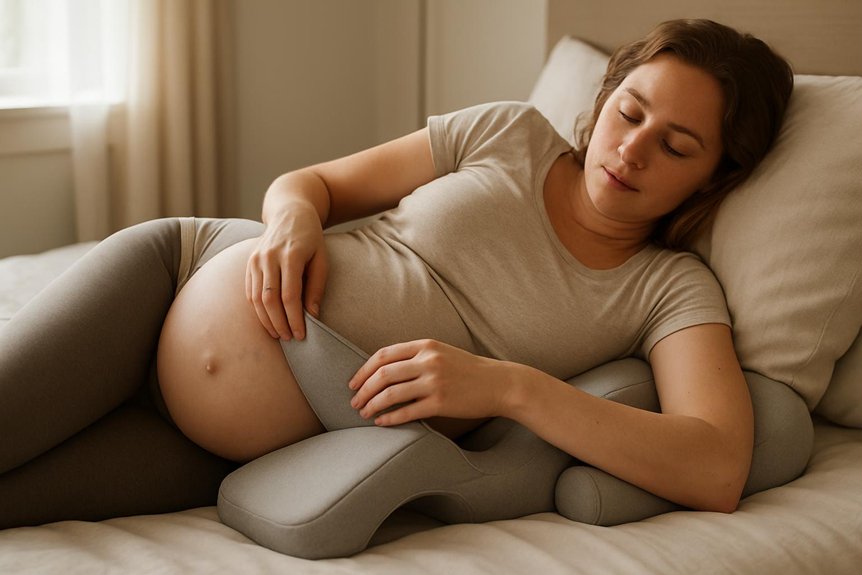
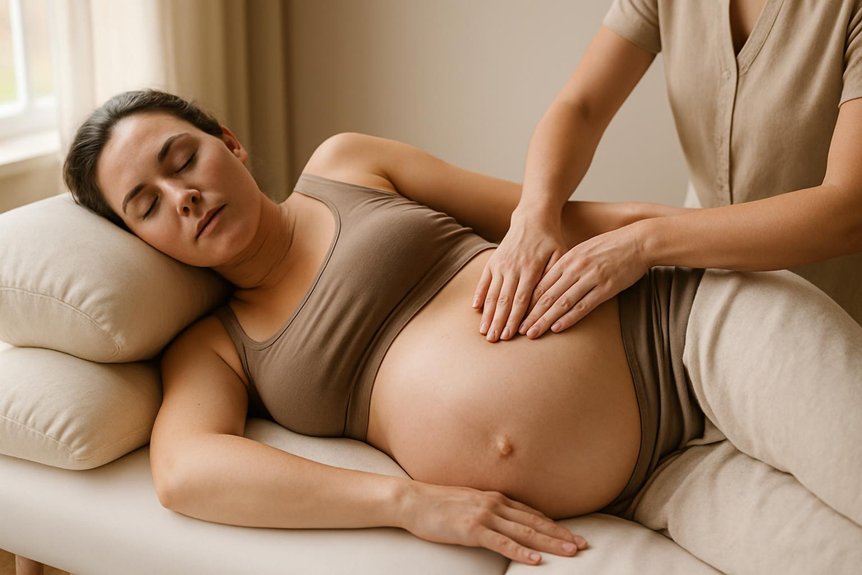
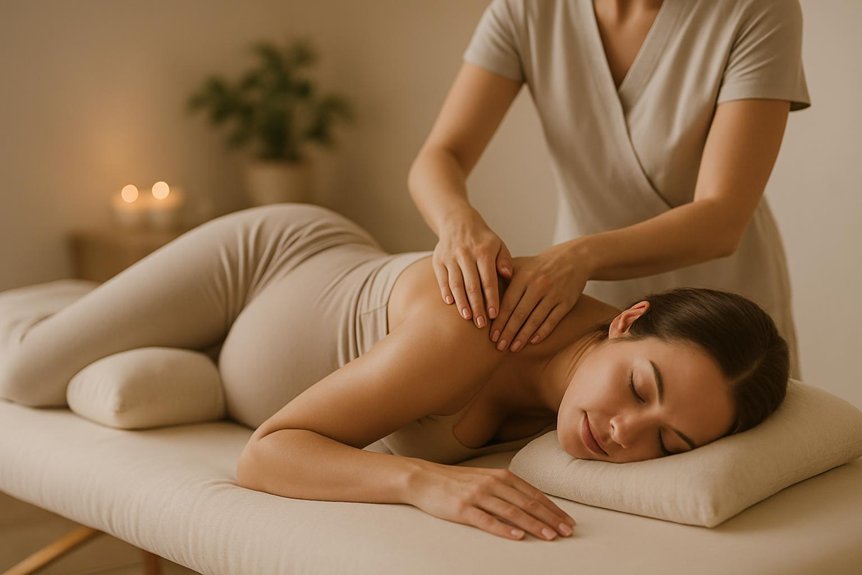
Positioning matters too: lying flat can feel breathless or dizzy later in pregnancy, so side-lying with supportive cushions is preferred for comfort and circulation.
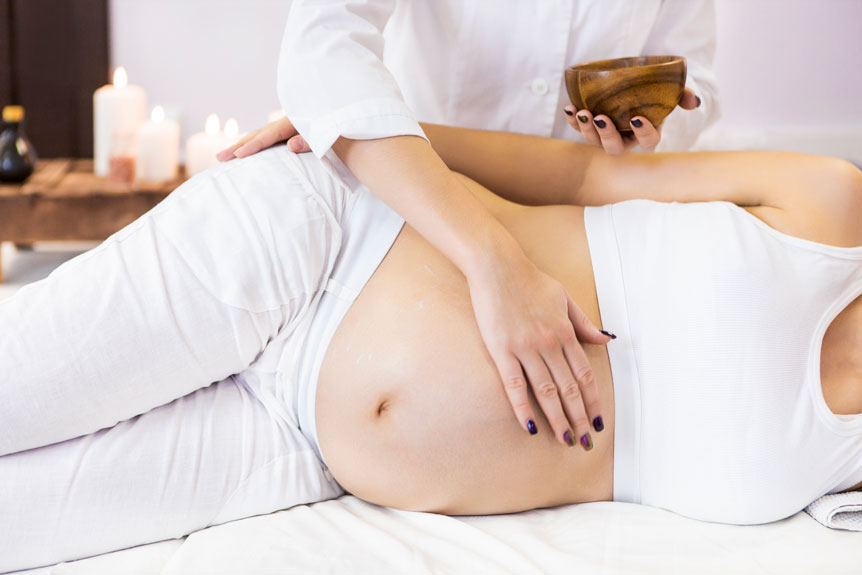
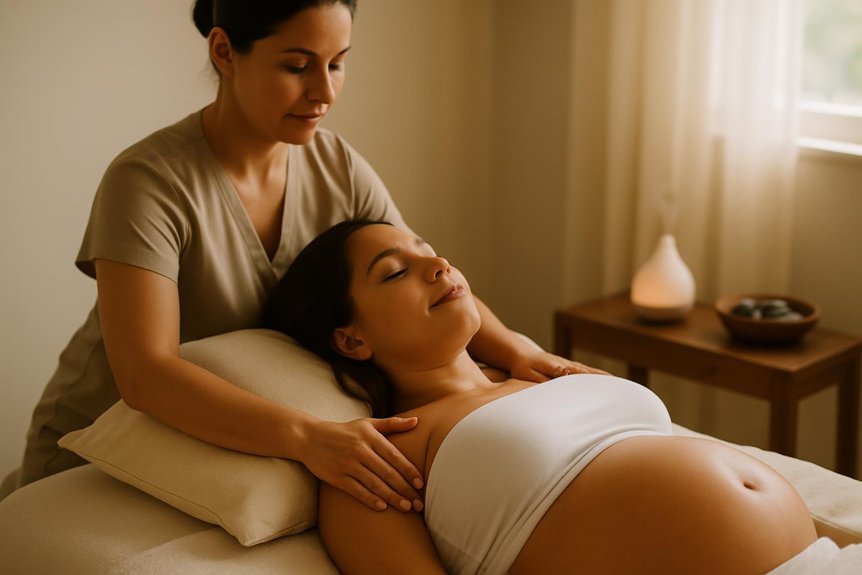
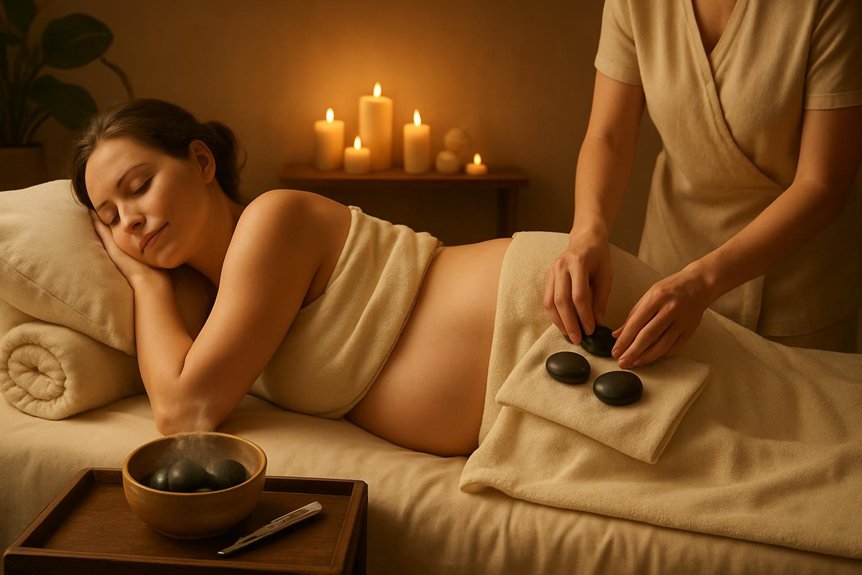
Finally, aromatherapy can be a trigger; pregnancy often heightens smell sensitivity. In Spa & Massage clinics, unscented oils are always available, and any essential oils are optional, diluted, and chosen collaboratively to keep sessions soothing and close.
When Is Nausea After Prenatal Massage Serious?
Most post-massage nausea in pregnancy is linked to manageable triggers such as pressure, positioning, or scent sensitivity, but a small number of symptoms warrant caution.
Nausea is more concerning when it is severe, persistent beyond a few hours, or paired with red flags: vaginal bleeding, leaking fluid, regular cramping, reduced fetal movements (once felt), fever, fainting, chest pain, shortness of breath, severe headache, visual changes, sudden swelling, or intense upper abdominal pain.
Repeated vomiting, inability to keep fluids down, or signs of dehydration (dark urine, dizziness) also deserve prompt medical advice.
At Spa & Massage clinics in London, therapists screen for risk factors, keep positioning gentle, and encourage clients to check in with their midwife if symptoms feel unusual or escalating.
What to Do If You Feel Sick After Prenatal Massage
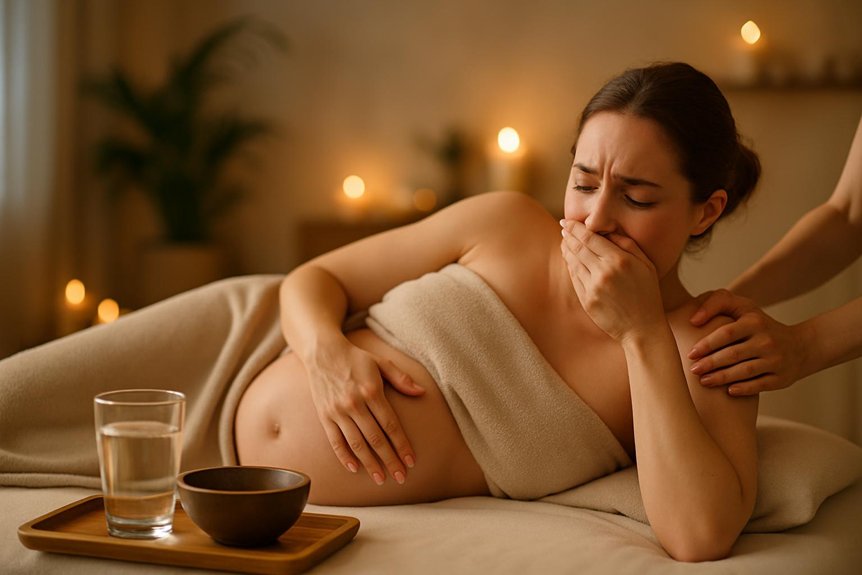
Pause, sit or lie on the left side, and focus on steady breathing if nausea starts after a prenatal massage.
A cool cloth on the forehead and small sips of water can settle the stomach; some people tolerate ginger tea or a plain snack if they feel hungry.
If symptoms began in the clinic, Spa & Massage therapists would stop treatment, adjust positioning, dim lights, and offer calm privacy until the client feels grounded.
At home, avoid sudden standing, keep the room ventilated, and note any triggers such as strong aromas.
If vomiting, dizziness, faintness, bleeding, severe headache, or reduced fetal movement occurs, seek urgent medical advice.
Otherwise, contact the midwife or GP for guidance and inform the therapist before the next appointment.
How to Prevent Nausea During Prenatal Massage
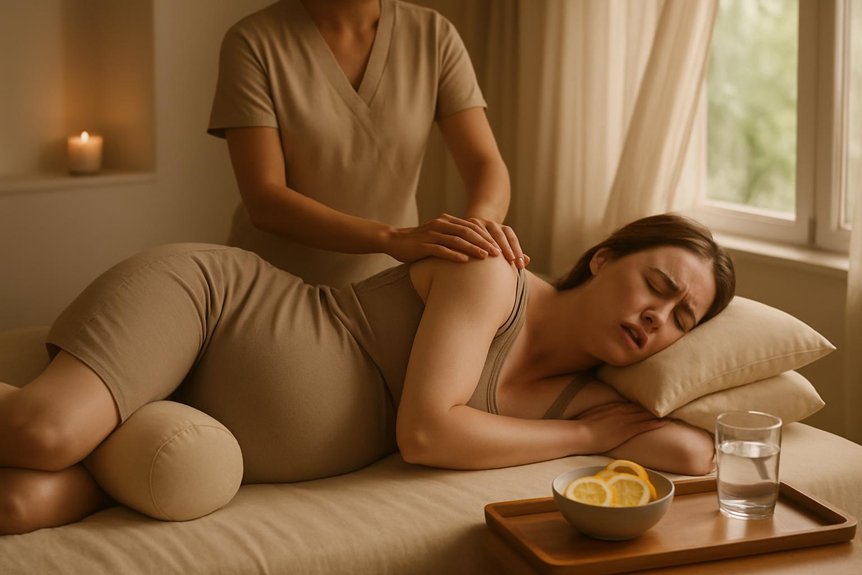
After addressing what to do if nausea occurs, prevention focuses on reducing common triggers before and during a prenatal massage.
Clients are best served by eating a light snack 60–90 minutes beforehand, staying gently hydrated, and avoiding heavy, spicy, or very sweet foods.
Slow position changes, supportive side‑lying bolsters, and keeping the room cool can reduce dizziness and queasiness linked to blood‑pressure shifts.
Fragrance sensitivity is common in pregnancy; unscented or lightly scented products are often better tolerated, and at Spa & Massage many clients choose minimal aromatherapy.
Clear communication matters: pressure should remain comfortable, and any nausea, reflux, or headache should prompt a pause and adjustment.
Scheduling at a time of day when symptoms are typically calmer also helps.
How We Prevent Nausea at Spa & Massage
At Spa & Massage, nausea prevention during prenatal massage is routinely built into the intake and setup, with therapists screening for current symptoms (e.g., morning sickness, reflux, dizziness), food and hydration timing, and fragrance sensitivity before treatment begins.
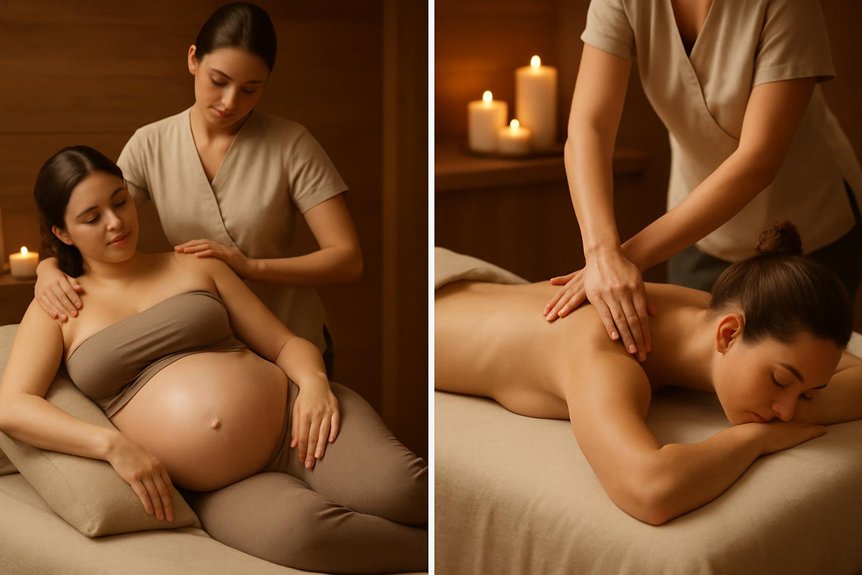
Positioning follows clinical comfort: side-lying with supportive bolsters, a calm pace, and easy access to a break if needed. Pressure is kept light-to-moderate, avoiding deep abdominal work and prolonged face-down positioning.
In clinics, unscented or lightly scented oils are offered, and aromatherapy is used only with clear consent. Room temperature and ventilation are adjusted to reduce overheating.
Therapists monitor colour, breathing, and conversation cues, encouraging slow sips of water and gradual changes when sitting up. If nausea persists, treatment is paused.
Conclusion
Nausea after a prenatal massage can be normal and usually reflects common pregnancy sensitivities rather than harm. Importantly, up to 80% of pregnant people experience nausea at some point, so a queasy spell during bodywork is unsurprising. Most episodes resolve with hydration, slower position changes, fresh air, and gentler pressure or unscented products. However, persistent vomiting, dizziness, fainting, abdominal pain, or bleeding warrants prompt medical advice. Client feedback and careful positioning remain central to safe care.