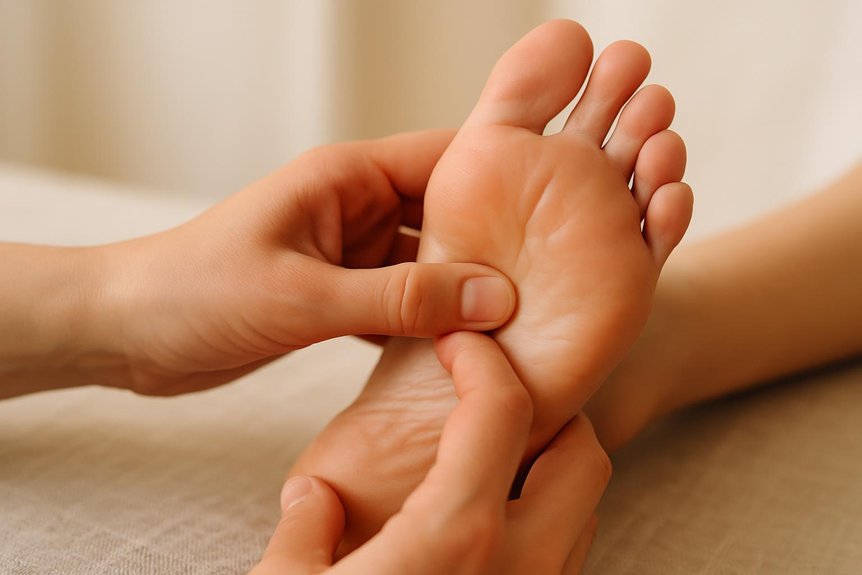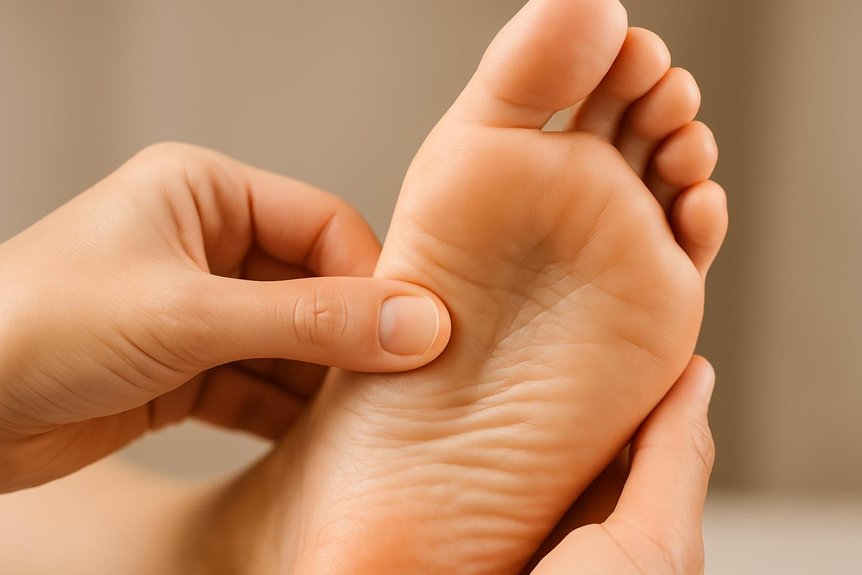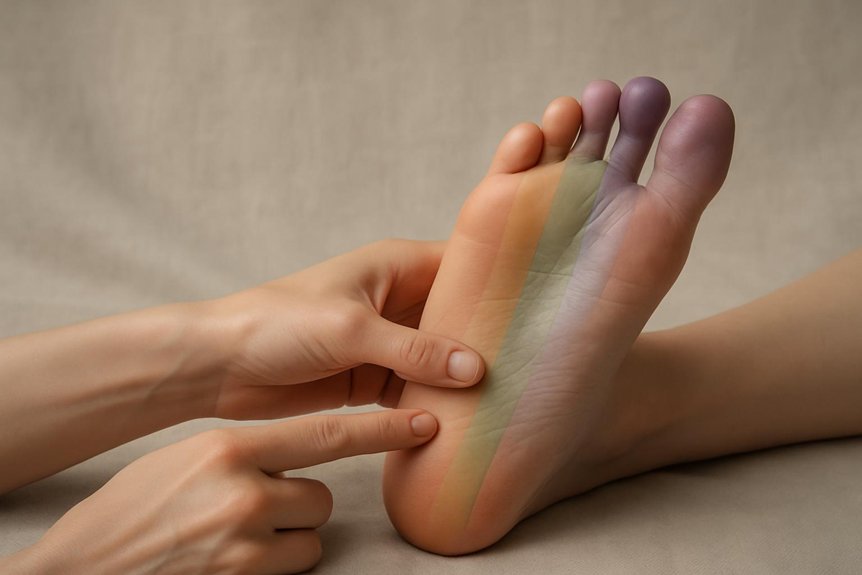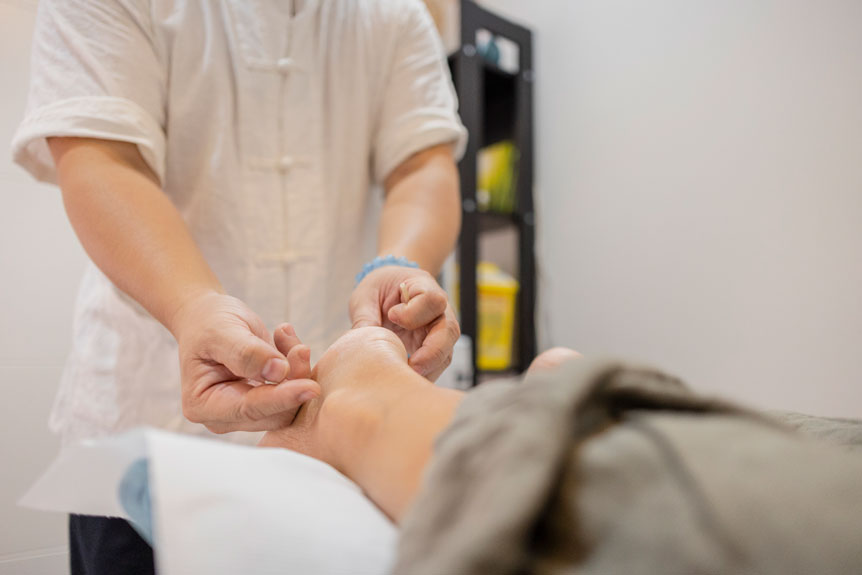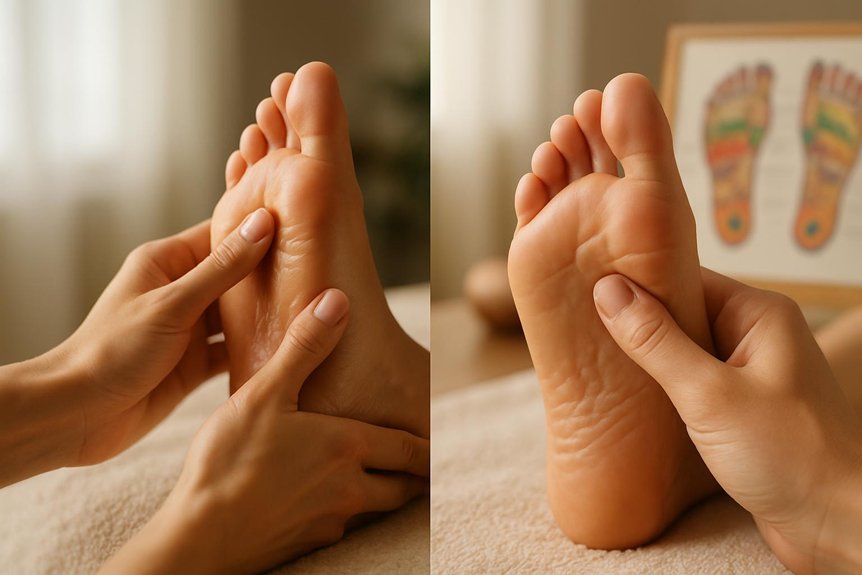
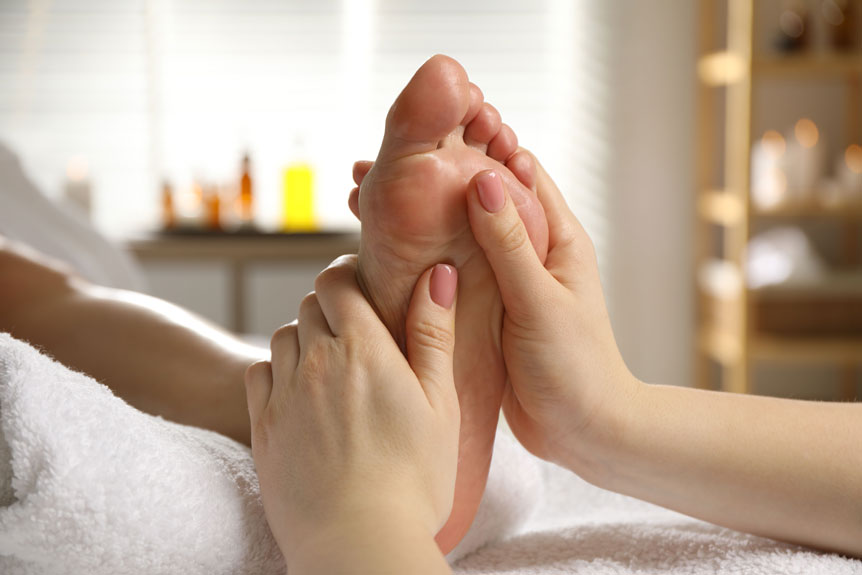
Many people notice zone therapy effects during the first session or within a few hours, often as deeper breathing, reduced muscle tension, warmth or tingling in the feet and hands, and easier sleep. More meaningful, consistent changes in stress load and sleep quality are commonly reported after 1–3 weekly treatments, while longer-standing discomfort or fatigue may improve gradually over 3–6 sessions. Mild next-day fatigue or tenderness can occur, and several factors influence response—details follow.
How Fast Can You Feel Reflexology Effects?
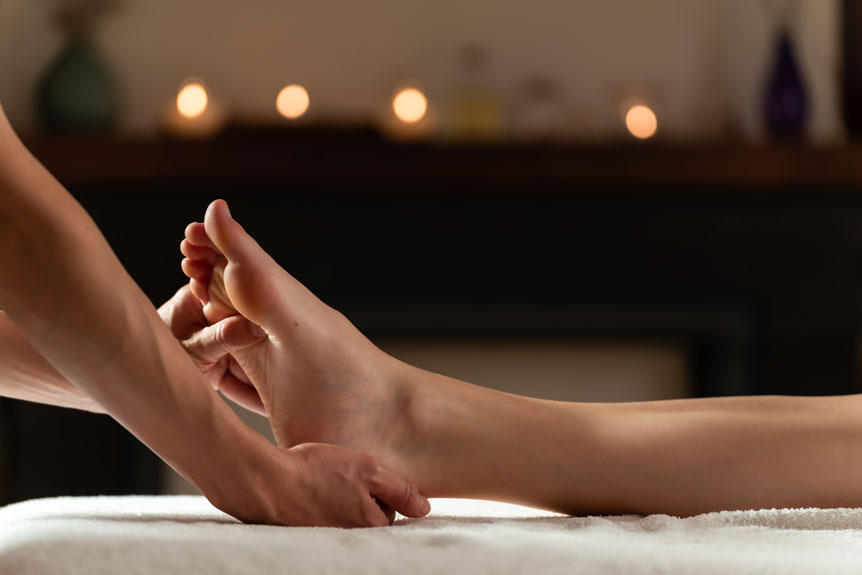
Often, zone therapy effects are felt within the first session—sometimes during treatment—as changes in relaxation, breathing rate, and perceived muscle tension.
At Spa & Massage clinics across London, therapists observe that responsiveness varies by baseline stress, sleep debt, hydration, and sensitivity to touch.
Evidence-informed practice links these early shifts to parasympathetic activation and pain-modulation mechanisms rather than immediate structural change.
Some clients notice warmth, a settling of the stomach, or a quieting of busy thoughts within minutes; others register subtler cues only when guided to track breath and bodily comfort.
For clearer onset, therapists tailor pressure, pacing, and focused foot zones to the client’s goals, inviting consent-led communication to maintain safety and a sense of closeness.
Many people also explore zone therapy for its potential healing power as part of a wider self-care routine.
What You May Feel After One Session?
After a single zone therapy session at Spa & Massage, clients may notice immediate body responses such as warmth in the feet, eased muscle tension, and a shift toward calmer breathing.
Some also report emotional and mental changes, including reduced stress, improved mood, or transient tiredness as the nervous system settles.
Mild next-day aftereffects—such as increased hydration needs, light fatigue, or temporary symptom fluctuation—can occur, and our therapists advise monitoring these responses and adjusting aftercare accordingly.
Immediate Body Responses
How quickly can zone therapy be felt? Many clients notice changes during the first session or within a few hours, though responses vary with stress load, sleep, hydration, and sensitivity to touch. Evidence suggests zone therapy may support relaxation and autonomic settling, which can shift physical sensations quickly.
Immediate body responses can include warmth in the feet or hands, gentle tingling, deeper breathing, a softened jaw, and a sense of heaviness as muscles let go. Some feel increased circulation, mild light-headedness, or a wave-like release through the legs or lower back.
Others notice temporary tenderness at specific points, or brief gurgling as digestion becomes more active. At Spa & Massage clinics, therapists encourage slow reorientation afterward, drinking water, and noting changes in sleep, tension, or comfort over the next day.
Emotional And Mental Shifts
Many people report a noticeable mental shift following a single zone therapy session, characterised by calmer mood, reduced mental “noise,” and improved ability to switch off.
In clinic settings, this is often described as a gentle downshifting of the stress response, with breathing settling and a greater sense of emotional safety.
While research is still emerging, findings on touch-based therapies suggest reduced anxiety and improved relaxation for some individuals.
At Spa & Massage, therapists observe that clients may feel unexpectedly teary, quietly reflective, or simply more patient with themselves—responses framed as normal releases rather than warning signs.
Some notice clearer boundaries, less rumination, and a softer inner dialogue.
If emotions feel intense, therapists encourage slow breathing and grounding.
Next-Day Aftereffects
By the next day, typical post-session effects include sustained relaxation, improved sleep quality, and subtle changes in energy or mood, reflecting a continued “settling” of the nervous system rather than an immediate peak-and-drop response.
Some clients notice reduced muscle guarding in the feet and calves, gentler breathing, and less jaw or shoulder tension.
Others report mild tenderness in specific foot zones, transient headache, or increased thirst; these are usually short-lived and may relate to hydration, sleep debt, or a shift in autonomic tone.
In Spa & Massage clinics, therapists recommend water intake, a light walk, and avoiding heavy alcohol after zone therapy to support recovery.
If dizziness, worsening pain, or persistent symptoms occur beyond 24–48 hours, a clinician review is advised.
Zone Therapy Results Timeline: Hours to Weeks
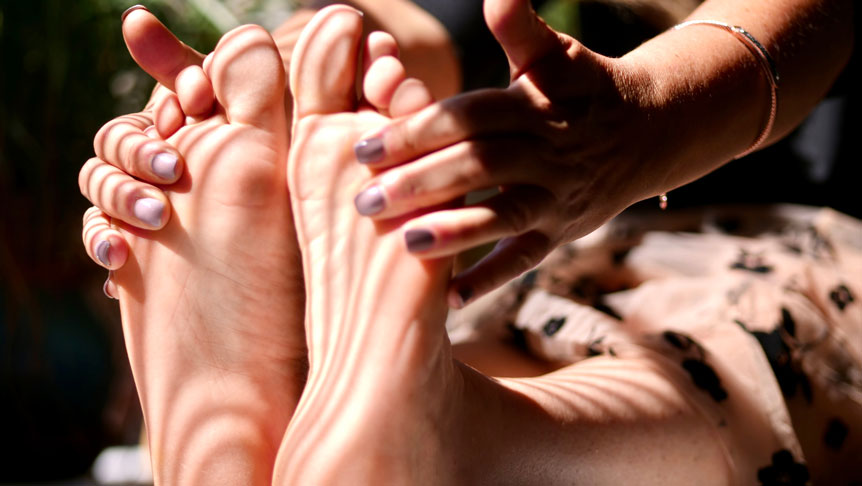
Within the first few hours after a zone therapy session, clients commonly notice a shift in nervous system tone—such as reduced tension, steadier breathing, and easier sleep—while other outcomes (including changes in pain patterns, digestive comfort, and overall energy) may unfold gradually over several sessions across one to four weeks.
In Spa & Massage clinics, therapists track timing by linking goals to session frequency and baseline symptoms. For stress load and sleep quality, some clients report meaningful change after 1–3 treatments, typically spaced weekly. For persistent discomfort or fatigue, improvements are often incremental, with clearer trendlines after 3–6 sessions.
Response speed can vary with workload, hydration, medications, and concurrent care. A brief check-in after each appointment helps tailor pressure, pacing, and follow-up scheduling.
Signs Zone Therapy Is Working (and Normal After-Effects)
Following the typical timeline of change, therapists at Spa & Massage look for client-reported positive signs such as reduced pain or tension, improved sleep, calmer mood, and steadier energy between sessions.
It is also common to experience short-lived, normal after-effects—including mild fatigue, increased thirst, temporary symptom fluctuation, heightened urination, or light emotional release—as the body settles after treatment.
These responses are best interpreted in context of the client’s goals and baseline, with progress tracked over several appointments to distinguish meaningful improvement from transient reactions.
Positive Signs Of Progress
Although zone therapy responses vary between individuals, progress is typically reflected in subtle, functional changes rather than dramatic sensations: clients often report deeper sleep, reduced stress reactivity, easier digestion, fewer tension-related headaches, and a general “lighter” feeling in the body over the next 24–72 hours, alongside normal short-lived after-effects such as temporary foot tenderness, increased urination, mild fatigue, or a brief emotional release as the nervous system downshifts.
At Spa & Massage, therapists look for steady, repeatable shifts: calmer breathing during treatment, softer jaw and shoulders, warmer feet and hands, and an easier sense of “settling” on the couch. Over subsequent days, progress may show up as improved focus, fewer afternoon energy crashes, and more consistent bowel regularity. When these changes persist between sessions, it suggests the body is integrating the work well.
Common Normal After-Effects
After a zone therapy session, short-lived after-effects are common and are generally considered normal indicators of a nervous-system “downshift” rather than a negative reaction. Many clients notice deep relaxation, sleepiness, or a gentle emotional release, often alongside warmth in the feet and softer breathing.
Mild light-headedness, a temporary headache, or increased thirst can occur as the body settles; hydration and a quiet evening usually help. Some people experience a brief flare in symptoms, such as tightness or tenderness in areas linked to their main concern, then a clearer sense of ease within 24–48 hours.
At Spa & Massage clinics across London, therapists advise slow adjustments after the session, warm water, and attentive self-check-ins, especially after the first appointment.
Why Your Zone Therapy Results May Differ
Why do some people notice changes after a single zone therapy session while others need several?
Response varies with baseline stress load, sleep quality, hydration, medication, and underlying health conditions, which can influence pain sensitivity, circulation, and nervous‑system tone.
Some clients arrive highly “wired,” so relaxation is felt immediately; others are already calm and notice subtler shifts. Expectation, past bodywork experiences, and how safe and held someone feels can also modulate perceived benefit.
Technique matters: pressure tolerance, foot sensitivity, and the choice of areas worked affect comfort and results. At Spa & Massage clinics across London, therapists tailor pacing, depth, and aftercare guidance to the individual.
Practical factors—recent exercise, alcohol, menstrual cycle, and workload—may mask or amplify changes over the following days.
How Many Zone Therapy Sessions Do You Need?
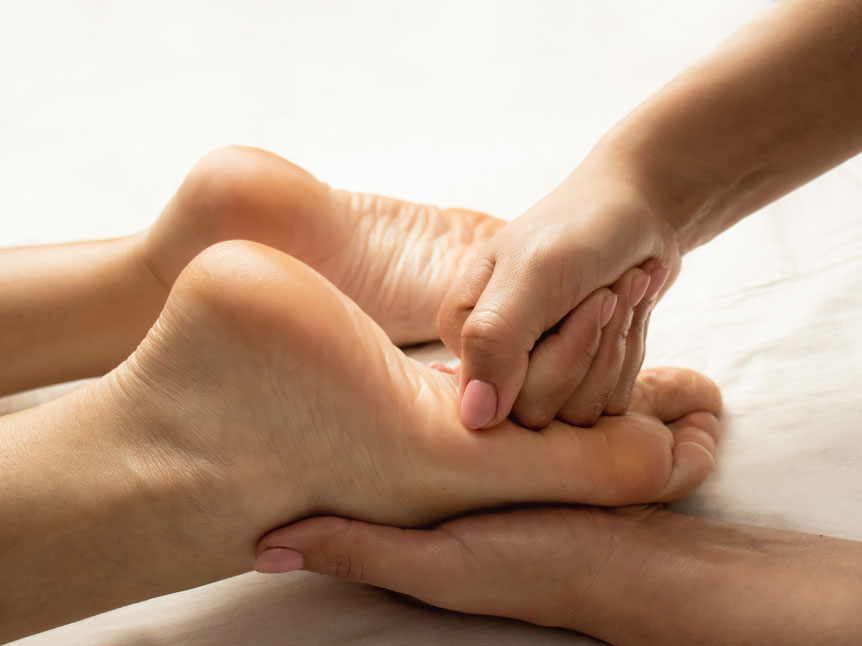
Often, the number of zone therapy sessions needed depends on the goal (short-term relaxation versus ongoing symptom support), the severity and duration of concerns, and how consistently appointments can be spaced.
For general stress reduction, many clients notice a shift after 1–2 sessions, while a short series of 3–6 appointments may better consolidate calming effects.
For longer-standing tension patterns, sleep disruption, or period-related discomfort, a clinician-informed approach typically starts with weekly or fortnightly sessions for 4–8 weeks, then reassesses.
At Spa & Massage clinics across London, therapists collaborate with clients to set gentle expectations, track changes in mood, rest, and bodily ease, and adjust pressure and pacing.
Any worsening, new pain, or medical red flags warrant GP review promptly.
How to Make Zone Therapy Results Last Longer
Consistently, zone therapy results tend to last longer when the nervous system is supported between sessions through simple, repeatable habits rather than relying on treatment alone. At Spa & Massage clinics, therapists advise hydration, regular meals, and reduced alcohol for 24–48 hours to stabilise circulation and sleep.
Gentle foot self-care helps maintain gains: warm Epsom-salt soaks, slow calf and plantar fascia stretching, and 2–3 minutes of firm thumb pressure on tender points, kept within comfortable intensity. Breathing down-regulation (4–6 breaths per minute for five minutes) can reinforce parasympathetic tone and reduce reactivity.
Spacing sessions strategically also matters; many clients benefit from weekly appointments initially, then tapering to fortnightly or monthly maintenance, aligned with symptoms and stress load.
Conclusion
It effects may be felt immediately or develop gradually across several sessions, depending on baseline stress, symptom pattern, and treatment consistency. Some clients report rapid relaxation, improved sleep, or reduced tension within hours; others notice steadier day‑to‑day regulation over weeks. Mild, short‑lived after‑effects (e.g., fatigue or increased thirst) can be normal. Tracking sleep, mood, and discomfort helps clarify change. With an appropriately spaced course, benefits can feel almost life‑changing.