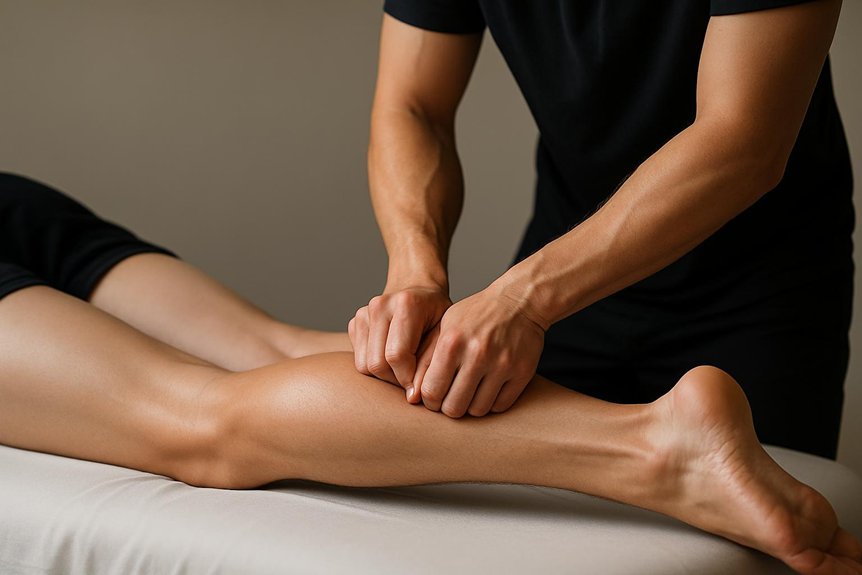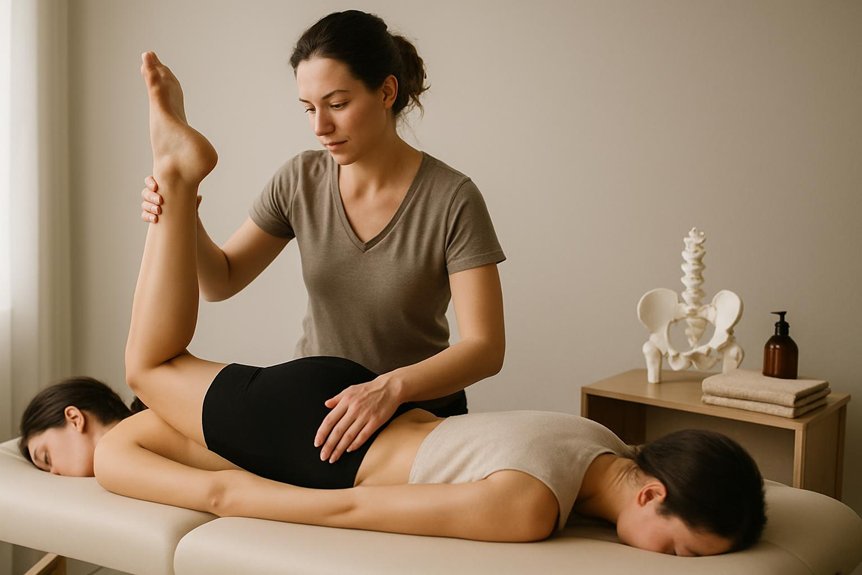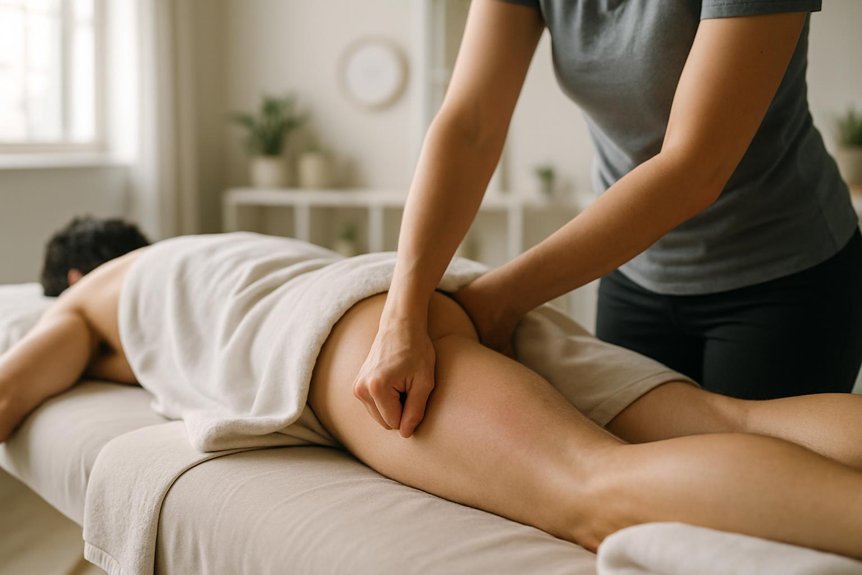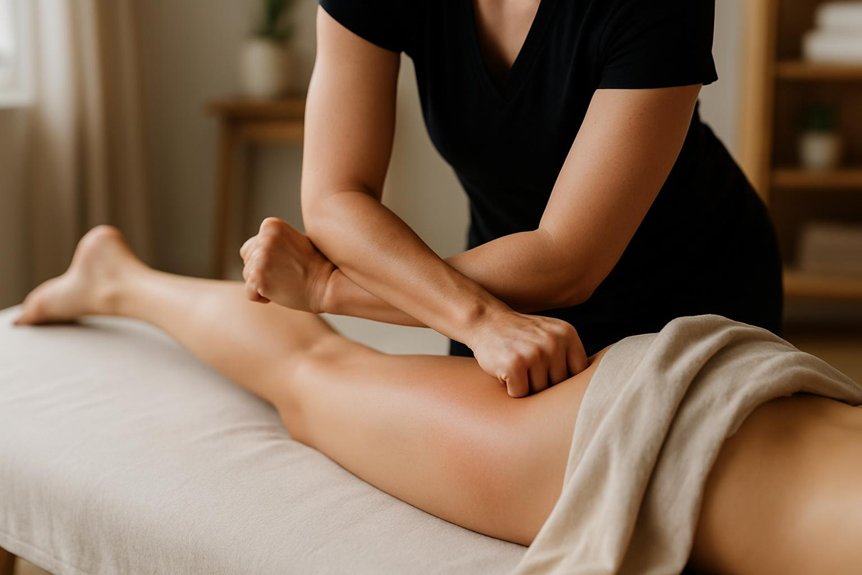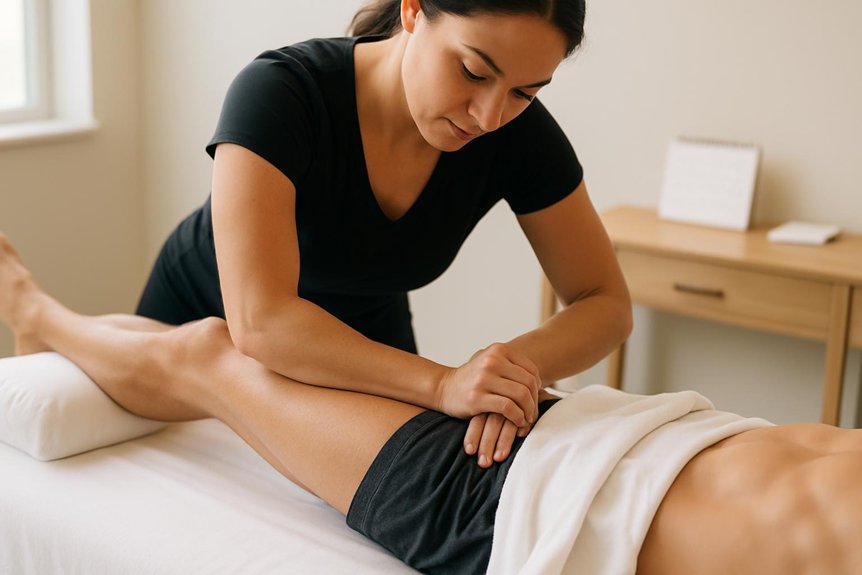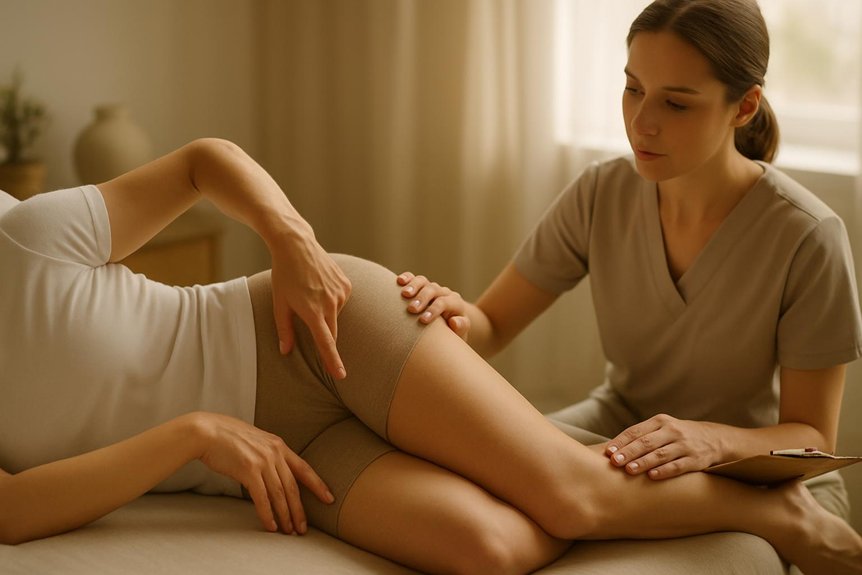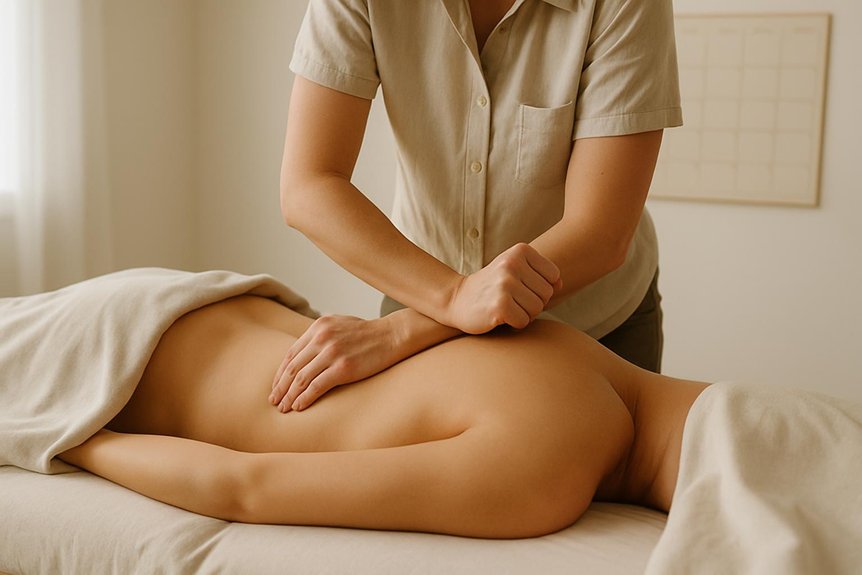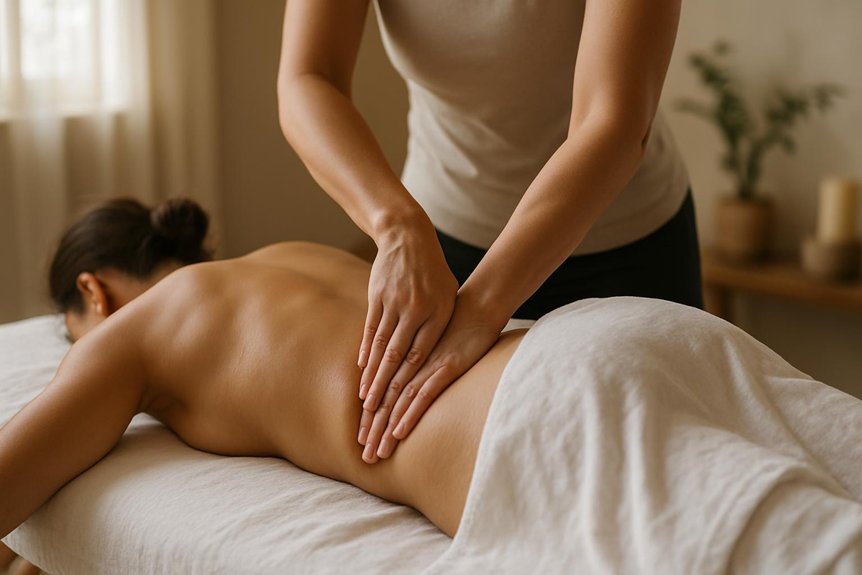
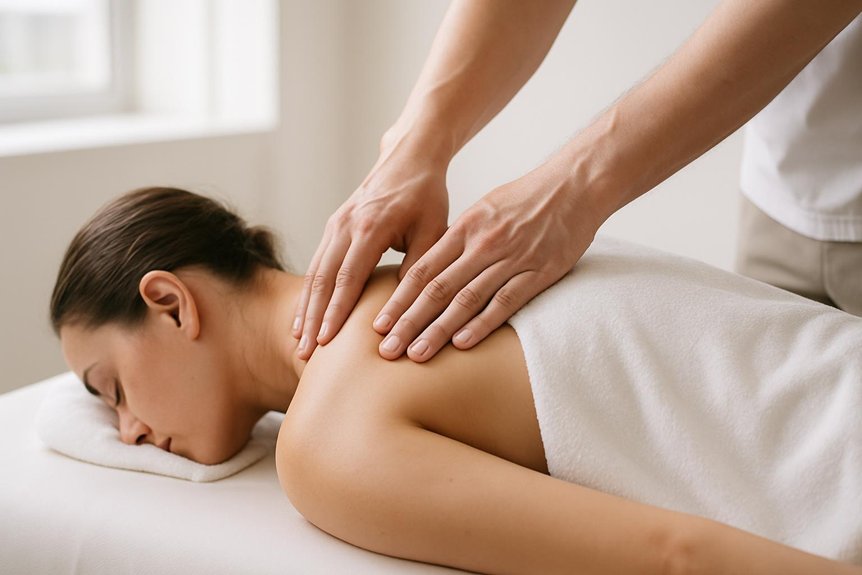
Most people with neck pain benefit from intensive tissue massage about once weekly for 2–4 weeks, especially during persistent or acute phases, then tapering to every 2–4 weeks as tenderness eases and range of motion normalises. Mild, intermittent discomfort may respond to sessions every 3–6 weeks, while posture-related maintenance is often spaced 3–6 weekly or monthly. Typical spacing is 5–10 days to allow recovery, adjusted to symptom irritability and relief duration. Further guidance covers soreness, overdoing it, and red flags.
How Often Should You Get Deep Tissue for Neck Pain?
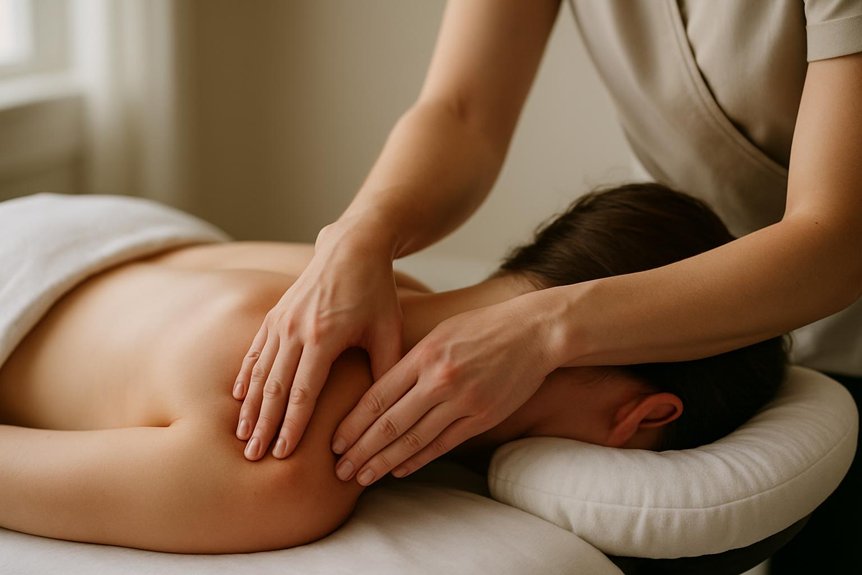
Often, the ideal intensive tissue massage frequency for neck pain depends on symptom severity, duration, and contributing factors such as posture, stress load, and activity demands. In Spa & Massage clinics across London, therapists commonly suggest an initial course of 1 session weekly for 2–4 weeks when pain is persistent, then tapering to every 2–4 weeks as tenderness eases and movement normalises.
For milder, intermittent discomfort, sessions every 3–6 weeks may be sufficient to sustain tissue tolerance and calm protective muscle guarding. Frequency is adjusted to post-treatment soreness, sleep quality, and daily function; more is not always better. Deep tissue work can help release chronic muscle tension by targeting deeper layers, supporting more lasting relief when applied with appropriate pacing and technique, as outlined in deep tissue massage techniques. Client comfort and consent guide pressure, pacing, and boundaries, supporting a safe, close, and reassuring therapeutic experience for every body.
When Does Intensive Tissue Massage Help Neck Pain Most?
After settling on a session schedule, the next consideration is timing—intensive tissue massage tends to help neck pain most when symptoms are driven by myofascial tightness and protective muscle guarding rather than acute injury.
It is often most effective when pain feels dull, stiff, or “knotted,” especially after prolonged desk work, stress, travel, or sleep positions that shorten the upper trapezius, levator scapulae, and suboccipitals.
At Spa & Massage clinics across London, therapists look for trigger points, restricted glide, and limited cervical rotation, then apply slow, specific pressure with paced breathing to reduce threat and restore comfort.
Benefits are commonly greatest when treatment is paired with hydration, gentle heat, and brief mobility work within pain-free range. It can also help during headache patterns linked to neck tension.
How Often for Mild vs Severe Neck Pain?
Typically, the recommended frequency of intensive tissue massage for neck pain is guided by symptom severity, irritability, and how quickly discomfort returns between sessions.
For mild, intermittent neck tension (e.g., desk-related tightness without sharp pain), many clients do well with periodic sessions, adjusting based on sustained relief and day-to-day function.
When symptoms are moderate, more structured care is often appropriate until tenderness and range of motion improve.
For severe or highly reactive pain—marked stiffness, sleep disruption, headaches, or pain that escalates with light touch—therapists at Spa & Massage typically begin conservatively, using tolerable pressure and targeted work to reduce protective guarding.
Frequency is then titrated to response, prioritising safety, comfort, and a sense of calm, connected care.
How Many Days Should You Leave Between Sessions?
In practice, the number of days to leave between deep tissue sessions for neck pain is determined by tissue recovery time, symptom irritability, and how long relief lasts before tightness returns.
For most clients, spacing sessions 5–10 days apart allows the neck and upper back to adapt while maintaining gains in mobility and ease.
When symptoms flare quickly, a shorter interval of 3–7 days may be used briefly, then widened as stability improves.
If relief lasts longer, 10–14 days can support consolidation without over-treating sensitive tissues.
At Spa & Massage clinics across London, therapists reassess tenderness, range of motion, and daily triggers each visit, and adjust timing so care feels close, responsive, and respectful of boundaries and comfort.
Will You Feel Sore After Intensive Tissue Massage?
Mild post-treatment soreness is often reported following an intensive tissue massage for neck pain, particularly when work has focused on guarded tissues in the upper trapezius, levator scapulae, and the base of the skull. This tenderness is typically short-lived, similar to delayed-onset muscle soreness, and may reflect mechanical loading, increased local circulation, and a change in tone in sensitised tissues.
At Spa & Massage, therapists titrate pressure carefully and invite ongoing feedback so the work feels therapeutic, not threatening. Soreness is usually eased with hydration, a warm shower or heat pack, and gentle neck range-of-motion the same day.
Light stretching and unhurried sleep can support recovery. If soreness is sharp, worsening, or accompanied by headache, dizziness, numbness, or radiating arm pain, reassessment is advised promptly.
When Are You Having Too Many Deep Tissue Sessions?
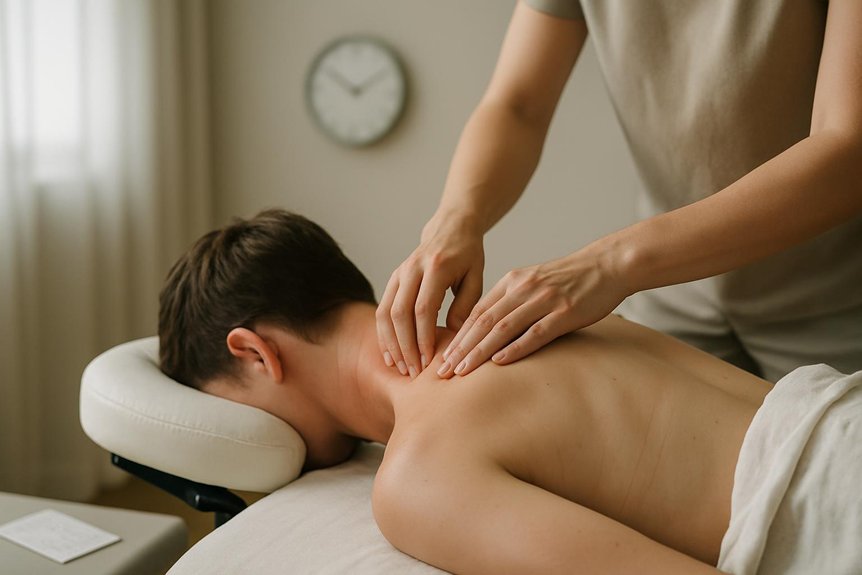
Too many deep tissue sessions may be indicated when post-treatment soreness persists beyond 48–72 hours, bruising increases, range of motion worsens, or neck pain becomes more irritable between appointments.
In Spa & Massage clinics, therapists monitor these responses and adjust pressure and frequency to support tissue recovery and sustained symptom improvement.
For most clients, spacing sessions to allow measurable recovery—often several days to a week, depending on sensitivity and goals—helps minimise overload while maintaining therapeutic progress.
Signs You’re Overdoing It
It is generally well tolerated, but overly frequent sessions can outpace tissue recovery and shift treatment from therapeutic to irritating. Common signs include soreness lasting beyond 48–72 hours, escalating tenderness to touch, new bruising, or a sense of “rawness” in the neck and shoulders.
Some clients notice headaches, fatigue, disturbed sleep, or increased guarding and stiffness after treatment rather than ease. A flare in nerve-like symptoms—tingling, burning, radiating pain, or reduced grip—warrants prompt reassessment.
At Spa & Massage clinics across London, therapists also watch for diminished benefit session-to-session, heightened sensitivity during pressure, or emotional overwhelm when work feels too intense. These signals suggest the body needs less intensity, more recovery, or a different approach.
Ideal Session Spacing
In practice, ideal spacing for neck-focused intensive tissue massage depends on symptom severity, tissue irritability, and how quickly post-treatment soreness resolves.
For acute flare-ups, Spa & Massage therapists often begin with sessions every 7–10 days to allow tissue recovery and nervous-system settling.
For persistent, moderate pain, 10–14 days is commonly sufficient, with progress reviewed at each visit.
Maintenance for posture-related tension typically suits 3–6 weekly spacing.
Too many sessions are suggested when soreness lasts beyond 48 hours, bruising appears, headaches increase, sleep worsens, or the neck feels guarded rather than freer.
In those cases, therapists reduce intensity, extend intervals, and add gentler techniques, heat, hydration, and home mobility to keep care both effective and comfortably close.
When Should You See a Clinician for Neck Pain?
Neck pain can sometimes indicate a condition that requires clinical assessment rather than self-management or massage alone. A clinician should be consulted urgently after trauma, with fever, unexplained weight loss, night sweats, severe headache, or new neurological signs such as arm weakness, numbness, gait change, or altered bladder/bowel control.
Prompt review is also advised for pain that is constant, worsening, wakes someone at night, or persists beyond two to four weeks despite sensible activity, sleep support, and gentle movement. If dizziness, chest pain, jaw pain, or shortness of breath accompanies neck symptoms, emergency care is appropriate.
At Spa & Massage, therapists screen for red flags and adapt touch carefully, referring clients when medical input is safer.
Conclusion
Intensive tissue massage for neck pain is typically most effective when scheduled according to symptom severity, tissue tolerance, and functional goals, then tapered as mobility and comfort improve. In one survey, nearly 1 in 5 adults reported neck pain within the previous three months, underscoring how common recurrent symptoms are. Consistent spacing between sessions, monitored soreness, and individualized pressure help prevent flare-ups. Combining treatment with posture changes and targeted mobility work supports longer-lasting, measurable relief.