It can help hip pain when symptoms are mainly due to myofascial tightness, muscle overuse, or protective guarding rather than acute injury or significant joint disease. Slow, sustained pressure to deeper layers of the hip flexors, gluteal muscles, and rotators may reduce tissue tone and improve short-term comfort and range of motion, especially alongside hydration, gentle walking, and mobility work. It may worsen acute strains, bursitis, nerve sensitivity, or inflammatory flares; further details clarify best candidates and aftercare.
Is Deep Tissue Massage Good for Hip Pain?
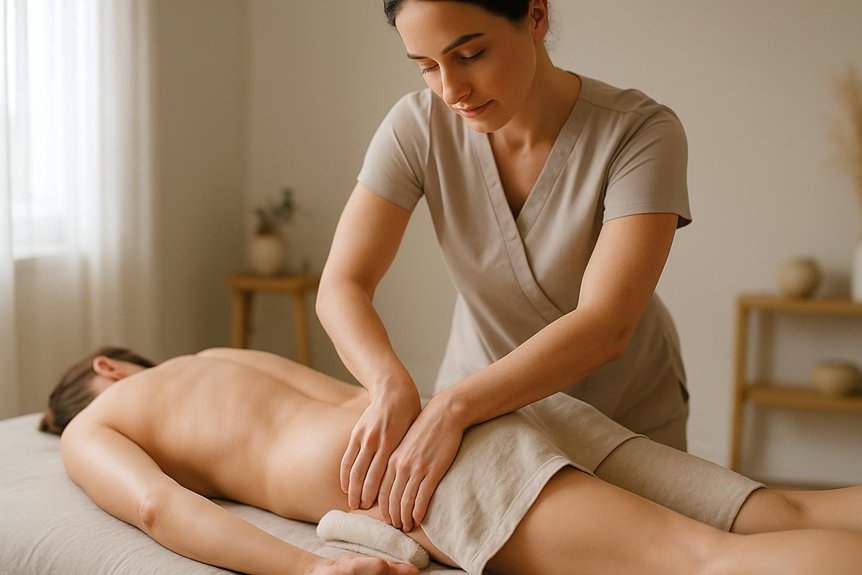
For many people, it can be a helpful adjunct for hip pain when symptoms are driven by myofascial tightness, overuse, or movement-related muscle guarding rather than acute injury. By applying slow, sustained pressure, therapists may reduce tone in surrounding tissues and support short-term improvements in comfort and range of motion. Deep tissue work commonly uses slow, sustained pressure to address deeper layers of muscle and connective tissue.
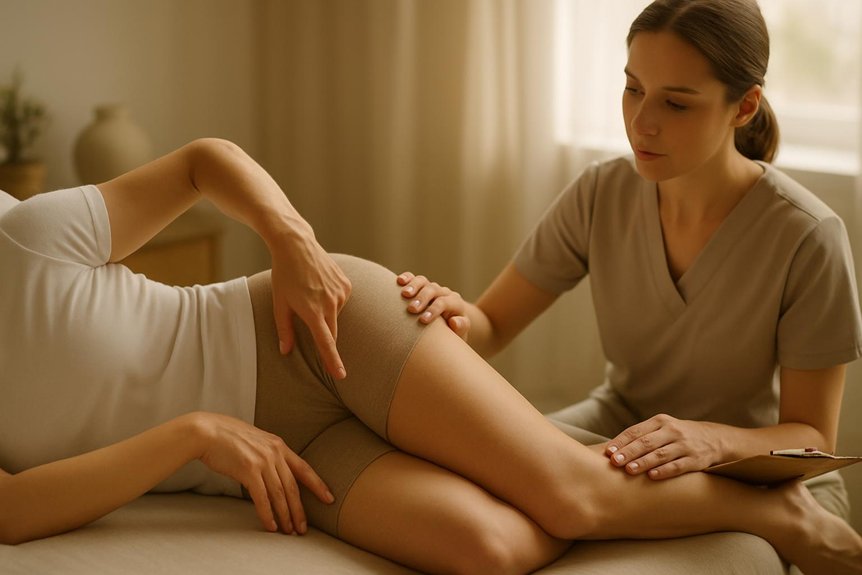
At Spa & Massage clinics across London, therapists assess posture, gait, and tender points, then work with gluteal, hip flexor, and lateral hip tissues within the client’s tolerance. Clear communication, paced pressure, and soothing draping help clients feel safe and held while the nervous system settles. Effects are often enhanced when paired with hydration, gentle walking, and prescribed mobility work.
Persistent, worsening, or traumatic pain warrants medical assessment.
Which Types of Hip Pain Respond to Deep Tissue?
It is most likely to help when hip pain is primarily driven by soft‑tissue factors rather than joint pathology, fracture, or systemic inflammatory disease. Pain linked to muscular overuse, protective guarding, or postural load often responds best, including tightness around the outer hip, deep ache after sitting, and referral patterns from the low back or buttock.
It may also support recovery from non‑acute tendinopathy and myofascial pain where palpation reproduces familiar discomfort and movement feels restricted yet stable. In Spa & Massage clinics across London, therapists screen for red flags and focus on clients with clear soft‑tissue tenderness, decreased range, and pain that eases with warmth or gentle movement.
When pain is severe, night‑waking, febrile, or traumatic, referral is advised.
How Deep Tissue Work Releases Hip Flexors and Glutes
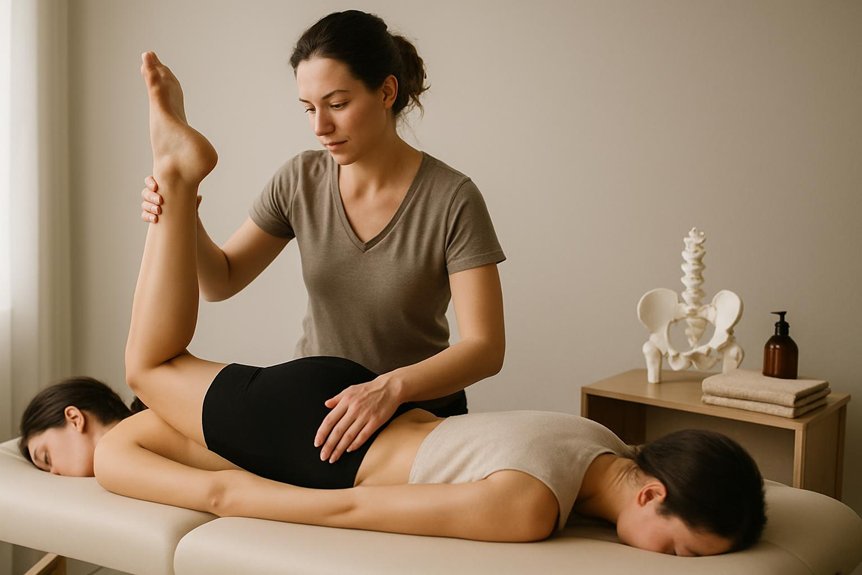
In treatment, targeted deep‑tissue techniques can reduce excessive tone and myofascial restriction in the hip flexors (particularly iliopsoas and rectus femoris) and the gluteal complex (gluteus medius, minimus, and maximus), which commonly contribute to anterior hip tightness, buttock pain, and limited hip extension or rotation.
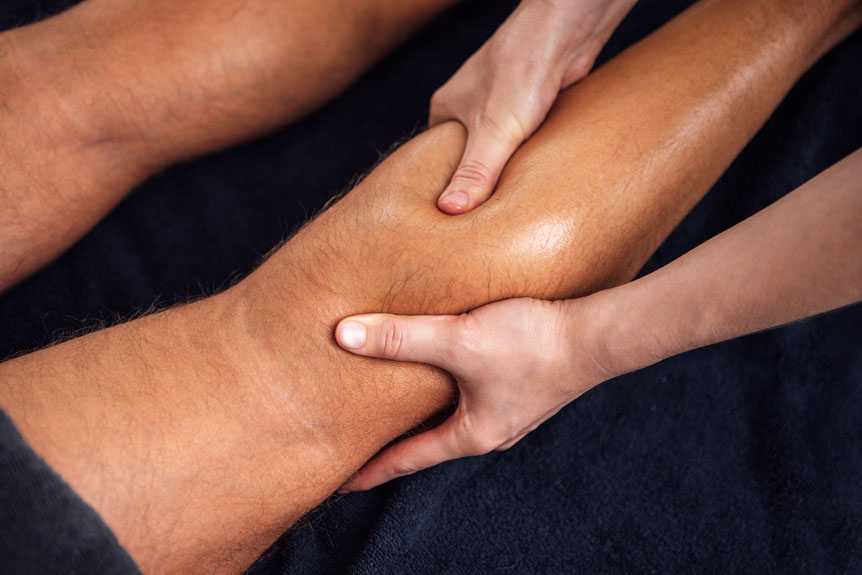
Therapists apply slow, specific pressure along fibre direction and at tender trigger points to modulate pain sensitivity and improve tissue glide, supporting more efficient hip mechanics.
At Spa & Massage clinics across London, this work is paired with careful pelvic positioning and breath‑led softening so the nervous system permits release rather than guarding.
As tone normalises, clients often feel a warmer, fuller hip range with less pinch or pull, and walking, sitting, and training can become easier.
What to Expect From Hip Intensive Tissue Massage
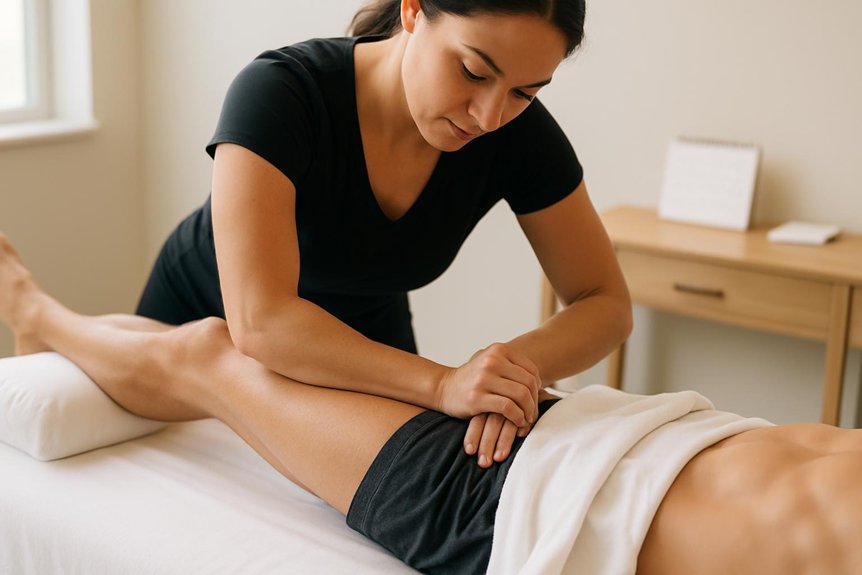
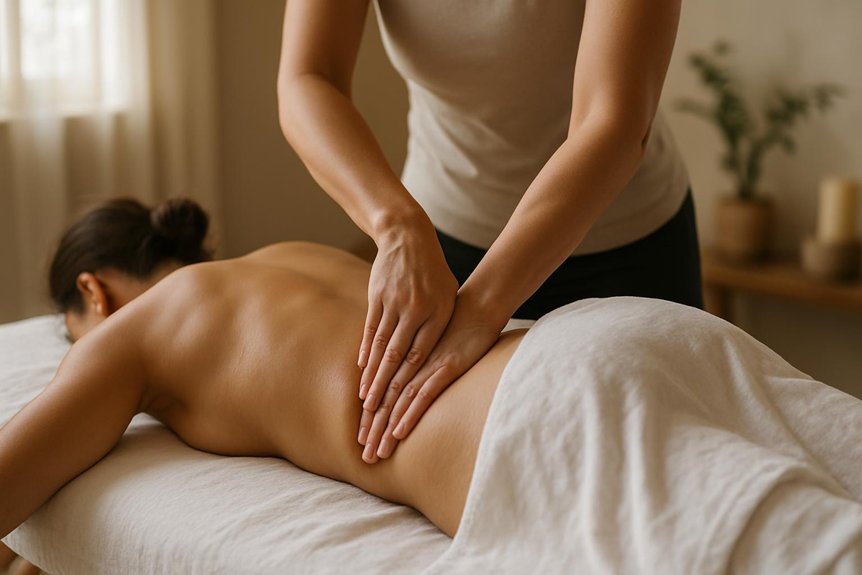
As hip flexor and gluteal tone reduces and tissue glide improves, the next priority is setting clear expectations for how a hip-focused deep tissue session is typically structured. At Spa & Massage clinics across London, therapists begin with brief history-taking, movement screening, and consent, then position the client comfortably with draping to protect privacy and warmth.
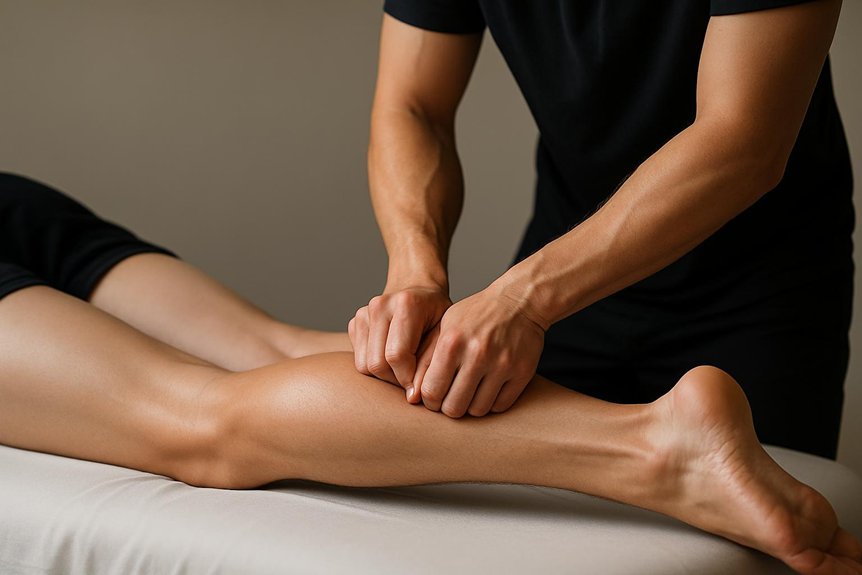
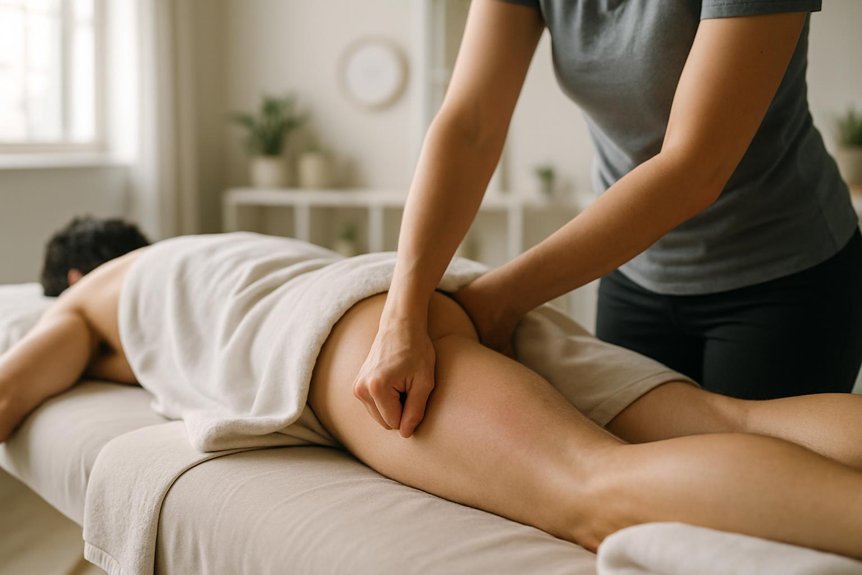
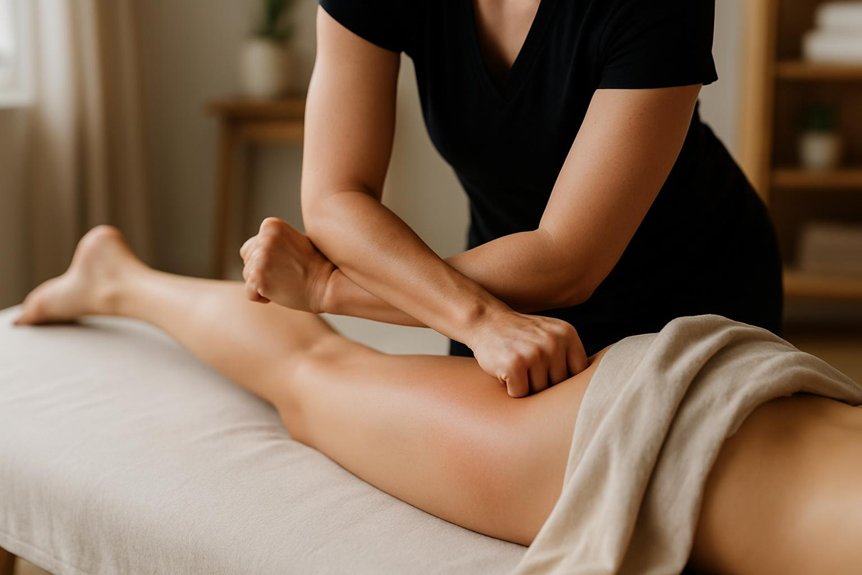
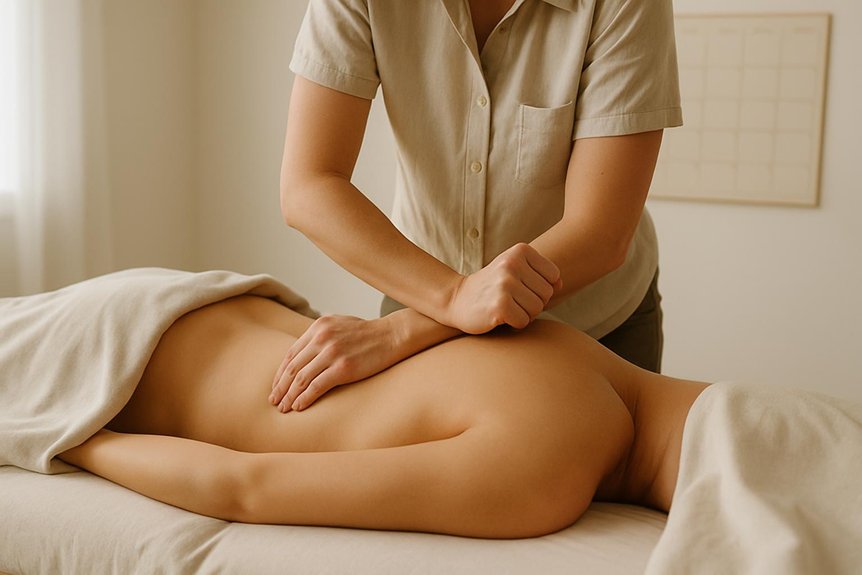
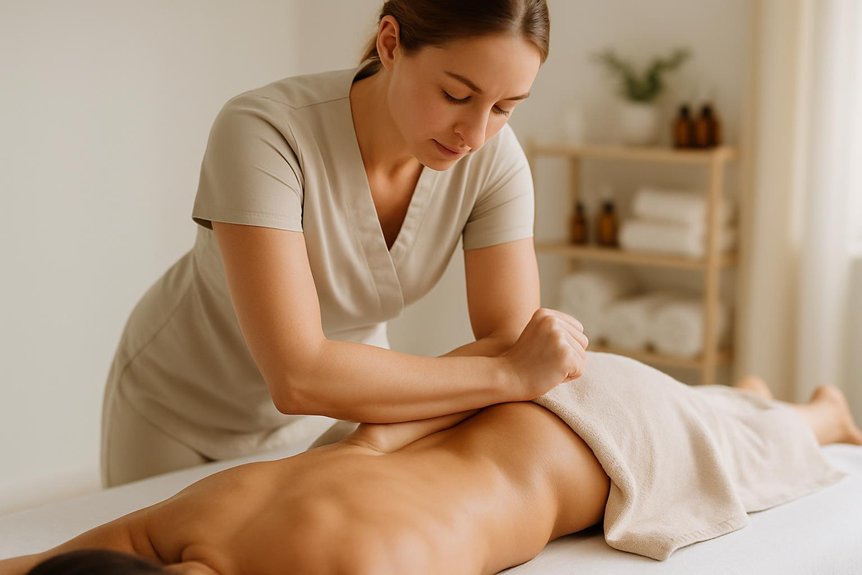
Work often starts superficially to prepare fascia, then deepens slowly into iliopsoas-adjacent tissues, TFL/ITB, gluteus medius/minimus, and rotators, using forearms, knuckles, and sustained compression. Pressure is negotiated continuously, aiming for “strong but safe” and steady breathing. Some tenderness and referral sensations are common.
Aftercare typically includes hydration, gentle walking, and simple hip mobility cues. Sessions are tailored to goals and comfort.
When Intensive Tissue Massage Can Make Hip Pain Worse
Used appropriately, intensive tissue massage can reduce hip pain; applied at the wrong time or intensity, it can aggravate symptoms by increasing tissue irritation or sensitising already reactive nerves.
Flare-ups are more likely with acute strains, bursitis, tendon irritation, or inflammatory arthritis, where heavy pressure can amplify local inflammation and protective muscle guarding.
It may also worsen pain when nerve involvement is present (e.g., sciatica-like symptoms), as sustained compression around the gluteal region can heighten neural sensitivity.
In people with osteoporosis, anticoagulant use, recent injections or surgery, or suspected fracture, deep techniques can pose avoidable risk.
At Spa & Massage, therapists adapt depth and pacing and will pause if pain becomes sharp, burning, or lingers beyond expected soreness.
Aftercare After Deep Tissue for Hip Pain (and How Long It Lasts)
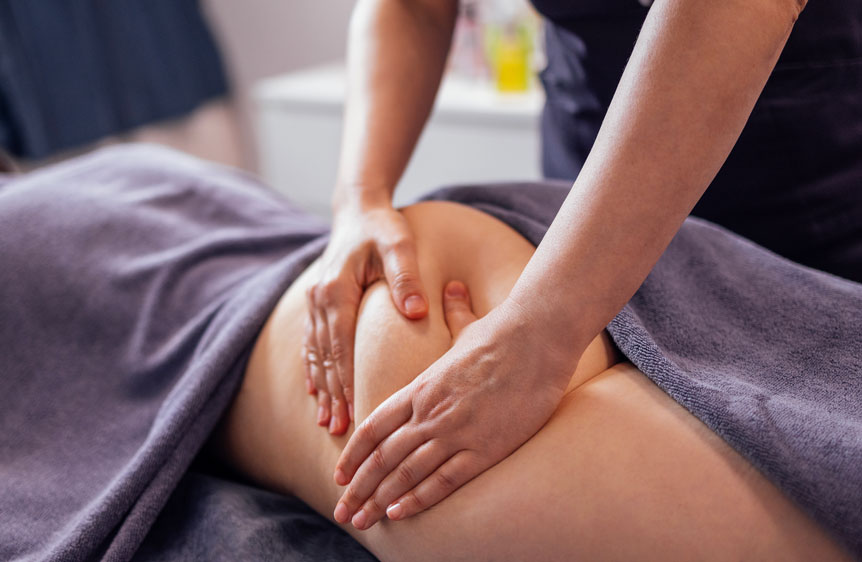
What should someone expect after an intensive tissue massage for hip pain—and how long should the effects last? Mild tenderness, warmth, and temporary soreness for 24–48 hours are common, reflecting tissue loading and post-treatment sensitivity. Many notice easier hip movement immediately, with peak relief often over 1–3 days; benefits may last several days to two weeks, longer when sessions are spaced and paired with self-care.
Spa & Massage therapists advise hydration, a short walk, and gentle hip range-of-motion the same day. Heat can ease stiffness; ice suits sharp, inflamed tenderness. Avoid heavy training for 24 hours, but keep light activity to prevent guarding. Clients should seek clinical review if pain escalates, numbness appears, or bruising is extensive.
Conclusion
It can be beneficial for hip pain driven by muscular tightness, trigger points, and restricted mobility, particularly in the hip flexors, gluteals, and lateral thigh. Like slowly untying a stubborn knot, targeted pressure may reduce guarding, improve local circulation, and support more efficient movement when paired with sensible aftercare. Outcomes vary, and symptoms should not be forced through pain. Worsening discomfort, night pain, neurological signs, or trauma warrant prompt clinical assessment.