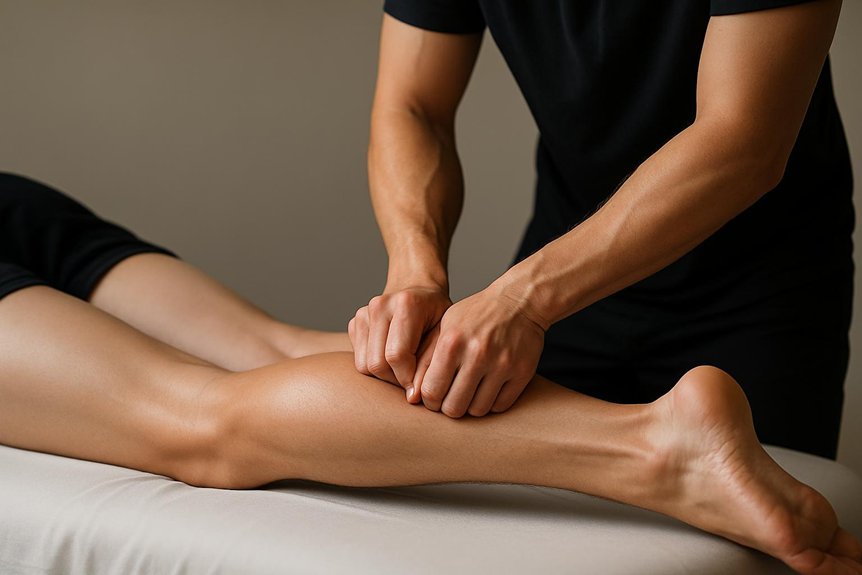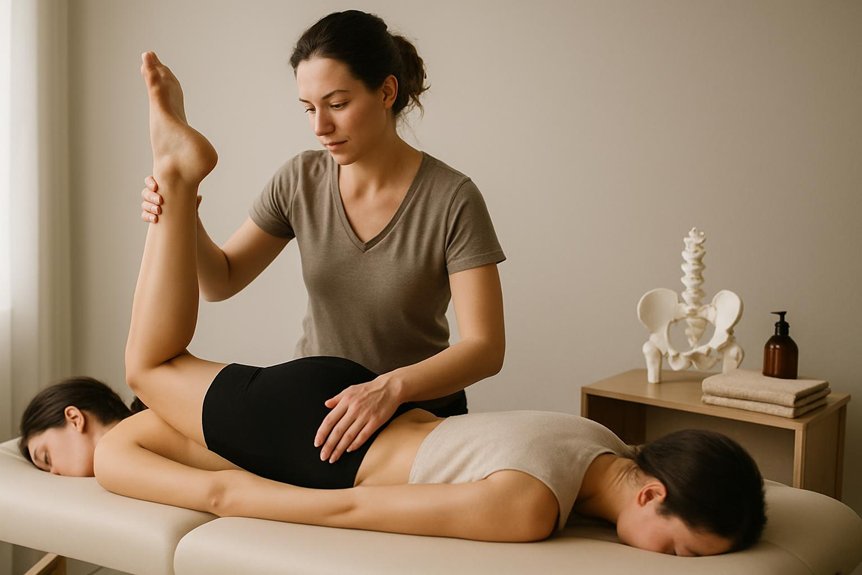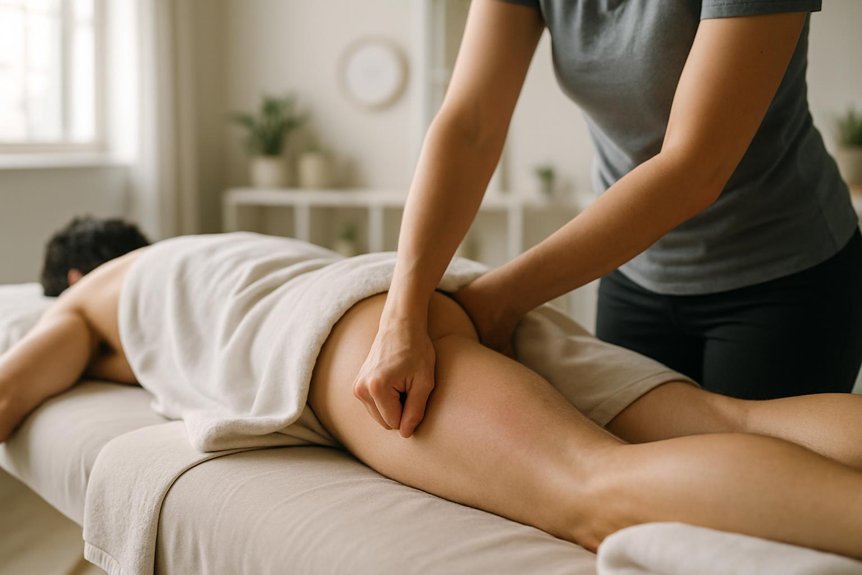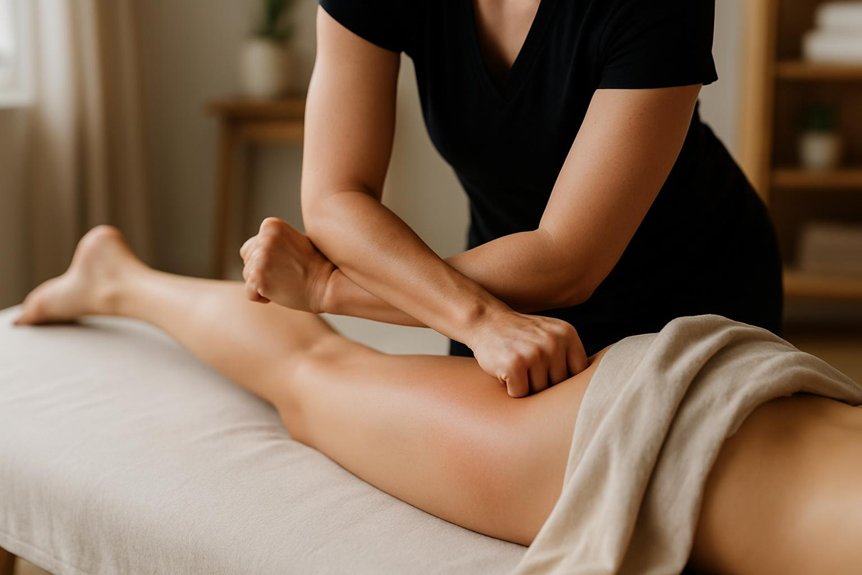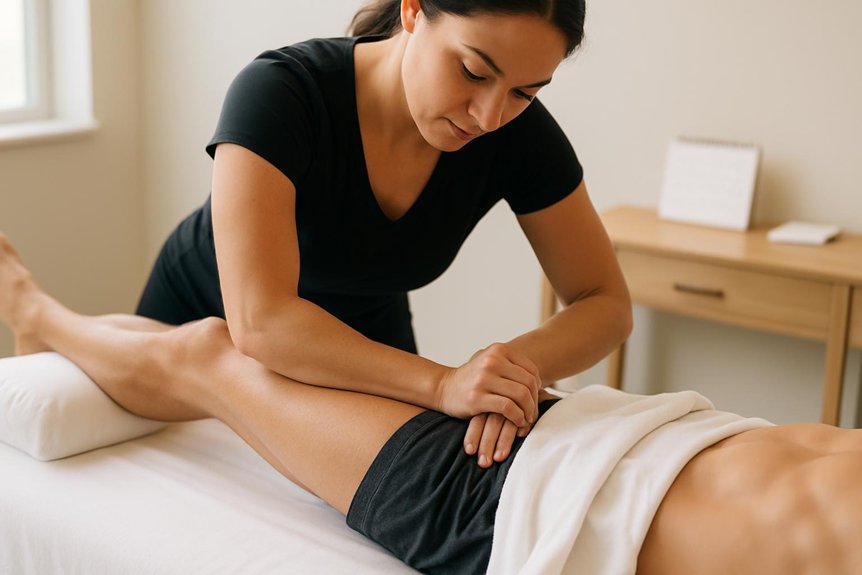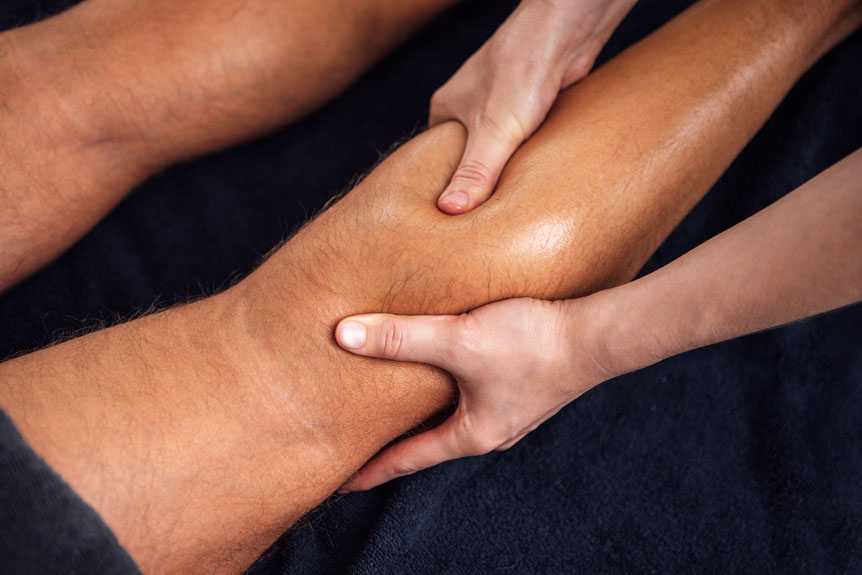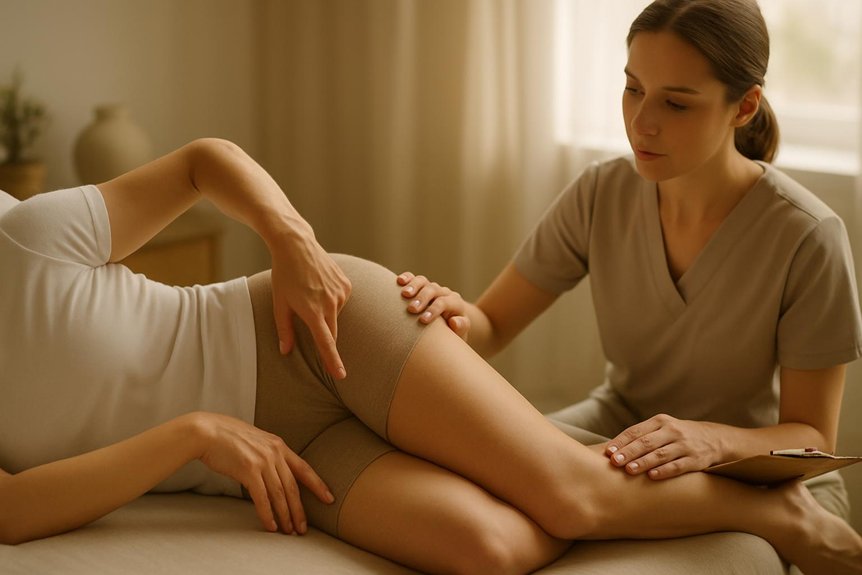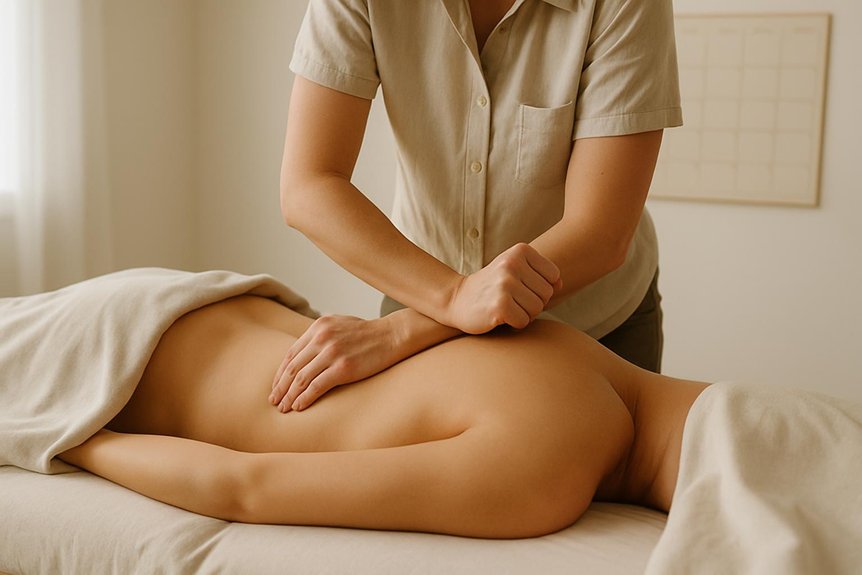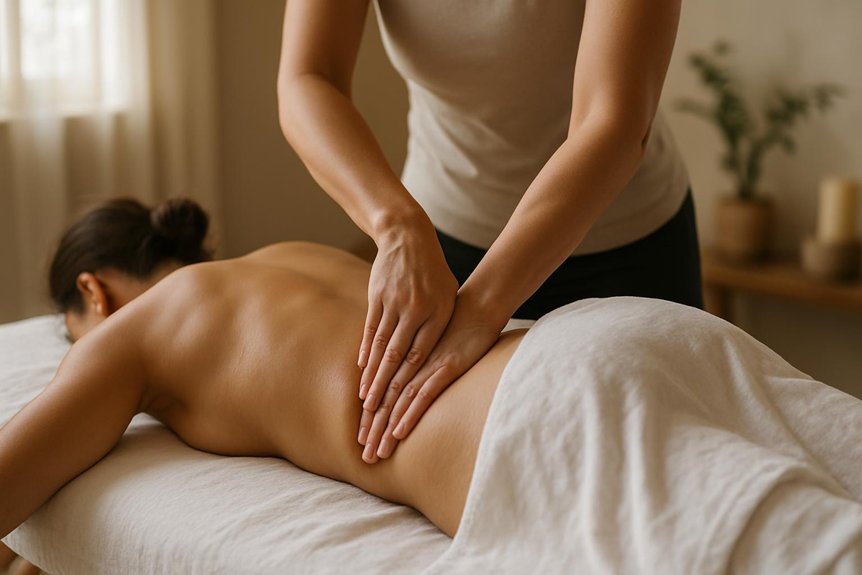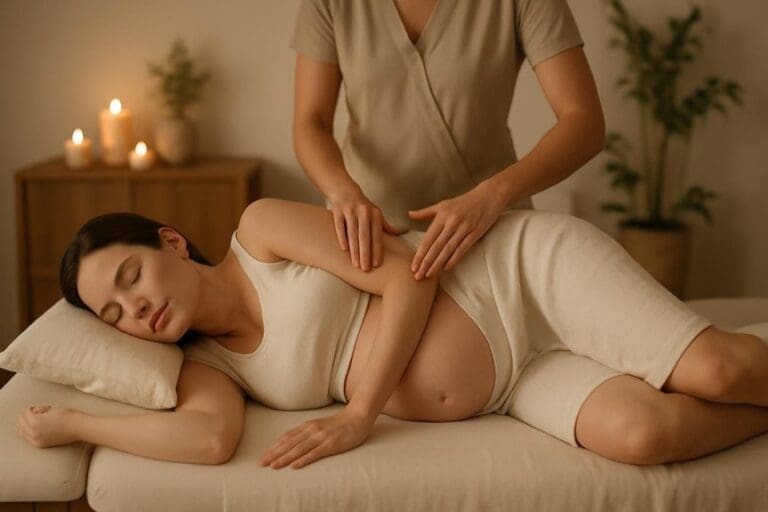
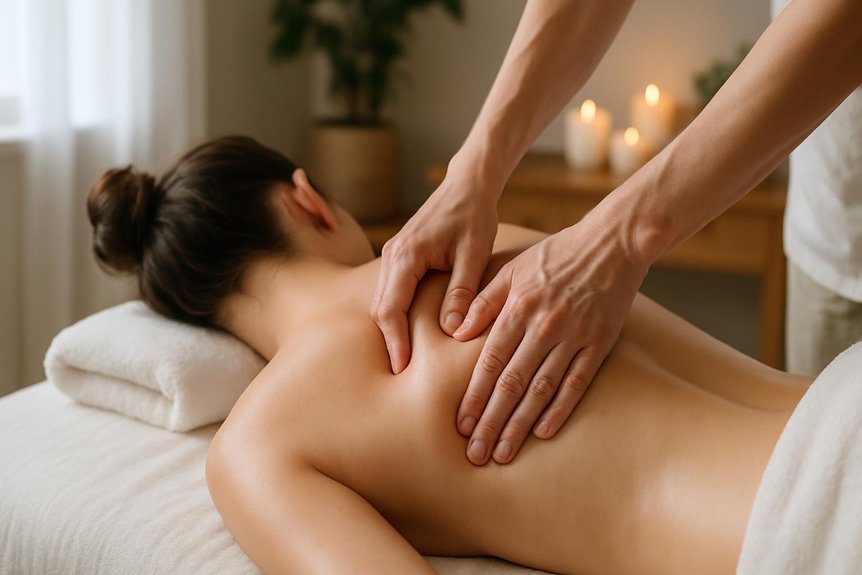
It can help shoulder pain when symptoms are driven by myofascial tightness, trigger points, and chronic muscle hypertonicity in areas such as the upper trapezius, levator scapulae, rotator cuff, and pectoral complex. Slow, sustained pressure and specific cross-fibre or trigger-point compression can reduce guarding, improve tissue glide, and support better scapulothoracic mechanics and range of motion, often within 1–3 sessions. Further sections outline ideal candidates, precautions, and aftercare.
Is It Good for Shoulder Pain?
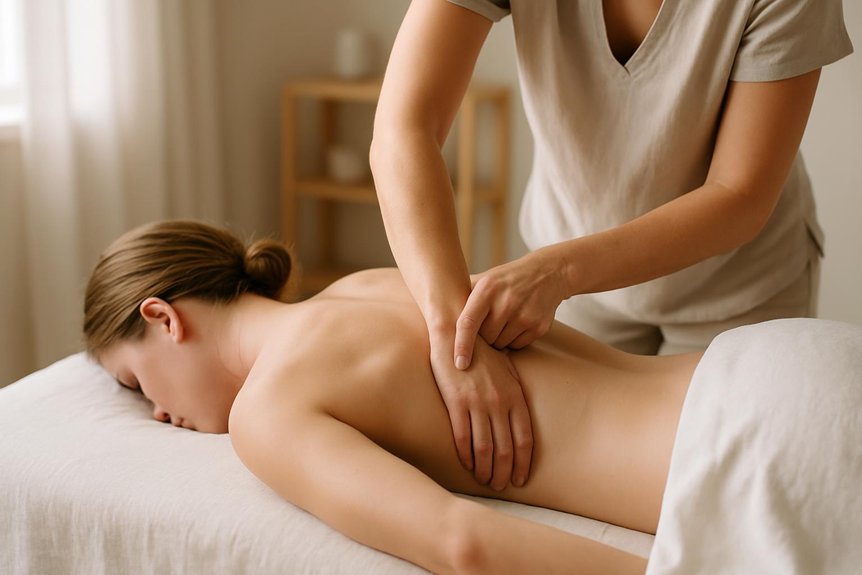
In clinical practice, intensive tissue massage can be an effective option for certain types of shoulder pain by targeting myofascial restrictions, trigger points, and chronic muscle hypertonicity in structures such as the upper trapezius, levator scapulae, rotator cuff, and pectoral complex. When applied progressively, it may reduce nociceptive input and improve scapulothoracic mechanics, supporting easier elevation and rotation. This approach draws on deep tissue massage techniques that use slow, firm pressure to address deeper layers of muscle and fascia.
At Spa & Massage London clinics, therapists typically begin with warming strokes, then use slow, specific forearm and thumb pressure, sustained trigger-point compression, and cross-fibre techniques along the supraspinatus, infraspinatus, and pectoralis minor. Treatment is paired with gentle positional release and guided breathing to encourage softening without guarding. Many clients report improved range, reduced ache, and a calmer sense of embodied connection after 1–3 sessions.
When Should You Avoid Intensive Tissue Massage for Shoulder Pain?
It should generally be avoided for shoulder pain when red flags, acute tissue injury, or systemic risk factors make sustained pressure and cross-fibre loading unsafe.
This includes suspected fracture or dislocation, rapidly increasing swelling, severe night pain, fever, unexplained weight loss, or new neurological signs (numbness, progressive weakness, radiating pain).
It should also be avoided over fresh strains, acute bursitis, inflamed rotator-cuff tears, or post-surgical tissue until cleared, as aggressive stripping and deep friction may aggravate bleeding and inflammation.
Contraindications include anticoagulant use, bleeding disorders, uncontrolled hypertension, thrombosis risk, active infection, and compromised skin.
At Spa & Massage, therapists screen carefully and, when appropriate, use gentler options and referral for medical assessment promptly.
What Shoulder Pain Responds Best to Intensive Tissue Massage?
Shoulder pain most responsive to intensive tissue massage is typically myofascial in origin, characterised by muscle tightness and palpable trigger points that refer pain into the neck, upper back, or arm.
It also responds well when driven by postural strain and imbalance—commonly overactive upper trapezius and pectoral tissues with under-recruited scapular stabilisers—where Spa & Massage therapists use slow, targeted pressure and specific release techniques to normalise tissue tone and movement.
Overuse and sports-related tension can improve when treatment addresses load-related hypertonicity and adhesions in the rotator cuff and peri-scapular muscles, followed by practical aftercare recommendations used in Spa & Massage clinics to support recovery.
Muscle Tightness And Knots
For many presentations of shoulder discomfort, intensive tissue massage tends to be most effective when symptoms are driven by palpable muscle tightness and myofascial “knots” (trigger points) in structures such as the upper trapezius, levator scapulae, posterior deltoid, rotator cuff (especially infraspinatus), and pectoralis minor.
At Spa & Massage, therapists confirm this pattern via tenderness, referred pain, and limited, painful range, then apply slow, specific pressure with forearm, knuckles, or elbow to achieve trigger-point release and improved tissue glide.
Treatment typically blends sustained compression (20–60 seconds), cross-fibre friction where appropriate, and gradual lengthening strokes, titrated to a “strong-but-safe” sensation.
Many clients benefit from calm diaphragmatic breathing during holds, followed by gentle active movements to consolidate improved shoulder comfort.
Postural Strain And Imbalance
In the context of modern desk-based work and device use, a common presentation is postural strain—typically a protracted shoulder girdle with forward head posture—driving overload of the upper trapezius and levator scapulae alongside adaptive shortening of pectoralis minor and stiffness through the anterior shoulder and thoracic spine.
Deep tissue work often helps when pain is myofascial, diffuse, and linked to sustained positions rather than acute injury.
At Spa & Massage, therapists may apply slow, sinking strokes and focused friction to upper trapezius, levator scapulae, scalenes, and pectoralis minor, then release subscapularis and anterior deltoid to restore humeral centration.
Treatment is paired with thoracic mobilising work and gentle scapular cueing so clients feel safer movement and easier breath.
Aftercare typically includes heat, brief doorway pec stretches, and micro-breaks.
Overuse And Sports Tension
Posture-driven myofascial overload often overlaps with activity-related strain, particularly when repetitive loading exceeds tissue capacity in sport or training. In these cases, shoulder pain often responds when tenderness localises to the rotator cuff, posterior deltoid, upper trapezius, levator scapulae, and pectoralis minor, with palpable bands and restricted glide rather than sharp joint-line pain.
Deep tissue work targets these structures to reduce tone, restore sliding surfaces, and improve scapular control. At Spa & Massage, therapists use slow, specific stripping, cross-fibre friction, and myofascial release, titrated to the client’s breath and tolerance to create a close, safe experience.
Sessions are paired with brief mobility and load-management advice, supporting recovery for swimmers, climbers, lifters, and desk-based runners.
How Does Intensive Tissue Massage Release Shoulder Knots and Trigger Points?
Through targeted, sustained pressure applied along the shoulder girdle, intensive tissue massage helps release knots and trigger points by mechanically reducing myofascial restriction and interrupting the local pain–spasm cycle.
Slow, sinking strokes and sustained compressions deform taut bands, improving tissue glide between fascia, muscle, and tendon.
Trigger-point pressure held to tolerable intensity can produce ischemic compression followed by reactive hyperaemia, supporting local perfusion and metabolite clearance.
Neurologically, gradual pressure modulates nociceptive input and downregulates protective guarding via spinal and supraspinal mechanisms.
At Spa & Massage, therapists commonly combine stripping along upper trapezius and levator scapulae with focused thumb or elbow holds, then gentle lengthening to restore comfortable range.
This approach aims for releasing depth without forcing sensitivity.
What Happens in a Shoulder Deep Tissue Session at Spa & Massage?
Once knots and trigger points have been identified as key pain drivers, a shoulder-focused deep tissue session at Spa & Massage is structured to assess movement, treat the relevant tissues, and re-check response in real time. The therapist begins with brief history, pain mapping, and active range-of-motion tests for shoulder flexion, abduction, and rotation.
Pressure is introduced gradually, using slow stripping and sustained friction to the upper trapezius, levator scapulae, rotator cuff attachments, and pectoralis minor, while respecting comfort and breath. Scapular mobilisation and myofascial work along the neck-to-shoulder line are added to reduce guarding.
The client is guided to give clear, intimate feedback on “good pain” versus sharp pain. The session ends with re-testing motion and tailored home advice.
Deep Tissue vs Sports Massage for Shoulder Pain: Which to Choose?
Selection between deep tissue and sports massage for shoulder pain should be guided by the primary pain source and the client’s functional goals (e.g., postural tension versus sport-related overload).
Deep tissue work typically applies slower, sustained pressure to address myofascial restriction and trigger points, whereas sports massage uses more targeted, performance-oriented techniques (including compression and assisted stretching) to support range of motion and recovery.
At Spa & Massage, therapists screen movement and symptom behaviour to recommend the most appropriate session length and approach for the shoulder.
Pain Source And Goals
In clinical terms, choosing between deep tissue and sports massage for shoulder pain depends on the dominant pain source and the client’s functional goal.
When symptoms reflect persistent myofascial tension, desk-related postural strain, or stress-mediated guarding, deep tissue work is often selected to support sustained down-regulation and comfort.
When pain is linked to training load, delayed-onset soreness, or performance-limiting stiffness around the shoulder complex, sports massage is typically chosen to facilitate recovery and a confident return to activity.
At Spa & Massage clinics across London, therapists clarify whether the client prioritises easing daily ache, improving sleep and ease of touch, or restoring overhead reach and gym tolerance.
Clear goals guide pacing, session frequency, and progress markers, improving safety and satisfaction.
Technique Depth And Focus
From a technique standpoint, deep tissue and sports massage differ less by “how hard” they feel and more by where pressure is directed, how it is dosed, and which tissues are prioritised around the shoulder complex.
Deep tissue work typically uses slow, sustained loading and cross-fibre techniques to influence myofascial tone and trigger-point sensitivity in the upper trapezius, levator scapulae, rotator cuff, and pec minor, with careful attention to scapular borders.
Sports massage is more variable: it may combine brisk warming strokes, compression, and mobility-based techniques to prepare or restore tissue glide, often integrating active movement and positional release.
In Spa & Massage clinics, therapists modulate depth with breath, consent, and tissue response, aiming for a “therapeutic discomfort” that remains safe and reassuring.
Choosing The Right Session
Depth and tissue targeting are only part of the decision; the more useful question is which session format best matches the shoulder’s current presentation and the client’s goals.
Deep tissue is typically selected when pain is persistent, range is limited, and palpation suggests myofascial restriction in the upper trapezius, levator scapulae, or posterior cuff.
Sessions emphasise slow pressure, sustained holds, and precise cross-fibre work, staying comfortably within the client’s breath and consent.
Sports massage suits load-related or training-driven symptoms, where the aim is to restore glide and neuromuscular control.
It blends dynamic compression, active release, and movement-based re-testing of painful arcs.
At Spa & Massage clinics across London, therapists screen irritability, then choose depth, pacing, and aftercare accordingly.
Aftercare: How to Keep Deep Tissue Shoulder Relief Longer
Following an intensive tissue massage for shoulder pain, symptom reduction is best maintained through structured aftercare that supports tissue recovery, limits post-treatment irritation, and reinforces the improved shoulder mechanics achieved during the session.
For 24 hours, clients should hydrate, avoid heavy lifting, and use gentle heat if stiffness develops; brief ice may be used if soreness is reactive. In Spa & Massage clinics, therapists often recommend slow diaphragmatic breathing with relaxed shoulder blades to downshift tone.
Daily mobility is kept non-provocative: pendulum swings, wall slides, and thoracic extension, 5–10 minutes, twice daily. Sleep positioning matters; a supportive pillow under the arm reduces traction on the neck.
Light self-massage with our neutral oils can maintain glide, avoiding sharp pain. Reassessment within 1–2 weeks sustains gains.
Conclusion
It may reduce shoulder pain linked to myofascial tightness, trigger points, and postural overload by applying sustained, graded pressure to deeper muscle and connective tissue layers. When appropriately screened, dosage-adjusted, and combined with aftercare, its effects can be cumulative, like untangling a knotted rope strand by strand. It is less suitable for acute inflammation, suspected tears, fractures, or neurological symptoms, where medical assessment is indicated. Outcomes depend on diagnosis, technique, and adherence.