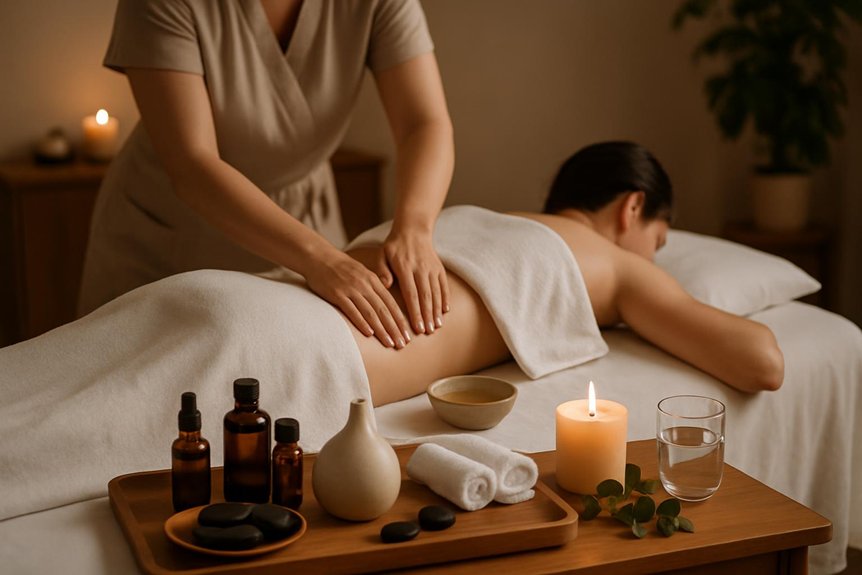
Sandalwood essential oil is generally safe for aromatic massage in healthy adults when it is properly diluted in a carrier oil and the client is screened for skin and scent sensitivities. A typical full-body dilution is about 1% (roughly 1 drop per 5 ml), with lower strengths for facial or sensitive skin. Irritation or delayed contact dermatitis can occur, especially with higher concentrations or oxidised oils. Extra caution is advised in pregnancy, asthma, eczema, or fragrance allergy. Further guidance on patch testing and aftercare follows.
Is Sandalwood Oil Safe for Massage?
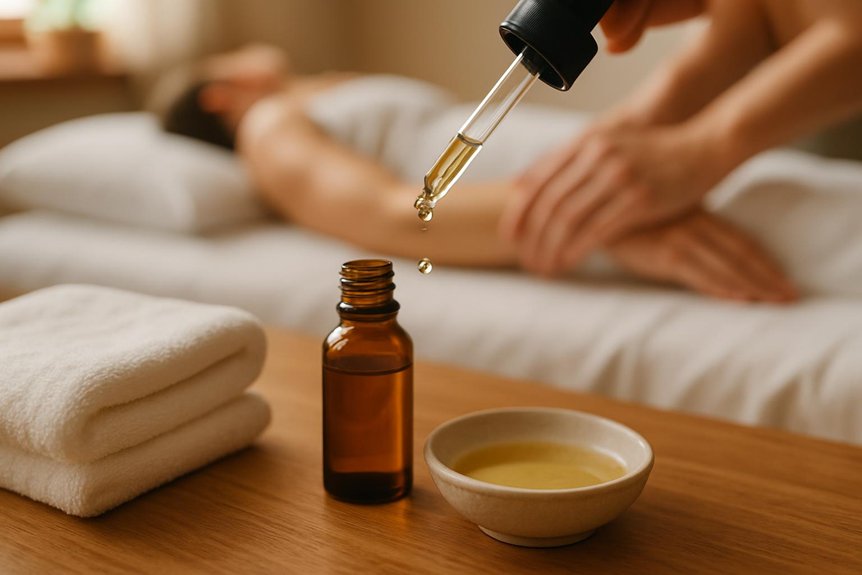
Choose sandalwood oil with care: when properly diluted in a carrier oil and used by a trained therapist, it is generally considered safe for massage for most healthy adults.
At Spa & Massage clinics across London, therapists prioritise patch-testing history, skin condition, and scent sensitivity before any aromatherapy session, because even well-tolerated oils can trigger irritation or headaches in some people.
Clients with eczema, active dermatitis, asthma, or known fragrance allergy are guided toward gentler options or a fragrance-free massage to keep touch relaxing and close.
Pregnancy, breastfeeding, and complex medical conditions warrant clinician advice first, and the oil is avoided on broken skin.
High-quality, clearly sourced sandalwood and proper storage reduce oxidation risk, supporting a calm, intimate experience.
These aromatherapy massage tips can help you relax and heal while keeping your session comfortable and safe.
How Should You Dilute Sandalwood Essential Oil?
Safe use in massage depends largely on correct dilution, because neat sandalwood essential oil can irritate skin and overwhelm scent-sensitive clients.
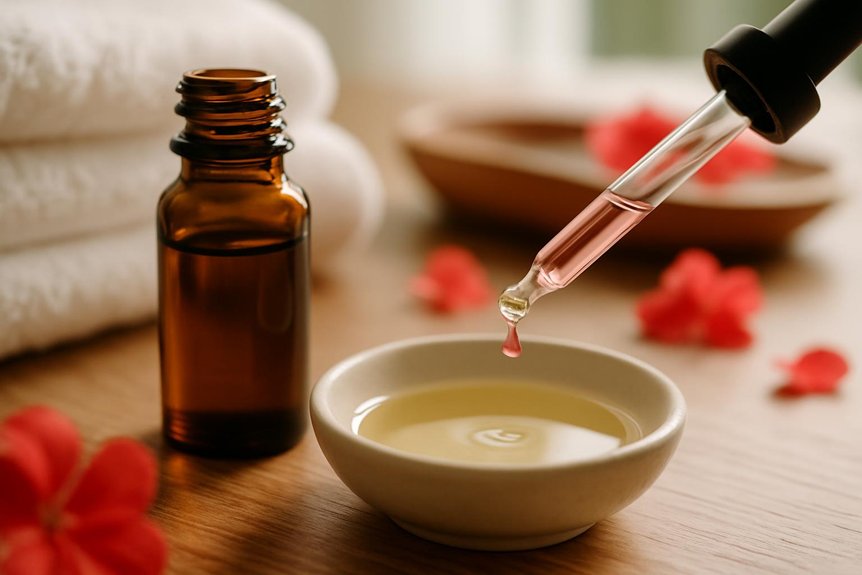
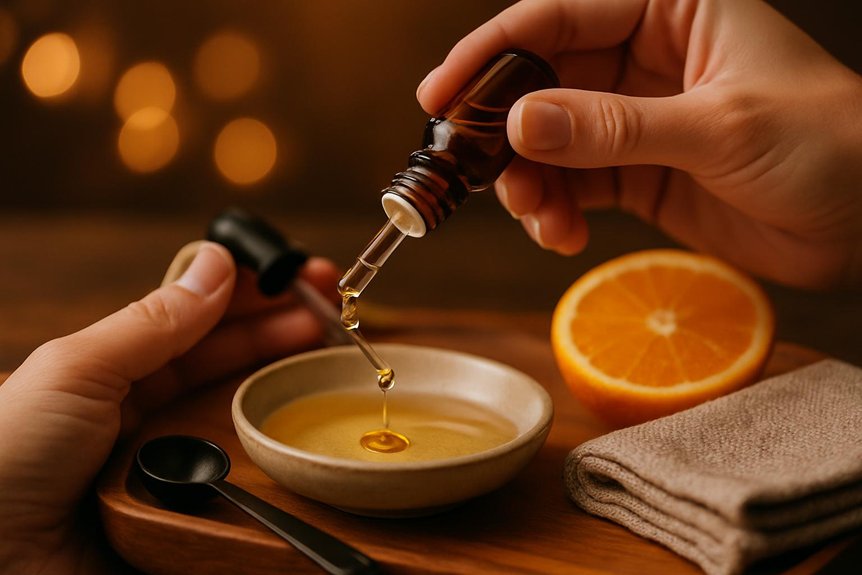
At Spa & Massage clinics, therapists typically dilute sandalwood to 1% for full-body aromatherapy (about 1 drop per 5 ml of carrier oil) and up to 2% for smaller areas when a richer, more lingering aroma is desired (about 2 drops per 5 ml).
For facial or very sensitive skin, a gentler 0.5% blend is preferred.
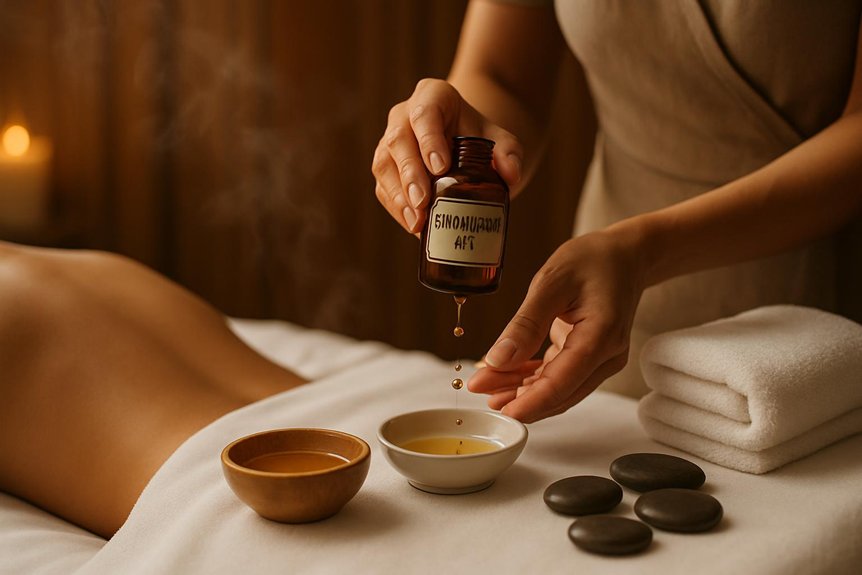
Oils are measured carefully, mixed in a clean bottle, then rolled between the palms to warm before slow, close-contact strokes.
Patch testing and adjusting strength to client preference supports comfort and a calm, intimate experience throughout.
Why Can Sandalwood Oil Irritate Skin?
Sandalwood oil can irritate skin when it triggers sensitisation, meaning repeated exposure may lead to an allergic-type reaction such as redness, itching, or a rash.
Risk also rises with higher concentrations and when the oil has oxidised through age or poor storage, as oxidised constituents are more likely to provoke irritation.
In Spa & Massage clinics, therapists minimise these risks with appropriate dilution, freshness checks, and client screening—especially for sensitive or reactive skin.
Sensitisation And Allergic Reactions
In some individuals, essential oils used in aromatic massage can trigger skin irritation because their aromatic compounds interact with the skin barrier and immune system.
With sandalwood oil, this may present as sensitisation: an acquired allergy that develops after prior exposure, leading to contact dermatitis on later use. Typical signs include redness, itching, warmth, swelling, or a fine rash, sometimes delayed by 24–48 hours.
Those with eczema, very reactive skin, or multiple fragrance allergies face higher risk.
At Spa & Massage clinics, therapists take a careful consultation, check previous reactions, and can arrange a small patch test before including sandalwood in a blend.
If symptoms arise, the oil should be removed, skin rinsed, and medical advice sought if persistent.
Concentration And Oxidation Risks
At higher dilutions or when the oil has oxidised, the likelihood of skin irritation rises because the concentration and chemistry of aromatic compounds change how they interact with the skin barrier. Oxidation creates reactive by‑products that can feel prickly, warm, or drying, especially on freshly shaved, eczema‑prone, or sensitised skin.
Safety practice focuses on dilution accuracy, fresh storage, and patch testing. In Spa & Massage clinics, therapists blend sandalwood into a suitable carrier oil, avoid applying neat essential oil, and adjust strength for pregnancy, compromised barriers, or first‑time clients.
Oils are stored cool, capped tightly, and replaced if aroma turns sharp, rancid, or dark. When irritation occurs, the area is gently cleansed, the session is modified, and clients are advised to seek medical input if symptoms persist.
Who Should Avoid Sandalwood Oil (and Why)?

Some clients should avoid sandalwood oil in aromatic massage due to higher uncertainty or risk of adverse reactions, particularly during pregnancy and breastfeeding, in those with sensitive skin or a history of allergies, and in people with hormone‑sensitive conditions.
At Spa & Massage clinics across London, therapists screen for these factors during consultation and may recommend a patch test, a lower dilution, or an alternative oil to prioritise safety.
This section outlines who falls into these higher‑caution groups and the clinical rationale for avoiding or modifying sandalwood use.
Pregnancy And Breastfeeding
When is sandalwood oil not appropriate during aromatic massage?
During pregnancy and breastfeeding, it may be best avoided unless a clinician approves and a therapist is trained in perinatal care.
Evidence on safety of many essential oils in these stages is limited, and precaution is prudent, especially in the first trimester and early postpartum.
At Spa & Massage, therapists take a client-centred approach: they ask about pregnancy stage, feeding, medications, and any medical advice, then tailor the session to support comfort and closeness without unnecessary risk.
Many clients are offered fragrance-free massage or very low-dilution options selected for established perinatal use.
Breastfeeding clients are also guided to avoid oils on the chest or near the baby’s face.
Sensitive Skin Or Allergies
Beyond pregnancy and breastfeeding, the most common reason to avoid sandalwood oil in aromatic massage is skin sensitivity or allergy.
Even “natural” essential oils can trigger irritant or allergic contact dermatitis, especially on reactive, eczema‑prone, or fragrance‑sensitive skin.
Warning signs include itching, redness, stinging, hives, or a warm, blotchy rash during or after treatment.
Clients with a history of fragrance allergy or prior reactions to essential oils should skip sandalwood entirely, or choose an unscented massage.
At Spa & Massage clinics across London, therapists take a careful consultation, can patch-test on request, and always dilute essential oils to skin-safe levels.
If sensitivity is suspected, they select hypoallergenic carriers and gentler, comforting techniques so touch remains soothing, not risky.
Hormone-Sensitive Conditions
Given reports that certain sandalwood constituents may show mild endocrine activity in laboratory settings, a precautionary approach is advisable for people with hormone‑sensitive conditions—such as oestrogen‑receptor‑positive breast cancer, endometriosis, uterine fibroids, or those undergoing hormonal therapies.
While real‑world massage exposure is typically low and evidence in humans remains limited, avoidance or medical sign‑off is prudent, especially during active treatment or recent diagnosis.
At Spa & Massage, therapists invite clients to share relevant health history in confidence and can recommend alternative blends with a simpler safety profile, or perform a non‑aromatic massage using a neutral carrier oil.
If sandalwood is still desired, patch testing, conservative dilution, and avoiding prolonged daily use help reduce potential risk and support comfort.
Is Sandalwood Oil Safe in Pregnancy Massage?
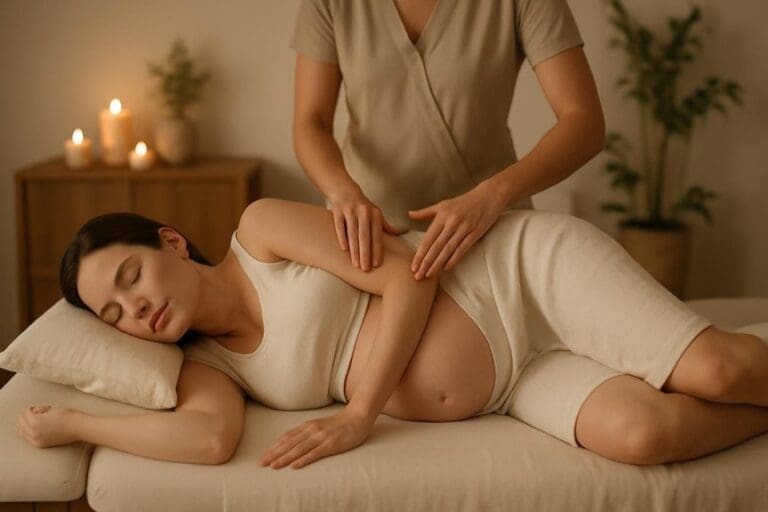
In pregnancy massage, sandalwood essential oil is generally approached with caution rather than assumed safe. Evidence on aromatic exposure in pregnancy is limited, so conservative use is preferred, especially in the first trimester or with any history of complications. If used, it should be low dilution (typically 0.5–1%) in a carrier, never applied to the abdomen, and stopped immediately if nausea, headache, or discomfort occurs.
At Spa & Massage clinics across London, therapists complete a detailed consultation, adapt positioning, pressure, and oil choices, and can offer a fragrance-free pregnancy massage for clients who want calm, skin-to-skin comfort without added risk. Any client under midwife or obstetric care is advised to seek clearance first.
Can Sandalwood Oil Affect Allergies or Asthma?
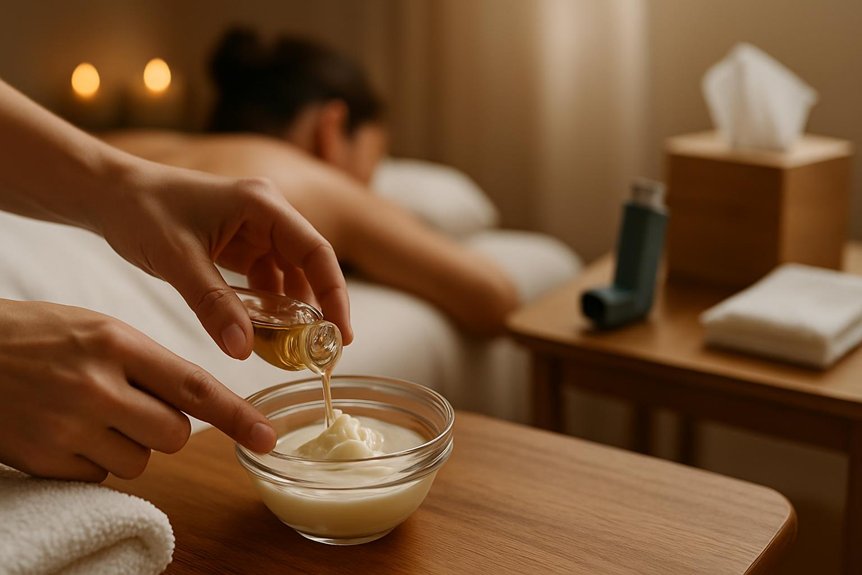
Sandalwood essential oil can sometimes affect people with allergies or asthma, mainly through inhalation of its aroma or skin exposure during massage. Fragrance exposure may trigger coughing, chest tightness, wheeze, or watery eyes in sensitive clients, while contact can rarely cause irritation or allergic dermatitis.
Evidence suggests true sandalwood allergy is uncommon, but individual reactivity varies and can be unpredictable.
At Spa & Massage clinics across London, therapists ask about asthma control, fragrance sensitivities, eczema, and previous reactions before selecting oils. If any respiratory symptoms occur, the safest approach is to stop diffusion, improve ventilation, and switch to an unscented carrier oil.
Clients should bring reliever inhalers and disclose recent flare-ups or steroid use so pressure, pacing, and aroma intensity stay soothing and safe.
How Do You Patch Test Sandalwood Oil?
Before any aromatic massage using sandalwood essential oil, a simple patch test can help identify irritation or allergic contact dermatitis risk by applying a properly diluted blend to a small area of skin and observing it over 24–48 hours.
At Spa & Massage, therapists recommend diluting sandalwood to about 1% (one drop per 5 ml carrier oil) for testing.
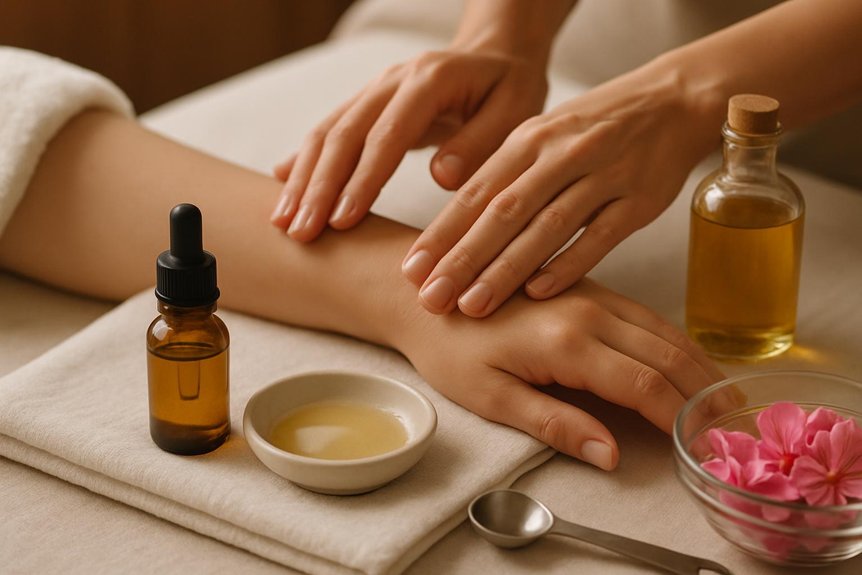
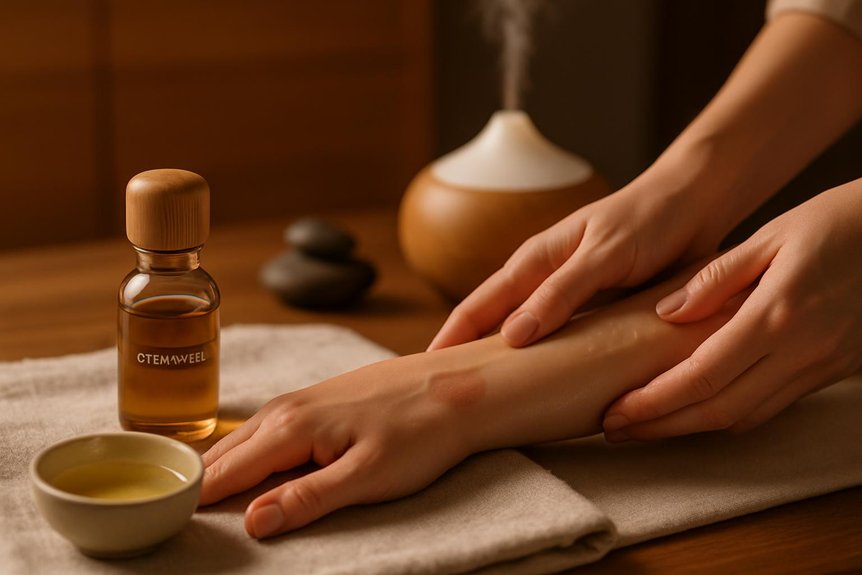
A small amount is applied to the inner forearm or behind the ear, then covered with a breathable plaster to reduce accidental transfer.
The area should be kept dry, unfragranced, and out of heat, sunlight, and vigorous rubbing.
Checking at 24 and 48 hours for redness, itching, swelling, or burning supports safer, more sensual full‑body work.
Clients with sensitive skin should test lower dilution first.
What Should You Do if Irritation Happens?
At the first sign of stinging, itching, redness, or swelling after applying a sandalwood blend, the product should be removed promptly by wiping off excess oil and washing the area with lukewarm water and a mild, fragrance-free cleanser, then stopping further use.
A cool compress may ease discomfort; avoid heat, vigorous rubbing, and reapplying oils, which can worsen inflammation.
If symptoms persist beyond a few hours, spread, blister, or involve the face, eyes, or genitals, medical advice should be sought urgently.
Those with asthma, eczema, or a history of allergies should be especially cautious.
In Spa & Massage clinics, therapists recommend documenting the blend used and arranging a consultation before the next session, so dilution, carrier choice, and technique can be adjusted safely.
Conclusion
Sandalwood oil can be safe in aromatic massage when it is genuine, correctly diluted, and matched to the client’s health history. One useful benchmark: dermatology patch-test studies report that roughly 1 in 5 people show sensitivity to at least one common fragrance allergen, underscoring the value of cautious dosing and screening. Best practice includes low dilution, a pre-treatment consultation (pregnancy, asthma, eczema, medications), and patch testing. Any burning or rash warrants immediate removal and reassessment.