Gentle scalp massage is generally considered safe during uncomplicated pregnancy when performed with light-to-moderate pressure and kept comfortable. Superficial scalp work does not affect the uterus and may ease tension headaches, stress, and sleep-related discomfort. It should be avoided with high blood pressure or pre-eclampsia concerns, new or severe headache, dizziness, fever, infection, scalp lesions, or clotting risk without medical advice. Simple at-home techniques, safe oils, and booking guidance are outlined below.
Is Scalp Massage Safe During Pregnancy?
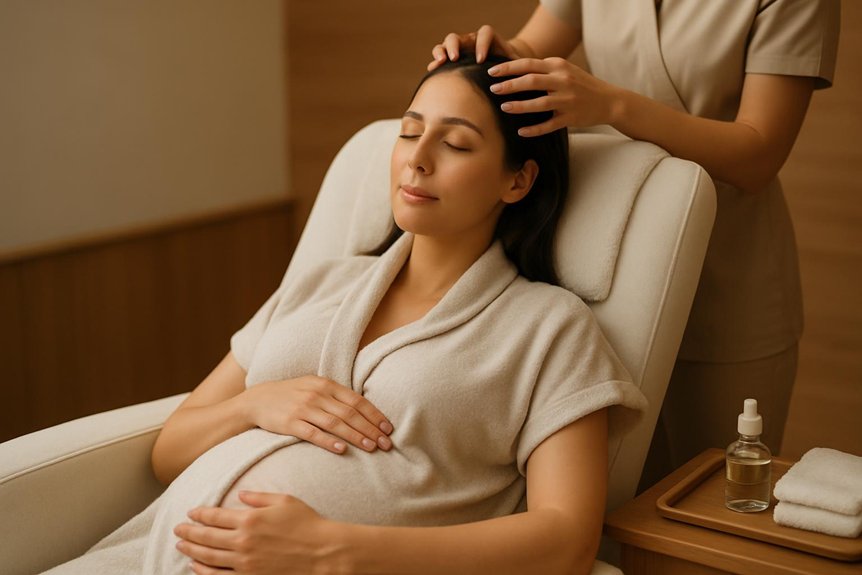
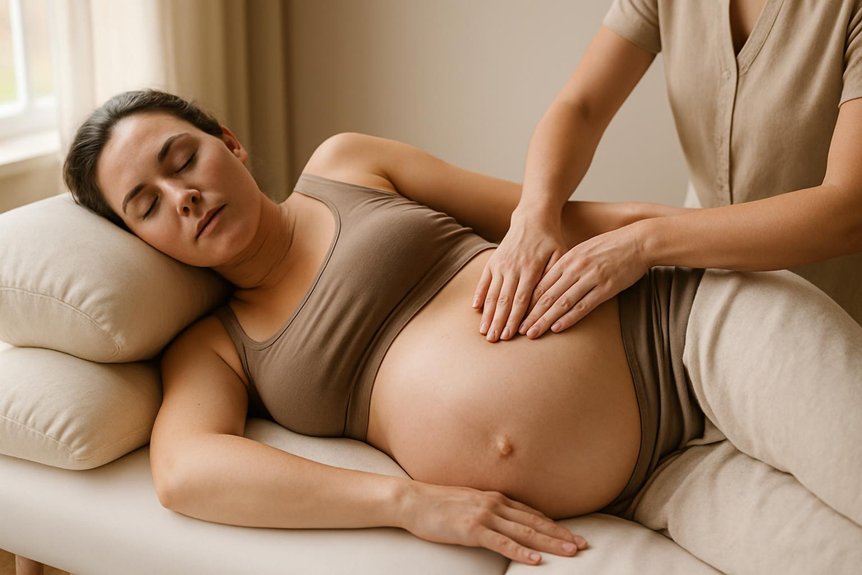
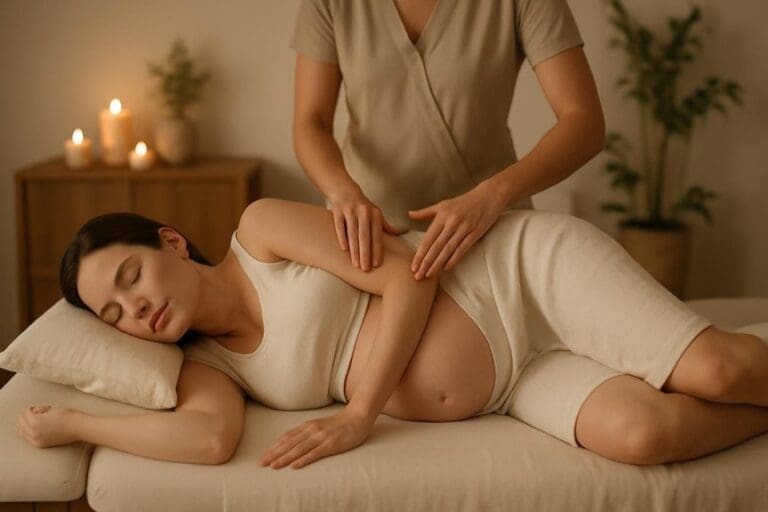
In most uncomplicated pregnancies, scalp massage is considered safe when it is gentle, comfortable, and adapted to the individual’s stage of pregnancy. Often incorporated into a wider pregnancy massage treatment, it typically targets superficial tissues to support relaxation and ease tension headaches associated with stress, posture changes, and sleep disruption. Evidence indicates that light-to-moderate massage can reduce perceived anxiety and improve wellbeing, without affecting the uterus when applied away from the abdomen.
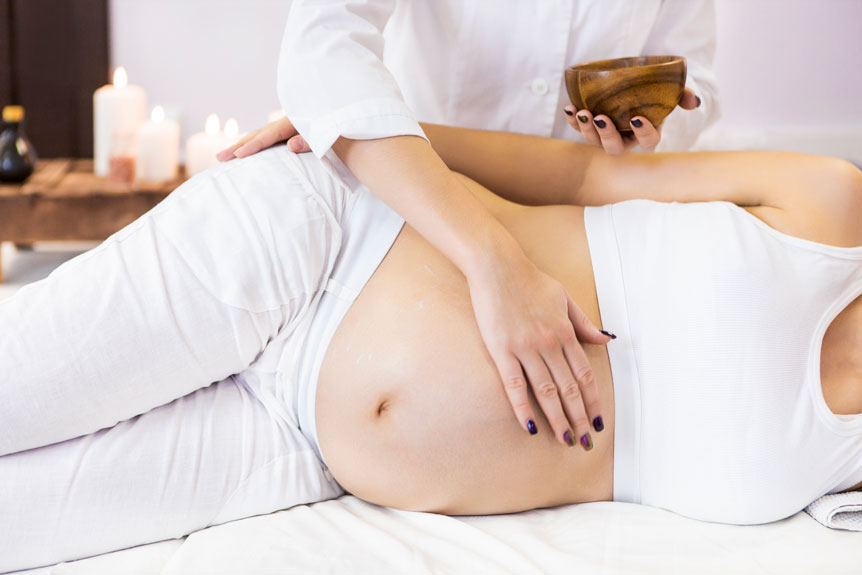
In some clinics, gentle aromatherapy prenatal massage may be paired with scalp work to further enhance relaxation and overall comfort.
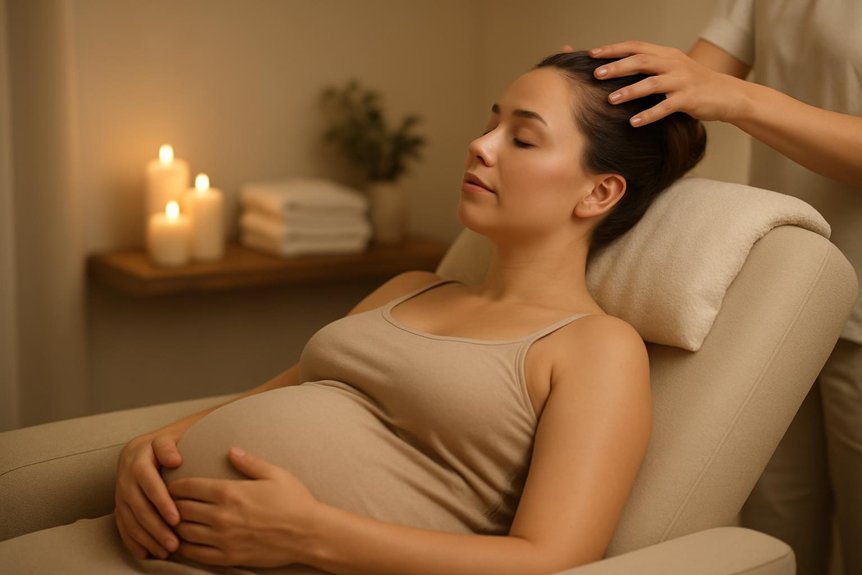
At Spa & Massage clinics across London, therapists use slow, reassuring pressure, avoid uncomfortable traction on hair, and adjust seating so the neck and shoulders remain fully supported throughout the prenatal massage session. If oils are used, they are applied sparingly and only when the client enjoys the scent.
Aftercare is simple: hydrate, move slowly, and rest if drowsy.
When Should You Avoid Scalp Massage in Pregnancy?
Generally, scalp massage should be avoided during pregnancy when there is a medical complication, an acute scalp or skin issue, or any symptom that warrants clinical assessment.
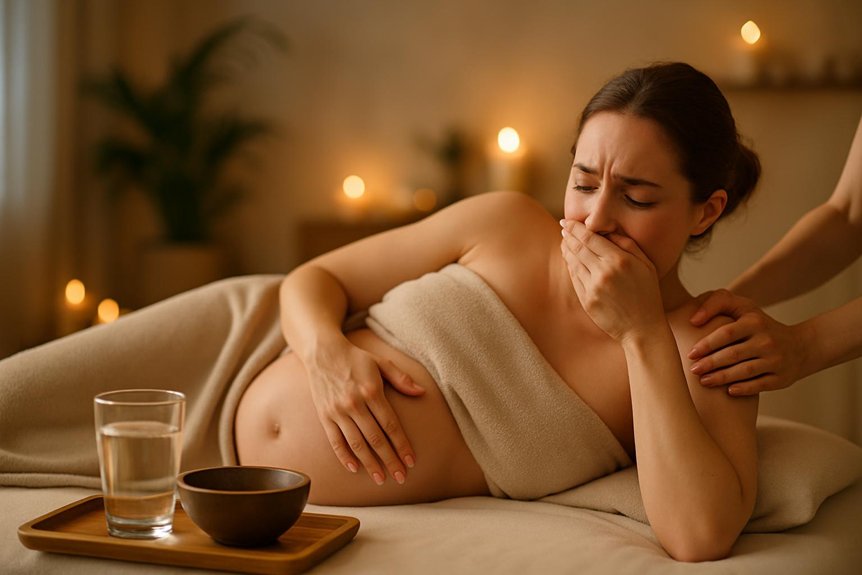
This includes high blood pressure or pre-eclampsia concerns, severe or new headache, dizziness, visual disturbance, fainting, unexplained swelling, or reduced fetal movements—situations where prompt maternity advice is essential.
Massage should also be deferred with fever, active infection, recent head injury, migraine with neurological symptoms, or when the scalp shows broken skin, dermatitis flare, lice, fungal infection, or painful lumps.
If anticoagulants are used, bruising is easy, or there is a history of blood clots, professional clearance is prudent.
At Spa & Massage, therapists screen gently and, when uncertain, recommend speaking with the midwife or GP first.
How to Do a Safe Scalp Massage at Home
With uncomplicated pregnancy and a healthy scalp, a safe at-home scalp massage can be kept simple: light pressure, slow rhythm, and short sessions designed to promote relaxation rather than deep tissue change.
Hands should be clean; nails trimmed to avoid micro-scratches. Seated with neck supported, fingertips (not nails) can make small circles from the hairline to crown, then glide to the temples and base of skull.
Pressure stays at a “pleasant” 2–3/10, never painful, with steady breathing. Sessions of 5–10 minutes, once or twice daily, are usually sufficient.
If dizziness, nausea, headache, or scalp tenderness occurs, stop and reassess. In Spa & Massage clinics, therapists prioritise comfort cues; the same gentle, consent-led approach applies at home.
Which Oils and Scents Are Safe in Pregnancy?
A pregnancy-safe scalp massage oil is typically fragrance-free or lightly scented, prioritising low irritation and minimal systemic exposure.
At Spa & Massage clinics, therapists favour simple carrier oils such as jojoba, sweet almond, grapeseed, or fractionated coconut, patch-tested when there is eczema, fragrance sensitivity, or a history of allergy.
Mineral oil and plain, unscented balms can also be appropriate for very reactive scalps.
If scent is desired, it is kept subtle: a low dilution of pregnancy-compatible essential oils, used sparingly and never ingested.
Many clinicians advise avoiding strong aromatherapy blends and certain oils in early pregnancy, including clary sage, rosemary, and high-camphor types.
Any headache, nausea, itching, or dizziness warrants stopping and rinsing.
Where to Book Pregnancy Scalp Massage in London
For pregnancy scalp massage in London, booking should prioritise clinics that offer dedicated prenatal protocols, appropriately trained therapists, and clear screening for symptoms such as headache, dizziness, high blood pressure, or swelling.
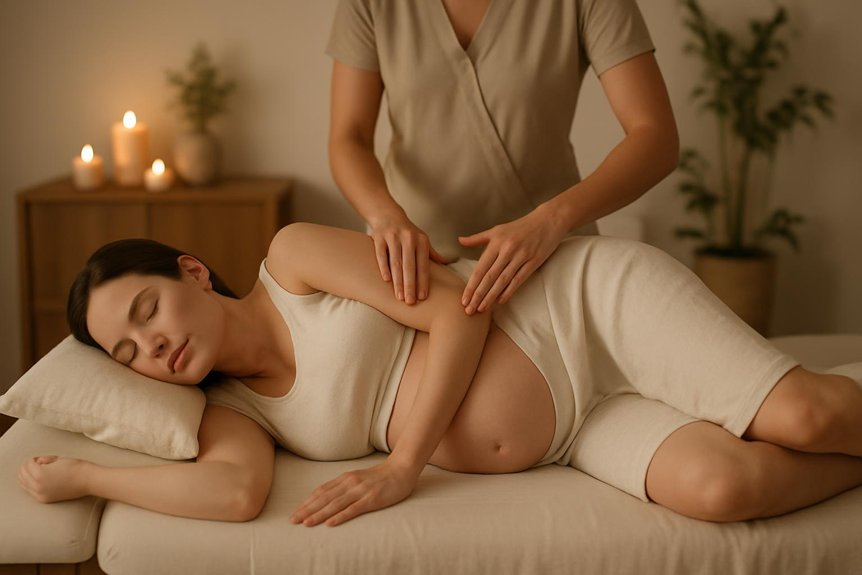
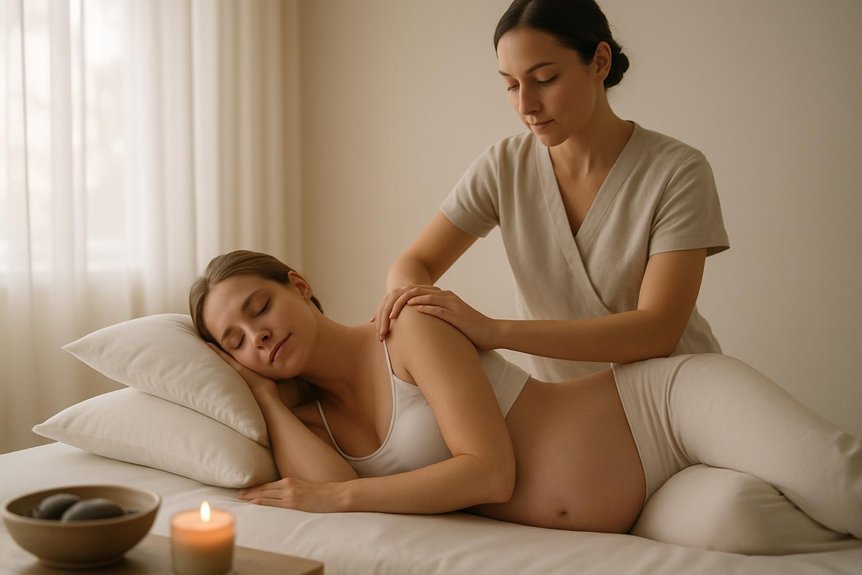
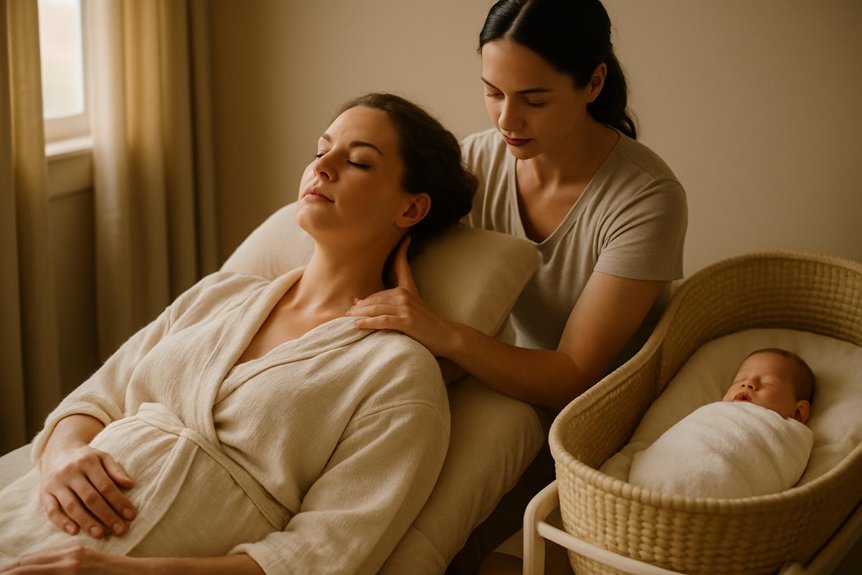
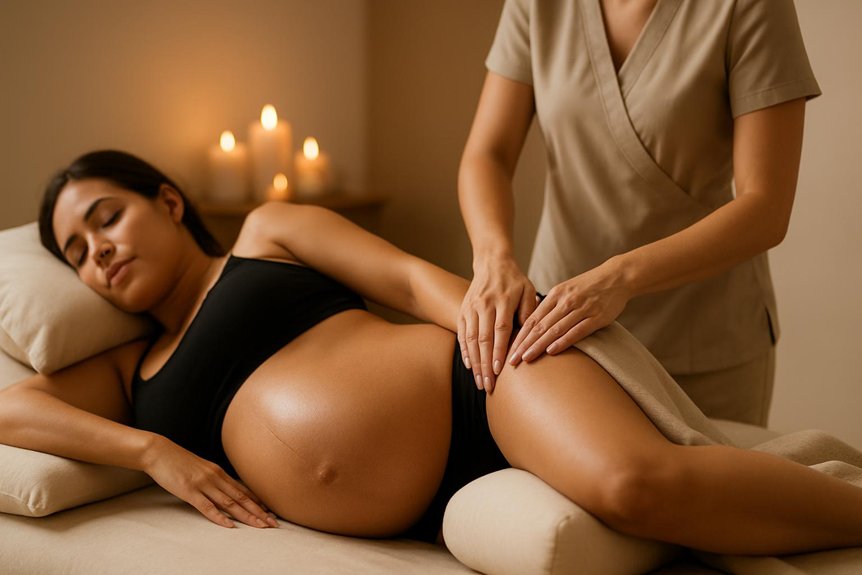
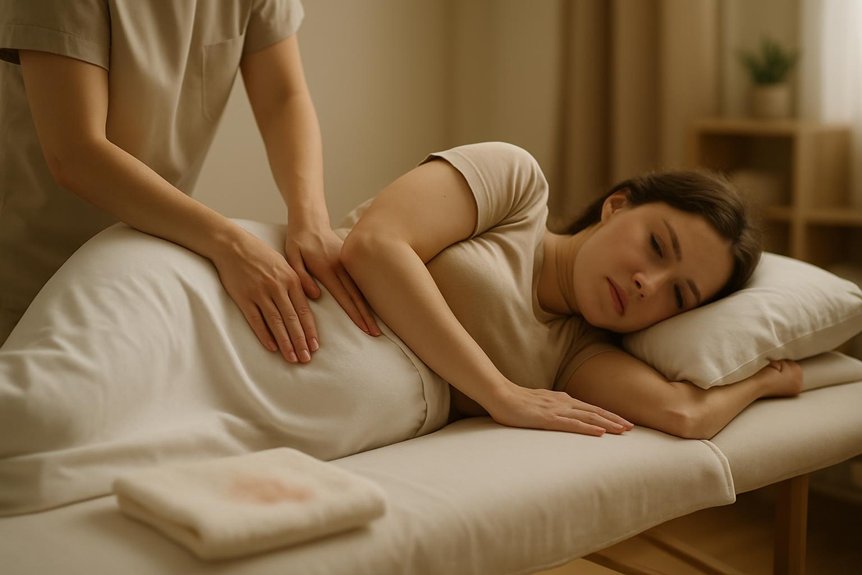
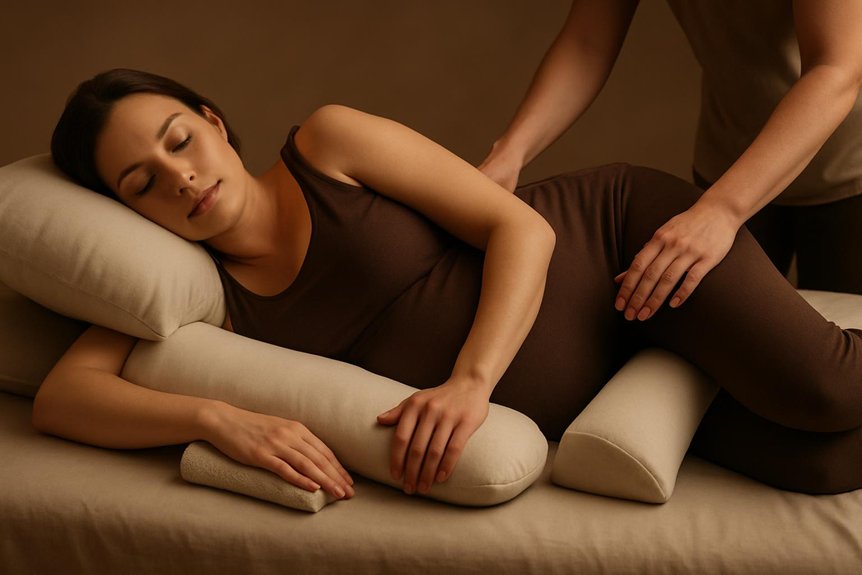
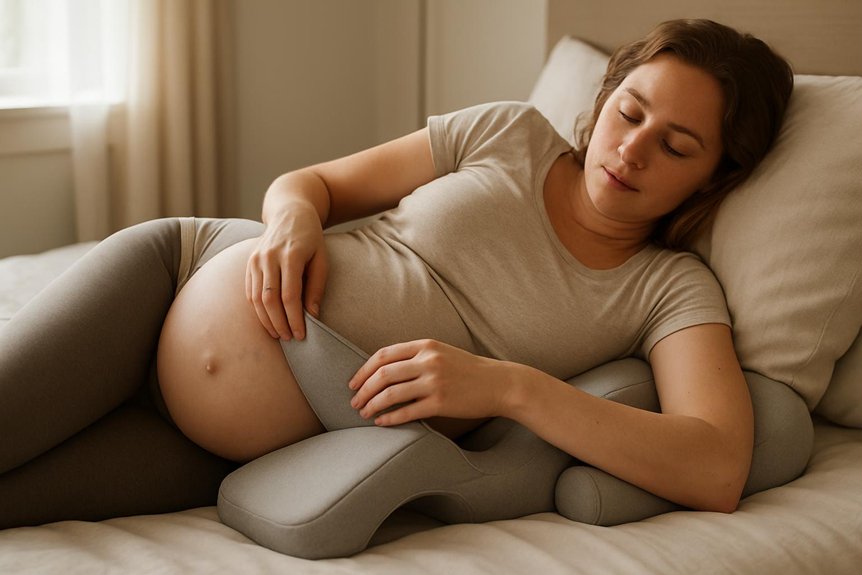
Appointments are best chosen where positioning is adapted (side‑lying or semi‑reclined) and pressure remains light to moderate, supporting comfort and circulation.
Spa & Massage provides pregnancy‑appropriate scalp work across six London locations—Crouch End, Bayswater, Chiswick, Earl’s Court, Belsize Park, and Richmond—within calm, private rooms designed for unhurried care.
Therapists tailor touch to trimester, neck tension, and sleep disruption, and can integrate gentle aromatherapy when clinically suitable.
Booking is available online, with pre‑session consultation to confirm medical history and preferred boundaries, ensuring a close, reassuring experience.
Conclusion
For most uncomplicated pregnancies, scalp massage is generally considered safe and can support relaxation, sleep, and tension relief when delivered gently and with appropriate positioning. It should be avoided or deferred when there is vaginal bleeding, severe headache, dizziness, fever, signs of pre-eclampsia, or other clinician-advised restrictions. Fragrance and oils should be pregnancy-appropriate and patch-tested. Like a steady lighthouse in rough weather, clear communication with a qualified therapist helps guarantee comfort, safety, and benefit.