Swedish massage is generally considered safe in uncomplicated pregnancy when adapted for gestational changes and provided by a therapist trained in prenatal care. A brief pre‑treatment screen should check trimester, symptoms, and any obstetric guidance, with avoidance in red‑flag situations such as vaginal bleeding, fever, severe abdominal pain, suspected pre‑eclampsia, reduced fetal movements, or suspected deep vein thrombosis. Pressure is kept light to moderate, with side‑lying positioning to reduce vena cava compression. Further sections outline timing, technique, oils, and contraindications.
Is Swedish Massage Safe During Pregnancy?
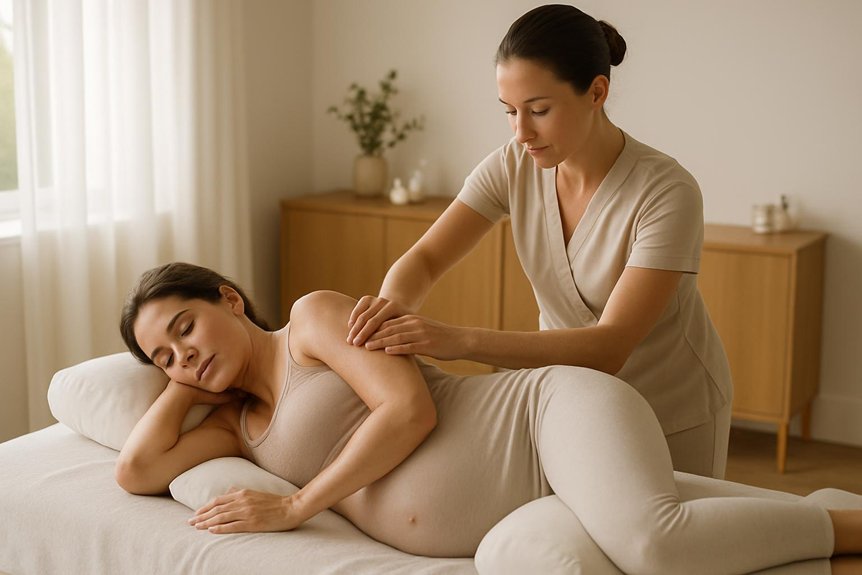
In most uncomplicated pregnancies, Swedish massage is generally considered safe when delivered by a suitably trained therapist using pregnancy-appropriate positioning and pressure. At Spa & Massage clinics across London, therapists assess medical history, symptoms, and comfort, then adapt strokes, pace, and depth to support relaxation without provoking strain.
Safety depends on screening and modification. Massage should be deferred when there is vaginal bleeding, severe abdominal pain, fever, suspected pre-eclampsia, reduced fetal movements, clotting disorders, or a history of pregnancy complications, unless a midwife or doctor advises otherwise. Pressure over the abdomen is avoided; prolonged supine positioning is not used. Unscented or low-aroma oils are typically preferred, as nausea and skin sensitivity may increase. Ongoing consent and clear communication help maintain intimacy and trust. Prenatal massage may also support comfort and wellbeing through reduced back pain and improved relaxation for expecting mothers.
Which Trimester Is Swedish Massage Safest?
Clinical guidance generally indicates Swedish massage can be offered across pregnancy, but risk management differs by trimester: in the first trimester, Spa & Massage therapists apply heightened precautions and may defer treatment where symptoms or medical history warrant.
The second trimester is often the most comfortable window, with reduced nausea and easier side-lying positioning supporting gentle, circulation-focused work.
In the third trimester, safety depends largely on positioning and pressure control, with bolstering and strict avoidance of prolonged supine lying to minimise hypotensive episodes.
First Trimester Precautions
During the first trimester, Swedish massage is generally approached with greater caution, as early pregnancy carries a higher baseline risk of miscarriage that is typically unrelated to massage but often prompts more conservative care.
Spa & Massage consequently advises clients to consult their midwife or GP first, particularly with bleeding, cramping, prior loss, IVF, or high-risk medical conditions.
If massage is approved, sessions are kept gentle and short, avoiding deep pressure, vigorous friction, and prolonged prone or supine positioning.
In Spa & Massage clinics, therapists use supportive side-lying bolsters, light-to-moderate strokes, and unscented or pregnancy-appropriate oils to reduce nausea and skin sensitivity.
Any dizziness, increased pelvic discomfort, or uterine tightening warrants immediate stopping and medical review. Clients should hydrate, rest, and monitor symptoms afterwards.
Second Trimester Comfort
From around weeks 13–27, Swedish massage is generally regarded as the safest trimester for most uncomplicated pregnancies because nausea and early-pregnancy instability tend to have settled while the physical limitations and higher complication rates seen later are less common. Comfort-focused work can ease low-back ache, hip tightness, leg heaviness, and stress, while supporting sleep and mood.
At Spa & Massage clinics across London, therapists keep pressure light-to-moderate, avoid deep abdominal work, and monitor breath, temperature, and dizziness. Neutral, unscented oils are typically used unless a client prefers pregnancy-safe aromatherapy. Sessions are adapted to avoid prolonged supine time if it provokes breathlessness or reflux. Massage should be deferred and medical advice sought for bleeding, severe headache, fever, suspected pre-eclampsia, reduced fetal movement, or clotting risk. Consent and check-ins maintain safety and closeness.
Third Trimester Positioning
In the third trimester, Swedish massage can still be appropriate for many uncomplicated pregnancies, but positioning becomes the primary safety variable because prolonged supine lying may provoke vena cava compression, hypotension, breathlessness, and reflux.
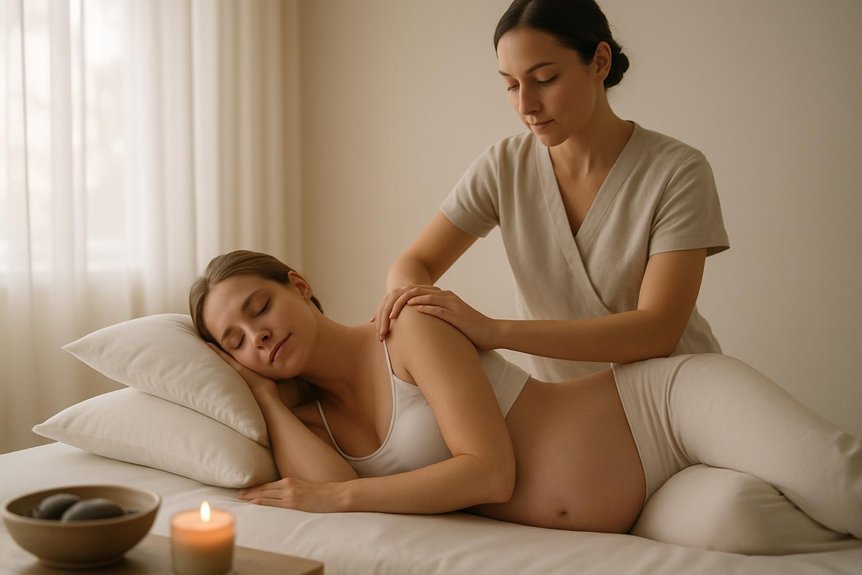
Evidence-informed practice consequently prioritises side-lying (left lateral preferred) with supportive bolsters to maintain uterine offloading and calm diaphragmatic breathing.
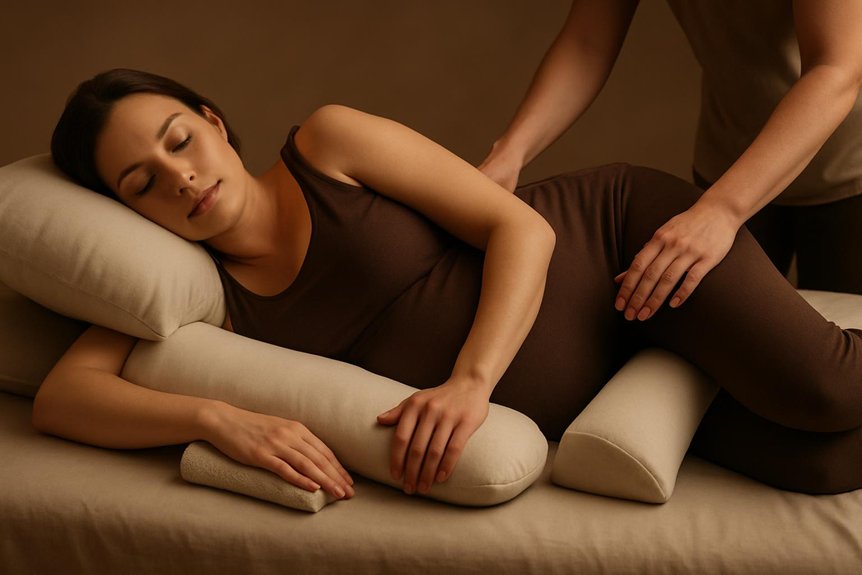
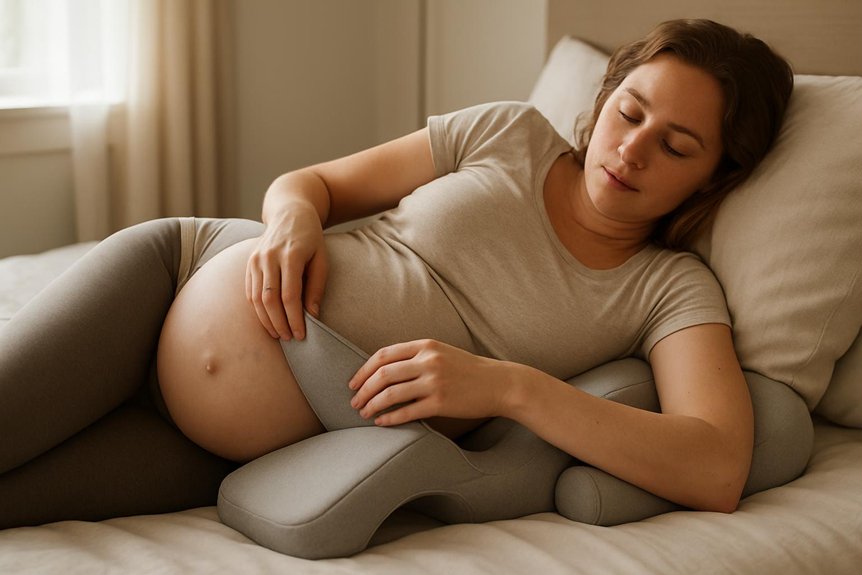
At Spa & Massage clinics across London, therapists use pillows under the abdomen, between the knees, and behind the back, keeping hips neutral and reducing pelvic strain.
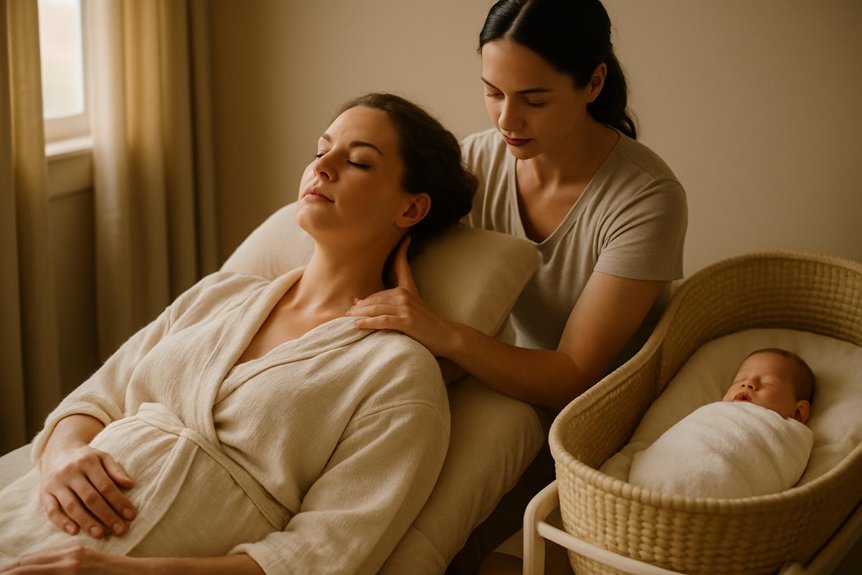
Semi-reclined, short-duration supine segments may be considered only if symptoms are absent and blood pressure is stable.
Pressure remains light-to-moderate, avoiding deep abdominal work and aggressive hip opening.
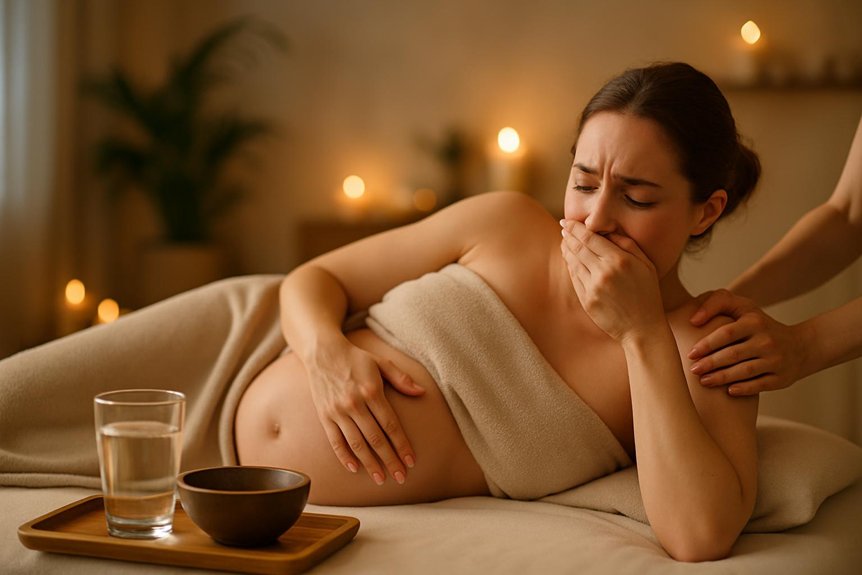
Any dizziness, nausea, flushing, or breathlessness warrants immediate repositioning, hydration, and session modification or discontinuation.
When to Avoid Swedish Massage During Pregnancy
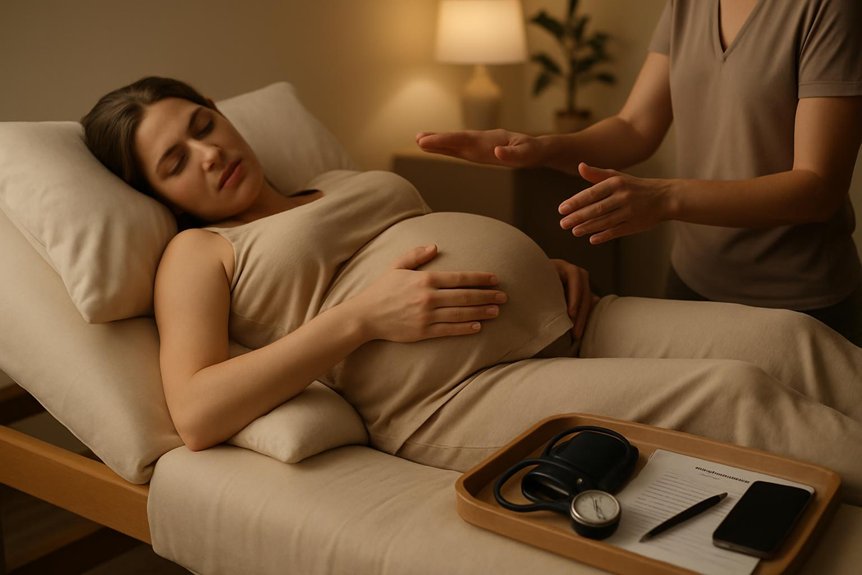
At certain stages of pregnancy and in the presence of specific medical risk factors, Swedish massage should be deferred or undertaken only with explicit clinical approval.
Caution is advised in the first trimester, after any episode of vaginal bleeding, severe abdominal pain, fluid leakage, fever, or reduced fetal movements.
It should be avoided or medically cleared with a history or signs of pre-eclampsia, placenta praevia, placental abruption, threatened preterm labour, cervical insufficiency, or uncontrolled hypertension.
Massage is also contraindicated with suspected or confirmed deep vein thrombosis, significant unilateral leg swelling, chest pain, or sudden shortness of breath.
Where gestational diabetes is unstable or infection is present, postponement is prudent.
At Spa & Massage, therapists request up-to-date obstetric guidance before proceeding.
How We Modify Swedish Massage for Pregnancy
Once medical clearance and symptom screening indicate Swedish massage is appropriate, the treatment is adjusted to accommodate the physiological changes of pregnancy and reduce avoidable risk.
At Spa & Massage, therapists shorten intake-to-touch time by clarifying trimester, current symptoms, and any obstetric guidance, then adapt the session plan to priorities such as low‑back strain, hip tension, and fluid retention.
Techniques are kept slow, rhythmic, and soothing, with extra attention to circulation and comfort while avoiding overstimulation.
Joint mobilisations and vigorous stretching are omitted due to ligament laxity.
Abdominal work is excluded unless specifically requested and clinically appropriate.
In our clinics, only pregnancy‑appropriate, lightly scented or unscented oils are used, and skin response is monitored throughout.
Clear feedback cues are agreed to maintain safety and intimacy.
Best Positions and Pressure in Pregnancy
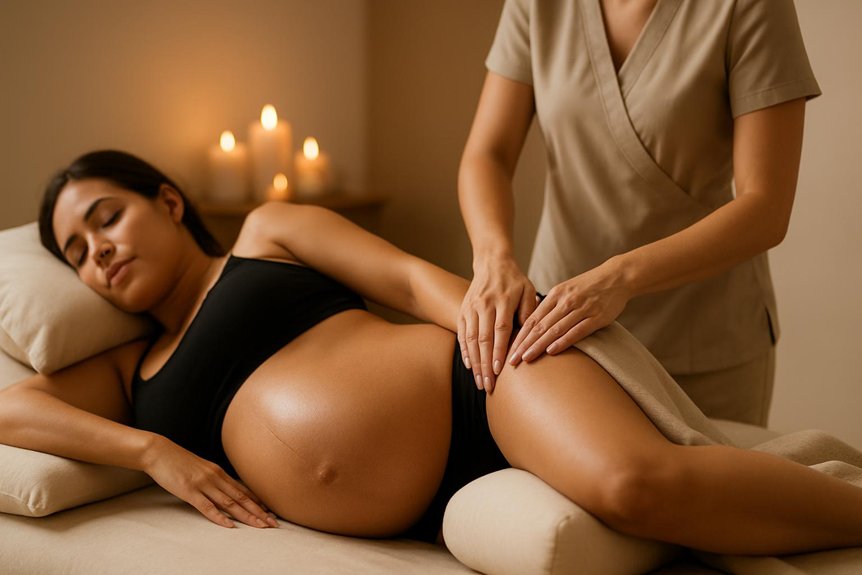
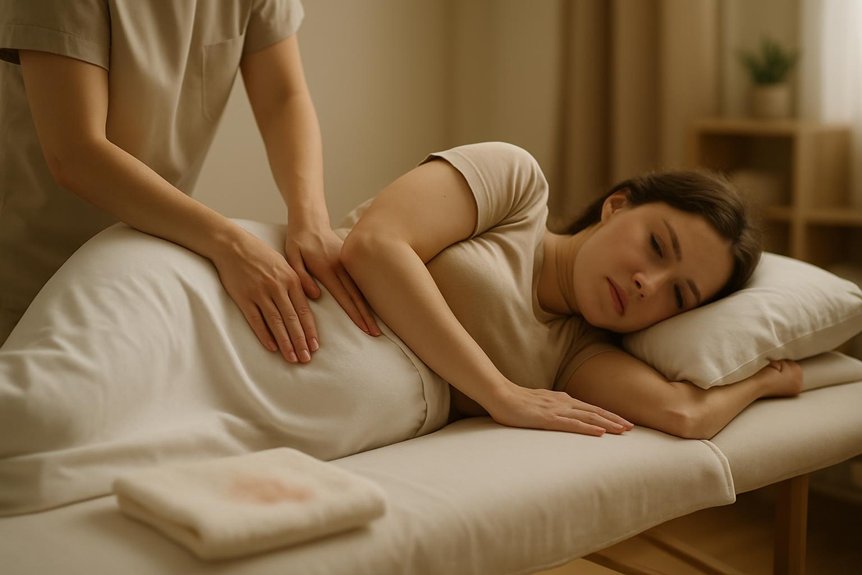
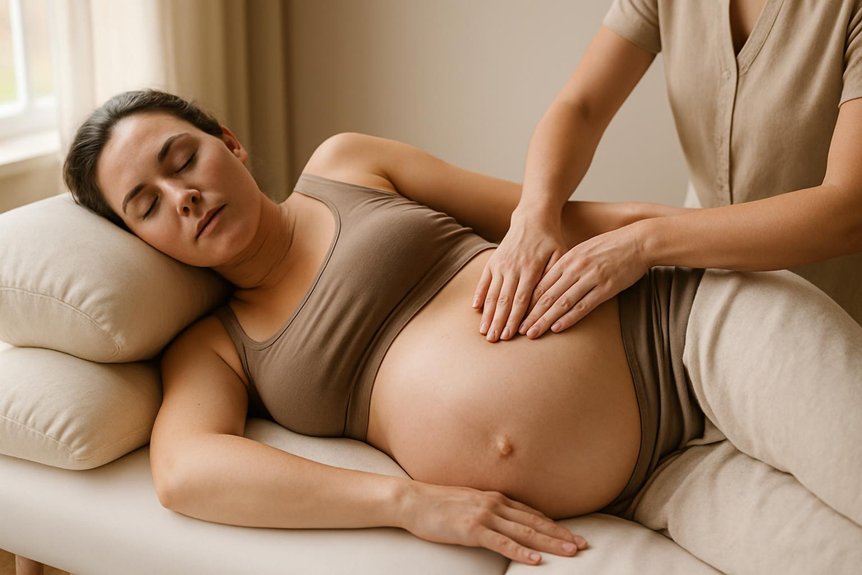
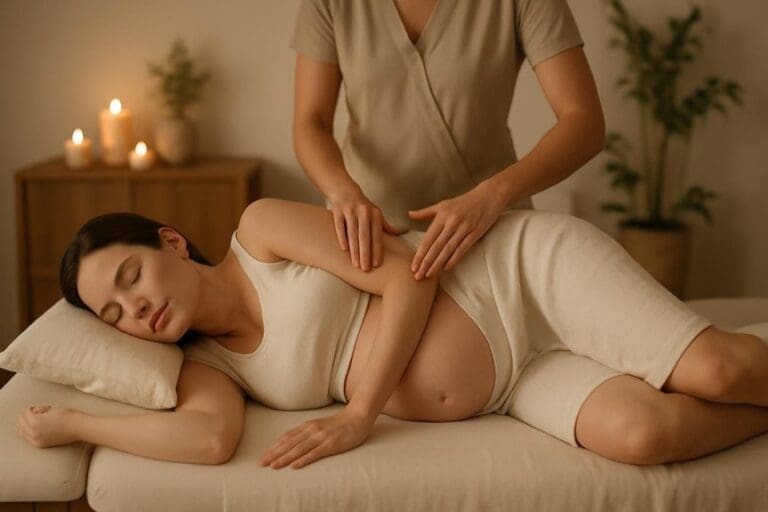
For pregnancy Swedish massage, side-lying positioning with appropriate bolstering is generally preferred to support maternal circulation and reduce abdominal and low-back strain.
Pressure should remain light-to-moderate and always symptom-guided, as excessive force may aggravate ligament laxity and tissue sensitivity common in pregnancy; at Spa & Massage, therapists adjust depth continuously to comfort and clinical presentation.
Certain areas warrant added caution—particularly deep work over the abdomen, aggressive sacral pressure, and any techniques that provoke dizziness, pain, or uterine tightening.
Side-Lying Positioning
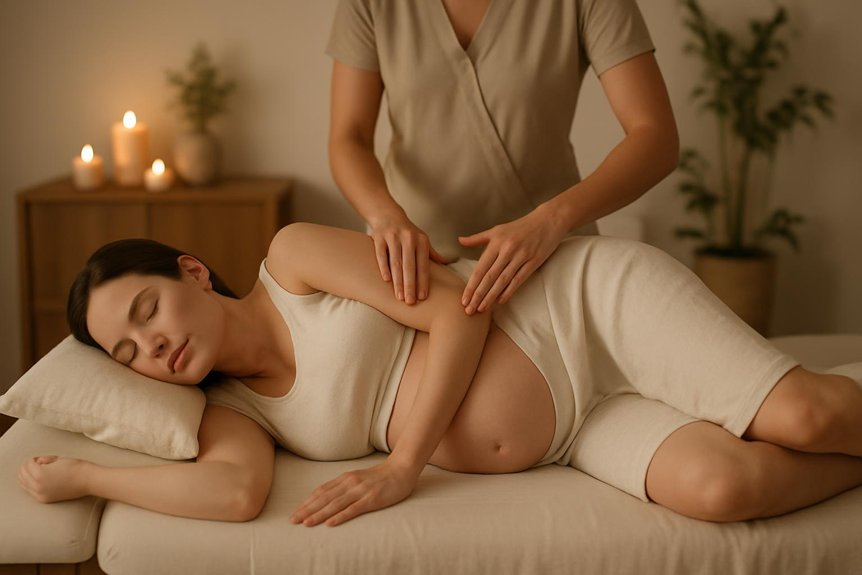
In prenatal massage, side-lying positioning is widely used to minimise vena cava compression and reduce strain on the lumbar spine and pelvis. It supports maternal circulation and comfort, particularly after the first trimester, when prolonged supine lying may provoke dizziness or nausea.
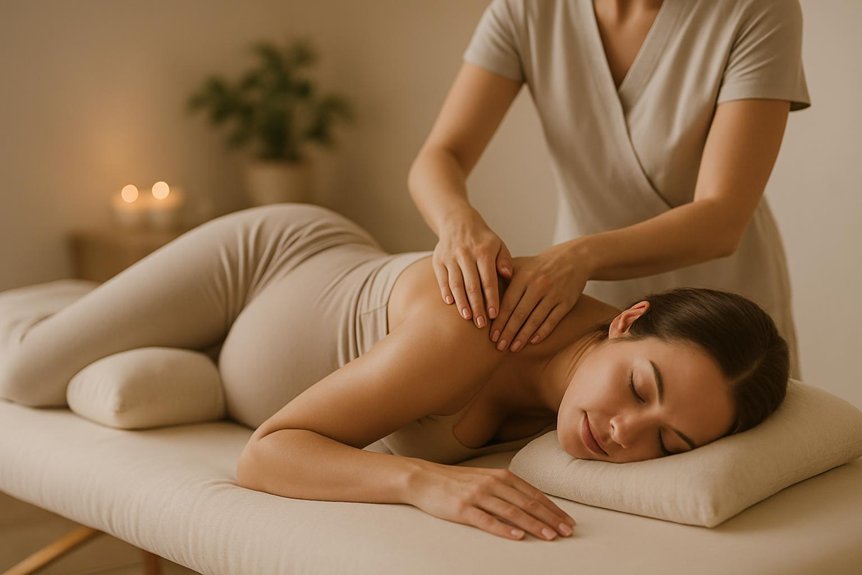
At Spa & Massage clinics across London, therapists typically use firm bolsters or pillows to keep the client aligned: one between the knees, one supporting the abdomen if needed, and one behind the back to prevent rolling. The upper shoulder and hip are stabilised so strokes can remain smooth and close, preserving a sense of secure, respectful intimacy. Regular check-ins are advised, with immediate repositioning if breathlessness, lightheadedness, uterine tightening, or discomfort occurs. Contraindications are screened before treatment.
Pregnancy-Safe Pressure Levels
How much pressure is safe during pregnancy depends on gestational stage, maternal comfort, and any medical risk factors, so treatment is typically kept at light-to-moderate intensity with adjustments made continuously.
Evidence-informed practice prioritises relaxation, circulation support, and reduction of muscular tension without provoking tenderness, bruising, or uterine irritability.
At Spa & Massage, therapists use slow Swedish strokes, broad-palmed compression, and careful pacing, checking in frequently and scaling pressure down at any sign of discomfort, dizziness, nausea, or heat.
In earlier weeks, pressure remains especially gentle; later, it is moderated to account for fluid shifts and increased tissue sensitivity.
Clients are guided to breathe steadily and speak up promptly, helping the session feel safe, close, and reassuring.
Avoiding Risky Areas
Safe pressure levels in pregnancy must be paired with careful site selection and positioning, because certain body areas and postures can increase discomfort or theoretical risk even at light-to-moderate intensity. Therapists typically avoid sustained deep work over the abdomen, vigorous percussive techniques, and heavy compression around the inner ankle, calf, and behind the knee, where sensitivity, swelling, and clot risk may be higher in susceptible clients.
Prolonged supine lying after mid‑pregnancy is limited to reduce vena cava compression. Side‑lying, with pillows supporting bump, hips, and ankles, is generally preferred; a semi‑reclined position can suit reflux or breathlessness.
At Spa & Massage clinics, Swedish strokes are kept slow, nurturing, and adaptive, with frequent check‑ins and immediate adjustment to any tenderness, dizziness, or heat.
Pregnancy-Safe Oils for Swedish Massage
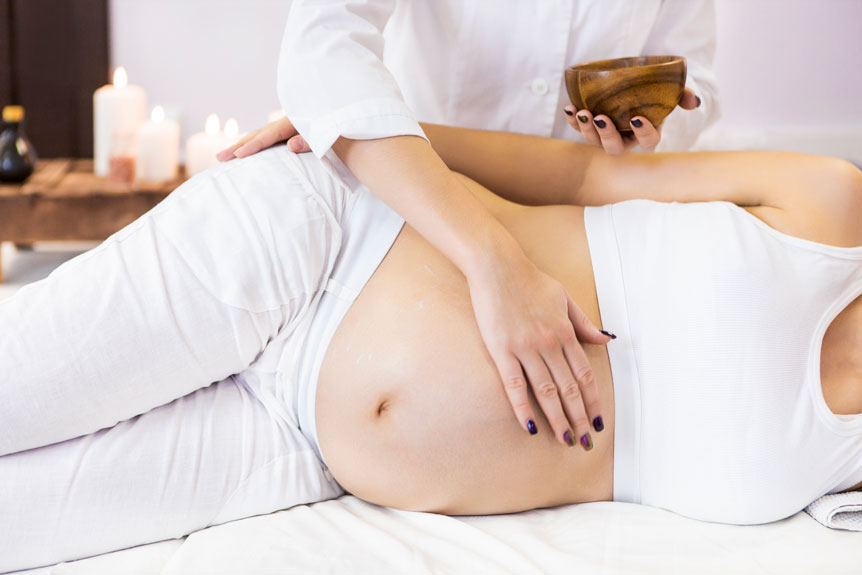
A pregnancy Swedish massage relies on oils that minimise irritant and systemic exposure risks while still providing adequate glide for light-to-moderate strokes.
In clinical practice, unscented, hypoallergenic vegetable oils are preferred, as they have low volatility and a long safety history on intact skin.
At Spa & Massage clinics across London, therapists commonly use simple carrier oils such as grapeseed, sunflower, or fractionated coconut, chosen for stability, low odour, and reduced residue—supporting close, comforting contact without heavy occlusion.
Essential oils are used cautiously or avoided, because concentrated aromatics can trigger nausea, headaches, or sensitisation and may increase systemic absorption.
Patch testing and minimal quantity are recommended, especially with eczema, asthma, or heightened scent sensitivity.
Any new rash warrants immediate cessation and medical advice.
Choosing a Therapist for Swedish Prenatal Massage
In clinical practice, selecting an appropriate therapist is a primary risk-control measure for Swedish massage during pregnancy, because maternal physiology and positional tolerances change across trimesters and certain techniques are contraindicated. A suitable provider should be trained in prenatal massage, able to screen for red flags (bleeding, pre-eclampsia, DVT risk, severe pelvic pain), and willing to liaise with a midwife or GP when indicated.
At Spa & Massage clinics across London, therapists take a brief health history, adapt pressure to comfort, avoid deep abdominal work, and use side‑lying bolsters to support close, reassuring contact without vena cava compression. Clients should confirm trimester experience, hygiene standards, consent practices, and clear stop‑signals. Any dizziness, calf tenderness, or contractions warrants immediate cessation.
Conclusion
Overall, Swedish massage can be safe during uncomplicated pregnancy when adapted for gestational stage, positioning, and reduced pressure, but it is not universally appropriate. Importantly, a Cochrane review of massage and relaxation for pregnancy-related pain reported that interventions such as massage reduced low-back pain intensity compared with usual care in several trials, though certainty varied. Screening for pre-eclampsia, bleeding, thrombosis risk, or other complications remains essential, with medical clearance advised when risk factors exist.