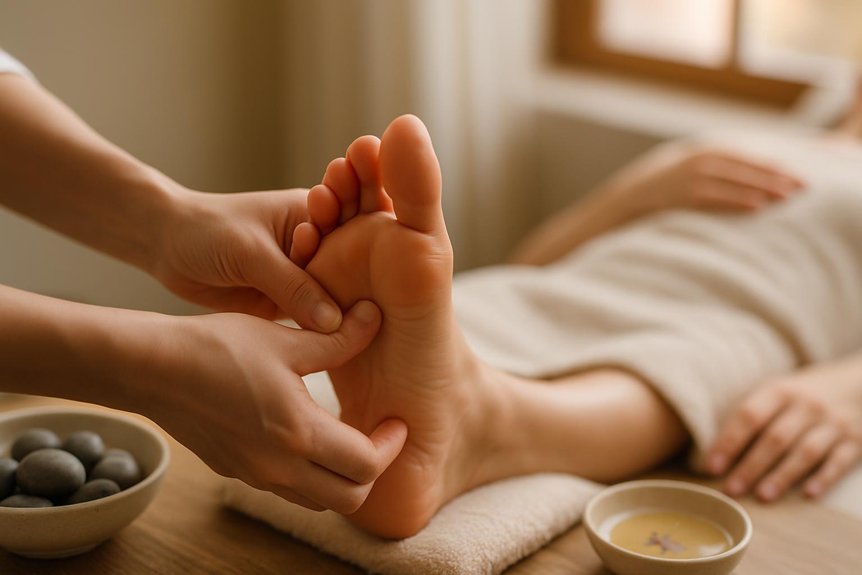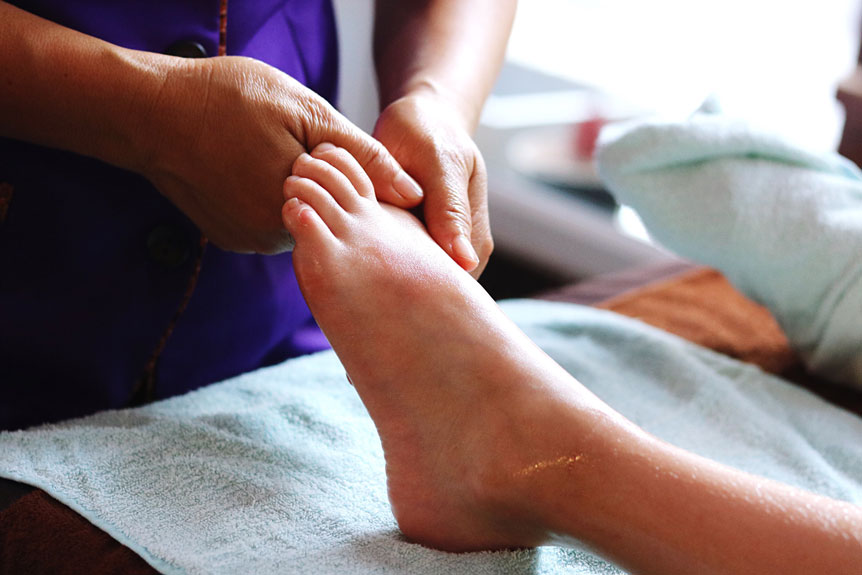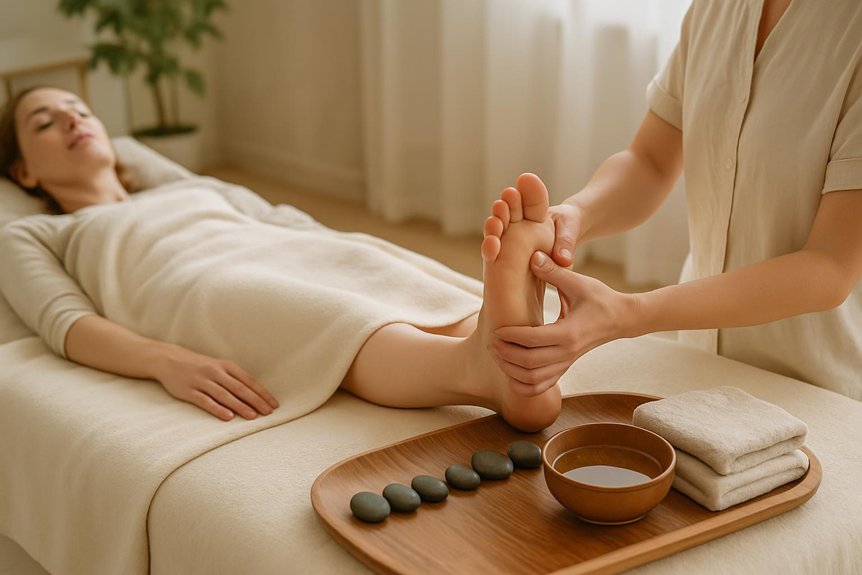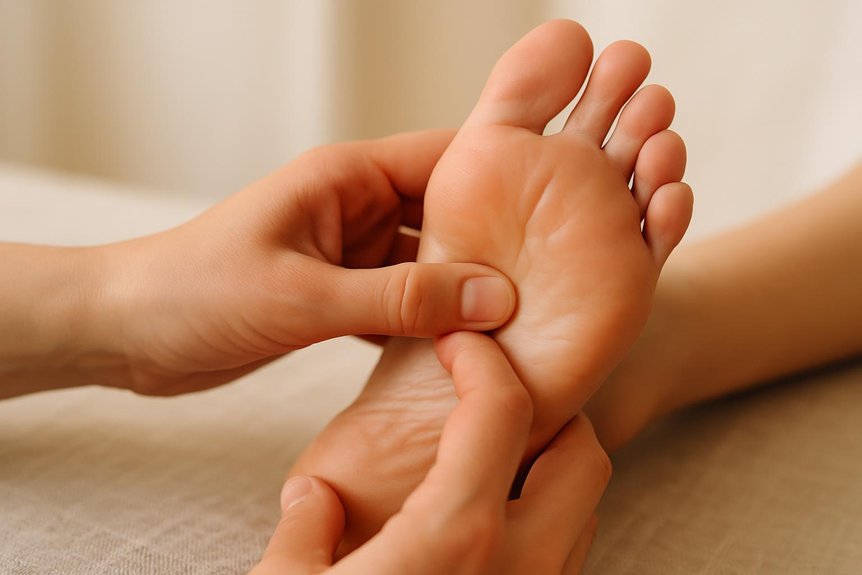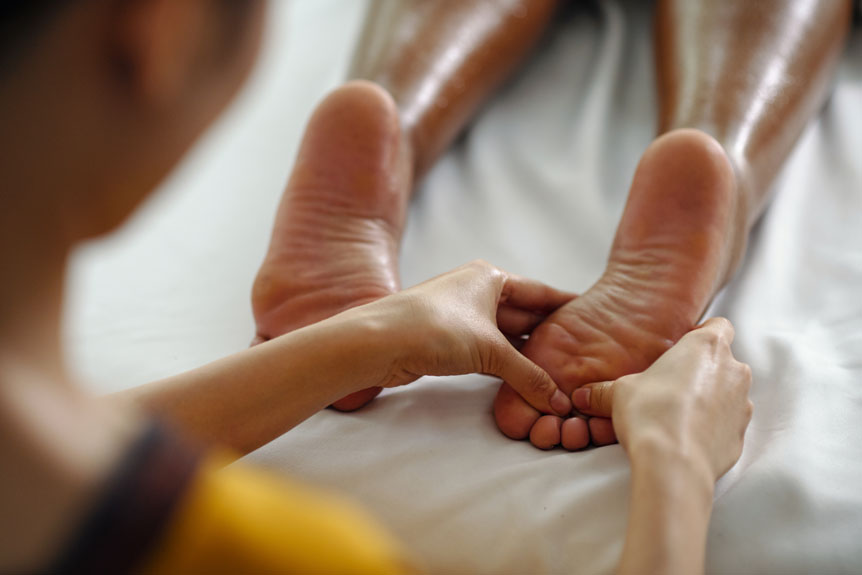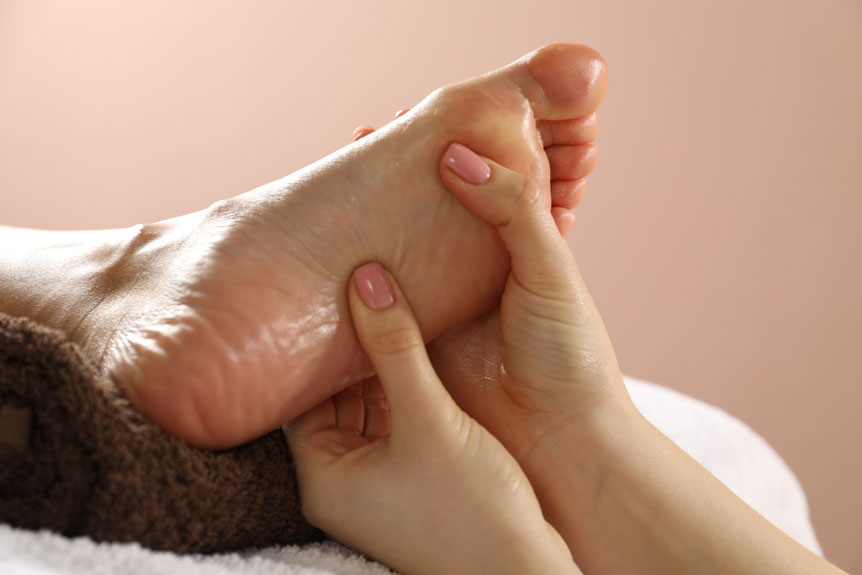
Research on zone therapy suggests modest, short-term benefits for relaxation and reduced self-reported stress and anxiety, with smaller studies also reporting improved sleep quality. Interpretation depends on trial design, comparison groups, and outcomes, and effects often shrink when credible sham controls and blinding are used. Evidence for disease-specific benefits or objective biomarker changes remains unproven, and protocols vary widely across studies. Individual expectations and therapist contact may influence results, and key details are explained next.
Does It Work, According to Research?
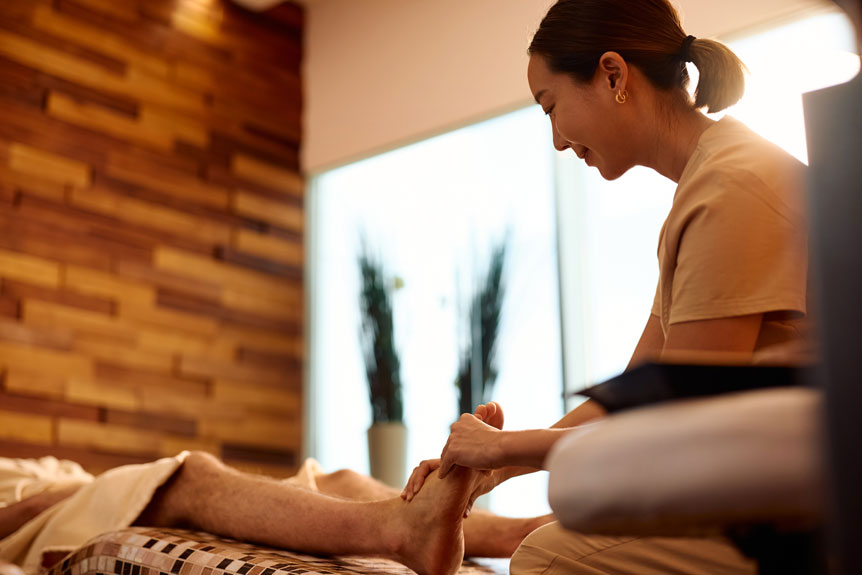
In evaluating whether zone therapy “works,” the research literature is best interpreted through study design—particularly randomised controlled trials, the choice of comparison (e.g., sham/zone therapy-like touch or standard foot massage), and the outcomes measured.
Across trials, effects tend to be clearer for subjective endpoints (perceived relaxation, stress, discomfort) than for objective biomarkers, and results often shrink when blinding and credible sham controls are used. Heterogeneity matters: protocols vary by pressure, duration, session number, and practitioner training, complicating pooled conclusions.
Methodologically, the most defensible reading is that zone therapy can support short-term comfort and calm for some people, while disease-specific claims remain unproven. This fits with the broader framing of zone therapy as a wellbeing approach focused on the healing power of touch-based care.
At Spa & Massage London clinics, zone therapy is accordingly framed as a soothing, client-led wellbeing session with measurable personal outcomes tracked over time.
Which Zone Therapy Benefits Have the Best Evidence?
Which zone therapy benefits stand on the strongest research footing?
Across trials and reviews, the most consistent signals appear in stress-related outcomes: short-term reductions in anxiety, improved relaxation, and modest improvements in sleep quality.
These findings are typically based on small randomised studies using self-report scales, so effects may be influenced by expectation and therapist contact, yet the pattern repeats across settings.
Some evidence also suggests benefit for nausea and general wellbeing in people undergoing intensive medical treatments, though methods and protocols vary.
In Spa & Massage clinics, zone therapy is thus framed as a supportive, calming intervention rather than a cure.
Therapists track comfort, breath, and sleep in aftercare notes, helping clients notice changes over several sessions while staying realistic.
Does It Help With Pain Relief?
Clinical studies evaluating zone therapy for pain commonly report small-to-moderate short-term reductions, but the overall certainty is limited by heterogeneous protocols, small samples, and variable control conditions.
Proposed mechanisms include modulation of autonomic activity, reduced stress reactivity, and altered pain processing via touch-based stimulation rather than a foot-to-organ “map” effect.
In Spa & Massage clinics across London, zone therapy is thus positioned as a low-risk adjunct for pain management, with outcomes best judged using standardised pain scores and follow-up rather than anecdote alone.
Evidence For Pain Reduction
Although zone therapy is often sought for relaxation, the question of whether it reduces pain is best approached through the quality and consistency of available research rather than anecdote.
Across clinical trials and reviews, findings are mixed: some studies report modest short-term reductions in pain (often alongside reduced anxiety), while others show no meaningful difference versus sham touch or usual care. Methodology frequently limits confidence—small samples, variable protocols, short follow-up, and imperfect blinding make effects hard to separate from expectation and attentive contact.
Where benefits appear, they tend to be measured immediately after sessions rather than sustained weeks later.
In Spa & Massage clinics across London, zone therapy is positioned as a supportive option within a wider, personalised plan, especially when clients want gentle, nurturing care alongside evidence-based pain management.
How Zone Therapy May Work
From a mechanistic standpoint, zone therapy’s potential role in pain relief is most plausibly explained by non-specific, neurophysiological pathways rather than the literal “reflex point” maps commonly described in popular accounts.
Small trials suggest pain outcomes may shift via touch-mediated modulation of the autonomic nervous system, activation of descending inhibitory pathways (gate-control), and reduced threat perception, all of which can alter pain sensitivity.
Methodologically, benefits often track with expectations, therapist attention, and relaxation—factors hard to fully blind, so effect sizes may be inflated.
Still, when protocols standardise pressure, session length, and outcomes, some studies show clinically meaningful short-term improvements.
At Spa & Massage clinics, therapists prioritise calm pacing, consent-led pressure, and breath cues, aiming to support safety and comfort alongside conventional care.
Can It Reduce Stress and Improve Sleep?
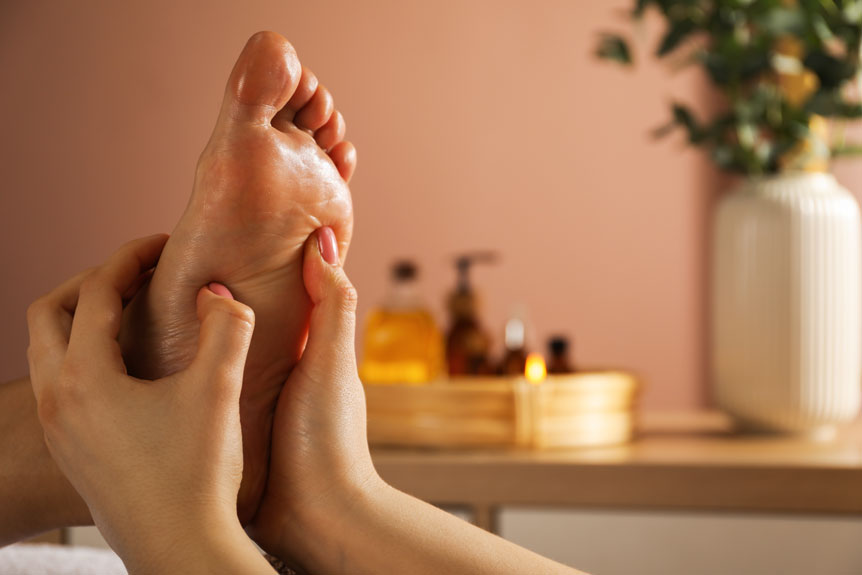
Over the past two decades, zone therapy has been investigated as a non-pharmacological approach to lowering perceived stress and supporting sleep quality, typically through small randomised trials and pre–post studies that measure outcomes such as anxiety/stress scales, heart-rate variability, and self-reported sleep indices.
Across these designs, results often show modest short-term reductions in state anxiety and perceived stress, with some studies reporting improved sleep latency and subjective sleep quality after a brief course of sessions. However, methodological limits—small samples, variable control conditions, incomplete blinding, and reliance on self-report—temper certainty and make effect sizes difficult to compare.
Where protocols are standardised, benefits appear most consistent immediately post-treatment. In Spa & Massage clinics, clients seeking calmer evenings commonly schedule zone therapy late afternoon, pairing it with quiet aftercare and reduced caffeine intake.
Why Do Zone Therapy Results Vary by Person?
Why do two people receive the same zone therapy protocol yet report markedly different outcomes? Research points to heterogeneity: baseline symptom severity, stress load, sleep debt, and concurrent care can shift measurable change.
Trials also show strong expectancy and contextual effects; the therapist’s manner, privacy, and perceived safety may amplify relaxation responses.
Methodology matters: small samples, varied point maps, session length, and inconsistent comparators make effect sizes unstable.
Individual physiology adds noise—autonomic tone, pain sensitivity, and medication use can alter heart rate variability, perceived pain, and fatigue ratings.
Finally, outcomes are often self-reported; mood, recall bias, and daily fluctuations influence scores.
Cautiously, evidence suggests zone therapy may help some people more than others, especially when stress-related symptoms are prominent and tracked over time.
How We Apply Zone Therapy Evidence at Spa & Massage
In practice, Spa & Massage translates the zone therapy evidence base into a structured, trackable service rather than a one‑size‑fits‑all protocol.
Each session begins with a brief intake to record sleep, stress, pain patterns, and touch preferences, then sets one or two measurable goals (e.g., easing tension before bed).
Pressure is calibrated conservatively, using a comfort scale, because studies suggest relaxation effects are sensitive to dosage and context.
Therapists apply consistent sequences while adapting time on points linked to the client’s reported symptoms, then document responses immediately after.
Clients are invited to notice changes over 24–48 hours and share follow‑up notes at the next visit.
This light monitoring supports careful, personalised adjustments without overstating claims or promising cures.
Conclusion
Overall, research on zone therapy remains mixed: small trials often report improvements in stress, sleep quality, and subjective discomfort, but effects are harder to separate from expectancy, attention, and non-specific touch. A notable data point is that many zone therapy studies enroll fewer than 50 participants per group, limiting statistical power and generalisability. The most defensible conclusion is cautious: zone therapy may support relaxation-oriented outcomes for some people, but should complement—not replace—evidence-based medical care.