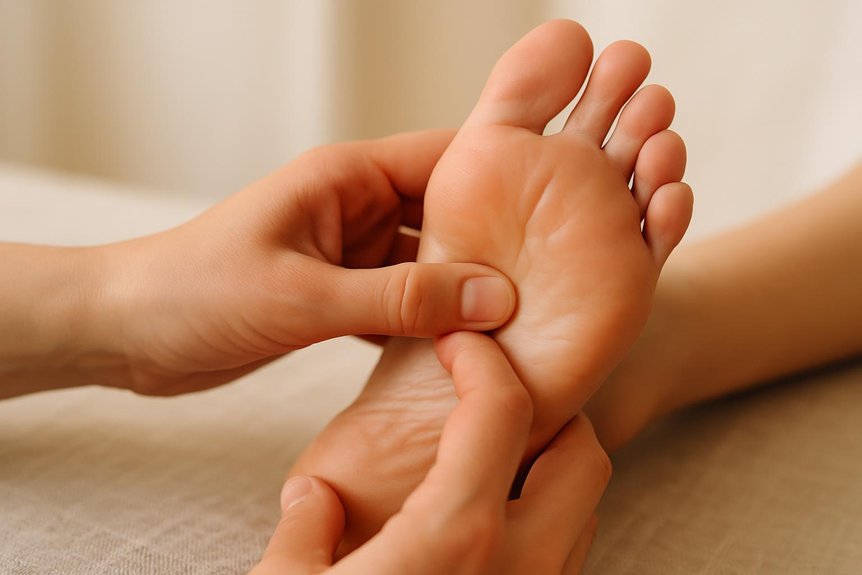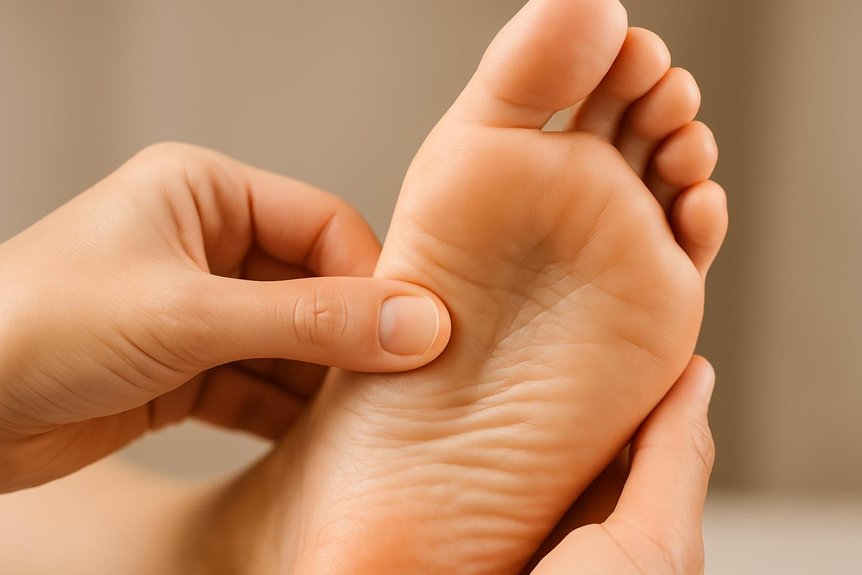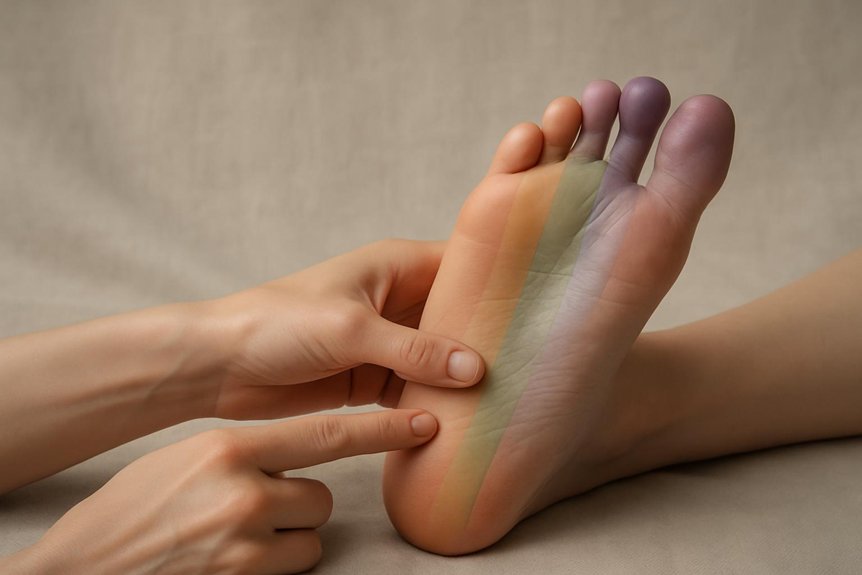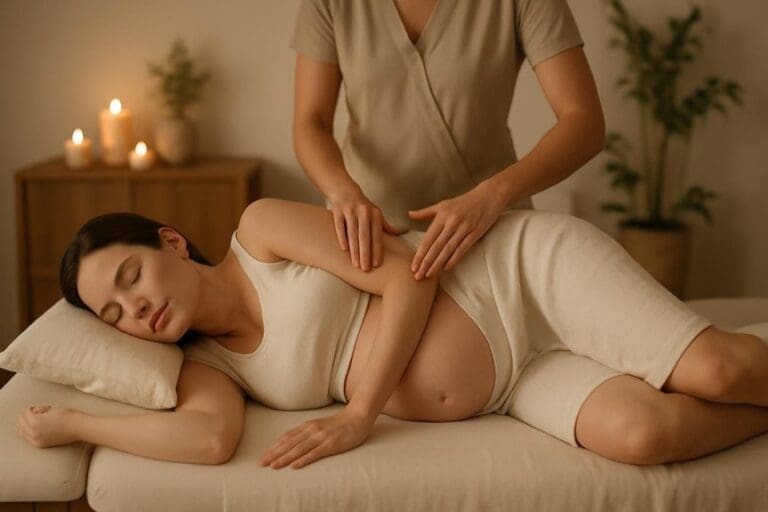
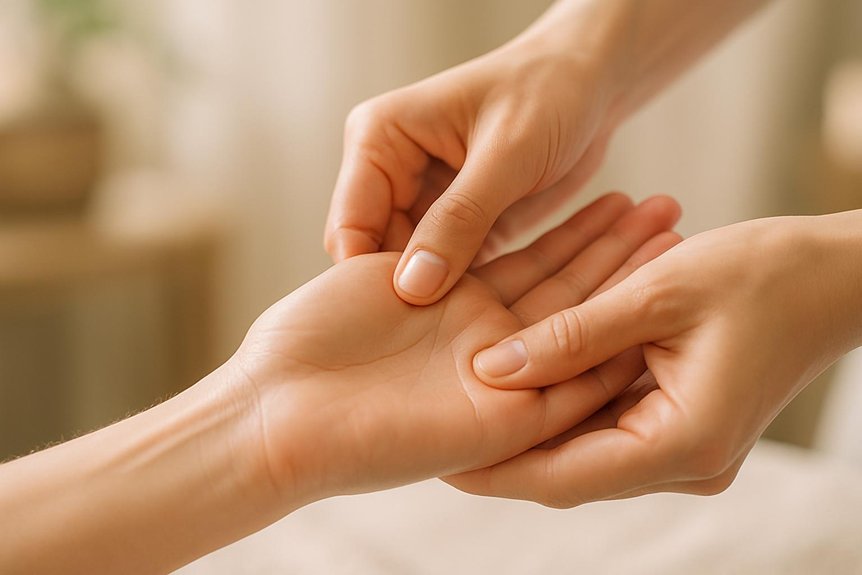
Hand zone therapy is a targeted manual therapy that applies controlled pressure to mapped points on the hands linked with organs and body systems. Practitioners use gentle sustained holds, thumb-walking, and small circular presses across the palm, fingers, and back of the hand, adjusting intensity to comfort. It is commonly explained as neuromodulation, where stimulation of skin receptors may influence autonomic activity, stress response, and pain perception. Next are key points, safety notes, and a simple home sequence.
What Is Hand Zone Therapy?
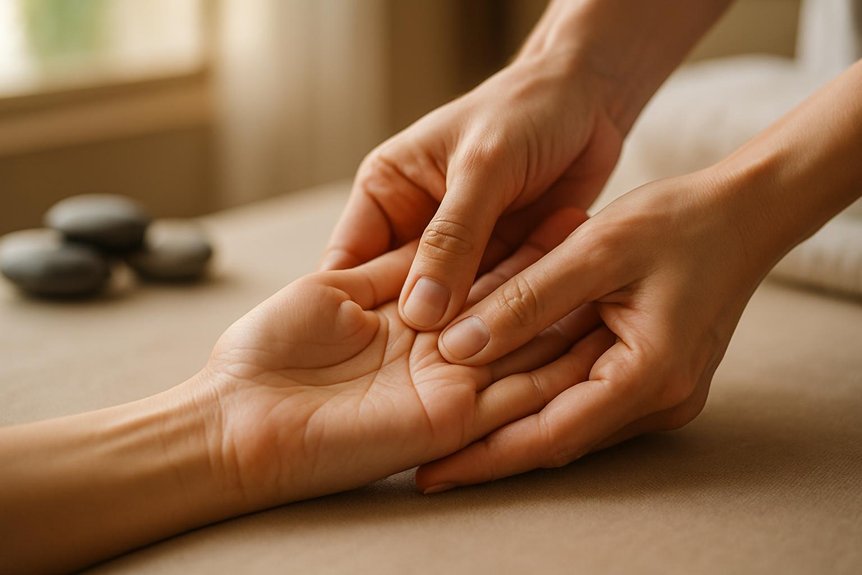
Fundamentally, it is a targeted manual therapy in which specific pressure techniques are applied to mapped points on the hands that correspond, in theory, to organs and body systems. It is delivered through gentle, sustained holds, thumb-walking, and small circular presses along the palm, fingers, and dorsum, with pressure adjusted to comfort and sensitivity.
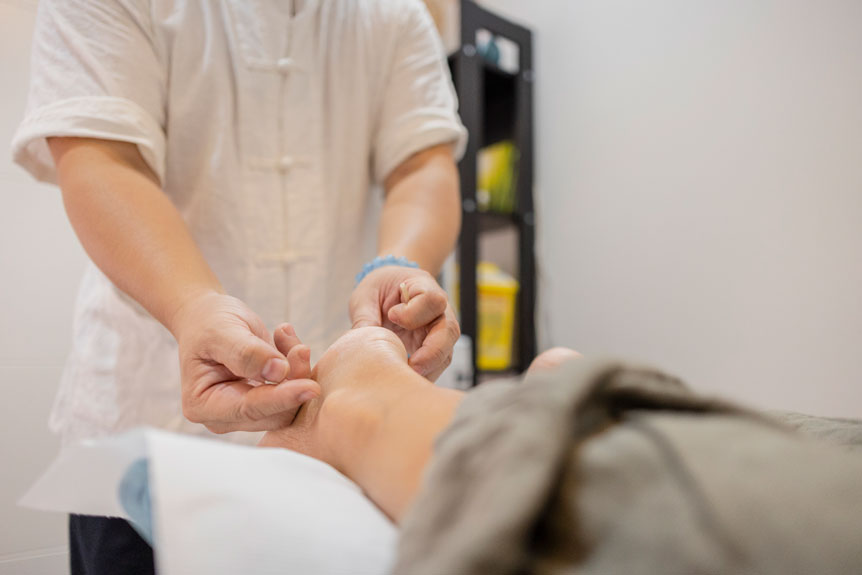
In Spa & Massage clinics, therapists begin with brief consultation, then warm the hands and systematically assess tender or reactive areas to guide a tailored sequence. Sessions are typically performed clothed and can be combined with calming breathing cues and a nurturing pace that supports a sense of safety and closeness. Many people explore it as part of the broader healing power of reflexology.
While research is still emerging, many clients report reduced tension and improved relaxation after treatment. It suits desk-bound Londoners seeking focused care.
How Does Hand Zone Therapy Work?
How does hand reflex therapy work in practice? A therapist applies precise pressure to mapped reflex points on the palm, fingers, and wrist that correspond to body regions. Using thumb-walking, finger rotations, and steady holds, the practitioner assesses texture and tenderness, then adjusts depth and rhythm to the client’s comfort. The working theory is neuromodulation: stimulation of cutaneous receptors may influence autonomic activity, pain perception, and relaxation responses, supported by small clinical studies showing reduced stress and improved subjective wellbeing.
At Spa & Massage, sessions begin with brief consultation and warming strokes, then progress through both hands to balance input. Many clients notice softened breathing, warmer hands, and a calmer, connected sense of ease during and after the treatment.
Is Hand Reflex Therapy Safe for Everyone?
It is generally safe for most people when delivered by a trained therapist using controlled, client-led pressure, but suitability depends on health status and symptom presentation.
In Spa & Massage clinics, therapists begin with a brief consultation and adjust depth, pace, and hold time to comfort, aiming for a soothing, intimate sense of ease rather than “pushing through” tenderness.
Caution is advised for clients with acute inflammation, fever, recent surgery or fractures, severe neuropathy, uncontrolled cardiovascular conditions, or active skin infections on the hands.
Pregnancy, cancer care, diabetes, and anticoagulant use are not automatic exclusions, yet they require modified pressure and close monitoring.
Any sharp pain, dizziness, or symptom flare means the session should pause and be reassessed promptly.
Hand Reflex Therapy Points: A Simple Hand Map
With suitability and pressure level established, a clear map of common hand reflex therapy points helps guide safe, repeatable work.
In Spa & Massage clinics, therapists often describe the hand in zones: fingertips relate to head and sinus comfort; the thumb corresponds to spine and neck; the padded palm beneath fingers is linked with chest and breathing ease; the centre of the palm maps to stomach and digestion; the outer palm tracks liver and gallbladder; the heel of the palm relates to pelvis and lower back; and the wrist crease aligns with reproductive and hormonal balance.
Both hands reflect the whole body, with the left commonly used for heart-focused work.
Clients usually notice tenderness at “active” points, guiding gentler, more attentive pressure and pacing.
How to Do Hand Reflex Therapy at Home (Step-by-Step)
Often, a simple at-home hand reflex therapy routine works best when it follows a consistent sequence—warm-up, targeted pressure, and calm-down—using slow, comfortable thumb-walking rather than sharp poking.
In a quiet room, they wash hands, remove jewellery, and apply a small amount of neutral oil, as Spa & Massage therapists do to reduce drag.
Step 1: Warm-up—stroke palm to fingertips for 30–60 seconds, then gently circle each knuckle.
Step 2: Thumb-walk the whole palm in small “caterpillar” steps, keeping pressure at a pleasant 3–5/10.
Step 3: Work key zones—press-and-release each reflex point for 3–5 breaths, then sweep outward to the fingers.
Step 4: Calm-down—lightly squeeze each finger, finish with slow wrist circles, and rest.
What Are the Benefits of Hand Reflex Therapy?
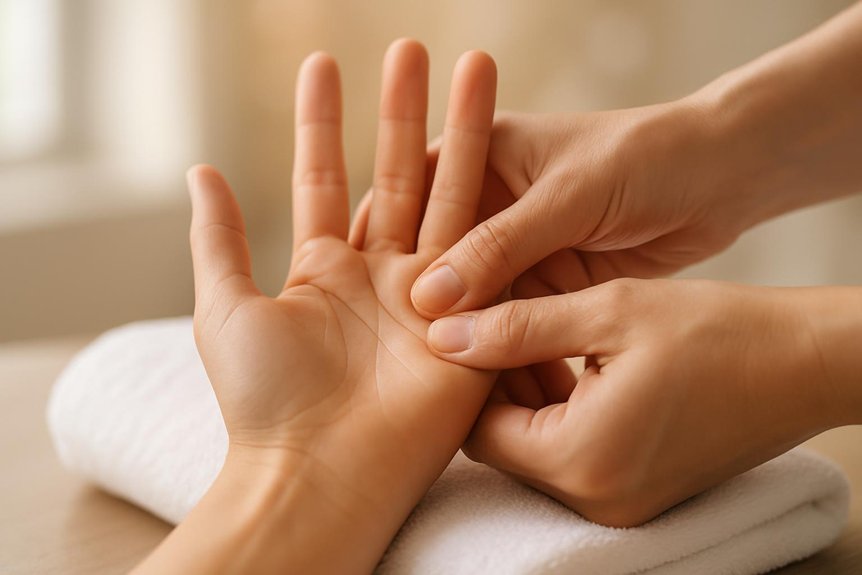
A short, consistent at-home routine is useful not only for immediate comfort but also for the measurable, day-to-day benefits many clients report from hand reflex therapy.
Gentle thumb-walking along the palm, slow circles through the web spaces, and steady pressure on tender points can reduce perceived stress, ease muscle tension from screens and commuting, and support sleep quality by downshifting the nervous system.
Some clients notice fewer tension-type headaches and easier breathing when the work includes the base of the thumb and the centre of the palm.
In Spa & Massage clinics, therapists pace pressure with the client’s breath, aiming for “comfortably intense” rather than sharp pain.
Regular sessions may also improve body awareness, helping clients recognise early signs of overload and respond sooner.
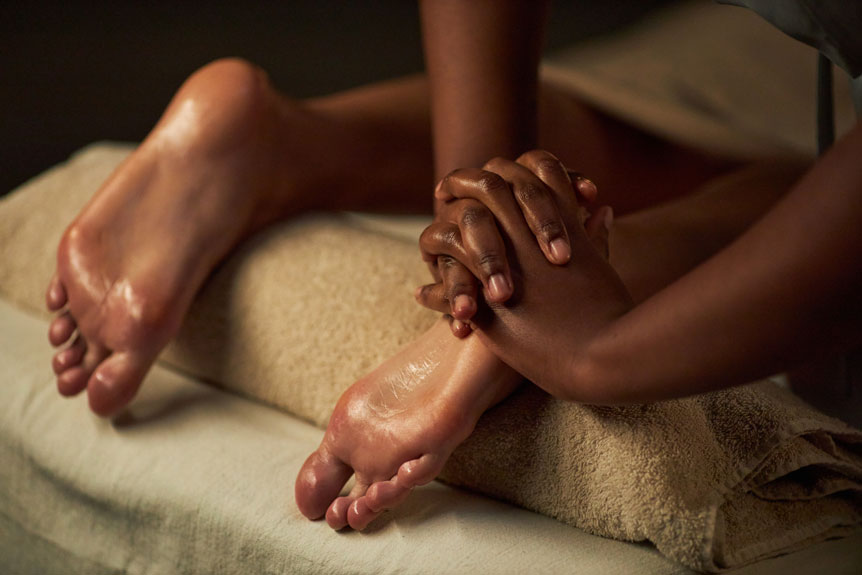
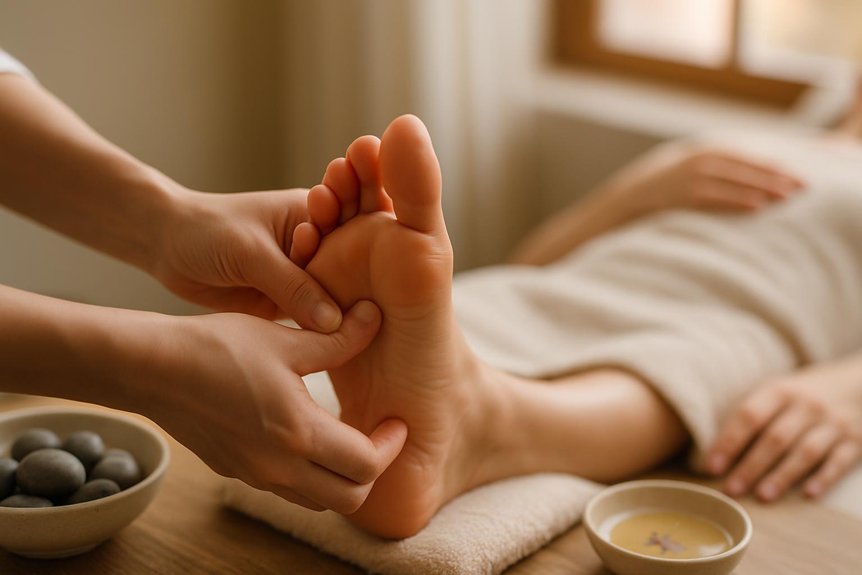
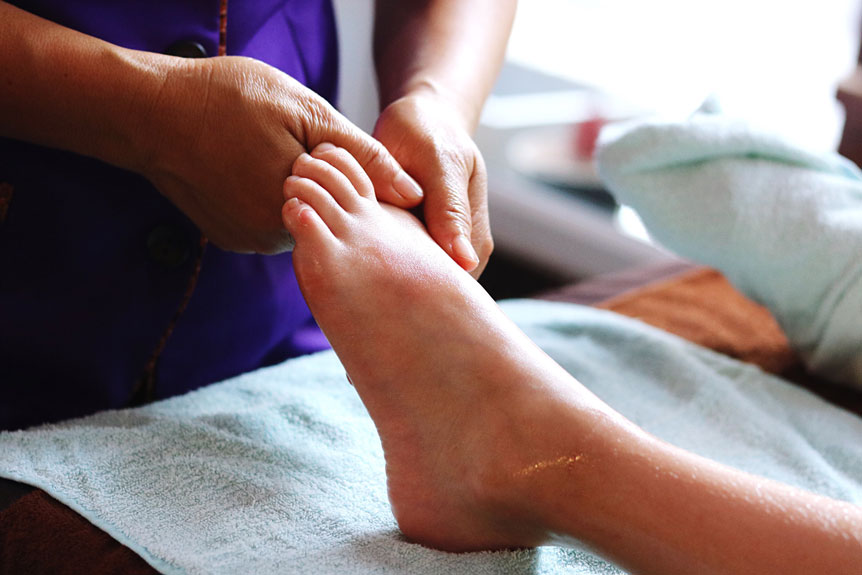
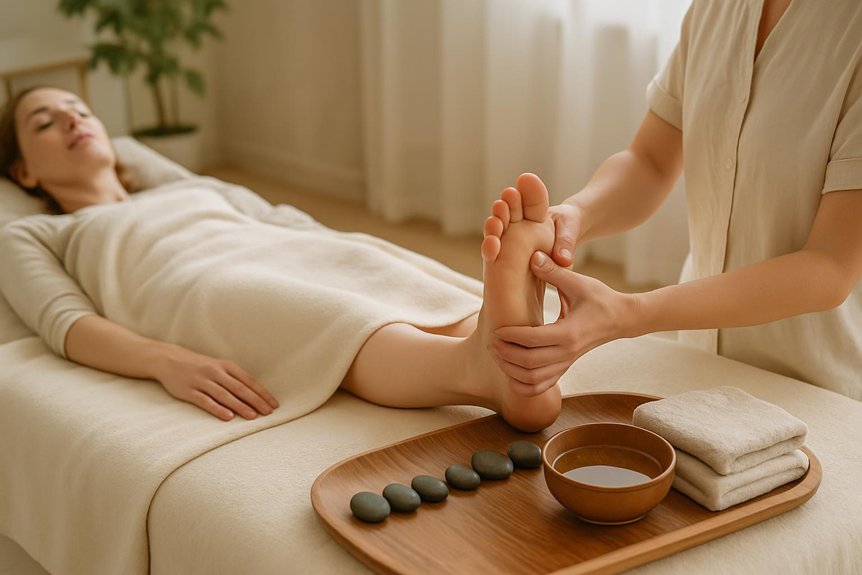
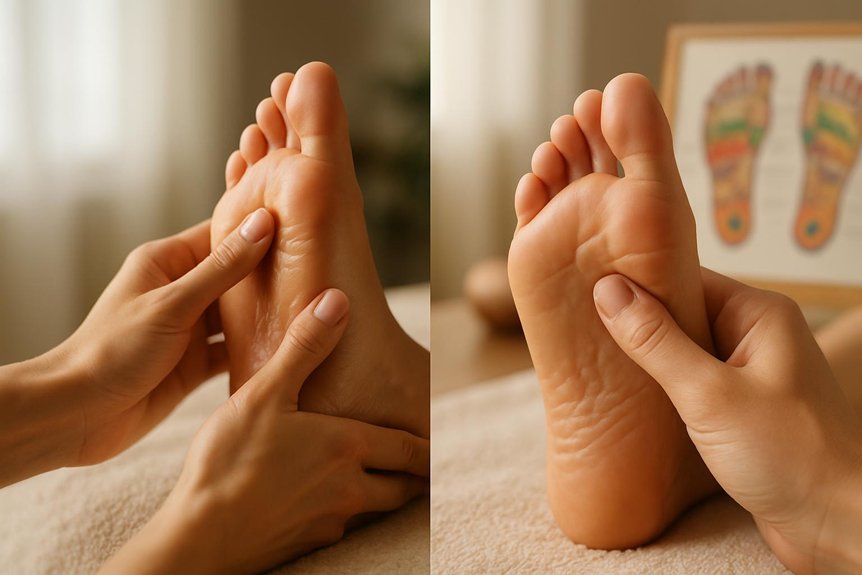
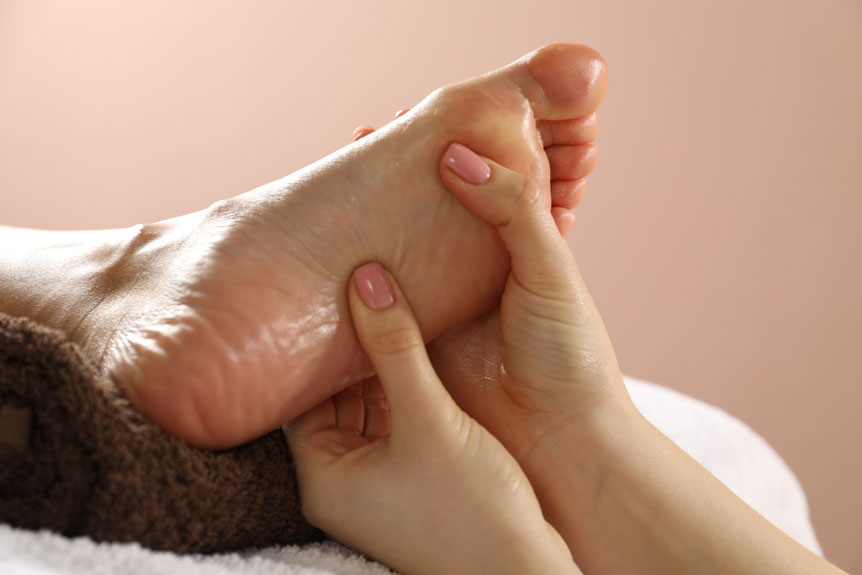
Hand vs. Foot Reflex Therapy: What’s Different?
In practice, hand and foot reflex therapy use the same core mapping principles and pressure techniques, but the tissues, nerve density, and load-bearing demands of each area make the experience—and the clinical focus—distinct.
Hands have finer structures and are often more responsive to micro-adjustments: therapists at Spa & Massage typically use smaller thumb-walks, gentle knuckling, and precise pin-and-release on the palm, then mobilise wrists and fingers to ease gripping fatigue.
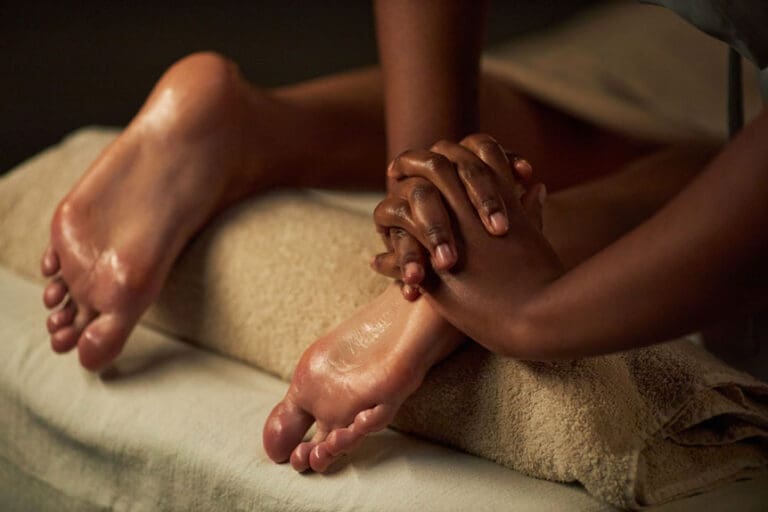
Feet tolerate broader pressure and slower work; therapists can lean in with firmer thumb-walking along arches and heels, targeting areas shaped by standing and footwear.
Clients seeking quiet, close comfort often prefer hands for subtle tenderness and easy feedback, while feet suit those wanting deeper, grounding pressure and sustained release.
Hand Reflex Therapy at Spa & Massage: What to Expect
Hand reflex therapy at Spa & Massage builds on the same reflex mapping principles used on feet, but the session is structured around the hand’s finer tissues and faster feedback.
A therapist begins with a brief consultation on stress, sleep, pain, and contraindications, then supports the client in a relaxed, private setting across the London clinics.
Hands are cleansed, warmed, and gently mobilised; light oil may be used for glide if preferred.
Technique is precise: thumb-walking, sustained finger pressure, and small circular holds across the palm, metacarpals, and each digit, with intensity kept in the “comfortably tender” range.
Many clients notice warmth, softening in the forearms, and steadier breathing.
Aftercare typically includes hydration, lighter activity, and noting changes over 24 hours.
Conclusion
Hand reflex therapy offers a practical, low‑intensity way to support relaxation through targeted pressure on mapped points of the hand. While definitive mechanisms remain under study, consistent findings on touch, parasympathetic activation, and perceived stress reduction help explain why many clients report calmer mood, easier sleep, and less tension. Like Ariadne’s thread, the hand map guides technique—thumb walking, sustained holds, and gentle mobilisations—toward areas linked with stress or digestion, with safety screening and comfort always prioritised.