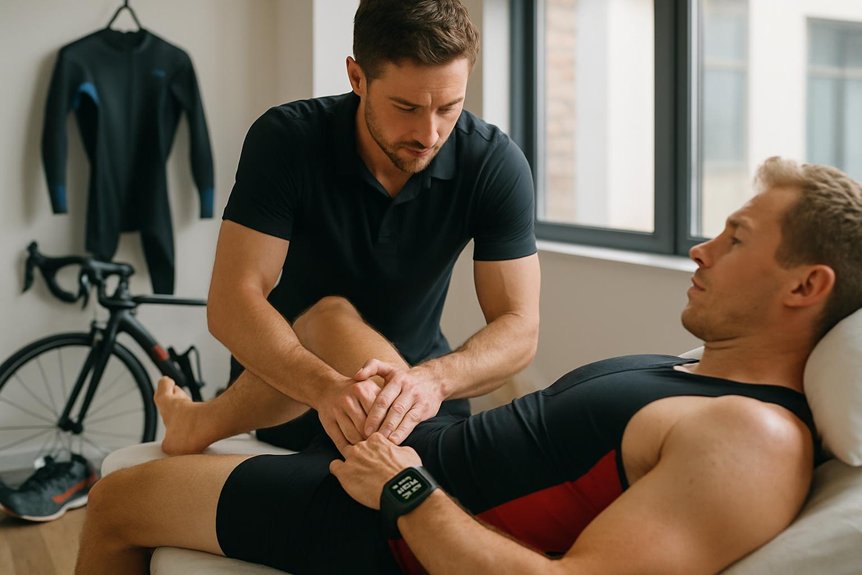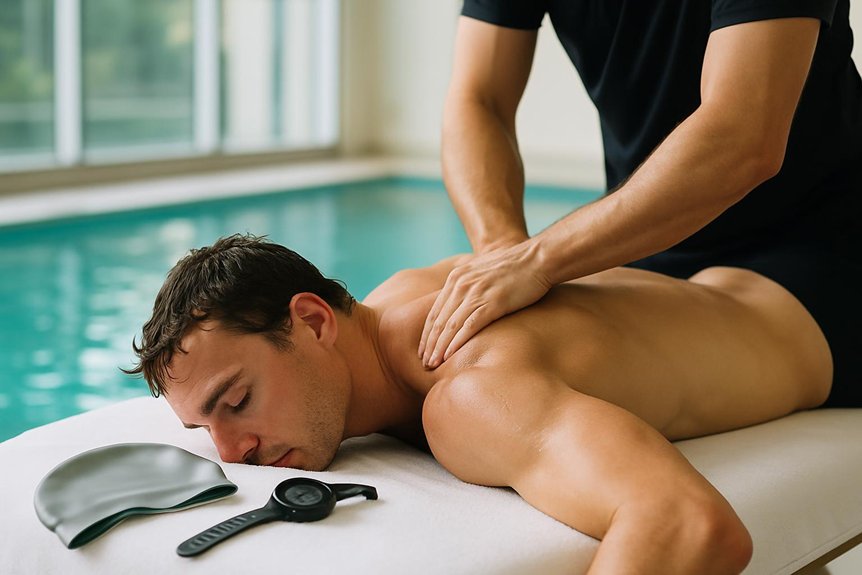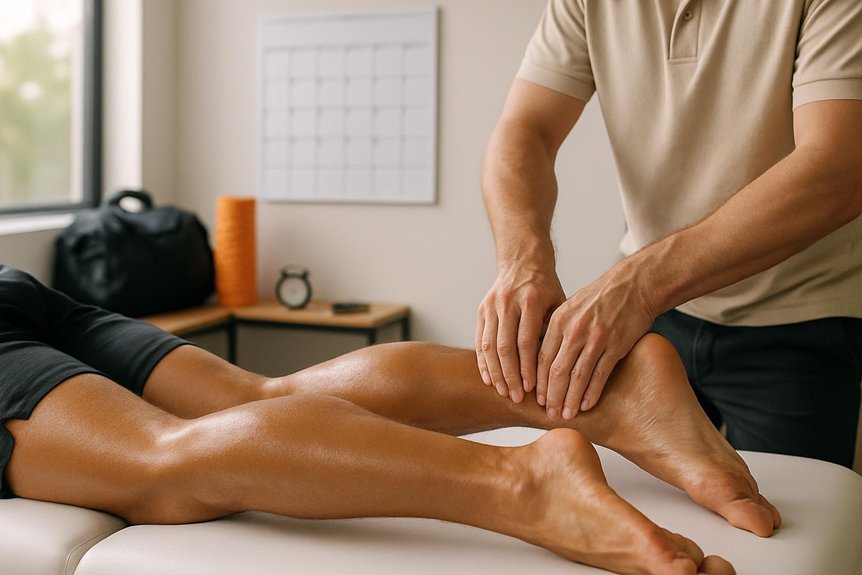

A therapeutic massage should not be outright painful. Most people feel a controlled pressure, warmth, and a “good ache” that eases with breathing. Sharp, electric, or radiating pain is a sign to reduce load. Clinicians start with assessment and use calibrated techniques—myofascial release, deep tissue, trigger point holds, and assisted stretching—adjusted via 0–10 feedback (aiming 4–6). Sensitivity varies with tissue status, sleep, hydration, medications, and prior injury. Normal soreness resolves within 24–72 hours. More practical details follow.
What to Expect During a Therapeutic Massage

Although techniques vary by individual needs, a typical therapeutic massage at Spa & Massage begins with a brief assessment to identify goals (e.g., reducing muscle tension, improving range of motion, aiding recovery) and any contraindications. A therapist then explains the plan, seeks consent, and invites ongoing feedback.
Treatment commonly combines myofascial release, deep tissue strokes, trigger point compression, and assisted stretching, prioritising areas of overuse. Clinical-grade, hypoallergenic oils are used sparingly to maintain grip for specific tissue work.
Pressure is introduced gradually, aligning intensity with the client’s breath and tolerance. Sessions close with a concise reassessment, hydration guidance, and tailored aftercare—often gentle mobility drills, heat or contrast strategies, and pacing advice.
Clients leave with clear expectations for progress, frequency, and measurable outcomes. Many of the targeted techniques in sports massage, including deep tissue strokes, are informed by the benefits and techniques of deep tissue massage to ensure effective relief of muscular tension and enhanced post-session recovery.
The Difference Between Discomfort and Pain
During therapeutic massage, productive discomfort feels like pressure, warmth, or a “good ache” that eases with steady breathing and reduces as tissues release.
Red-flag pain is sharp, electric, pinching, or causes guarding, numbness, or headache—signals to stop or modify technique.
At Spa & Massage, therapists ask for clear, real-time feedback using a 0–10 scale and encourage clients to say “lighter,” “hold,” or “stop” to maintain safe, effective treatment.
Productive Discomfort Cues
When pressure targets adhesions or tight fascia, clients can expect “productive discomfort” that feels deep, focused, and controllable—distinct from sharp, shooting, or breath-stopping pain.
In Spa & Massage clinics, therapists guide clients to notice helpful cues: warmth spreading through a knot, a melting or “good ache,” and easier breathing as tissue softens.
Sensation should stay local, not radiate down a limb. Muscles may reflexively tense at first, then release; range of motion typically improves immediately after a stroke.
Clients are invited to use a 1–10 scale; productive work usually sits around 5–7 and remains adjustable with breath and communication.
If discomfort eases within seconds or with slight pressure change, it supports therapeutic intent.
Our clinicians pace depth, layer by layer, to respect tolerance and preserve trust.
Red-Flag Pain Signals
A clear threshold separates therapeutic discomfort from pain that warrants immediate adjustment or stopping. Red-flag pain is sharp, stabbing, electric, or burning; it lingers or escalates despite lighter pressure, provokes protective muscle guarding, or radiates beyond the treatment area. Sudden joint pain, pins-and-needles with weakness, or headache with nausea also indicate risk.
Localized heat, marked tenderness over a recent injury, or swelling suggests inflammation that should not be pressed.
At Spa & Massage, therapists monitor breath cadence, facial tension, and involuntary withdrawal as objective cues that tissue load is excessive.
Evidence-informed practice prioritises graded pressure, avoiding compressive force over acute strains, bruising, or vascular structures.
When red flags appear, the session is modified—slowed, surface-level, or relocated—to protect tissue while sustaining a comforting, trust-centred experience.
How to Communicate
Clear, continuous communication allows therapists to calibrate pressure to therapeutic levels and prevent noxious load. At Spa & Massage, clients are invited to describe sensations in real time: “tender,” “stretch,” “pressure,” or “sharp.”
Discomfort is typically local, dull, and eases with breath; pain is sharp, electric, or lingering, and may trigger bracing or holding breath. When pain appears, our therapists reduce load, change angle, or switch technique.
A simple 0–10 scale keeps touch safe: aim for 4–6 during therapeutic massage; anything above 7 signals excessive intensity. Clients are encouraged to note radiating sensations, tingling, or warmth, and to report delayed soreness at follow-up.
Our therapists mirror language back, confirm consent before progressing, and recheck after each adjustment—maintaining therapeutic depth while preserving trust and comfort.
Techniques Used and How They Feel

Though labeled “sports,” the techniques are selected to match tissue needs rather than sport alone. At Spa & Massage, therapists apply a blend of effleurage to warm tissues, petrissage to mobilise muscle bulk, and friction to address adhesions.
Clients typically feel warmth, a steady squeeze, then a focused, grainy pressure over specific bands.
Myofascial release is slower and sustained; it feels like a gentle melt as fascia yields.
Trigger point compression brings a tender, pinpoint ache that should ease within 10–20 seconds, followed by a spreading lightness.
Muscle energy techniques invite a brief, soft contraction; the release often delivers an immediate lengthening sensation.
Instrument-assisted strokes produce a scraping glide with mild redness—normal hyperaemia.
In our clinics, hypoallergenic oils reduce drag, enabling precise, respectful depth.
Communicating Pressure and Pain Thresholds
Establishing a clear comfort zone at the start helps the therapist calibrate intensity to the client’s pain thresholds, using agreed scales (e.g., 0–10) and preferred pressure ranges.
During the session, real-time cues—such as “ease,” “hold,” or a number on the scale—enable immediate adjustment before discomfort becomes counterproductive.
At Spa & Massage, therapists modify techniques, pace, and tempo safely in response to feedback, prioritising therapeutic effect while preventing tissue irritation or post-session soreness.
Defining Your Comfort Zone
Defining a personal comfort zone during therapeutic massage begins with precise communication about pressure and pain thresholds.
In practice, this means distinguishing “therapeutic intensity” from pain that feels sharp, burning, or breath-stopping.
Spa & Massage clinicians invite clients to specify tolerable ranges—often a 0–10 scale—so pressure stays within a productive window that eases guarded tissue without provoking protective spasm.
A client-focused baseline includes prior injury history, current training load, sleep, and stress, all of which influence sensitivity.
Our therapists observe tissue tone, temperature, and subtle withdrawal cues to calibrate depth and pacing.
Preferences about areas to avoid, draping, and silence versus guidance are documented to protect autonomy and emotional ease.
The result is targeted, evidence-informed work that respects boundaries while supporting recovery and performance in London’s active community.
Real-Time Pressure Cues
With comfort parameters set, attention shifts to real‑time cues that keep pressure within the therapeutic zone throughout the session. At Spa & Massage, therapists invite simple, consistent feedback: a 0–10 pressure scale, brief words like “softer/hold/okay,” or a single exhale to signal easing.
Evidence suggests moderate, tolerable intensity—often 5–7/10—optimises tissue response without provoking guarding.
Micro‑signs guide adjustments when words are few: breath holding, shoulder lift, foot tension, or a flinch indicate excessive load. Warmth, slower breathing, and melting muscle tone suggest an appropriate dose.
Clients are encouraged to name “good pain” (deep, spreading, easing with breath) versus “bad pain” (sharp, electric, breath‑stopping). Therapists at Spa & Massage periodically pause, recheck scores, and match strokes to those cues, preserving safety while sustaining therapeutic depth.
Adjusting Techniques Safely
Although firm pressure is often expected in therapeutic massage, technique should be titrated to the client’s pain threshold using explicit communication and observable response. At Spa & Massage, therapists establish a shared 0–10 intensity scale, aiming for “therapeutic discomfort” around 5–7, never sharp, breath-holding, or bracing.
They monitor tissue pliability, skin tone changes, and muscle guarding, adjusting depth, speed, and stroke angle accordingly. If tenderness escalates, they switch to slower pacing, shallower stripping, or pin-and-move techniques, and intersperse myofascial holds to calm nociceptive input.
Joint positions are modified to unload sensitised structures. Breathing cues guide cadence; conversation remains minimal yet clear. Post-session, therapists review hotspots and recommend hydration, gentle mobility, and dosage of self-massage.
This approach preserves trust, outcomes, and comfort across London clinics.
Factors That Influence Sensation and Sensitivity
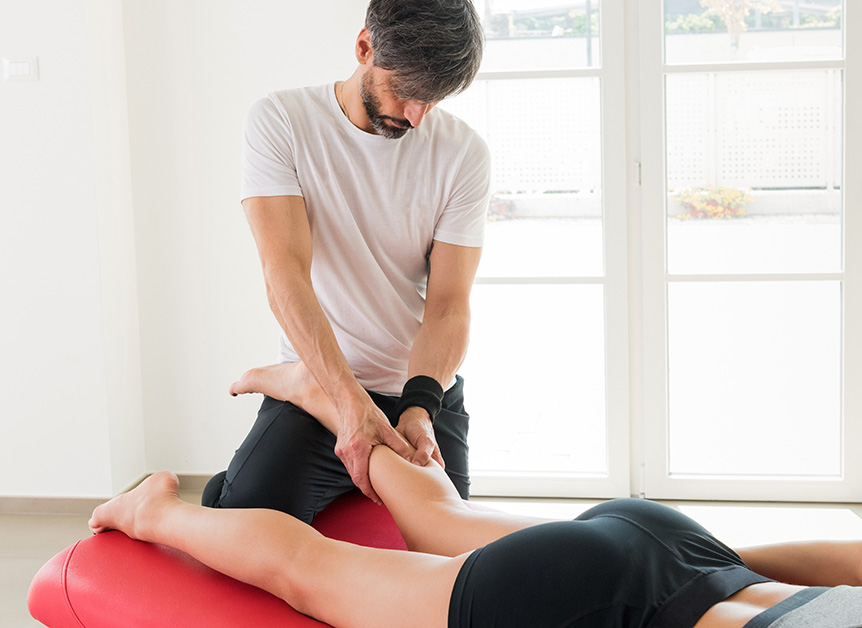
Why do some clients find therapeutic massage intensely stimulating while others describe only mild discomfort? Variation reflects tissue status, nervous system tone, and expectations. Acute soreness, trigger points, fascial density, and delayed-onset muscle soreness heighten nociception. Sleep debt, stress, and menstrual phase can lower thresholds.
Hydration and temperature alter glide and pressure perception. Previous injuries and scar tissue may concentrate sensation. Medications, including analgesics or SSRIs, can modulate pain pathways.
In Spa & Massage clinics across London, therapists assess activity load, recovery habits, and current pain before treatment. They consider breathing patterns, protective guarding, and the client’s preferred arousal state—quiet or energised.
Communication about “comfortably intense” pressure calibrates input to desired outcomes. When tissues warm and parasympathetic tone rises, sensitivity often softens, allowing depth with care.
How Our Therapists Minimise Uncomfortable Sensations
How do experienced therapists reduce discomfort without diluting therapeutic effect? At Spa & Massage, clinicians prioritise calibrated pressure, paced gradually to the client’s nervous system response. They use slow, precise strokes, sustained ischemic compressions, and myofascial gliding to release adhesions while avoiding nociceptive overload.
Real-time check-ins guide micro-adjustments to depth, angle, and tempo, maintaining therapeutic intensity within a tolerable range.
Clinicians pre-warm tissues using heat, light effleurage, and breath-led rhythm, then target trigger points in short, well-timed holds. Joint positioning shortens sensitised tissues, reducing strain during deeper work.
A neutral, hypoallergenic oil blend improves glide and reduces drag on the skin.
They also modulate sessions by segmenting regions, alternating deep techniques with integrating strokes, ensuring cumulative gains without provoking guarding or protective spasm.
Post-Massage Soreness: What’s Normal and What’s Not
Even with careful pressure calibration and tissue preparation, some soreness after a sports or deep tissue session is expected.
In clinical terms, transient delayed-onset muscle soreness (24–48 hours) reflects micro‑adaptation: improved circulation, reduced tone, and neuromuscular reset.
Typical signs include mild tenderness when pressing the worked areas, a “worked out” ache, and temporary stiffness that eases with gentle movement.
What’s not normal? Sharp or escalating pain, bruising that spreads, numbness or tingling, joint pain, or soreness persisting beyond 72 hours.
Localised warmth without redness can be typical; pronounced heat, swelling, or redness suggests irritation requiring follow‑up.
At Spa & Massage, therapists document baseline sensitivity, adjust load to tissue tolerance, and advise personalised check‑ins.
If symptoms exceed these parameters, clients are encouraged to contact the clinic for timely guidance or referral.
Tips to Reduce Discomfort Before and After Your Session
A few targeted strategies help minimise discomfort around a therapeutic massage session. Hydration the day before and after supports tissue glide and metabolic clearance; our therapists suggest sipping water steadily rather than loading immediately pre-session.
A light, protein-inclusive meal 2–3 hours beforehand stabilises energy. Gentle mobility work—hips, calves, thoracic spine—primes tissues without provoking soreness.
During treatment, precise communication matters. At Spa & Massage, therapists use a 1–10 pressure scale and adjust pace, depth, and angle to stay within a “therapeutic but tolerable” range.
Post-session, a brief walk, warm shower, and relaxed diaphragmatic breathing reduce guarding. Our team recommends 5–10 minutes of low-load stretching for worked areas, then 24 hours of moderated training.
If tenderness arises, alternate heat and cool packs, and prioritise unbroken sleep.
When Therapeutic Massage May Not Be Appropriate
Occasionally, delaying or avoiding therapeutic massage is clinically prudent. Acute injuries—suspected fractures, dislocations, fresh muscle tears, or significant swelling—should first be assessed medically.
Massage over infections, open wounds, burns, or active skin conditions is contraindicated. Deep vein thrombosis, uncontrolled hypertension, fever, and systemic illness also warrant postponement.
For pregnancy, abdominal or high-risk factors require tailored care; at Spa & Massage, therapists adapt pressure and positioning or defer when safety is uncertain.
Clients using anticoagulants, corticosteroids, or with bleeding disorders, neuropathy, or severe osteoporosis need modified techniques; vigorous work may be inappropriate.
After recent surgery, injections, or intense competition, rest may be kinder. Our London clinics encourage disclosure of health changes; therapists collaborate, adjust techniques, or recommend referral to protect recovery and comfort.
Conclusion
Like a well-charted voyage, therapeutic massage guides the body through shifting tides—some swells feel intense, but the compass stays fixed on safety and outcomes. Evidence supports firm, responsive pressure that never drifts into sharp pain, with communication as the lighthouse. When therapists pace depth, warm tissues, and tailor techniques, discomfort becomes purposeful signal, not storm. Aftercare steadies recovery, clarifying what’s normal. Clients remain the captain: informed, heard, and able to choose when to press on and when to pause.