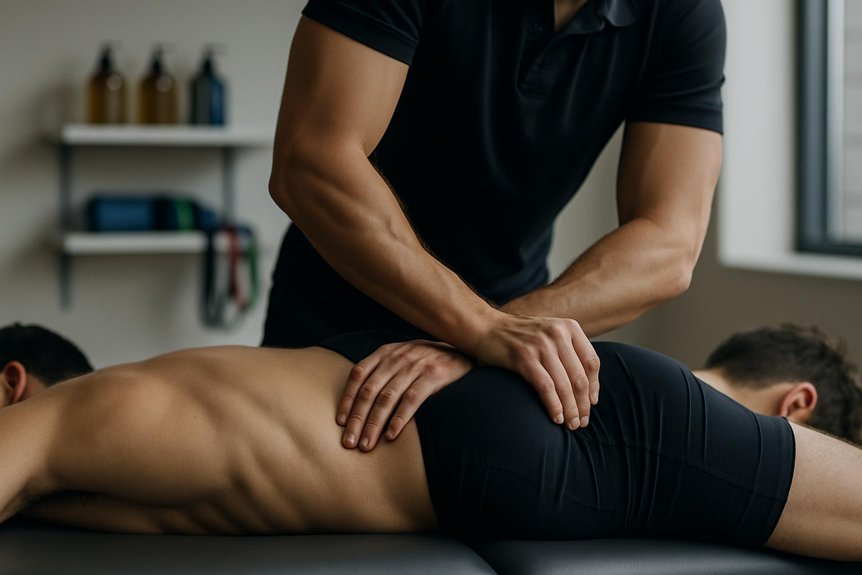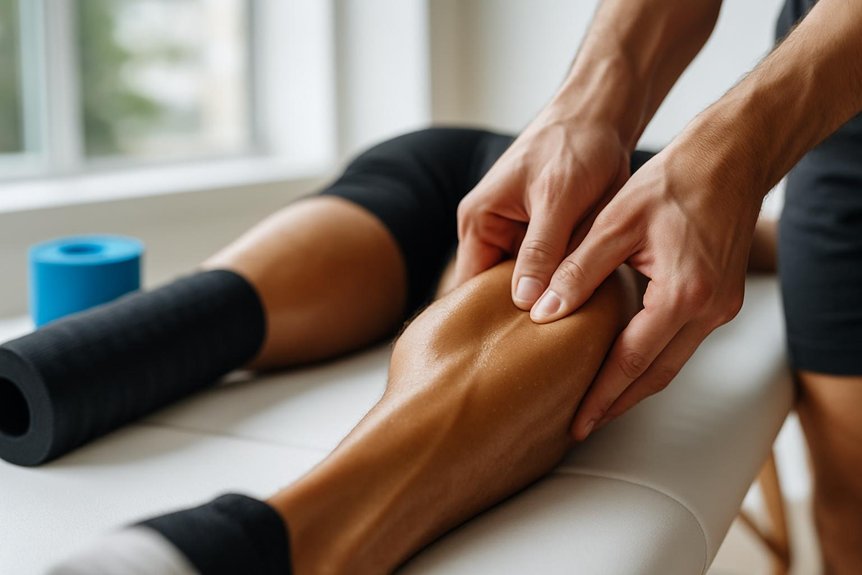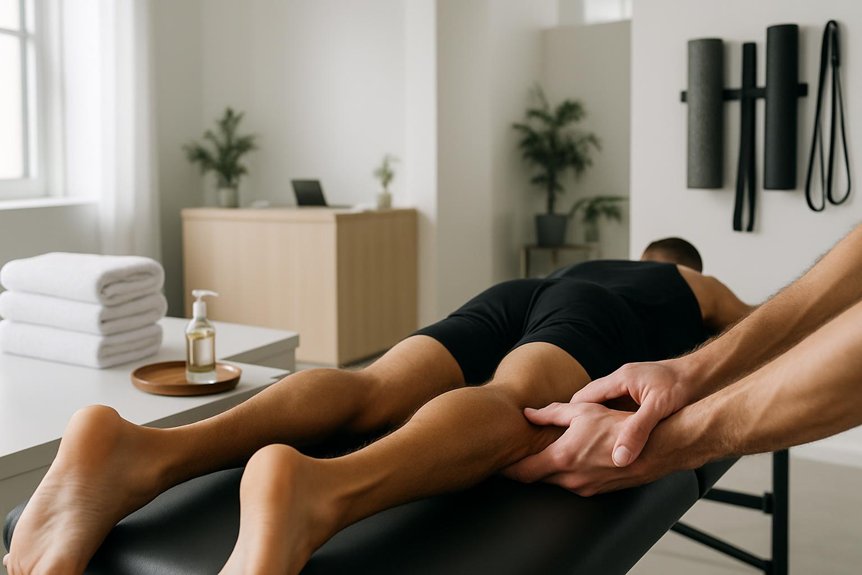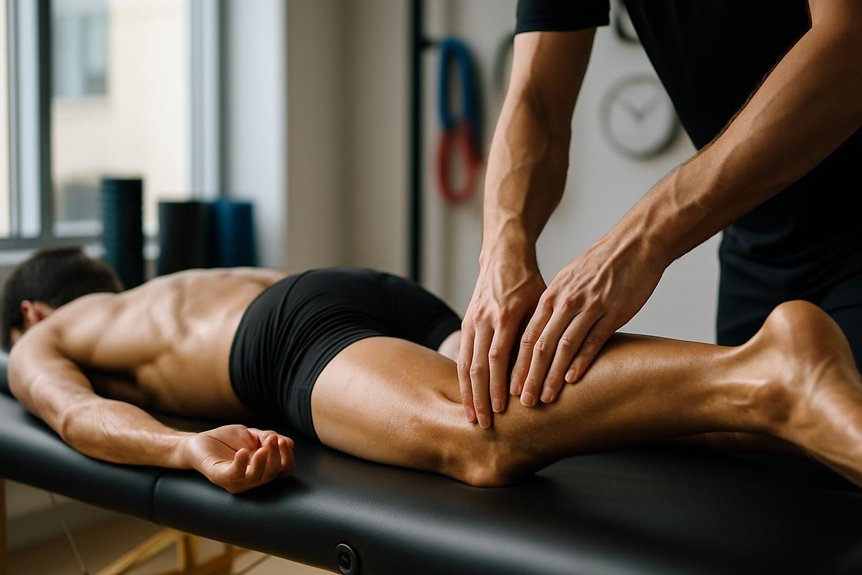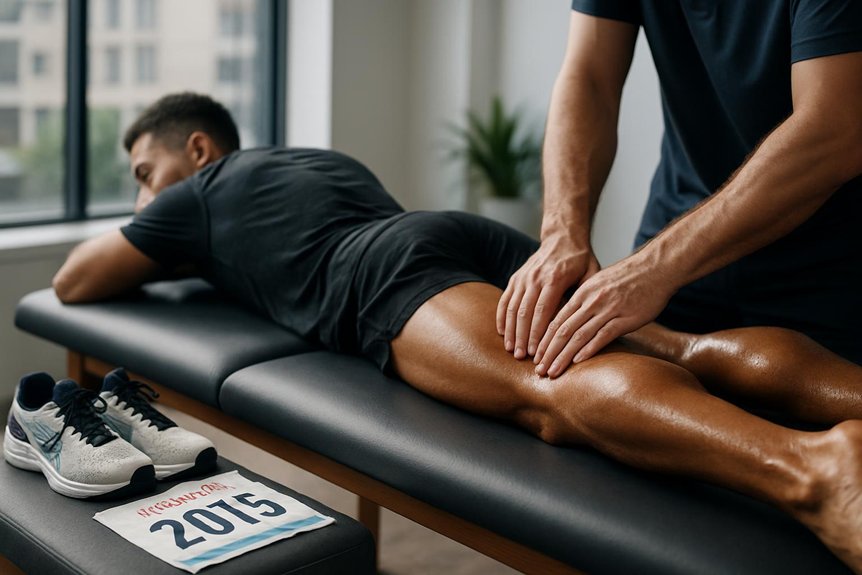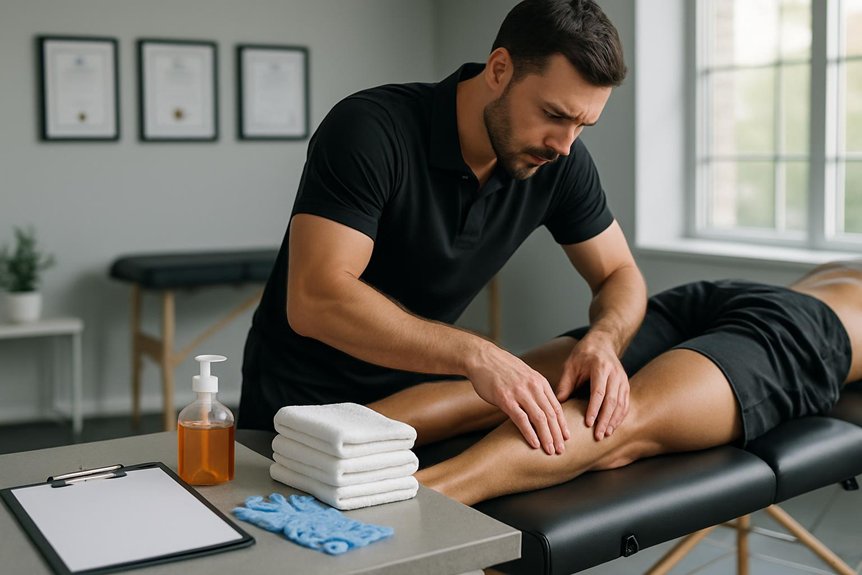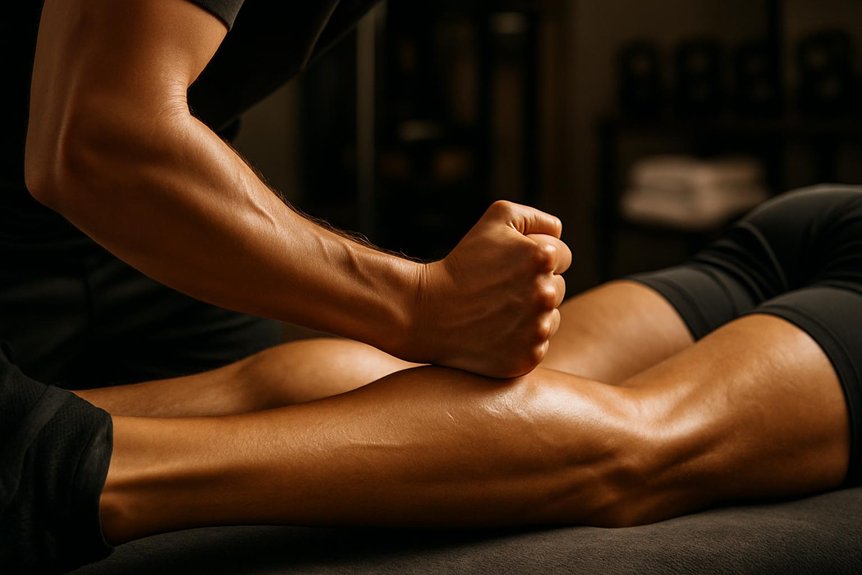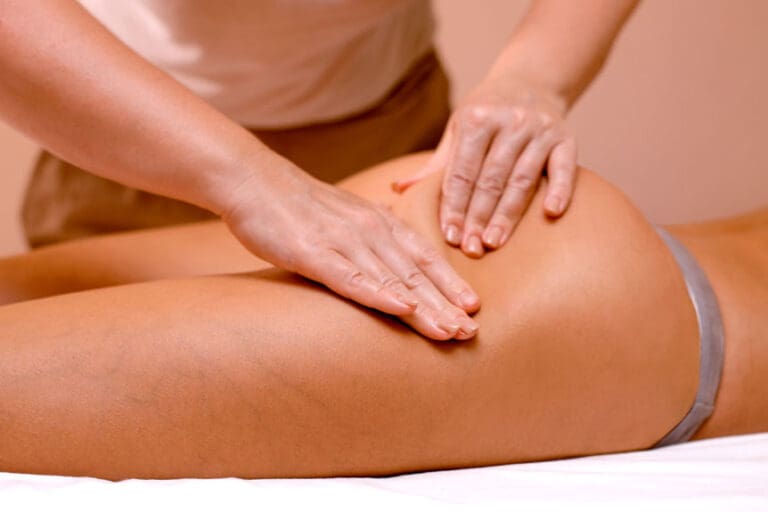
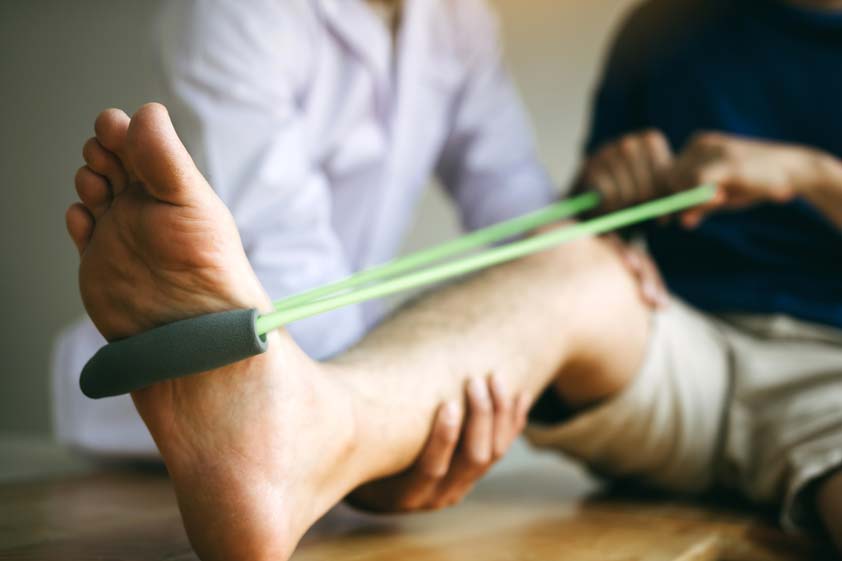
Gentle stretching can be appropriate after a performance massage once normal warmth and sensation return (often 10–30 minutes), but deep end-range or aggressive stretching is best delayed until later that day or the next to let tissues settle. Massage can temporarily increase stretch tolerance while downregulating protective reflexes, making forced positions riskier. Stretching should stay low intensity (about 2–3/10 discomfort) and stop with sharp pain, tingling, or weakness. More specific timing and safe options follow.
Should You Stretch After a Performance Massage?
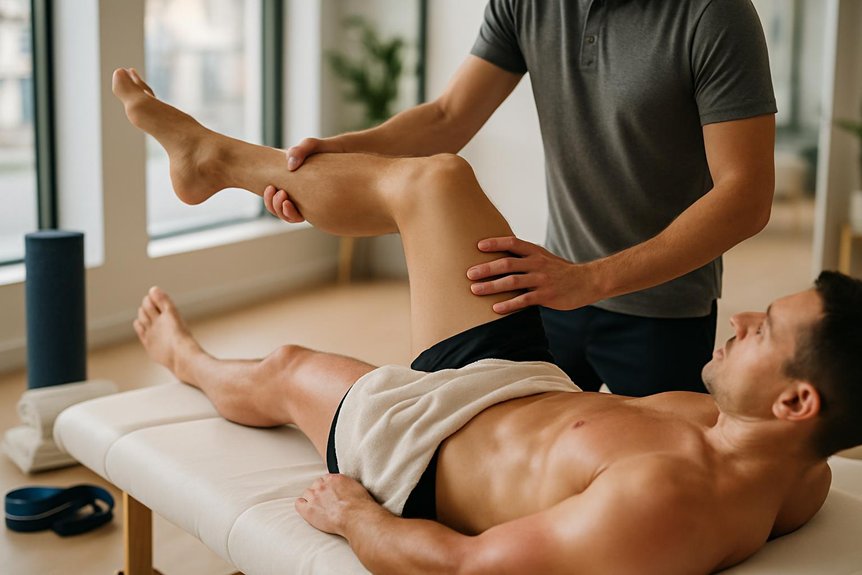
How soon should stretching follow a performance massage? At Spa & Massage, gentle stretching is typically appropriate after 10–30 minutes, once warmth and sensation normalise.
Evidence suggests massage can reduce perceived tightness and increase short‑term range of motion; stretching may help maintain that comfort, but aggressive lengthening can irritate sensitised tissues.
This approach aligns with the wider benefits of sports massage for athletes, including supporting recovery and readiness for training.
Should a client stretch after a performance massage? Yes—if it is low intensity, pain‑free, and matched to the day’s training load.
Therapists recommend slow, controlled holds (about 20–30 seconds) and relaxed breathing, keeping tension below 3/10.
Stretching should be avoided or delayed with acute injury, sharp pain, nerve symptoms, bruising, or when deep tissue work has left tenderness.
Hydration and warmth support recovery.
Massage vs Stretching: What’s the Difference?
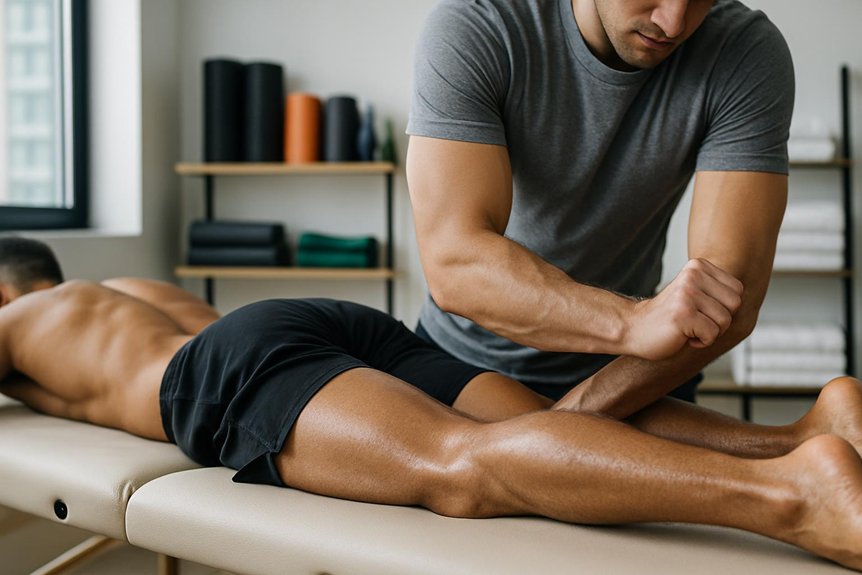
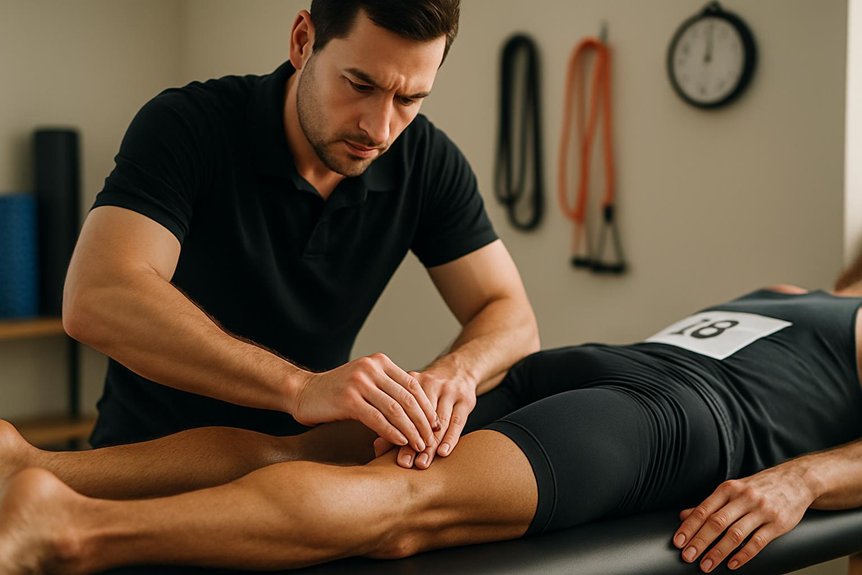
Massage applies external manual pressure to soft tissues to modulate muscle tone, local circulation, and pain sensitivity, and in Spa & Massage clinics therapists adjust depth and technique to avoid aggravating acute injury.
Stretching instead uses active or passive joint positioning to increase muscle–tendon length and tolerance to end-range, with effects dependent on timing, intensity, and individual tissue irritability.
Understanding how each works helps determine whether post–performance massage stretching should be gentle and targeted or deferred when soreness, inflammation, or instability is present.
How Massage Works
Different tools target different tissues: manual therapy applies external pressure and shear to skin, fascia, and muscle, whereas stretching places controlled tensile load through a muscle–tendon unit and its surrounding connective tissue.
Massage is thought to work through neurophysiological and mechanical pathways: pressure can modulate pain via descending inhibitory mechanisms, reduce protective muscle tone, and improve local circulation and fluid exchange, supporting recovery after training.
Touch also influences autonomic balance, often shifting clients toward a calmer parasympathetic state—useful when stress amplifies soreness.
In Spa & Massage clinics, therapists tailor depth, pace, and direction to the goal (e.g., sports work vs aromatherapy), while monitoring comfort and tissue response.
Risk management matters: bruising, nerve irritation, or symptom flare can occur if pressure is excessive or contraindications are missed.
How Stretching Works
In contrast to manual therapy, stretching applies a controlled tensile load to a muscle–tendon unit and its surrounding fascia, aiming to increase joint range of motion primarily by altering stretch tolerance and neuromuscular reflex activity rather than “lengthening” muscle fibres in a lasting way. Static holds can down‑regulate protective muscle guarding, while dynamic mobility drills prepare tissues by raising temperature and improving motor control.
Massage, such as the sports techniques used at Spa & Massage clinics across London, relies on compressive and shear forces to modulate pain, reduce perceived tightness, and improve local circulation; stretching instead asks the client to gently meet and respect resistance. Both can feel intimate and grounding, but stretching carries clearer risk if pushed: sharp pain, nerve symptoms, or joint pinching should stop the stretch and prompt professional guidance.
When Can You Stretch After a Performance Massage?
After a performance massage, stretching is usually best delayed until the tissues have settled—typically later the same day or the following day—because immediate aggressive stretching can amplify post-treatment soreness and irritate sensitised muscle and connective tissue.
At Spa & Massage clinics across London, therapists generally advise waiting until warmth and easy range return, then beginning with slow, low-load stretches held 15–30 seconds, staying below sharp discomfort. A useful guide is a mild “opening” sensation rather than a strong pull, with calm nasal breathing and relaxed jaw and shoulders.
For athletes, stretching is often best placed after light activity (a walk, gentle cycle) once circulation feels steady. Hydration and unhurried movement between stretches help maintain comfort and support tissue recovery after treatment.
When Stretching After a Performance Massage Is a Bad Idea
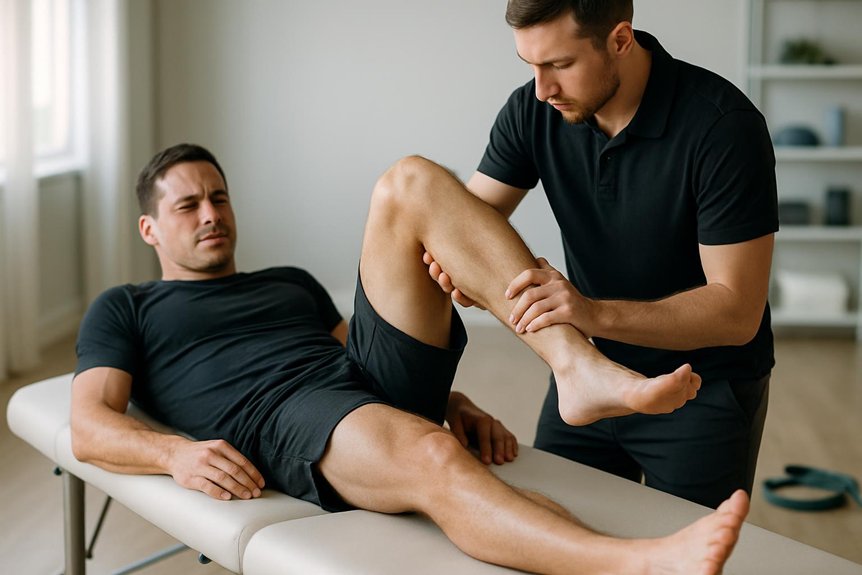
Stretching can be counterproductive when a performance massage has left tissues acutely sensitised, because additional tensile load may exacerbate micro‑irritation and prolong soreness. It is often a bad idea immediately after deeper work, especially when there is marked tenderness, heat, or a “bruised” feeling over treated muscle or tendon.
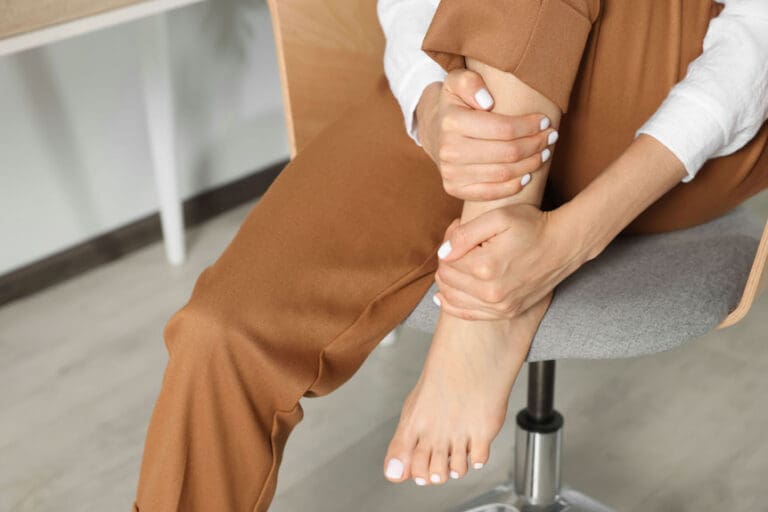
Stretching should also be avoided if there is sharp, localised pain, radiating symptoms, pins and needles, or reduced strength—signs that warrant rest and, if persistent, clinical assessment. Following heavy training, acute strain, or a flare of tendinopathy, aggressive stretching may delay recovery by increasing strain on already stressed fibres.
At Spa & Massage clinics, therapists advise prioritising hydration, warmth, and gentle walking instead, and allowing the body to settle before adding lengthening work later.
How Hard Should You Stretch After a Performance Massage?
Once the immediate post-treatment sensitivity has settled and no warning signs are present, stretch intensity should remain low and strictly symptom-guided.
At Spa & Massage clinics, therapists advise staying within a mild-to-moderate pull (about 2–3/10 discomfort), never sharp pain, burning, pins-and-needles, or escalating tenderness.
A safe target is a gradual sense of lengthening with steady breathing and the ability to relax; if protective bracing appears, the stretch is too strong.
Intensity should not increase range aggressively in the first 24 hours, when tissue irritability can be higher after deep work.
Each position should be held only as long as comfort stays stable, and reduced immediately if pain spreads, strength drops, or numbness develops.
When unsure, clients should follow their therapist’s aftercare plan.
Best Gentle Stretches After a Performance Massage
After a performance massage, evidence-informed aftercare typically prioritises low-load mobility stretches to maintain range of motion without re-irritating recently treated tissues.
At Spa & Massage clinics across London, therapists commonly advise post-massage mobility work followed by gentle lower-body releases (e.g., calves, hip flexors, glutes), keeping intensity at a mild stretch sensation and stopping with any sharp pain, numbness, or symptom flare.
The following options are designed to support comfortable movement while minimising risk in the 24–48 hours after treatment.
Post-Massage Mobility Stretches
In the hours following a performance massage, gentle mobility work can help maintain newly gained range of motion without provoking post-treatment soreness or tissue irritation.
At Spa & Massage, therapists typically suggest slow, pain-free movements rather than long static holds, keeping intensity at 2–3/10 and breathing calm. Useful options include neck nods and rotations, shoulder circles, thoracic “open book” rotations, cat-cow, pelvic tilts, and controlled ankle circles—performed for 5–8 repetitions, 1–2 sets.
Movements should feel like a warm glide, not a stretch fight; any sharp pain, tingling, or increasing ache is a stop signal.
Clients are advised to hydrate, keep warm, and avoid bouncing or deep end-range loading that could irritate sensitised tissue.
Gentle Lower-Body Releases
For many clients, gentle lower-body releases are the safest next step because the hips, glutes, and calves often remain temporarily sensitised following performance massage. In Spa & Massage clinics, therapists typically suggest low-load, long-exhale positions held 20–40 seconds, stopping well before sharp pain, pins-and-needles, or cramping.
Options include a supine knee-to-chest (one leg at a time), a figure‑4 glute release with the ankle resting on the opposite thigh, and a supported calf release against a wall with the heel heavy. A pillow under the head and slow nasal breathing can reduce protective tension and help tissues settle. Avoid aggressive hamstring stretching for 24 hours if soreness is marked. Rehydrate, walk briefly, and reassess range the next day.
Stretches to Avoid After a Performance Massage
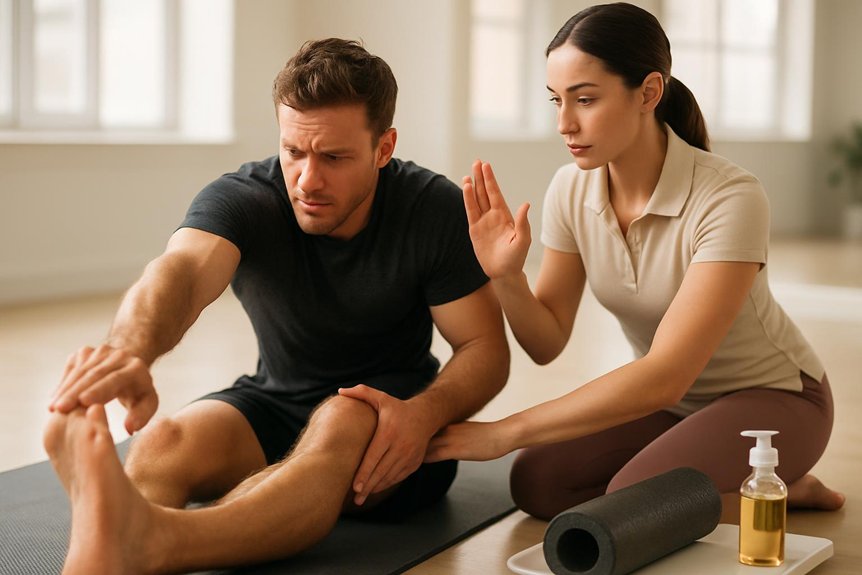
Certain stretches should be avoided immediately following a performance massage because tissue compliance and stretch tolerance can be temporarily increased, raising the risk of overstretching, tendon irritation, or aggravation of a sensitised area.
High-intensity static holds at end range (60–120 seconds), aggressive partner-assisted stretches, and ballistic “bouncing” should be postponed, particularly for hamstrings, hip flexors, calves, and adductors.
Deep spinal twists, strong backbends, and end-range neck stretching can also provoke joint capsules or neural tissues when the nervous system is still downregulated.
At Spa & Massage clinics across London, therapists advise skipping any stretch that reproduces sharp pain, tingling, or pulling along a tendon insertion.
If a client feels “too easy” range, that is a warning to stop, breathe, and wait.
Best Aftercare: Hydration, Walking, Heat or Ice
After a performance massage, simple aftercare—appropriate hydration, light walking, and judicious use of heat or ice—helps manage post-treatment soreness and supports tissue recovery without adding unnecessary load to sensitised structures.
Hydration should be steady rather than excessive; urine colour can guide adequacy, and alcohol is best limited for 24 hours.
Gentle walking for 10–20 minutes encourages circulation and lymphatic return, reducing stiffness without provoking protective muscle guarding.
Heat may suit general tightness: a warm shower or heat pack for 10–15 minutes can ease tone, avoiding direct heat over acute swelling.
Ice can be considered for localised flare-ups or bruising: 10 minutes with a barrier, monitoring skin sensation.
At Spa & Massage, therapists tailor these recommendations to symptoms and medical history.
When to Book Your Next Performance Massage at Spa & Massage
Alongside immediate aftercare measures such as hydration, light walking, and appropriate heat or ice, treatment spacing influences how well tissues settle and adapt following a performance massage.
At Spa & Massage, therapists typically advise waiting 48–72 hours before another deep session, especially if there is tenderness, bruising, or post-treatment fatigue.
For acute flare-ups, a reassessment within 3–7 days may be appropriate; for training support, many clients benefit from every 1–4 weeks depending on load, sleep, and stress.
Earlier booking is indicated when range of motion drops, pain recurs with activity, or recovery feels slower than usual.
Delay and seek medical advice for swelling, numbness, fever, suspected fracture, or unexplained calf pain.
Appointments are available across six London clinics.
Conclusion
Stretching after a performance massage can support range of motion, but timing and intensity should match tissue sensitivity and training load. Gentle, pain-free stretches may be appropriate once warmth and comfort return; aggressive stretching immediately after deep work can aggravate microtrauma, irritate tendons, or provoke protective spasm. Aftercare should prioritise hydration, light walking, and judicious heat or ice based on symptoms. Like letting mortar set before loading a wall, recovery benefits from patience and measured progression.