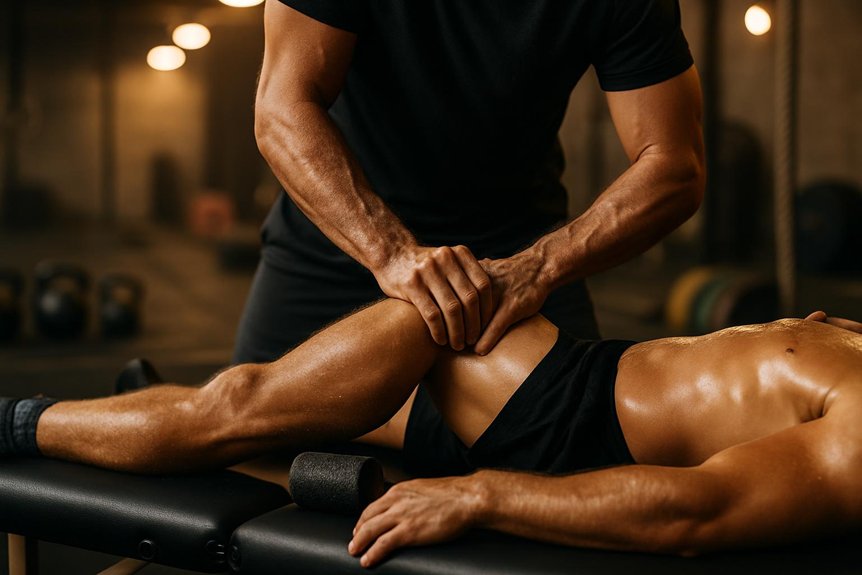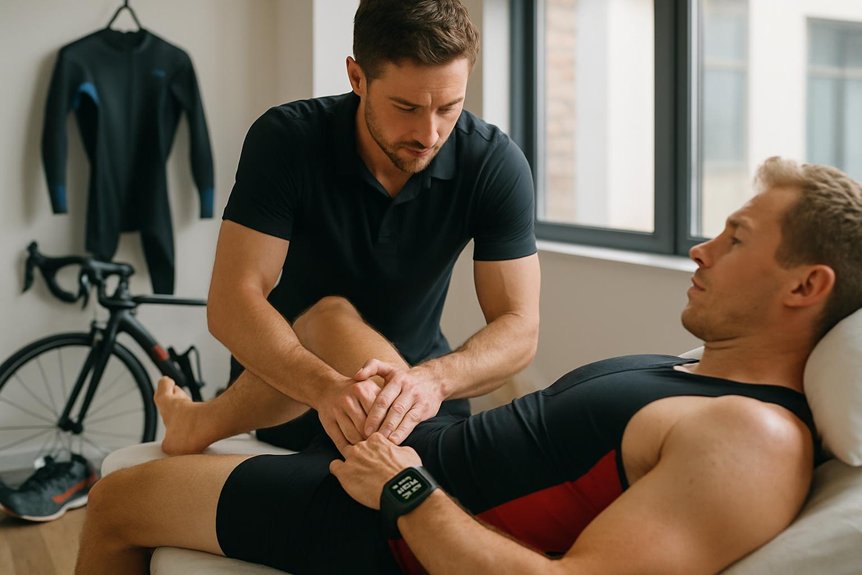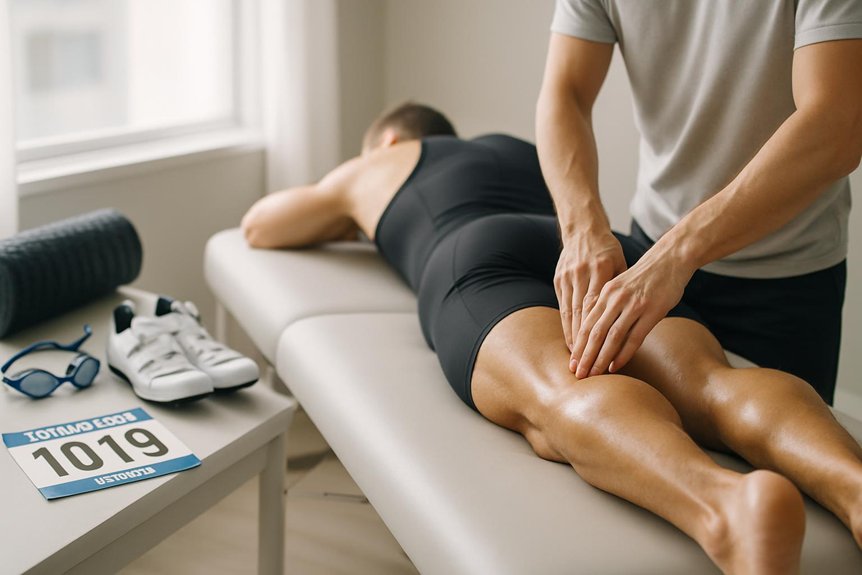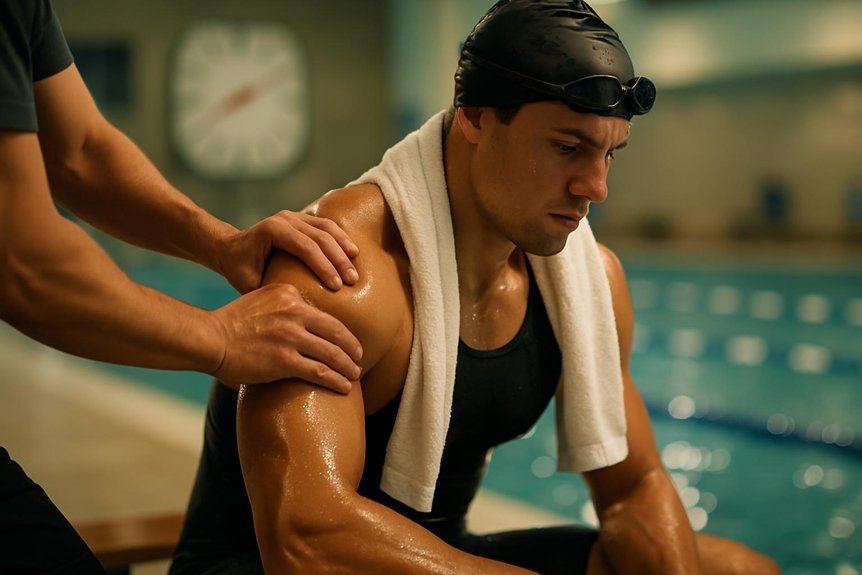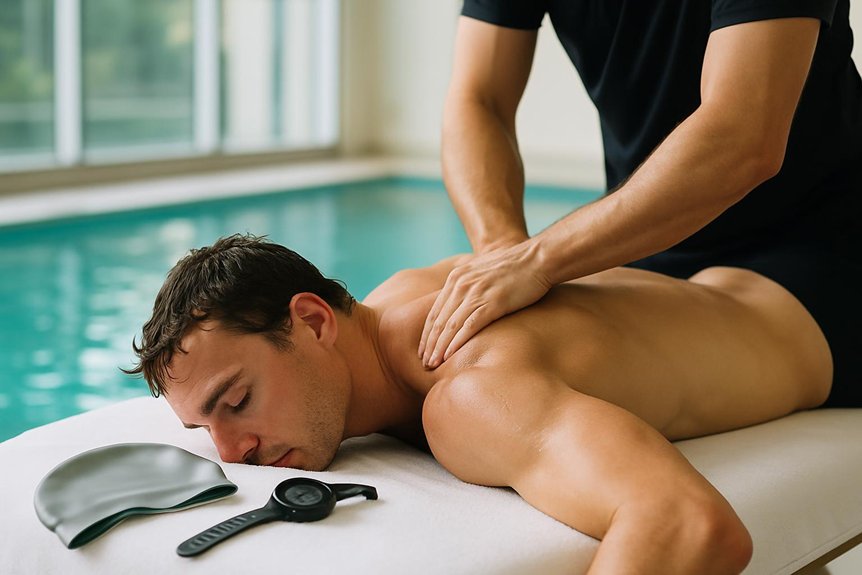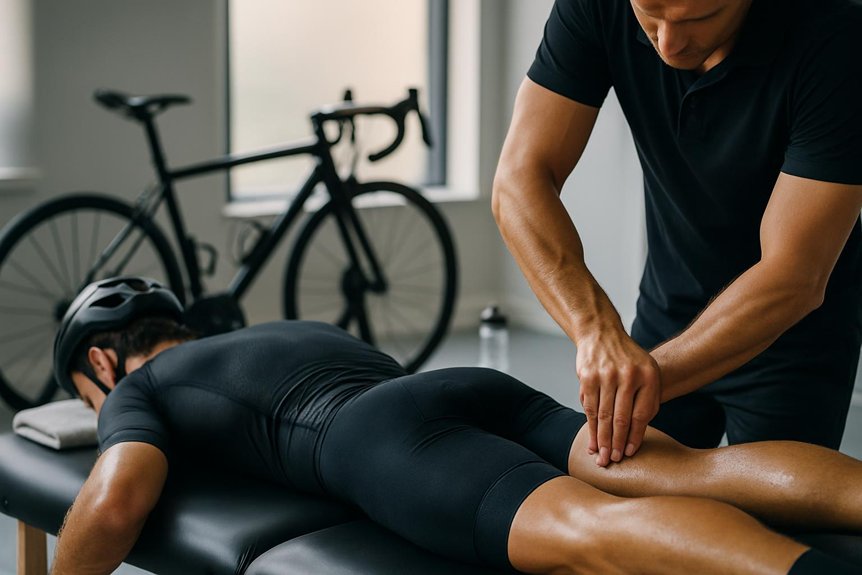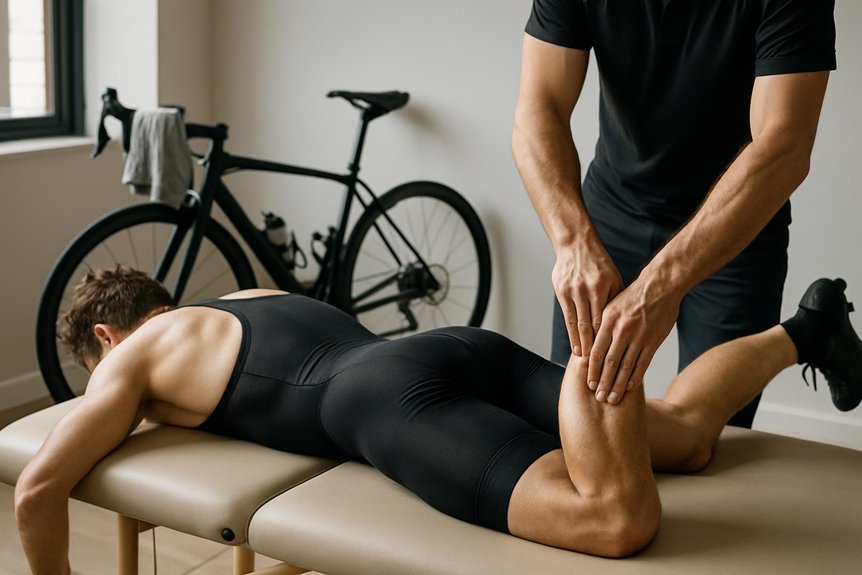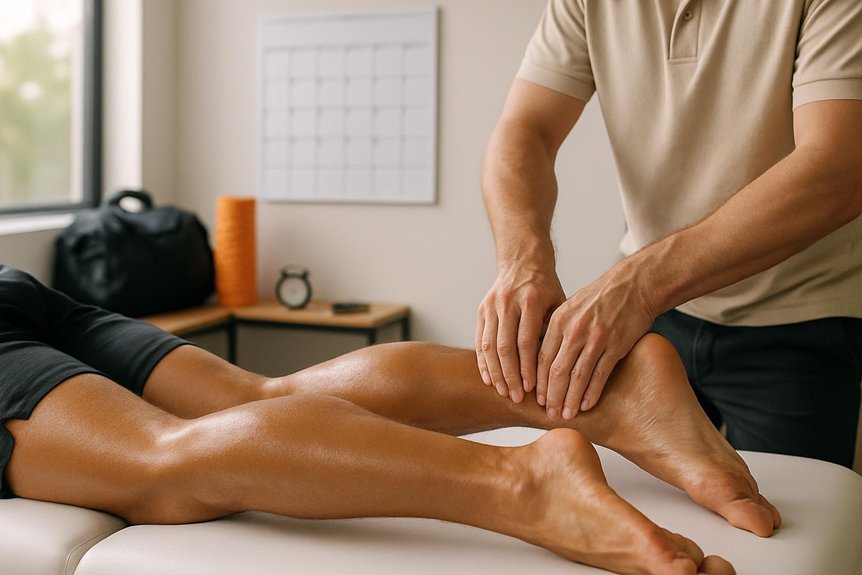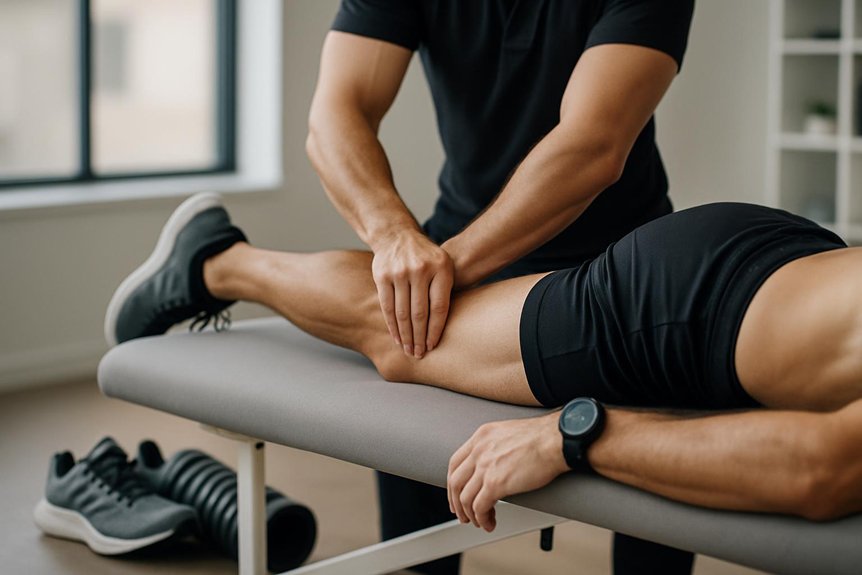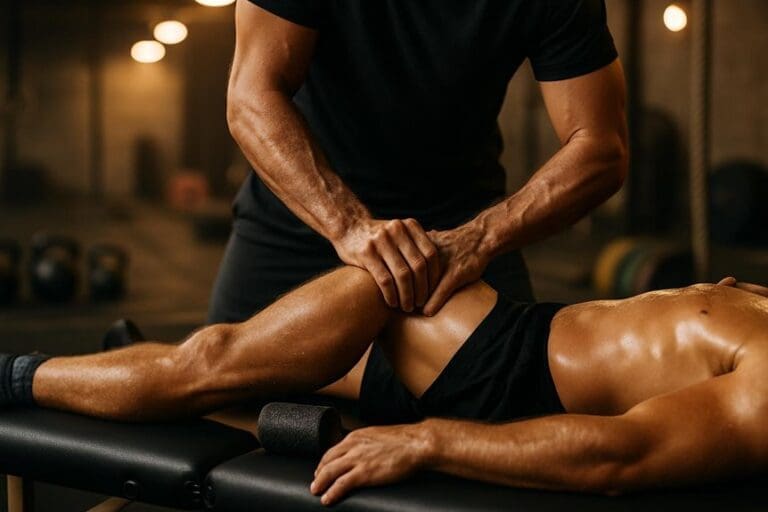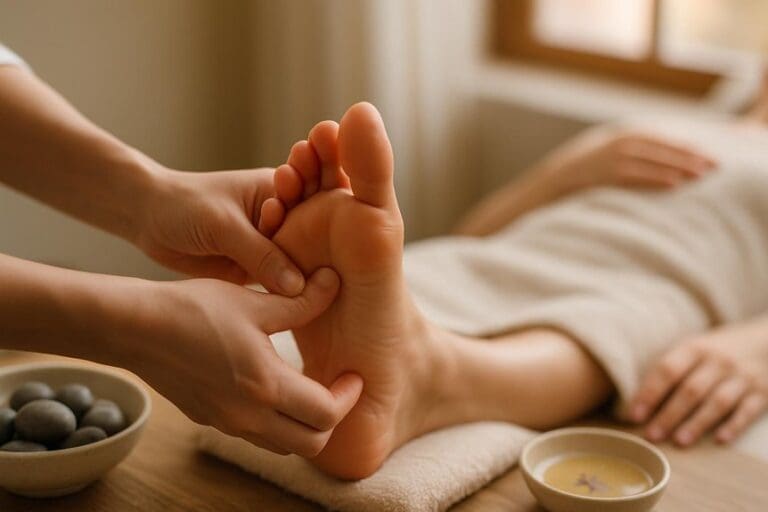
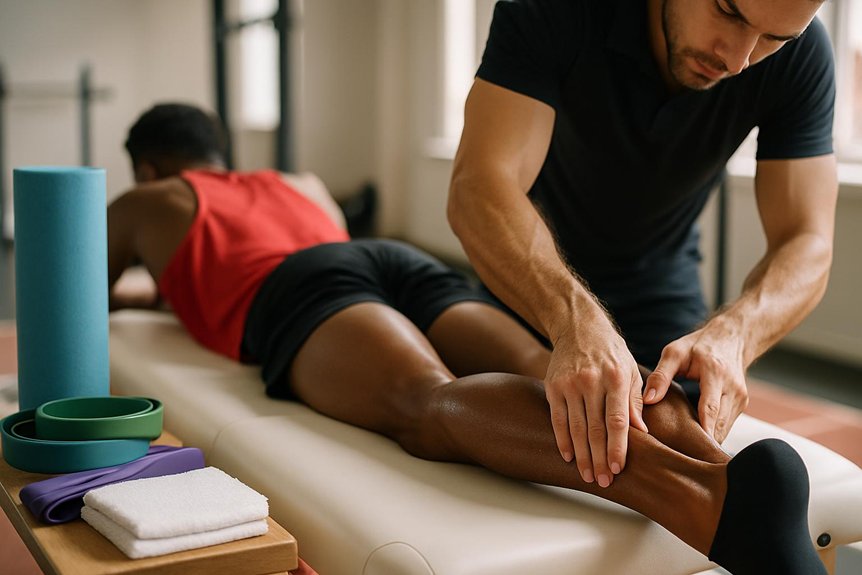
It may support injury prevention indirectly by reducing soreness, normalising muscle tone, and improving short-term mobility and body awareness, which can help athletes train more consistently. However, it does not reliably increase tissue strength or load tolerance on its own, so it should not be treated as a standalone safeguard. Best results come when sessions are matched to training load and combined with progressive strengthening, adequate sleep, hydration, and nutrition. Next are practical timing guidelines and key safety limits.
Does It Prevent Injuries?
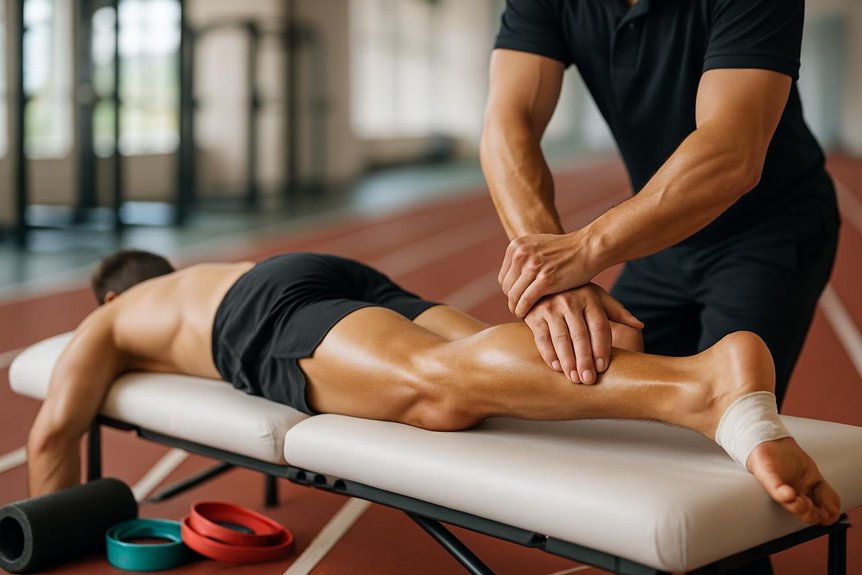
Reducing injury risk is a common reason people book athletic massage, but it should be viewed as a supportive measure rather than a guarantee of prevention. Evidence suggests massage may help short-term flexibility, perceived muscle soreness, and relaxation, which can indirectly support training consistency and body awareness. As part of the benefits of athletic massage, many athletes use it to support recovery and maintain regular training.
It does not reliably change tissue strength or load tolerance on its own, and risk is still driven by sleep, nutrition, progressive loading, technique, and recovery. At Spa & Massage, therapists take a clinically focused history, then use tailored deep tissue and sports techniques to address tightness and sensitised areas while staying within comfortable, consent-led pressure.
Clients are advised to monitor post-treatment soreness, hydrate, and avoid suddenly increasing intensity immediately after a session.
Which Injuries Can Sports Massage Help (or Not)?
Separate what athletic massage can influence from what it cannot, and injury decisions become clearer.
Evidence supports benefits for exercise-related muscle soreness, mild strains, tendon irritability, and overuse aches by easing pain perception, improving local circulation, and supporting relaxed movement.
At Spa & Massage clinics across London, therapists also help clients with scar-tissue sensitivity and post-training stiffness when no red flags are present, using pressure adapted to comfort and stage of recovery.
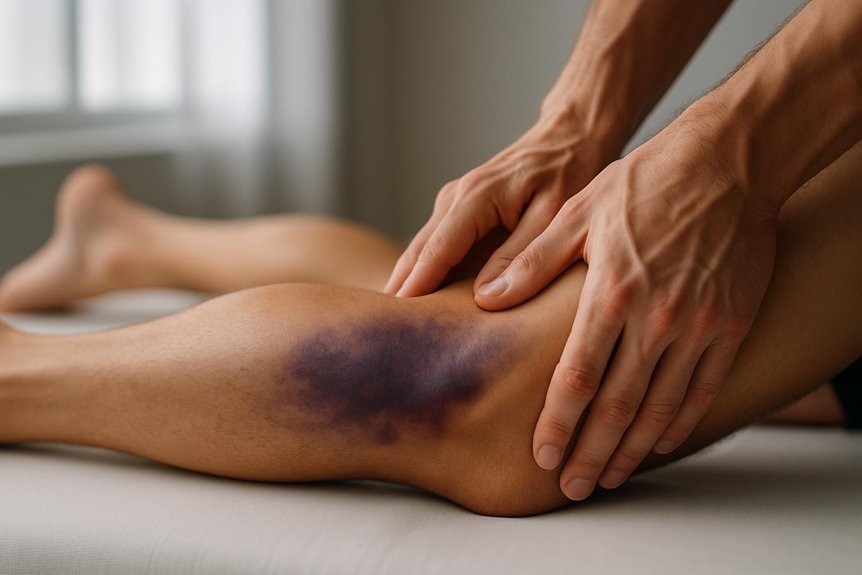
It cannot “heal” fractures, complete muscle or tendon ruptures, ligament tears, dislocations, or nerve compression, and it should be avoided over suspected infection, deep vein thrombosis, fresh bruising, or unexplained swelling.
For concussion symptoms, chest pain, or sudden weakness, urgent assessment is essential.
When pain escalates, night pain persists, or function drops, massage should pause and medical review is advised.
How Athletic Massage Reduces Muscle Tightness
It can reduce muscle tightness by applying targeted tissue release to areas of elevated tone, with pressure and technique adjusted by Spa & Massage therapists to minimise post-treatment soreness and avoid aggravating acute injury.
By supporting local circulation and fluid exchange, treatment may improve muscle hydration and tissue glide, which can be relevant for stiffness that follows heavy training or prolonged sitting.
As tone decreases and tissues move more freely, many clients experience enhanced range of motion—best monitored over time and modified if pain, swelling, or neurological symptoms are present.
Targeted Tissue Release
Targeted tissue-release techniques used in a clinical athletic massage aim to lower excessive muscle tone by applying measured pressure and controlled stretching to specific tight bands and trigger points within the soft tissues. Evidence suggests this can reduce pain sensitivity and improve short‑term range of motion, helping movement feel easier and more controlled during training.
At Spa & Massage clinics across London, therapists assess tenderness, tissue resistance, and referral patterns, then work slowly, staying within a client’s tolerable “good discomfort” to avoid protective guarding. Release is paired with calm breathing cues and gradual lengthening, supporting a safer down‑regulation of tone.
Risk is managed by screening for acute tears, bruising, clotting disorders, or nerve symptoms; pressure is modified around inflamed areas, and clients are advised to report sharp, electrical, or worsening pain immediately.
Improved Muscle Hydration
Alongside mechanical tissue release, improved local hydration is one plausible pathway by which massage can make muscles feel less “tight.” In clinical practice, measured pressure and rhythmic strokes can encourage fluid exchange in the superficial and deeper soft tissues, supporting venous and lymphatic return and helping disperse exercise-related swelling that may restrict normal glide between muscle and fascia.
At Spa & Massage clinics across London, athletic massage often combines slow effleurage with targeted compressions to “milk” fluid away from congested areas, which can reduce that dense, bound-up sensation after training. Hydration is also supported indirectly: calmer breathing and reduced guarding can improve local circulation.
Risks remain: aggressive work over acute inflammation, bruising, or suspected clotting is avoided, and clients are advised to drink water, monitor soreness, and seek medical review if swelling, heat, or pain persists.
Enhanced Range Of Motion
In practice, a measurable increase in joint range of motion is one of the most consistent short‑term effects reported after manual therapy and is a common reason muscles feel less “tight.” By reducing protective muscle tone, improving soft‑tissue glide between muscle and fascia, and modulating pain sensitivity, well‑paced athletic massage can allow a limb to move more freely without forcing end range.
At Spa & Massage London clinics, therapists combine slow deep‑tissue strokes with targeted compression and assisted stretching to improve tolerance to movement while respecting pain limits. This matters because “tightness” is often a protective response rather than true shortening. Brief ROM gains may support cleaner running, lifting, and kicking mechanics when paired with warm‑up and strengthening.
Care is taken to avoid aggressive work on acute strains, inflamed tendons, or nerve‑like symptoms; referral is advised when red flags appear.
How Athletic Massage Improves Mobility and Flexibility
It may improve mobility and flexibility by reducing excess muscle tension that can restrict joint motion and alter movement mechanics.
Clinically, targeted soft‑tissue techniques can support joint range of motion and enhance movement control by optimising tissue glide and neuromuscular coordination, which may help lower strain risk during training.
At Spa & Massage clinics across London, therapists tailor pressure and technique to the individual’s presentation and tolerance, with caution in acute injury or inflammatory flare-ups.
Releases Muscle Tension
Reduce excessive muscle tone and joints often move more freely. Athletic massage targets guarded fibres and trigger points that can maintain pain, stiffness, and inefficient movement patterns.
Evidence suggests massage may reduce perceived muscle tightness and soreness, likely via neuromodulation and improved local circulation, which can support more comfortable training. At Spa & Massage clinics across London, therapists combine slow deep-tissue strokes, compression, and myofascial techniques to soften overactive areas while checking comfort, breathing, and tissue response.
Treatment is tailored, especially around acute strains, bruising, nerve symptoms, or inflammatory flare-ups where pressure may be modified or avoided. Many clients report a calmer body, easier posture, and a safer sense of readiness for activity and recovery.
Improves Joint Range
For many active people, limited joint range is driven less by the joint itself and more by surrounding soft-tissue stiffness, pain sensitivity, and protective muscle guarding. Athletic massage can reduce these barriers by improving tissue glide, easing trigger-point irritability, and lowering perceived threat so movement feels safer and more fluid.
In Spa & Massage clinics across London, therapists combine slow, specific deep-tissue work with targeted stretching and myofascial techniques, chosen after checking comfort, history, and current training load. Short-term increases in mobility are most likely when treatment is paired with gentle, pain-free active range practice afterwards.
Risk management matters: forceful stretching, aggressive pressure, or treating an acute sprain can worsen symptoms. Clients are advised to report numbness, sharp pain, swelling, or joint instability promptly.
Enhances Movement Control
Beyond simply “loosening” tight areas, athletic massage can enhance movement control by improving proprioceptive input, normalising tone in overactive muscles, and reducing pain-driven protective patterns that disrupt coordination.
With better sensory feedback and less guarding, clients often move with cleaner timing and steadier joint tracking, which can support mobility and flexibility under load.
At Spa & Massage clinics, therapists may combine slow deep-tissue work with targeted myofascial techniques and gentle active movements to reinforce new patterns immediately.
The aim is not extreme range, but controllable range—especially around hips, calves, and shoulders.
Risk awareness matters: painful pressure, recent injury, or nerve symptoms can worsen sensitivity and alter motor control.
Sessions should be tailored, and clients advised on hydration, light mobility, and gradual training progression.
When to Book Athletic Massage in Your Training Plan
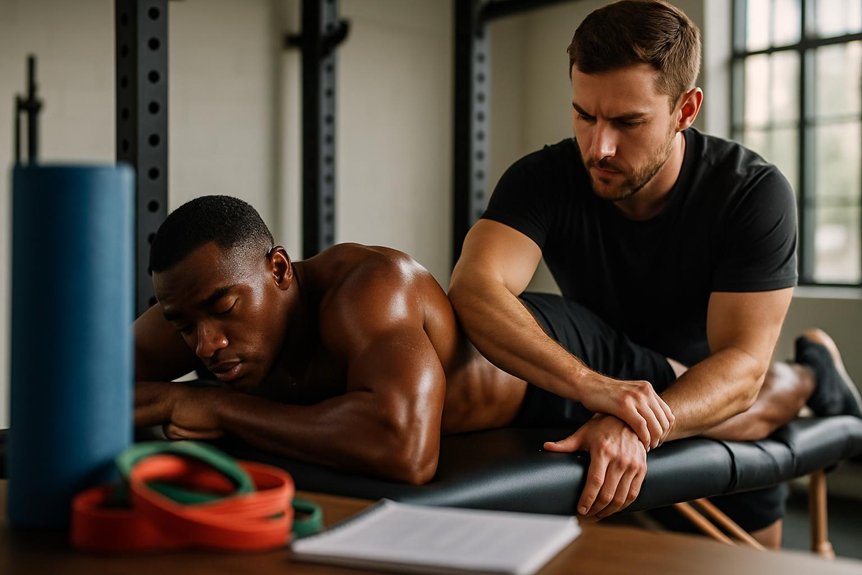
During a training cycle, athletic massage is typically booked around key load changes—such as the start of a new block, a planned increase in volume or intensity, or immediately after an unusually demanding session—to help manage soft‑tissue strain before it develops into performance‑limiting pain.
Many athletes also schedule a session 24–72 hours after competitions or peak workouts, when tenderness and tone changes are most noticeable on assessment.
In the final week before an event, lighter work may be chosen to avoid post‑treatment soreness that could disrupt training.
If sharp pain, swelling, neurological symptoms, or suspected tendon rupture are present, massage should be deferred and medical assessment arranged.
At Spa & Massage clinics across London, therapists time sessions to support adaptation while respecting tissue irritability and client comfort.
How to Combine Athletic Massage With Smart Recovery
Pairing athletic massage with smart recovery means treating hands‑on work as one component of a wider load‑management strategy rather than a standalone fix. At Spa & Massage, therapists align pressure and technique with current training volume, sleep quality, soreness, and prior injury, then coordinate with planned rest days.
For prevention, massage is combined with progressive loading, mobility drills, and adequate protein and hydration to support tissue repair. Light sessions may suit heavy weeks; deeper work fits deload weeks, reducing post‑treatment soreness that could alter mechanics. Recovery should also include warm‑ups, cooldowns, and stress regulation, because elevated sympathetic drive can sustain tightness. Clients are advised to flag nerve symptoms, bruising, or anticoagulant use; in these cases intensity is reduced or deferred. Post‑massage, gentle walking and fluids help.
Conclusion
Coincidentally, the people who stay most consistent in training are often the ones who book athletic massage before pain forces a stop. Evidence suggests massage can reduce perceived soreness, improve short‑term range of motion, and help identify early tissue irritability—factors linked to overload risk. It cannot “injury‑proof” an athlete or replace strength, load management, sleep, and nutrition. Used strategically around heavy blocks and niggles, it may support resilience while keeping decision‑making cautious and clinically grounded.