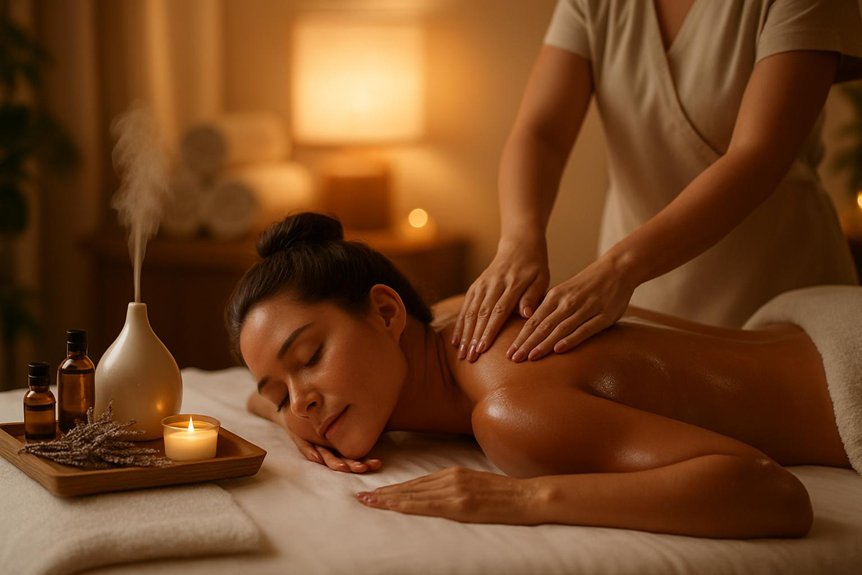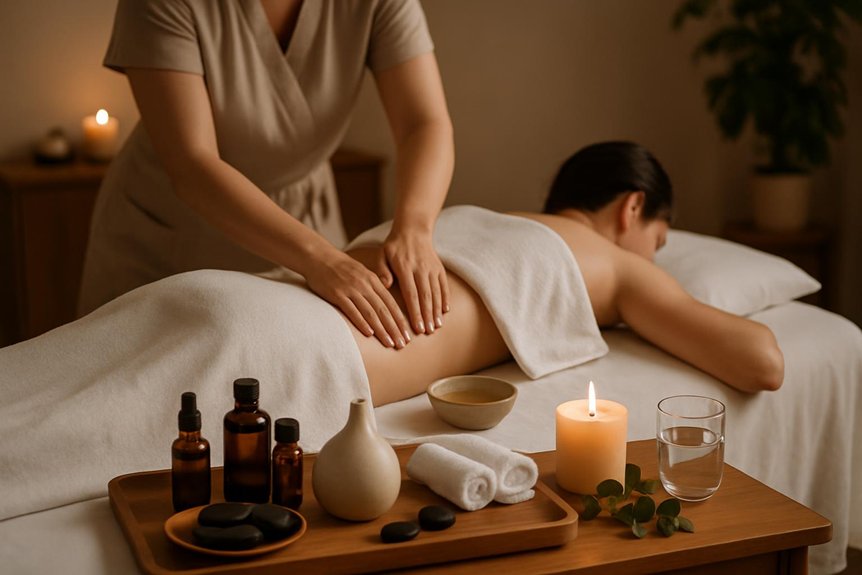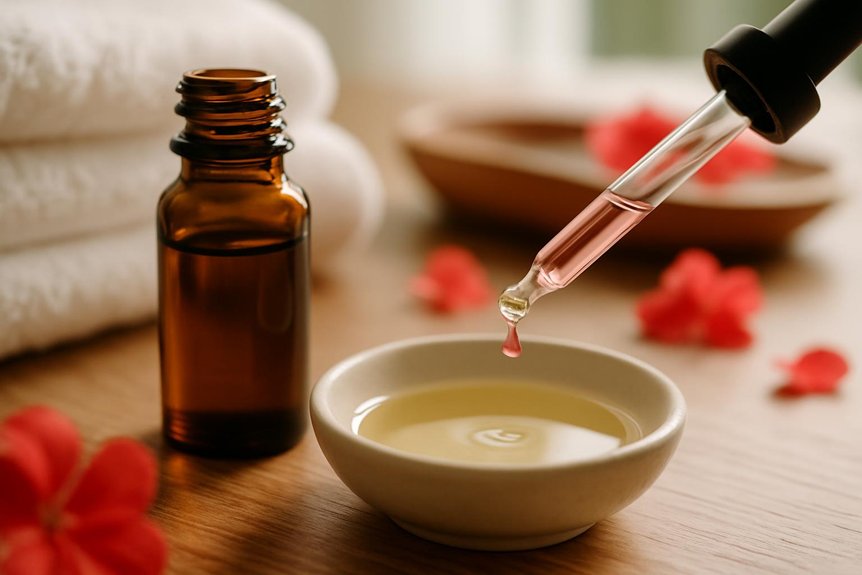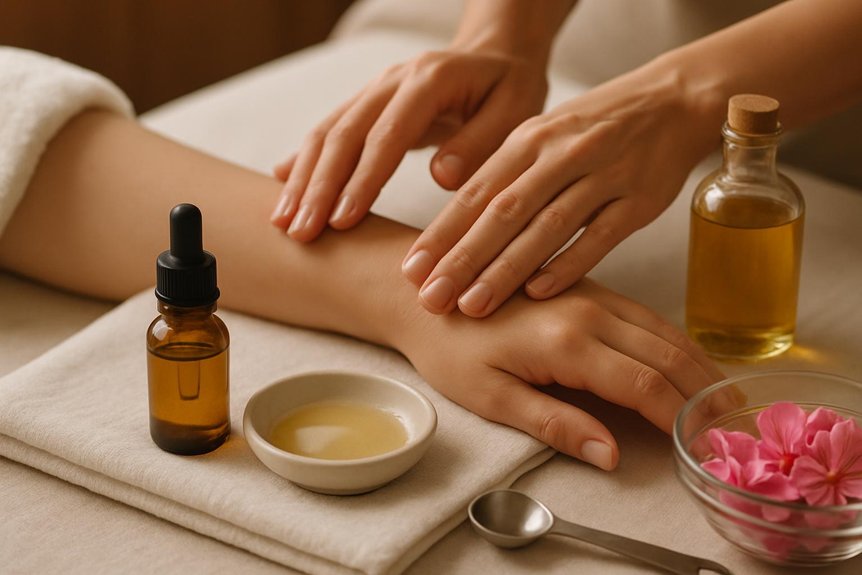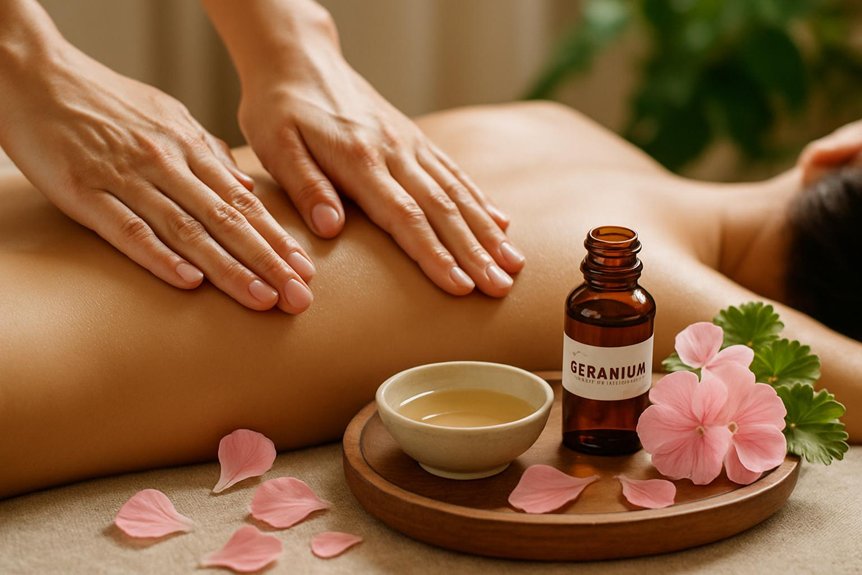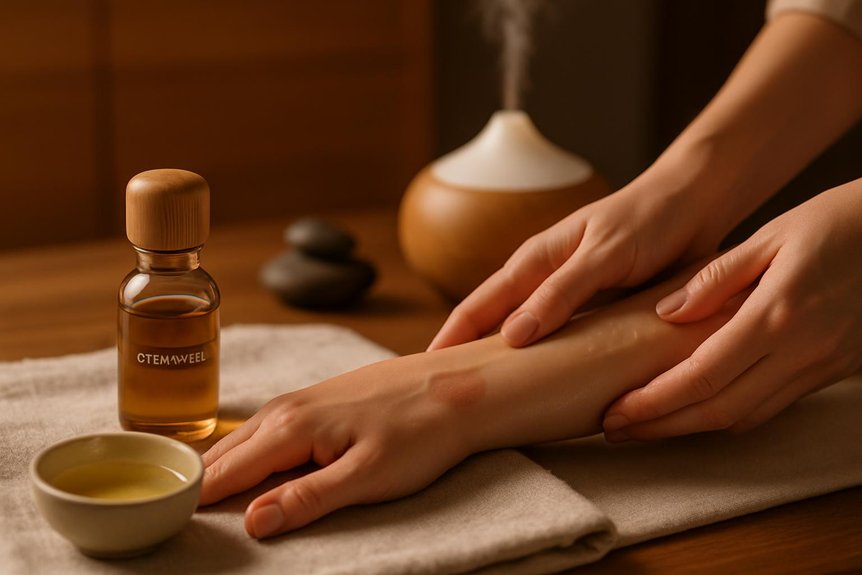
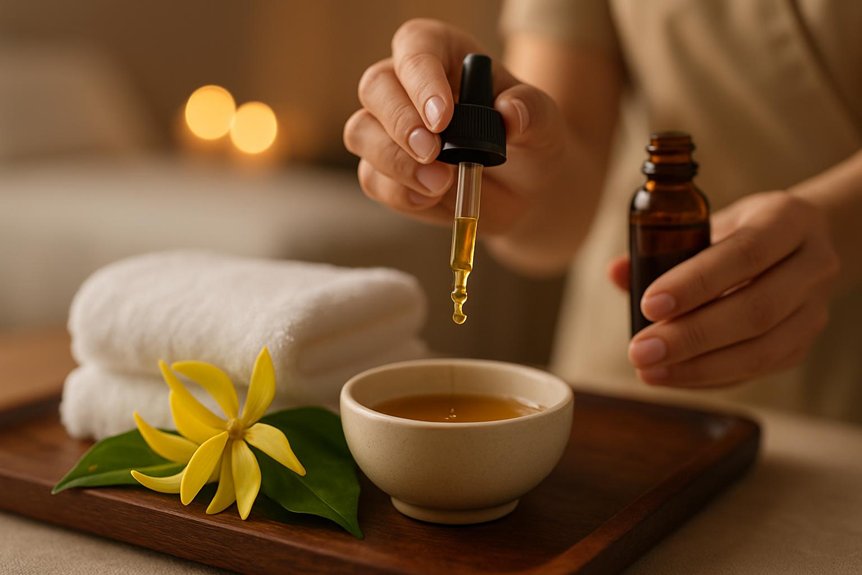
Ylang ylang essential oil is generally safe for aromatic massage when it is properly diluted in a carrier oil and used in modest amounts. Undiluted use can increase irritation and sensitisation risk, especially in people with fragrance allergies, reactive skin, asthma or scent-triggered headaches, low blood pressure, or those using sedatives or alcohol. Pregnancy and breastfeeding require clinician approval. A patch test with the intended dilution helps screen for reactions, and therapists typically keep the aroma subtle with consent-based care. More practical guidelines follow.
Is Ylang Ylang Oil Safe for Aromatic Massage?
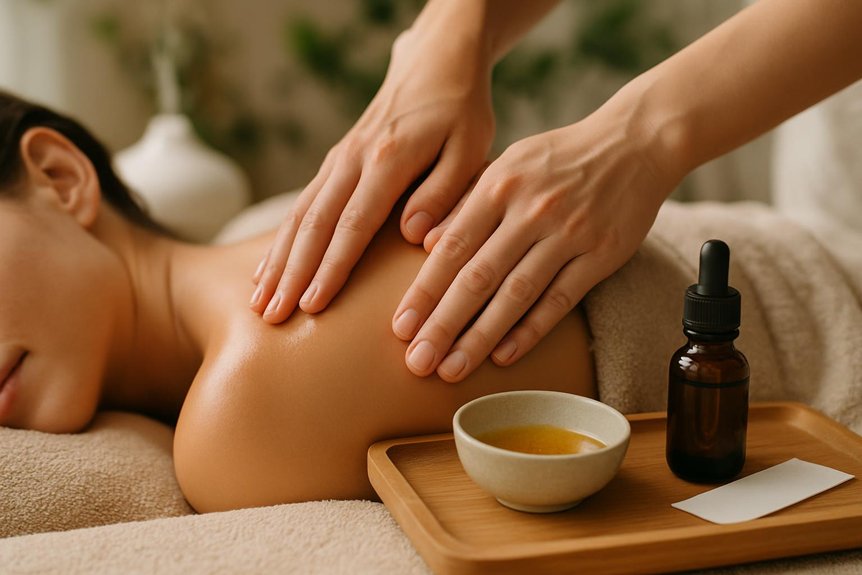
Although ylang ylang essential oil is widely used in aromatherapy for its calming, floral scent, its safety in aromatic massage depends on correct dilution, individual sensitivity, and appropriate screening for contraindications.
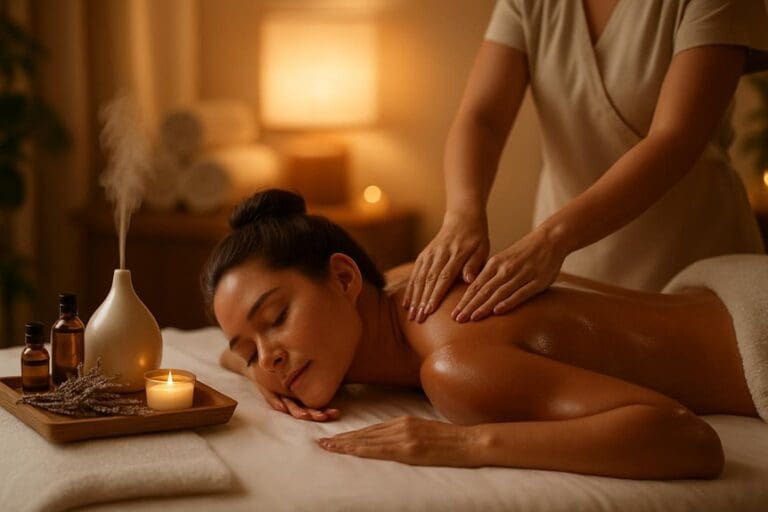
When properly diluted in a carrier oil and used in modest amounts, it is generally well tolerated and can support relaxation, easing tension and helping clients settle into close, unhurried touch.
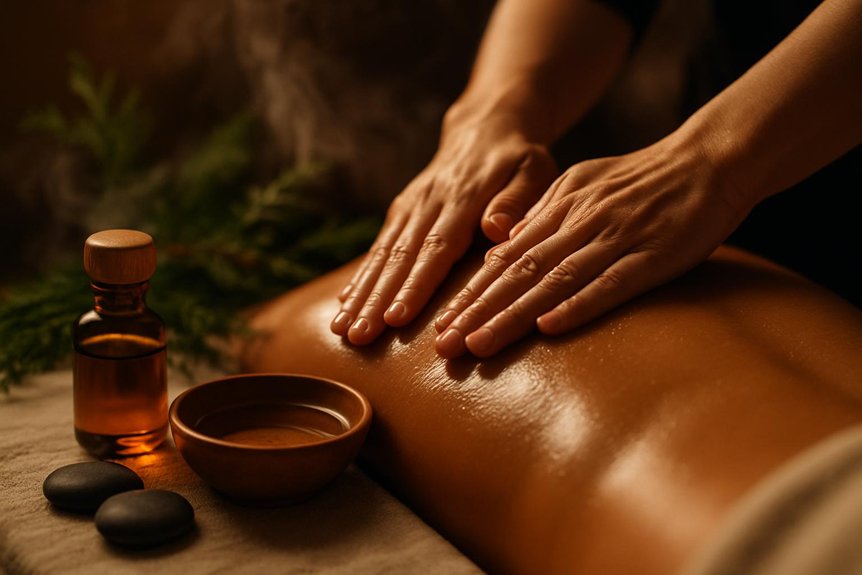
For deeper calm, many therapists incorporate aromatherapy massage techniques to pair ylang ylang’s soothing aroma with slow, grounding strokes.
At Spa & Massage clinics, therapists blend to conservative dermal limits, avoid applying neat essential oils, and adapt pressure and pace to the client’s comfort and emotional boundaries.
A brief consultation and optional patch test can reduce the risk of irritation or headache, particularly for first-time users.
Clear aftercare—hydration, avoiding heat, and monitoring skin—supports a safe, intimate experience.
Who Should Avoid Ylang Ylang Oil in Massage?
When should ylang ylang oil be avoided in massage? It should be avoided for clients with a known fragrance or essential-oil allergy, a history of contact dermatitis, eczema flare-ups, or very reactive skin, as ylang ylang has documented sensitisation potential.
It may also be unsuitable for those prone to headaches, nausea, or asthma symptoms triggered by strong scents.
Because ylang ylang can feel deeply sedating, caution is advised for clients with low blood pressure, dizziness, or those taking sedatives or alcohol before treatment.
Pregnancy and breastfeeding clients should only use it with clinician approval and a therapist’s assessment.
In Spa & Massage clinics, therapists complete a thorough consultation and patch-test history to protect comfort, trust, and skin integrity.
How Do You Dilute Ylang Ylang Oil for Massage?
For safe, skin-friendly aromatic massage, ylang ylang essential oil should be diluted into a neutral carrier oil at low concentrations, as neat (undiluted) application increases the risk of irritation and sensitisation.
For full-body massage, Spa & Massage therapists typically keep dilution at 0.5–1%: 1–2 drops per 10 ml carrier (about 1 tablespoon), or 3–6 drops per 30 ml.
For targeted areas (neck, shoulders, hands), up to 2% may be used: 4 drops per 10 ml, only when suitable for the client.
Choose unscented, stable carriers such as fractionated coconut, jojoba, or sweet almond; measure drops carefully and mix in a clean bottle.
In intimate, close-contact sessions, lighter dilution supports comfort and breathability.
How to Patch Test Ylang Ylang Oil (Allergy Signs)
How can a simple patch test reduce the risk of an adverse skin reaction to ylang ylang oil before aromatic massage? Spa & Massage advises preparing the same diluted blend intended for treatment, then applying a small amount to the inner forearm or behind the ear.
The area should be left uncovered and kept dry for 24 hours, checking at 30 minutes, 2 hours, and again the next day.
Allergy or irritation signs include itching, burning, stinging, redness, swelling, hives, blistering, or warmth that spreads beyond the test spot.
If any reaction appears, the oil should be washed off with mild soap and cool water, and the blend avoided.
Clients with eczema, very sensitive skin, or fragrance allergies should disclose this so therapists can choose gentler options.
What to Expect From a Ylang Ylang Massage at Spa & Massage
In Spa & Massage clinics across London, a ylang ylang aromatic massage typically begins with a brief consultation to confirm health history, skin sensitivity, and scent preferences, then proceeds with a professionally diluted ylang ylang blend selected for both safety and comfort.
The therapist explains expected sensations, checks contraindications (pregnancy, asthma, migraine triggers, low blood pressure), and offers a towel-draped, private setting with consent-based touch.
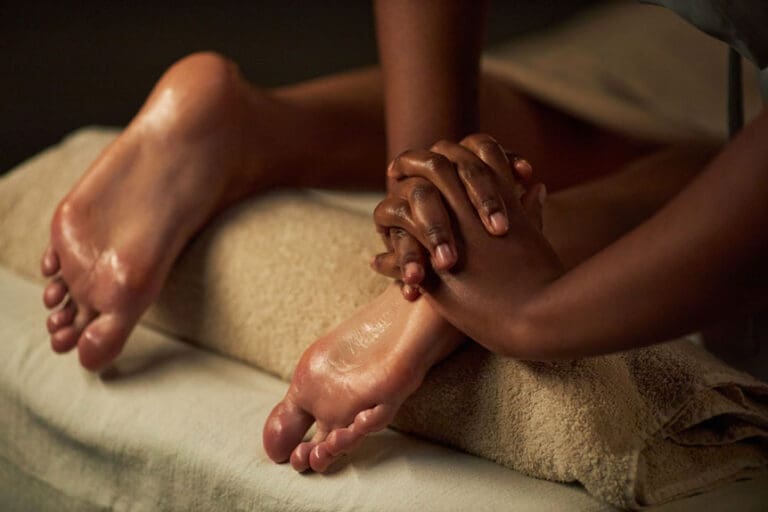
Pressure is tailored, often combining slow effleurage and targeted kneading to ease tension while supporting calm breathing.
The aroma is kept subtle; clients can request less oil or a pause if dizziness, nausea, or itching occurs.
Aftercare usually includes hydration, avoiding hot baths for several hours, and monitoring skin for delayed irritation.
Follow-up advice is provided.
Conclusion
Ylang ylang essential oil can be safe in aromatic massage when used with professional care, including correct dilution, patch testing, and screening for pregnancy, allergies, migraines, asthma, and reactive skin. Because sensitivity varies, reputable therapists tailor the blend, use conservative percentages, and give clear aftercare to reduce irritation or headaches. When chosen and handled well, the experience can feel like a steady exhale—calming, but controlled—supporting comfort without compromising skin safety or overall wellbeing.