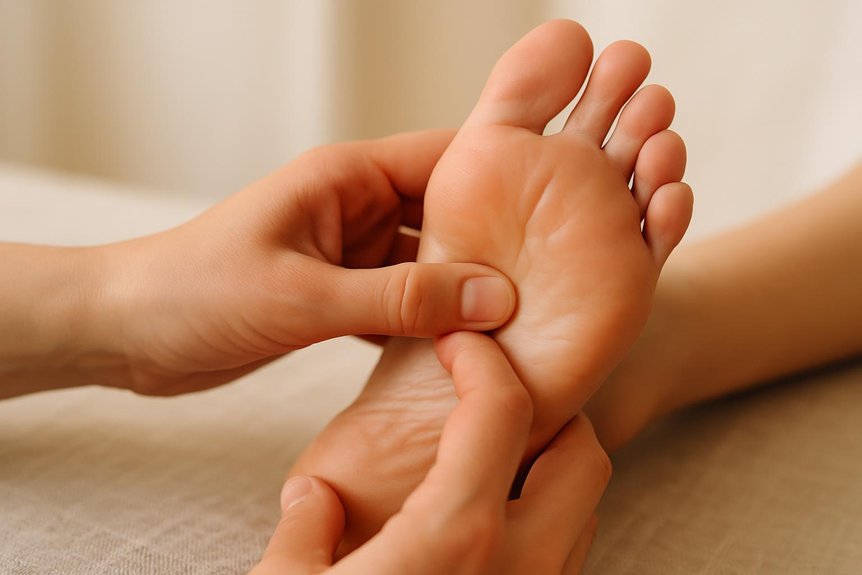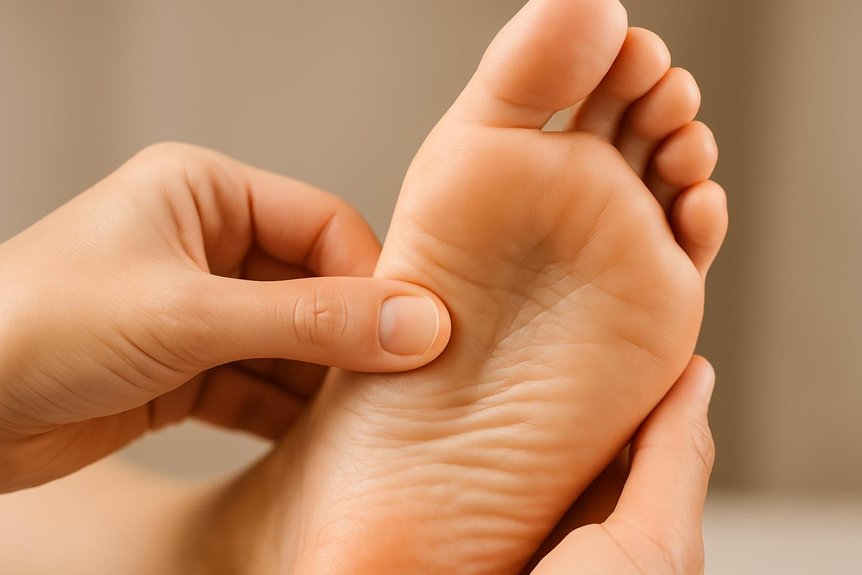
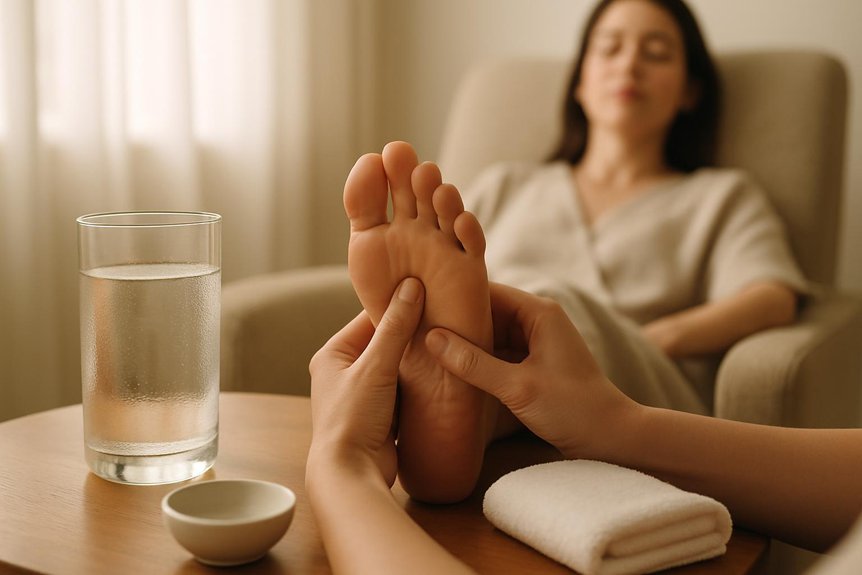
Drinking water after it is generally recommended to support normal hydration and comfort as the body relaxes. Thirst afterward often reflects ordinary factors such as travel, caffeine, warm rooms, or heightened awareness of body cues rather than a “detox” effect. A practical approach is 300–500 ml soon after the session, then steady sips (about 500–750 ml over 1–2 hours) guided by thirst. Those with fluid restrictions should follow medical advice. Further guidance covers timing, best drink choices, and warning signs.
Should You Drink Water After Reflexology?
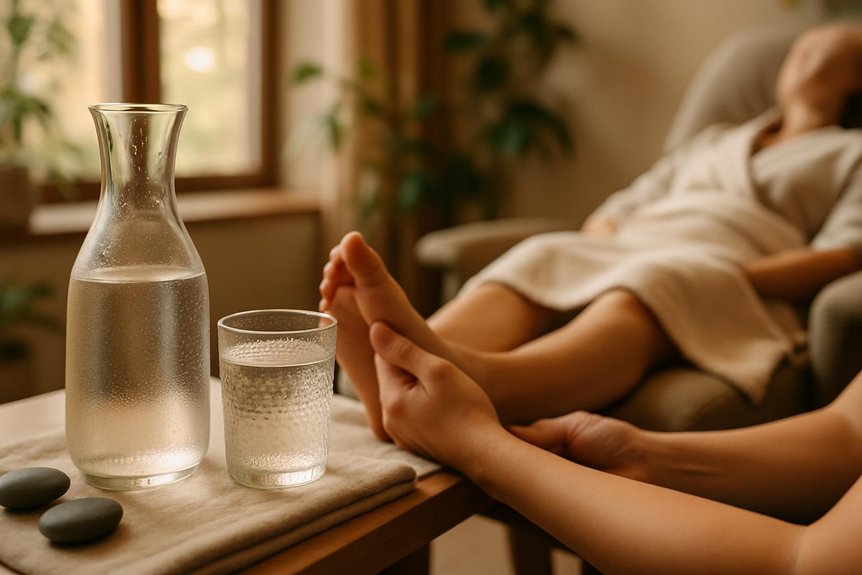
After a massage session, drinking water is generally recommended to support normal hydration and comfort.
Because it is often valued for its healing power, staying well hydrated can help the body feel more settled after treatment.
At Spa & Massage clinics across London, therapists typically suggest sipping water soon after treatment and continuing through the day, as gentle bodywork can feel more settling when the client remains well hydrated.
Evidence does not require large volumes, but replacing usual fluids is sensible, especially if the client arrived thirsty, exercised, or had a warm treatment room.
A practical guide is clear, pale urine and a comfortable mouth and lips. Alcohol is best limited immediately after.
Clients with fluid restrictions (for example, kidney or heart conditions, or pregnancy advice) should follow medical guidance.
If dizziness, nausea, or unusual swelling occurs, they should seek clinical advice.
Why Do You Feel Thirsty After Zone Therapy?
In many cases, thirst following zone therapy reflects ordinary shifts in hydration and comfort rather than any “detox” effect. A session may be deeply relaxing, lowering stress and subtly changing breathing and circulation; combined with a warm room, this can leave the mouth feeling dry.
Some clients arrive slightly dehydrated from travel across London, caffeine, or busy schedules, and the quiet stillness makes that thirst more noticeable. It can also prompt people to tune in to body signals they usually ignore, including thirst.
At Spa & Massage, therapists encourage gentle check-ins: dizziness, headache, or unusually dark urine suggests dehydration or low blood pressure, and clients should pause, sit up slowly, and seek advice if symptoms persist. Pregnancy and older adults may feel this sooner.
How Much Water After Zone Therapy Is Ideal?
At Spa & Massage, a practical guideline after zone therapy is to drink enough water to return urine to a pale-yellow colour, while avoiding excessive intake in a short time.
The ideal amount should be adjusted to the client’s size, activity level, room temperature, and any health conditions or fluid restrictions, with personalised advice from the therapist when needed.
For timing, steady sipping over the next few hours—alongside a glass soon after the session—supports comfortable hydration without overloading the stomach.
General Post-Session Guideline
For most people, a practical guideline is to drink around 500–750 ml of water within the first 1–2 hours following a zone therapy session, then continue sipping to reach normal daily hydration.
This supports fluid balance after time spent deeply relaxed, and may help reduce post-treatment lightheadedness or headache in some clients.
At Spa & Massage clinics across London, therapists encourage small, steady sips rather than chugging, paired with a light snack if needed.
Clear or pale-yellow urine is a simple, evidence-informed cue that hydration is on track.
Water is usually best; alcohol is best avoided immediately after treatment, as it can worsen dehydration.
If nausea, dizziness, or faintness occurs, clients should sit, drink slowly, and seek medical advice if symptoms persist.
Adjust For Your Body
After zone therapy, ideal water intake varies with body size, baseline hydration, activity level, heat exposure, and individual medical factors, so a fixed amount is less reliable than tailoring fluids to how the person feels and responds.
At Spa & Massage, therapists suggest using practical cues: urine that is pale straw-coloured, a moist mouth, steady energy, and an absence of dizziness or headache.
People who arrived thirsty, exercised earlier, or spent time on the Tube in warm weather may need more, while smaller bodies may need less.
Those managing heart failure, kidney disease, or fluid restrictions should follow clinician guidance and mention this before zone therapy.
For most, sipping until comfortable and hydrated supports recovery without overdrinking.
Hydration Timing Tips
Within the first hour following zone therapy, hydration is best approached as steady, small sips rather than a large volume all at once, with most clients doing well with roughly 300–500 ml soon after the session and then continuing to drink to thirst over the next several hours.
This pacing supports comfort and reduces the chance of stomach upset or light-headedness, especially after a deeply relaxing treatment.
At Spa & Massage clinics across London, therapists suggest pairing water with a gentle snack if clients feel a little “floaty,” and avoiding excess caffeine or alcohol that day.
Urine that is pale straw-coloured is a practical indicator of adequate intake.
Clients with heart, kidney, or fluid-restriction advice should follow their clinician’s limits.
Overnight, a bedside glass can encourage calm, unhurried hydration.
When Should You Drink Water After Zone Therapy?
Immediately following a zone therapy session, water intake is best started straight away and continued at regular intervals over the next few hours. This supports normal fluid balance after relaxation and gentle pressure work, and many clients at Spa & Massage find it helps them feel clearer and more comfortable as they leave the treatment room.
Over the remainder of the day, steady sipping is typically preferable to large, rapid amounts, especially for anyone prone to nausea, headaches, or light‑headedness.
Timing may be adjusted for individual circumstances: clients who arrived dehydrated, exercised beforehand, or are pregnant may benefit from closer attention to hydration.
For safety, those with heart or kidney conditions, or fluid restrictions, should follow medical guidance and ask the therapist for personalised aftercare advice.
Best Drinks After Zone Therapy (And What to Avoid)
For most clients, the best post‑zone therapy choice is plain water, supported when needed by non‑caffeinated, low‑sugar options such as herbal tea or an oral rehydration drink. At Spa & Massage clinics across London, therapists suggest small, steady sips to match thirst and comfort, especially if the client feels light‑headed or has been rushing between appointments.
Suitable choices include still water, diluted electrolyte solutions after heavy sweating, and warm caffeine‑free teas (for example, peppermint or chamomile) that feel soothing and gentle. Drinks to limit include alcohol (dehydrating, may worsen dizziness), high‑caffeine coffee or energy drinks (can increase jitters and palpitations), and very sugary juices or fizzy drinks (can upset sensitive stomachs). Clients with kidney, heart, or fluid‑restriction needs should follow medical advice.
Massage Aftercare: What to Do for 24 Hours
For the 24 hours after zone therapy, Spa & Massage therapists typically advise prioritising steady hydration (water alongside warm, non-caffeinated drinks), as this supports comfort and helps reduce post-treatment light‑headedness.
Clients are encouraged to plan for rest and to keep activity gentle, using short walks or light stretching rather than strenuous exercise if any tenderness or fatigue is present.
Consistent sleep is also recommended, since many people report improved relaxation after a session and adequate recovery supports overall wellbeing.
Hydration And Warm Drinks
After a massage session, steady hydration supports normal circulation and helps the body replace fluids lost through relaxation-related perspiration.
Spa & Massage therapists generally advise sipping water over the next few hours rather than rapidly drinking large volumes, which can feel uncomfortable.
For most adults, pale-yellow urine is a practical sign of adequate hydration.
Clients with heart failure, kidney disease, or fluid restrictions should follow their clinician’s guidance.
Warm drinks can feel soothing and encourage gentle fluid intake.
Many clients prefer caffeine-free herbal tea, warm water with lemon, or clear broth; these options may be kinder on a sensitive stomach.
Alcohol is best avoided for the remainder of the day, as it can increase dehydration and dull body cues.
If nausea, dizziness, or swelling occurs, hydration should be adjusted and medical advice sought promptly.
Rest, Movement, And Sleep
Prioritising rest while keeping movement gentle helps the nervous system settle and supports comfortable recovery in the first 24 hours following zone therapy.
Spa & Massage therapists suggest planning a quieter evening, limiting intense workouts, late-night alcohol, and long commutes where possible.
Light walking, relaxed stretching, or a warm bath can maintain circulation without overstimulating the body.
If dizziness, headache, or nausea appears, clients should sit or lie down, sip water, and avoid driving until steady; persistent or severe symptoms warrant medical advice.
Sleep often deepens after a session, so an earlier bedtime and a dark, cool room may support recovery.
For clients in London, booking zone therapy when a calm night follows can feel especially nurturing and restful.
Conclusion
The “drink water to flush toxins” theory does not hold up well: zone therapy has not been shown to detoxify the body, and the liver and kidneys already perform that role. Yet clients often do feel thirsty or lightly fatigued afterward, likely reflecting relaxation, reduced stress, and simple baseline dehydration. Drinking water is consequently a sensible, low-risk aftercare step. Aim for normal hydration, pause before intense exercise, and seek medical advice if symptoms persist.