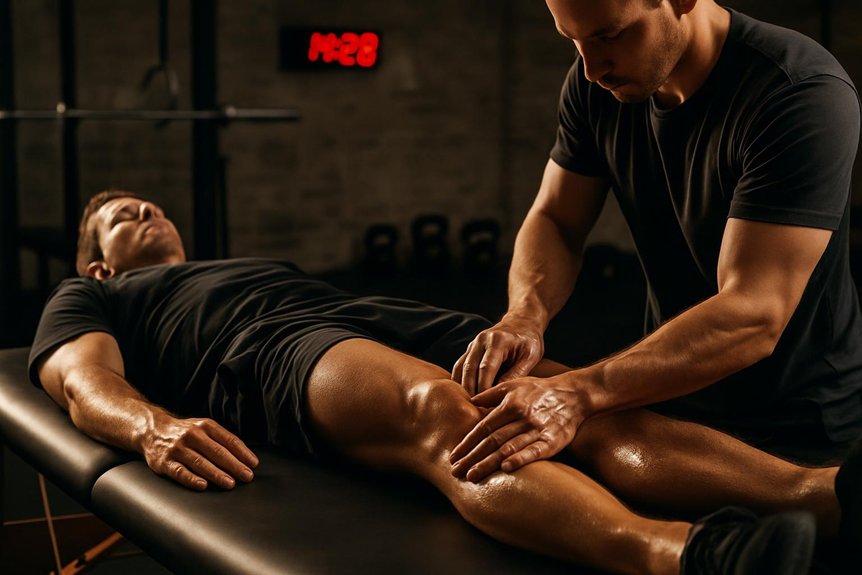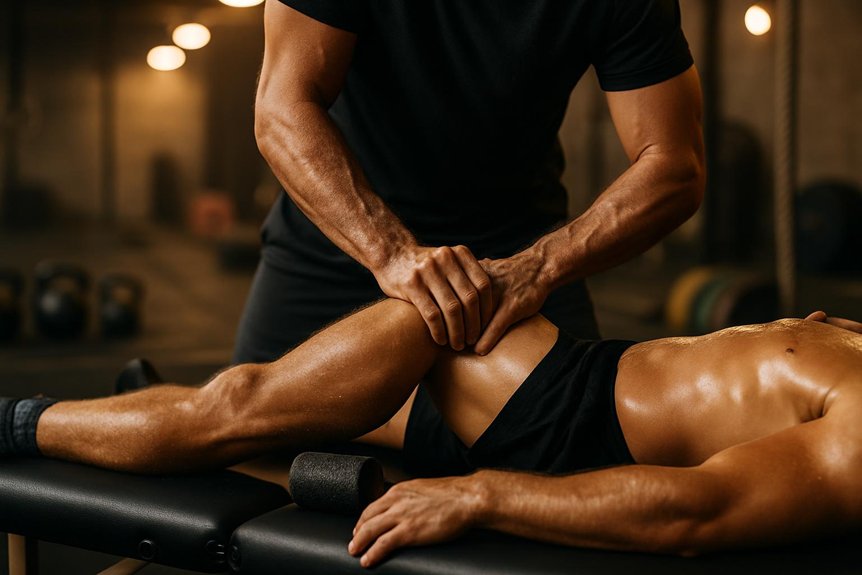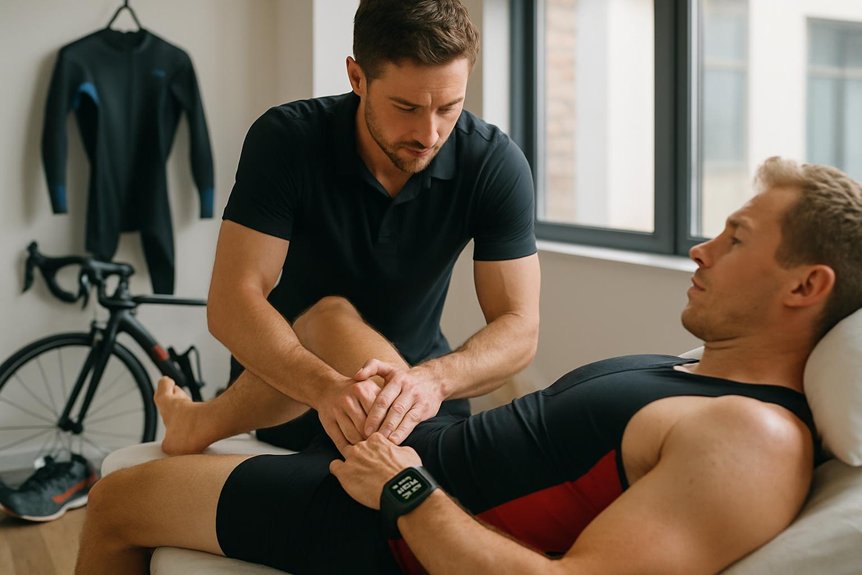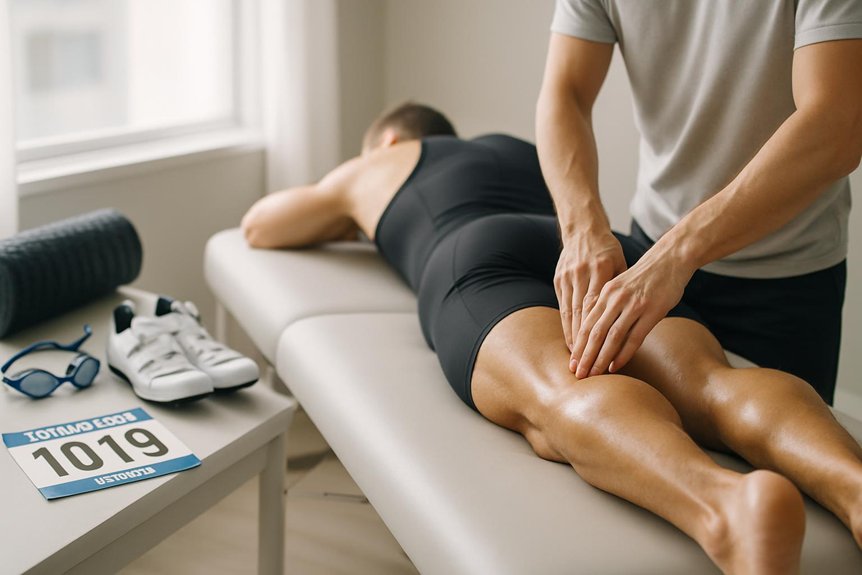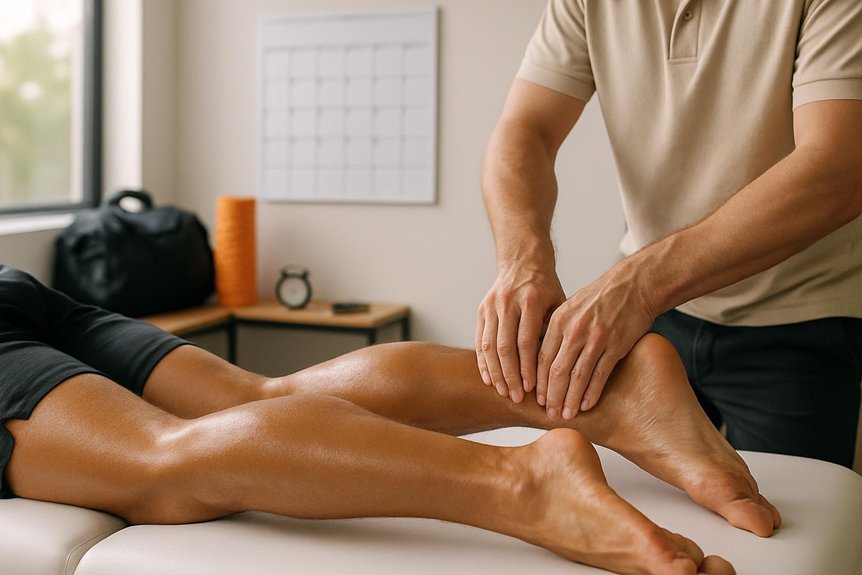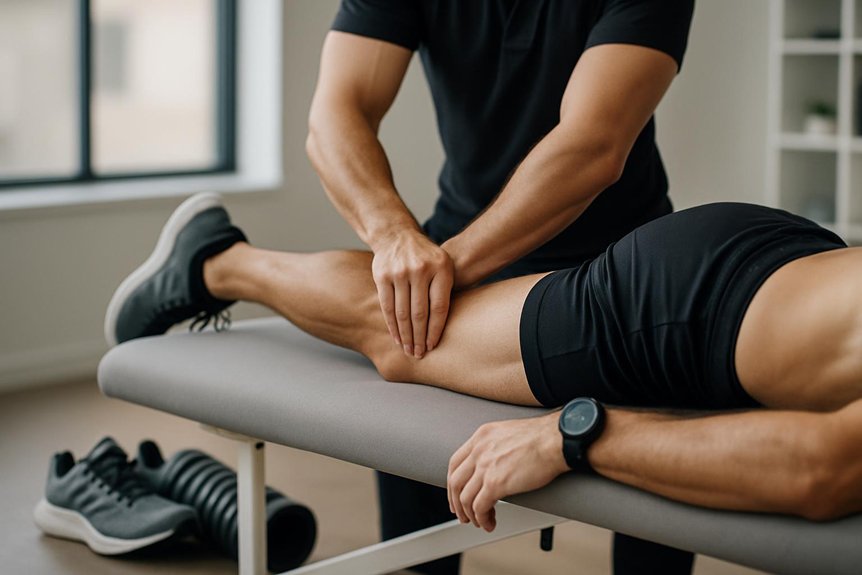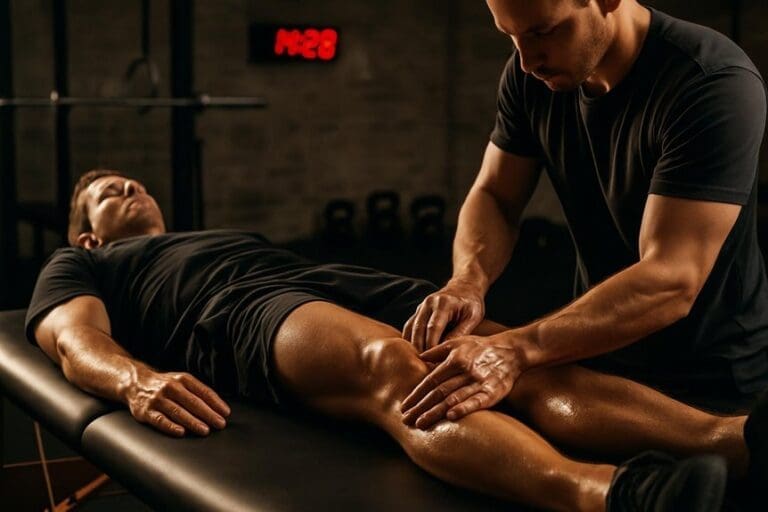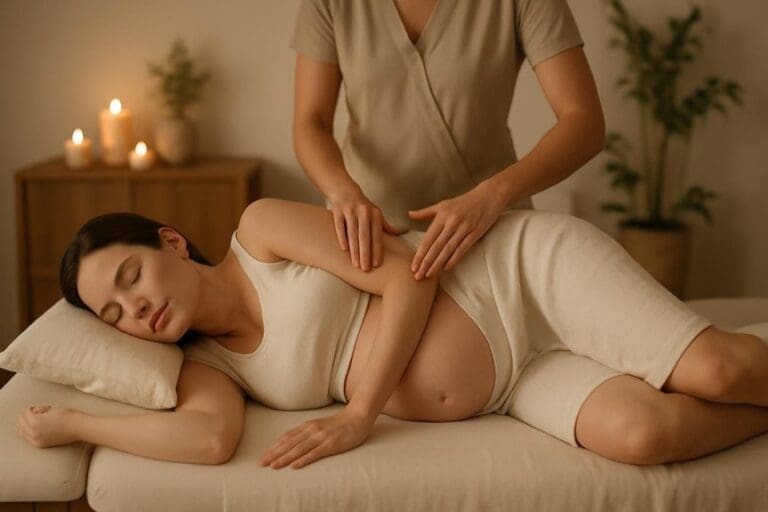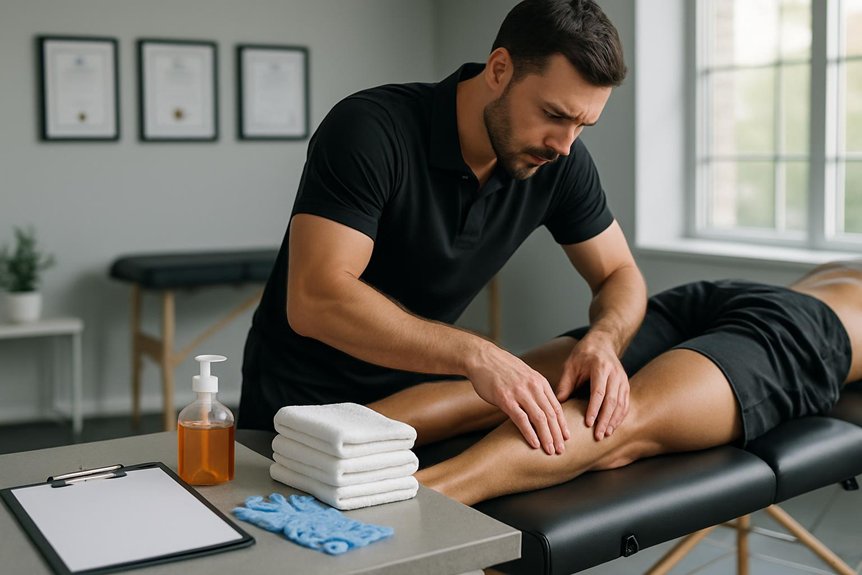
A good athletic massage therapist shows recognised Level 3–5 qualifications, current first-aid and insurance, and ongoing CPD in areas like myofascial and trigger point work. They take a structured health history, screen for contraindications (blood thinners, clot risk, infection, recent surgery), and obtain informed consent with clear draping and comfort boundaries. Treatment is guided by movement screening and palpation, with precisely graded pressure, reassessment, aftercare, and referral when needed. More practical selection cues follow.
What Makes a Good Athletic Massage Therapist?
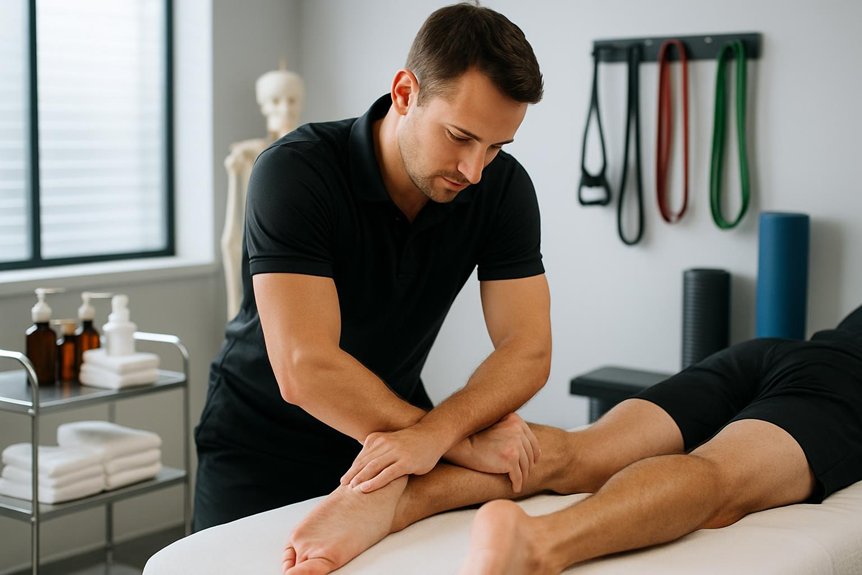
In practice, a good athletic massage therapist combines strong anatomical knowledge with clinical reasoning to assess movement patterns, tissue quality, and pain triggers before selecting appropriate techniques. They take a thorough intake, clarify training load and medical history, and explain likely contributors in plain language. Consent is explicit, draping is respectful, and pressure is calibrated continuously—deep enough to be effective, never forcing the body past protective tension.
They use evidence-informed methods (e.g., graded pressure, myofascial work, trigger point release, assisted stretching) and reassess range of motion and symptoms during the session. It can support athletes by promoting recovery and helping manage muscle soreness through athletic massage benefits when applied appropriately. At Spa & Massage clinics across London, therapists document responses, adapt pace and touch to the client’s comfort, and give simple aftercare: hydration, gentle mobility, heat or cold guidance, and warning signs to monitor.
Choose the Right Sports Massage for Your Goal
For most people, the “right” athletic massage depends less on a single technique and more on matching treatment intensity and focus to a clear outcome—such as pre‑event readiness, post‑event recovery, addressing a specific niggle, or maintaining tissue resilience during heavy training.
At Spa & Massage clinics across London, therapists first clarify timing, training load, symptoms, and sensitivity, then select pressure and pacing accordingly. Pre‑event sessions are lighter and brisk, aiming to reduce perceived stiffness without provoking soreness. Post‑event work is gentler, prioritising comfort, circulation, and down‑regulation.
For a localised “niggle,” treatment becomes more specific, combining deep, slow strokes with brief mobility work to settle irritable tissue. Maintenance sessions balance firm pressure with recovery, with clients encouraged to give real‑time feedback about intensity and sensation.
Athletic Massage Qualifications to Look For
Matching an athletic massage to a specific goal works best when the therapist has verifiable training to assess tissue tolerance, adapt techniques safely, and recognise when symptoms need referral.
Credentials should include a recognised Level 3–5 athletic massage qualification, current first-aid training, and clear anatomy, physiology, and pathology education. Professional membership, insurance, and ongoing CPD (for example, myofascial release, trigger point work, and evidence-informed rehabilitation principles) indicate accountability.
A strong intake process matters: informed consent, clear contraindication screening, and documentation of pressure preferences and comfort boundaries help clients feel safe and close to their own body.
At Spa & Massage clinics across London, therapists also explain why a technique is chosen, how deep pressure will be paced, and what sensations are normal versus concerning.
Look for Experience With Your Sport and Injury History
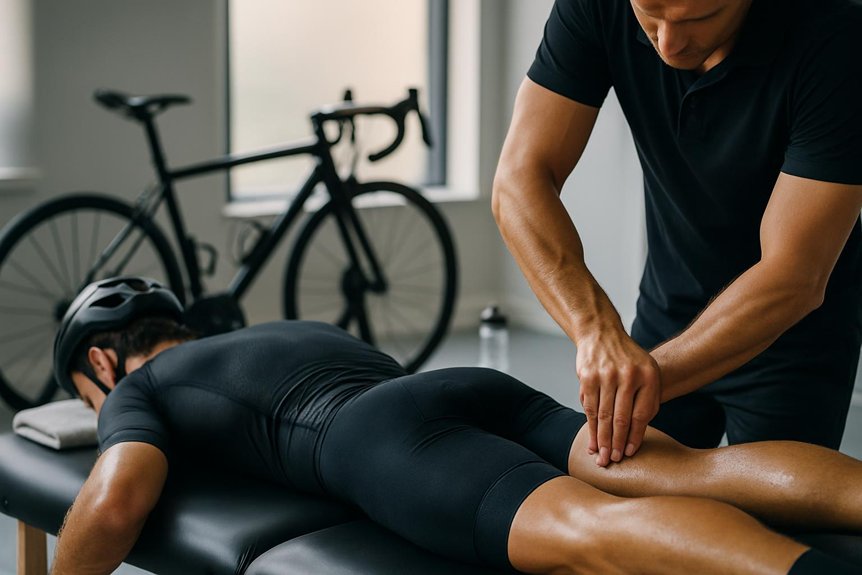
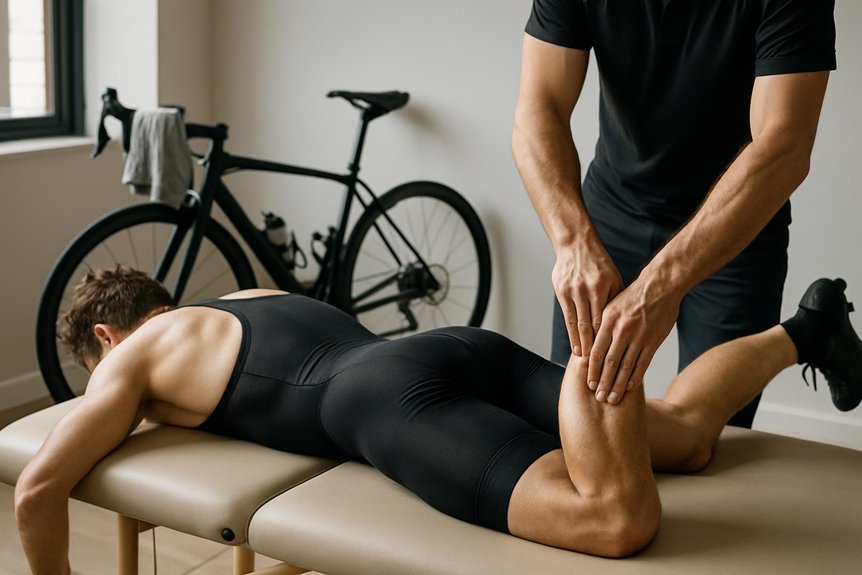
A strong athletic massage therapist should have sport-specific experience, because training demands and tissue loading patterns differ between runners, cyclists, and field-sport athletes.
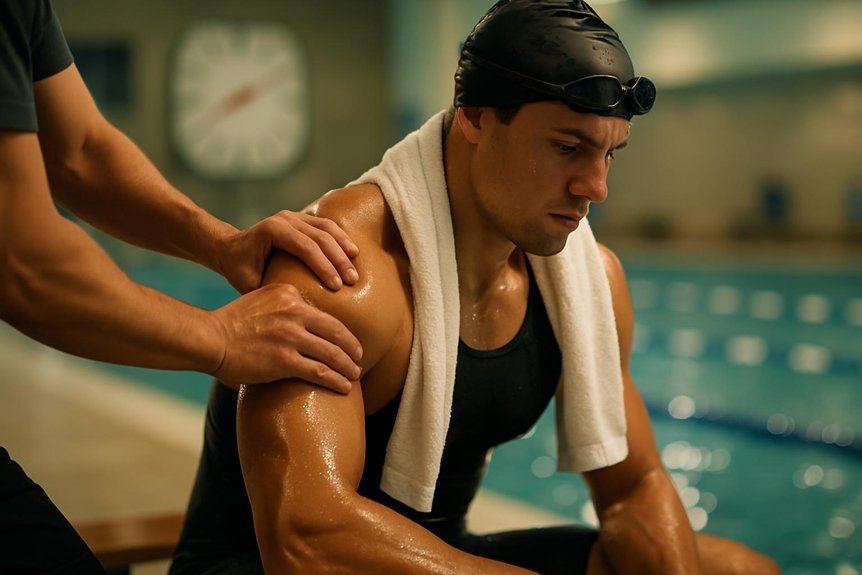
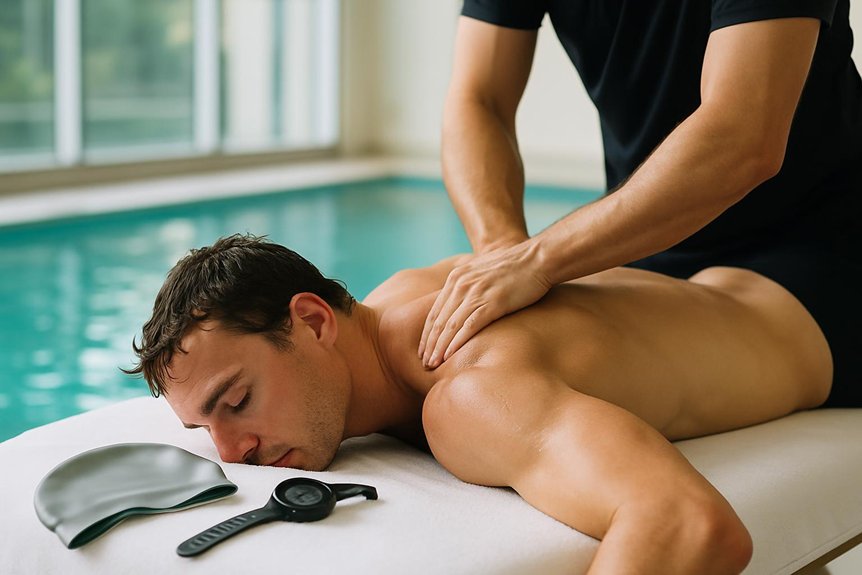
Evidence of a track record with common injuries for that sport—such as calf/Achilles issues in runners or shoulder overuse in swimmers—helps indicate appropriate technique selection and progression.
At Spa & Massage, therapists use a tailored assessment that reviews injury history, current symptoms, and movement findings to align treatment with the client’s goals and tolerance.
Sport-Specific Treatment Experience
Often, the most reliable indicator of an effective athletic massage is a therapist’s proven experience with the client’s specific sport and injury history, because training loads and movement patterns place predictable stresses on particular tissues.
A runner may need calf–Achilles and hip flexor work; a desk-based lifter may need pec and anterior shoulder release plus thoracic mobility.
At Spa & Massage clinics across London, therapists begin with targeted questions about weekly volume, recent flare-ups, and key sessions, then match techniques—deep tissue, trigger point work, and assisted stretching—to the sport’s demands.
The client should feel listened to, with pressure calibrated minute by minute and clear check-ins on comfort.
Progress is measured by pain-free range, strength tolerance, and next-day training response.
Common Injury Track Record
Ideally, an athletic massage therapist should demonstrate a consistent track record with the client’s most common injuries and the sport-specific patterns that cause them. Evidence may include regular work with runners’ Achilles and plantar fascia irritation, cyclists’ hip flexor overload, lifters’ shoulder impingement, or desk-driven neck and upper-back strain that complicates training.
A strong clinician can describe typical tissue presentations, common aggravating factors, and realistic timelines, and can share how they have supported similar clients back to pain-free movement. At Spa & Massage clinics across London, therapists are accustomed to seeing recurring patterns and can discuss what has helped in comparable cases, including pressure tolerance, session frequency, and recovery-sensitive pacing. The client should feel heard, safe, and appropriately challenged—never rushed or dismissed.
Tailored Assessment Approach
Before any hands-on work begins, a credible athletic massage therapist should run a tailored assessment that links the client’s sport, training load, and injury history to specific movement and tissue findings, then uses those findings to plan treatment and aftercare.
This includes targeted questions on weekly volume, recent spikes, sleep, hydration, and pain patterns, plus brief functional tests (range of motion, strength balance, gait, or sport-specific drills).
Palpation should confirm tone, tenderness, and trigger points, not guess them.
At Spa & Massage clinics across London, therapists match techniques—deep tissue, myofascial release, and assisted stretching—to what the body is asking for in that moment, while respecting scars and vulnerable structures.
Aftercare should feel personal: warm fluids, gentle mobility, and clear training adjustments for 24–48 hours.
How a Therapist Should Assess You Before Athletic Massage
A competent athletic massage therapist should begin with a structured health history and clear goals, including current symptoms, training load, past injuries, and any medical contraindications that may affect treatment choice.
At Spa & Massage clinics across London, therapists then use brief movement screening and targeted palpation checks to identify tissue sensitivity, restriction, and functional limitations relevant to the client’s sport.
This assessment guides an evidence-informed plan—technique selection, pressure, and aftercare—tailored to the client’s needs and tolerance.
Health History And Goals
In an effective athletic massage intake, a therapist should start by taking a structured health history and clarifying the client’s goals, because these two factors determine what techniques are appropriate and safe.
At Spa & Massage clinics across London, therapists typically ask about current injuries, pain patterns, training load, recent competitions, and previous massage responses.
They should also screen for medical conditions and contraindications, including recent surgery, blood thinners, clotting history, pregnancy, nerve symptoms, skin infections, fever, and uncontrolled hypertension, then liaise with a GP when indicated.
Goal-setting should be specific: recovery versus performance, range of motion versus pain reduction, and short-term relief versus a longer plan.
A good therapist confirms comfort boundaries, preferred pressure, and areas that feel emotionally sensitive, maintaining consent throughout.
Movement And Palpation Checks
Alongside a clear health history, a competent athletic massage assessment should include brief movement screens and targeted palpation to identify which tissues and patterns are most likely driving symptoms. A therapist may ask for simple squats, lunges, shoulder raises, or spinal flexion/rotation, noting asymmetry, pain provocation, and control. These checks guide pressure, pacing, and technique selection rather than relying on guesswork.
Palpation should be specific and respectful: feeling for temperature, tone, swelling, tenderness, and trigger points, while confirming sensations with the client. At Spa & Massage clinics across London, therapists use this information to choose focused deep tissue or sports techniques, communicate what they’re finding, and agree boundaries. The client should feel listened to, safe, and quietly cared for throughout.
What Good Athletic Massage Pressure and Technique Feel Like
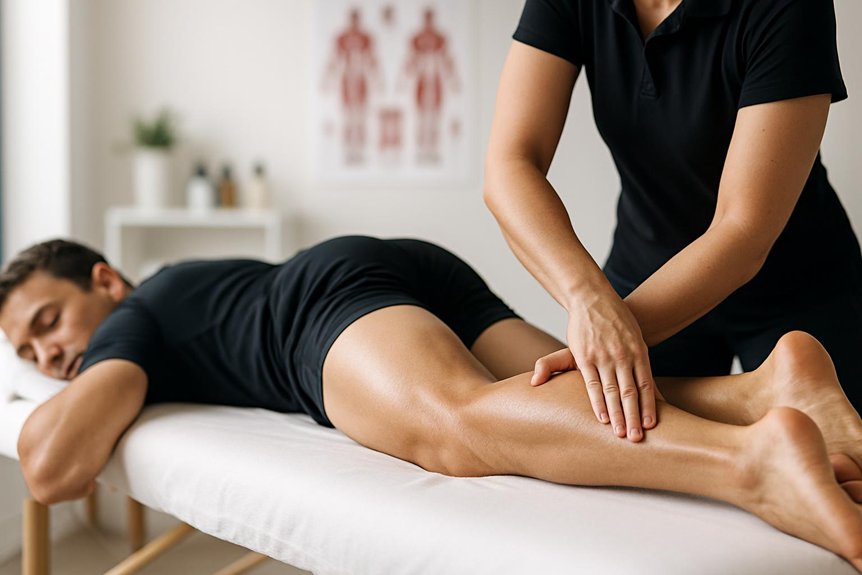
For many clients, good athletic massage pressure feels purposeful and precisely graded—firm enough to engage deeper muscle layers and connective tissue, yet controlled enough to remain tolerable and safe.
A skilled therapist increases depth slowly, tracking breath, facial tension, and subtle guarding, then eases off to keep the nervous system receptive.
Technique typically feels specific rather than “random”: sustained compressions, slow stripping strokes along the muscle fibres, and small cross-fibre friction that targets sticky bands without scraping.
Pressure should create a “good pain” that stays under the client’s chosen threshold and fades quickly when the stroke moves on.
At Spa & Massage clinics, therapists regularly check in and adjust angle, pace, and lubricant so touch feels grounded, warming, and intimate—leaving muscles clearer, looser, and more coordinated.
Athletic Massage Safety: Injuries, Conditions, and Red Flags
Purposeful pressure and precise technique only work well when the client’s tissues and health status make that level of input appropriate. At Spa & Massage, therapists screen for acute injuries (new swelling, heat, bruising, sharp pain, reduced function) and avoid deep work over suspected fractures, tendon tears, or active sprains.
Recent surgery, blood thinners, clot history, unexplained calf pain, fever, infection, and uncontrolled cardiovascular conditions warrant medical clearance. Pregnancy, Ehlers-Danlos, osteoporosis, diabetes neuropathy, and cancer care require adapted positioning and gentler dosing.
Red flags during treatment include numbness, radiating pain, dizziness, nausea, or pain that escalates rather than melts. A good therapist pauses, checks consent, adjusts, or refers—protecting performance and trust.
How to Choose an Athletic Massage Clinic in London
In a city with wide variation in standards, choosing an athletic massage clinic in London is safest when it is treated as a clinical decision rather than a convenience purchase. A clinic should evidence qualified therapists, clear intake screening, and a defined scope for athletic massage, including contraindications and referral pathways. Treatment rooms should feel private, calm, and hygienic, supporting relaxation and trust during close-contact work.
Client-focused clinics explain assessment methods, expected sensations, and consent around pressure, draping, and sensitive areas, adapting for comfort without losing therapeutic intent. Transparency matters: pricing, session length, and cancellation policies should be explicit. Accessibility also influences adherence; a multi-site provider such as Spa & Massage (Crouch End, Bayswater, Chiswick, Earl’s Court, Belsize Park, Richmond) can help clients choose a consistent standard near home or work.
Your First Athletic Massage: Plan Sessions and Track Results
Selecting a reputable London clinic is only the starting point; outcomes from a first athletic massage depend on setting a clear aim, scheduling sessions in a way that matches training load and symptoms, and monitoring change over time. At Spa & Massage, clients are encouraged to name one priority (e.g., calf tightness, post-run soreness, shoulder restriction) and rate it 0–10, noting sleep, stress, and training volume.
A first plan often pairs an initial session with a follow-up 7–14 days later, then adjusts frequency as tenderness and range of motion improve. Therapists document pressure tolerance, tissue response, and movement tests, then refine techniques and home advice.
Aftercare usually includes hydration, gentle mobility, and 24–48 hours of lighter training to support recovery and comfort.
Conclusion
Is the “best” athletic massage therapist simply the one with the strongest hands? Evidence suggests outcomes depend more on assessment skill, relevant qualifications, and sport-specific clinical reasoning than intensity alone. A good therapist identifies movement limits, adapts pressure to tissue tolerance, and flags contraindications before treatment. Progress is then tracked: reduced pain, improved range, faster recovery, fewer flare-ups. In London, choosing a clinic that documents findings and plans follow-up sessions supports safer, measurable results.