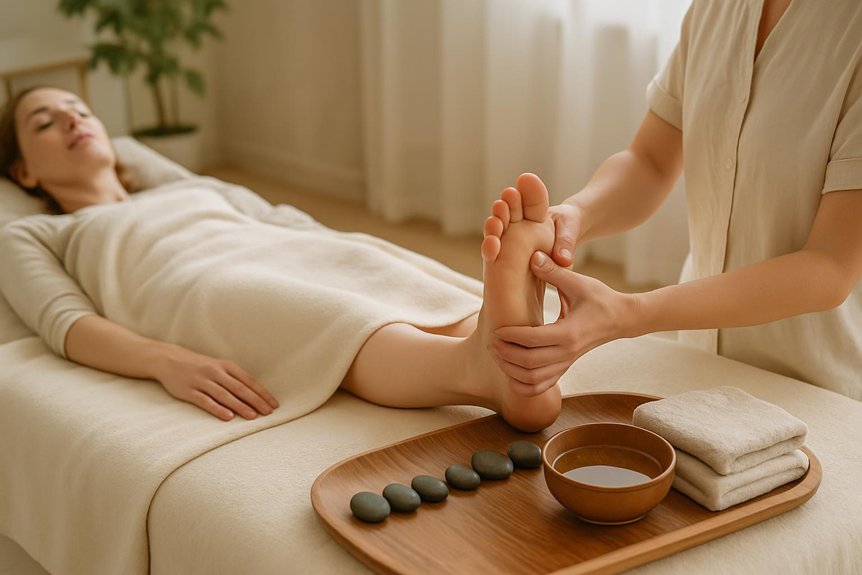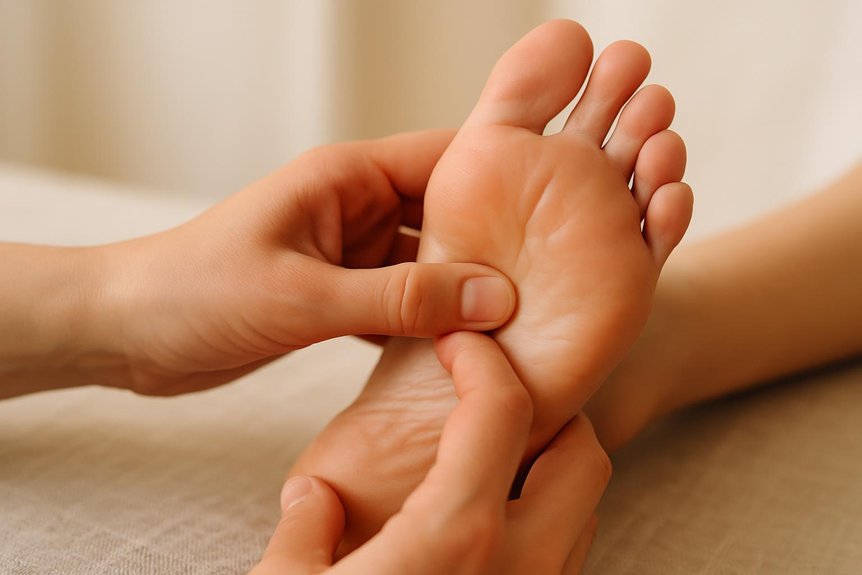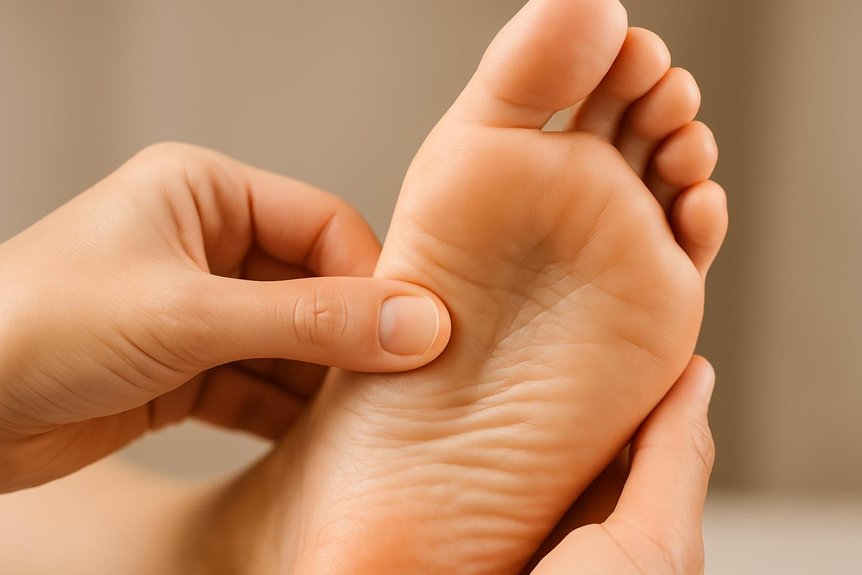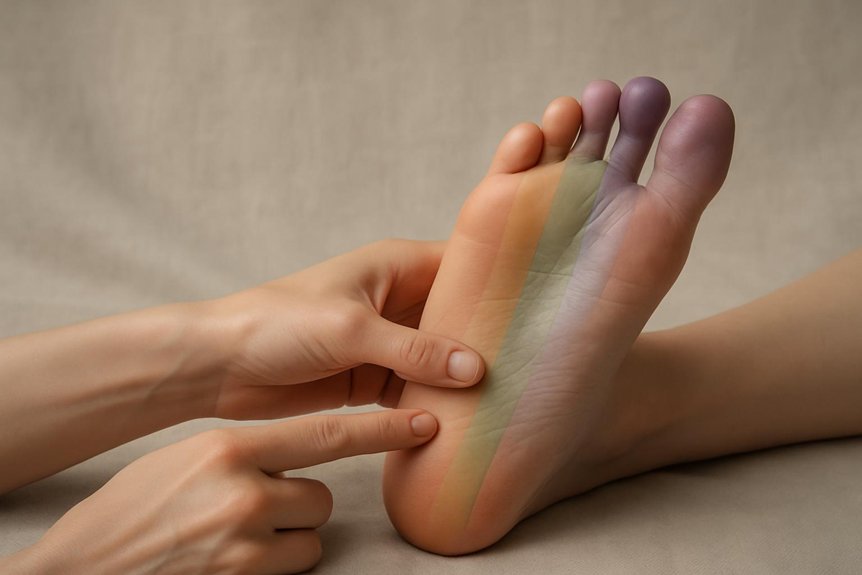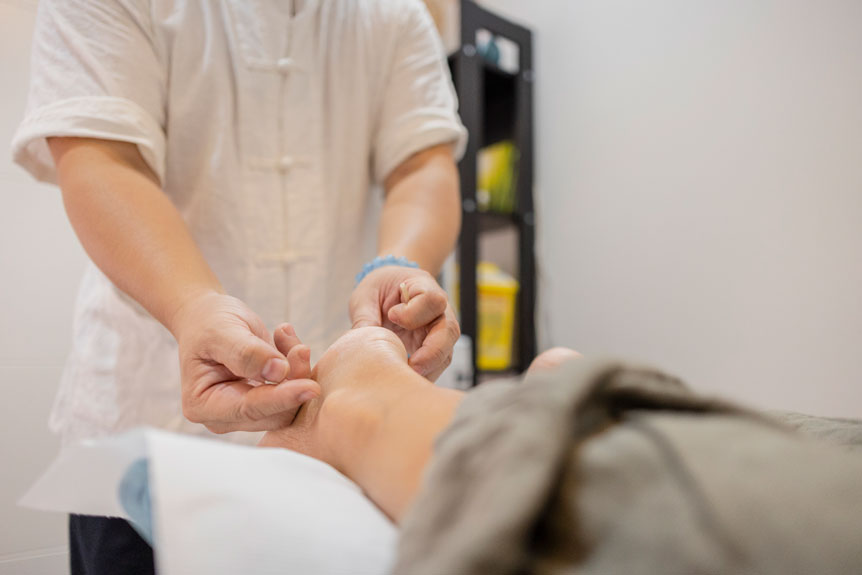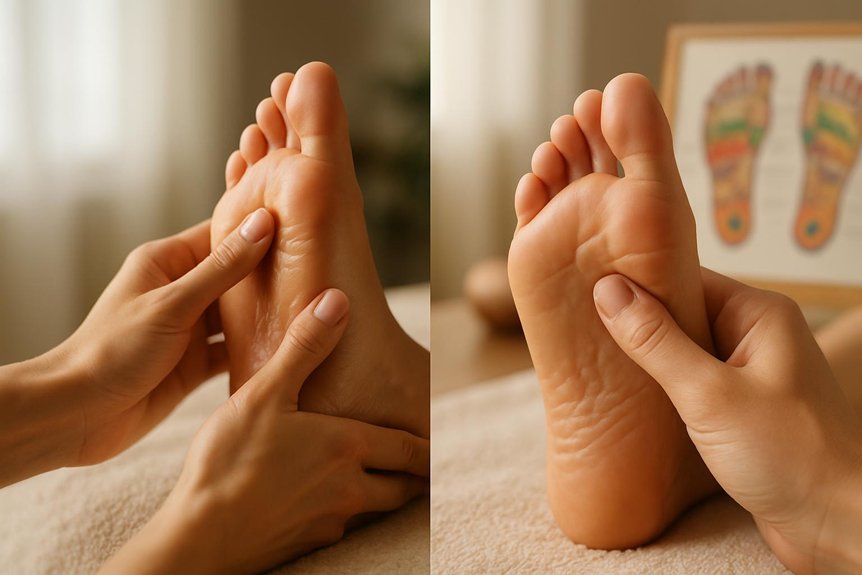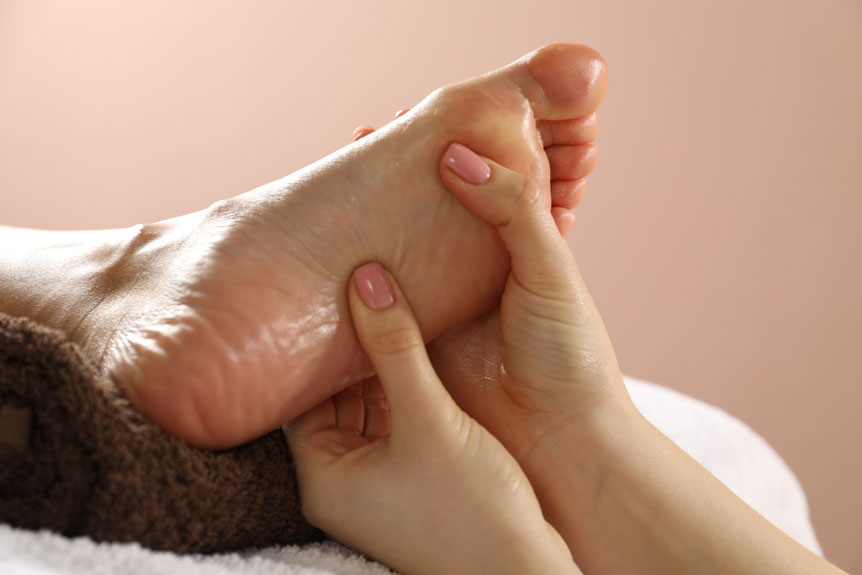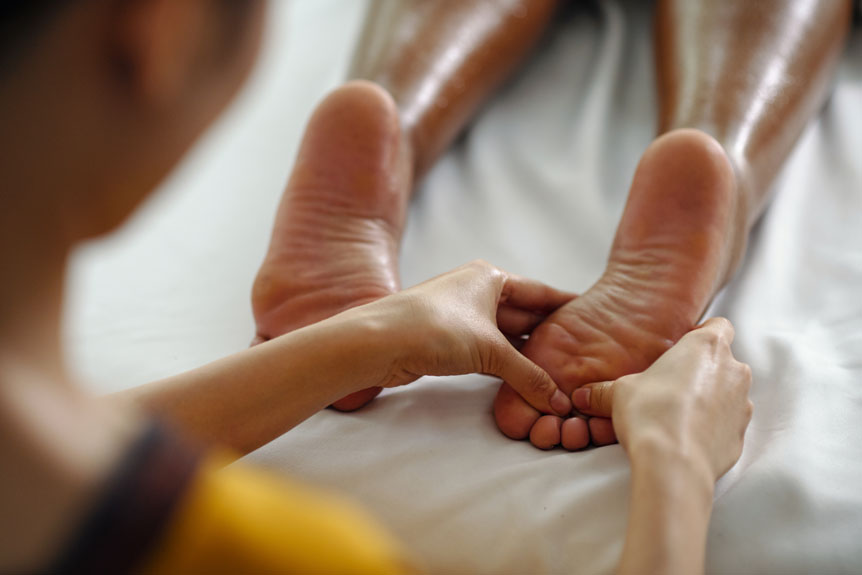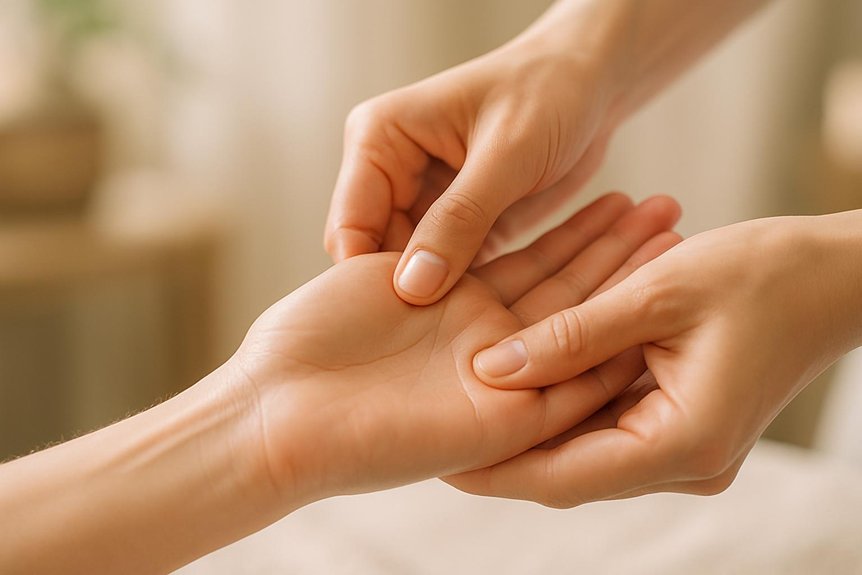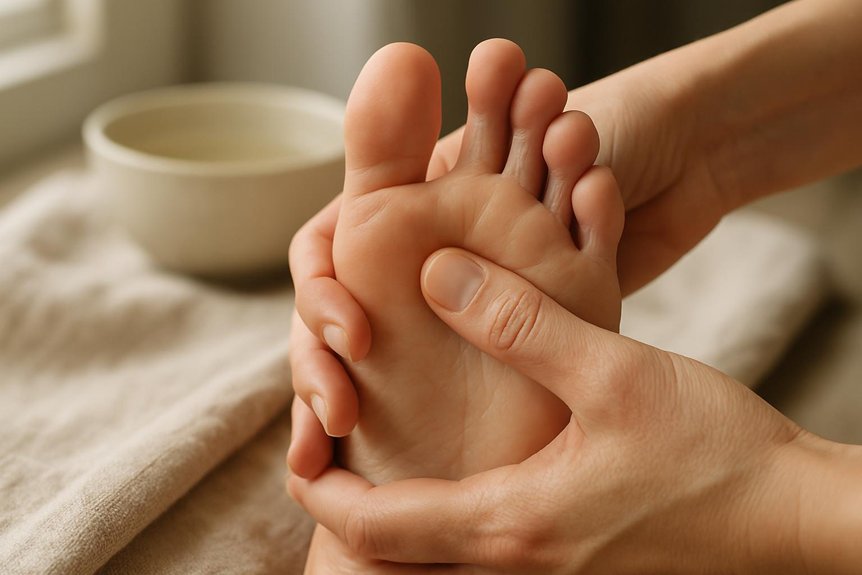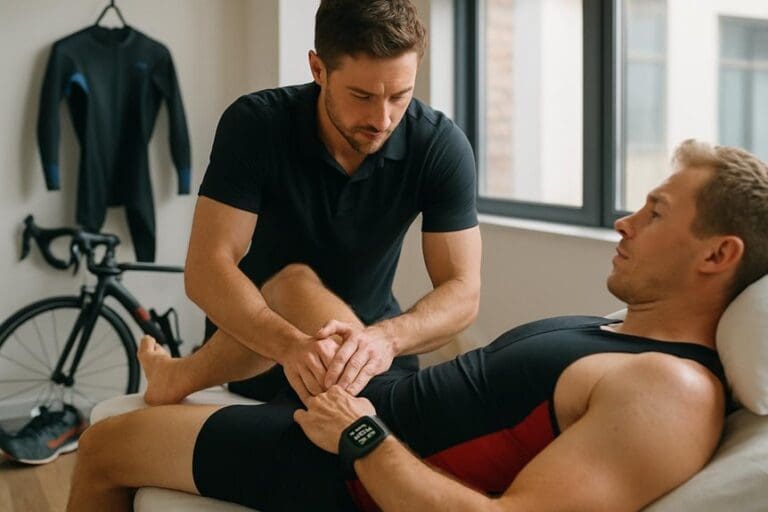
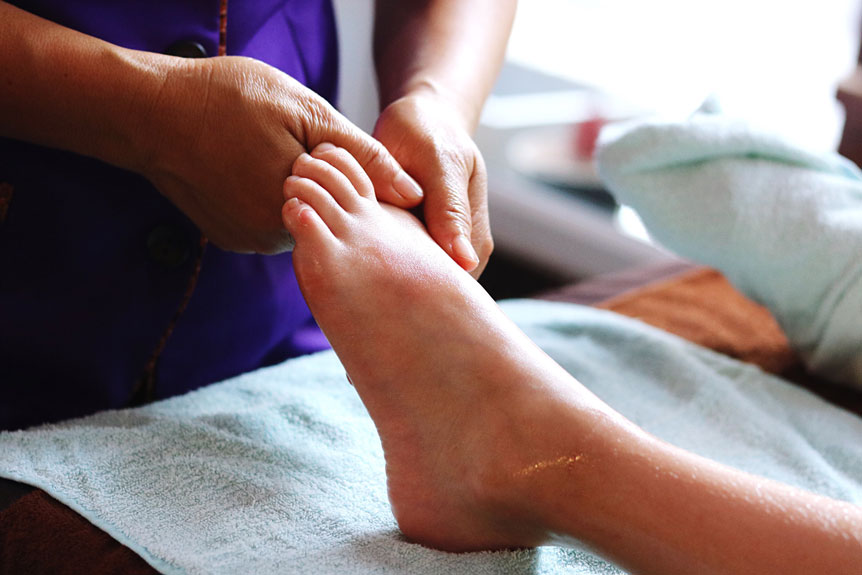
After zone therapy, benefits from a single session most often last several hours to 72 hours, with immediate parasympathetic upregulation commonly felt as calmer breathing, warmth, and reduced muscle guarding. Sleep onset may improve the same night and carry for 1–3 nights, while pain relief (for tension-type headache or foot discomfort) often persists 24–72 hours. Mild, short-lived fatigue or soreness can occur for 12–48 hours. Longer-lasting change is more consistent with a short course and tailored session cadence; further detail helps clarify what shapes duration.
How Long Do Reflexology Benefits Last (Typical Ranges)?
Typically, zone therapy benefits last anywhere from several hours to a few days after a single session, with duration influenced by baseline stress load, sleep quality, hydration status, and the client’s responsiveness to parasympathetic activation.
In Spa & Massage clinics across London, clients most often describe an immediate downshift in sympathetic tone, with calmer breathing, softened muscle guarding, and improved sleep onset lasting into the next day.
For some, analgesic effects—reduced tension headache frequency, lighter plantar discomfort, or eased pelvic heaviness—persist 24–72 hours, reflecting transient modulation of nociceptive processing and improved microcirculatory flow.
Intensity matters: deeper thumb-walking on reflex zones may feel tender yet soothing, while gentler holds often sustain a cocooned, intimate sense of safety longer post-treatment.
Many people seek zone therapy for its potential to support the body’s own recovery processes through the healing power of zone therapy.
When Will You Notice Results: After 1 Session or a Course?
Often, noticeable zone therapy effects emerge after a single session—most clearly as acute parasympathetic upregulation (slower respiratory rate, reduced perceived stress, easier sleep onset, and a short-term shift in pain sensitivity)—whereas more durable changes in symptom patterns (e.g., recurrent tension, stress-related headaches, sleep fragmentation, or foot/ankle discomfort linked to prolonged standing) are more consistently reported after a short course that allows repeated neurophysiological downshifts and behavioural reinforcement.
At Spa & Massage London clinics, many clients feel calmer, warmer, and “softer” in the body within hours, reflecting autonomic settling and improved interoceptive awareness.
A course (typically 4–6 sessions, weekly or fortnightly) supports cumulative regulation, improved sleep hygiene adherence, and more stable symptom tracking.
Results also depend on baseline stress load, activity levels, hydration, and session intent agreed with the therapist.
Is It Normal to Feel Worse After Zone Therapy: and for How Long?
Some clients report a transient “healing response” after zone therapy—such as fatigue, mild headache, light-headedness, increased urination, or a short-lived flare of pre-existing symptoms—consistent with non-specific autonomic and circulatory shifts seen with relaxation-focused bodywork.
In Spa & Massage clinics across London, therapists set expectations that when these reactions occur, they are typically mild and self-limiting, most often resolving within 24–48 hours (occasionally up to 72 hours), with hydration and rest advised as standard aftercare.
Symptoms that are severe, progressive, or persist beyond this window are not considered typical and warrant clinical review and a reassessment of treatment intensity and contraindications.
Post-Zone Therapy Healing Response
Following a zone therapy session, a short-lived “healing response” (also called a post-treatment reaction) can occur, and it is generally considered a normal, self-limiting pattern rather than a sign that the treatment has “gone wrong.” In clinical practice at Spa & Massage, therapists occasionally see clients report transient symptom flares—such as increased fatigue, mild headache, light-headedness, temporary soreness in the feet, or a brief uptick in pre-existing tension—as the autonomic nervous system shifts toward parasympathetic dominance and circulation and lymphatic flow are stimulated.
This response is typically linked to neurophysiological down-regulation, hydration status, sleep debt, and heightened interoceptive awareness after focused touch. At Spa & Massage, aftercare is framed gently: rest, steady fluids, light movement, and heat only if it feels soothing. Red flags include escalating pain, fainting, fever, new neurological symptoms, or worsening swelling—prompting medical review and therapist feedback.
Typical Symptom Duration
Occasionally, clients report feeling temporarily “worse” after zone therapy—most commonly fatigue, a mild headache, light-headedness, increased foot tenderness, or a short-lived flare in pre-existing tension—and this is generally a normal, self-limiting post-treatment reaction rather than an adverse outcome.
In most cases, these transient symptoms settle within 12–48 hours as the autonomic nervous system downshifts and soft-tissue sensitivity normalises.
Some clients notice a “detox-like” heaviness or emotional lability for up to 72 hours, particularly after a first session or intensive pressure work.
At Spa & Massage London clinics, therapists recommend hydration, gentle walking, warm baths, and avoiding strenuous training for 24 hours to support recovery.
Worsening beyond three days, escalating pain, fever, or neurological symptoms warrants medical review and a therapist follow-up.
What Affects How Long Zone Therapy Results Last?
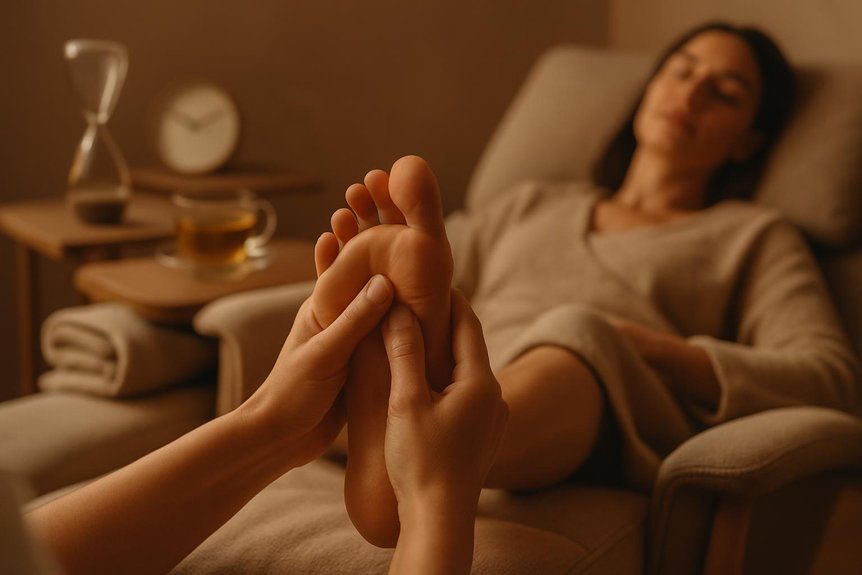
How long zone therapy effects persist typically varies with baseline health status and allostatic load, including sleep quality, hydration, pain sensitisation, and day-to-day psychological stress.
Duration is also shaped by treatment dosing—session frequency, consistency across a care plan, and the client’s adherence to aftercare such as gentle mobility, adequate fluids, and avoiding excessive exertion post-session.
Across Spa & Massage clinics in London, therapists frame expectations around these variables to optimise symptom relief and support more durable nervous-system regulation.
Individual Health And Stress
In many cases, the duration of zone therapy’s effects is strongly shaped by an individual’s baseline health status and stress load. Clients with robust sleep, stable blood glucose, and lower systemic inflammation often report longer-lasting parasympathetic down‑regulation and reduced myofascial guarding. Where chronic stress, anxiety, or pain sensitisation is present, benefits may be shorter because cortisol-driven arousal and sympathetic dominance reassert quickly.
Comorbidities such as thyroid dysregulation, perimenopausal symptoms, digestive disturbance, or lymphatic congestion can also alter how long ease is perceived, as interoceptive signals remain “loud” in the nervous system. At Spa & Massage, therapists note that clients arriving emotionally depleted may feel profound calm, yet return to baseline faster when daily stressors remain intense.
Session Frequency And Aftercare
Often, the longevity of zone therapy outcomes depends as much on session cadence and post-treatment behaviour as on the hands-on work itself: appropriately spaced appointments support neurophysiological “carryover” (sustained parasympathetic activation, reduced nociceptive gain, improved sleep continuity), whereas infrequent sessions tend to produce shorter-lived symptom relief.
At Spa & Massage London clinics, therapists commonly suggest weekly or fortnightly sessions during acute stress or pain flares, then tapering to maintenance every 3–6 weeks once baseline regulation improves.
Aftercare also modulates duration: hydration, gentle walking, and avoiding alcohol or intense training for 12–24 hours can limit post-treatment soreness and support lymphatic return.
Many clients find a warm bath, magnesium-rich meals, and consistent bedtime routines consolidate relaxation and make benefits feel more intimate, longer.
How Long Does Zone Therapy Calm Last for Stress?
For many people seeking stress relief, the sense of calm after zone therapy typically begins immediately and can persist for several hours, with some clients reporting a more stable reduction in perceived stress for 24–72 hours depending on baseline stress load, sleep quality, hydration status, and nervous system reactivity.
At Spa & Massage clinics across London, therapists observe that parasympathetic activation, slower respiratory rate, and reduced muscle guarding often accompany this window of ease.
Duration tends to be longer when the session is followed by gentle decompression: warm water, light nourishing food, and a quiet evening, rather than screens, alcohol, or late workouts.
Clients who arrive in high sympathetic arousal may notice a shorter initial calm, yet deeper regulation with consistent sessions.
If calm fades quickly, therapists recommend tracking triggers and adjusting frequency.
How Long Does Zone Therapy Relief Last for Pain?
Zone therapy -related pain relief commonly emerges during or shortly after treatment and typically persists for several hours to 1–3 days, with duration shaped by pain chronicity (acute vs persistent), inflammatory load, peripheral sensitisation, sleep quality, and post-session activity levels.
In Spa & Massage clinics, therapists often observe faster, longer relief when pain is mild-to-moderate and linked to muscular guarding, tension-type headache patterns, or plantar fascia irritability, where autonomic downshifting and improved microcirculation may reduce nociceptive input.
Persistent pain may respond more gradually, with benefits accumulating across 4–8 sessions via decreased hyperalgesia, improved body awareness, and safer movement choices.
Aftercare matters: hydration, warm foot soaks, gentle walking, and avoiding high-impact training for 12–24 hours can extend comfort. Clients are advised to track pain scores and triggers between visits.
How Long Do Zone Therapy Sleep Benefits Last?
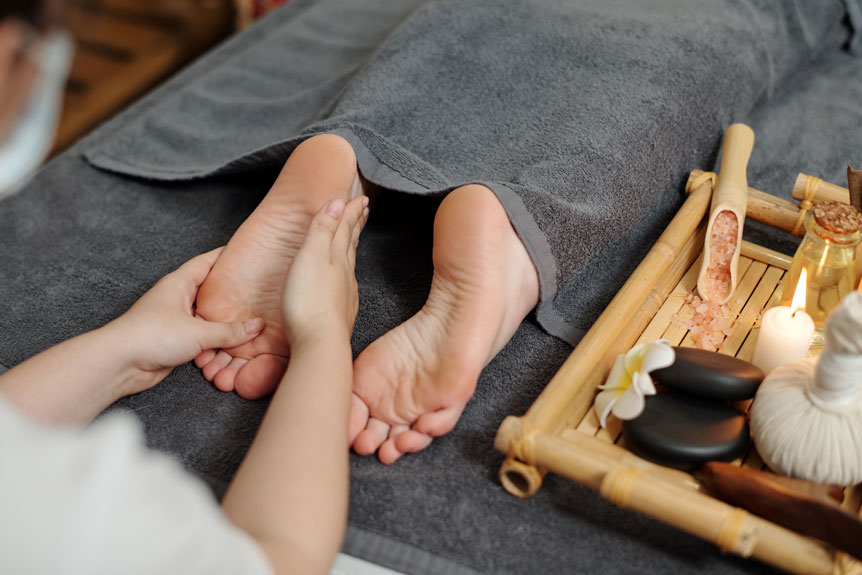
Pain relief is only one marker clients notice after a zone therapy session; sleep quality is another common and measurable outcome. At Spa & Massage, many clients report quicker sleep onset, fewer nocturnal awakenings, and deeper morning refreshment for one to three nights, with some experiencing a full week of steadier circadian rhythm.
Duration varies with baseline stress load, caffeine and alcohol intake, shift patterns, and comorbid insomnia or anxiety. Mechanistically, zone therapy may downshift sympathetic arousal, support parasympathetic dominance, and reduce somatic hypervigilance—changes that can persist beyond the treatment window.
Therapists advise hydration, a warm bath, low light, and gentle diaphragmatic breathing to consolidate the post-session parasympathetic state and protect intimacy with rest.
How Often Should You Book Zone Therapy to Maintain Results?
Often, ideal booking frequency to maintain zone therapy results is determined by symptom chronicity, baseline autonomic load (stress, sleep disruption), and the client’s recovery capacity rather than a fixed timetable.
In practice, Spa & Massage therapists often suggest weekly sessions for 3–6 weeks for persistent pain, anxiety, or insomnia, then taper to fortnightly as parasympathetic tone and symptom stability improve.
For maintenance, a 3–4 weekly cadence commonly sustains relaxation, circulation, and somatic awareness, while high-demand periods may warrant shorter intervals.
Clients with sensitised nervous systems may benefit from gentler, more frequent input to reduce flare-ups.
Session spacing is refined through outcome tracking: sleep latency, pain scores, HRV proxies, and post-treatment rebound.
Home aftercare—hydration, warm foot soaks, and breathwork—extends effects between visits.
Conclusion
It outcomes typically persist from several hours to a few days, extending with a structured treatment plan and appropriate aftercare. Like a thermostat resetting—rather than a switch flipping—its parasympathetic activation, circulatory effects, and neuromuscular down‑regulation may accumulate across sessions. Duration depends on baseline stress load, sleep debt, hydration status, activity levels, and adherence to rest. For sustained improvements in stress, pain modulation, and sleep quality, consistent scheduling and lifestyle congruence remain the most reliable predictors.