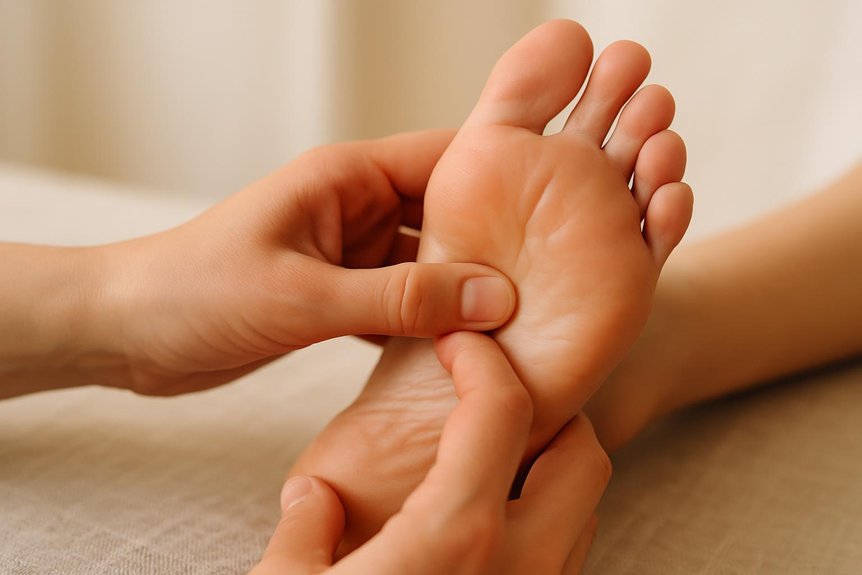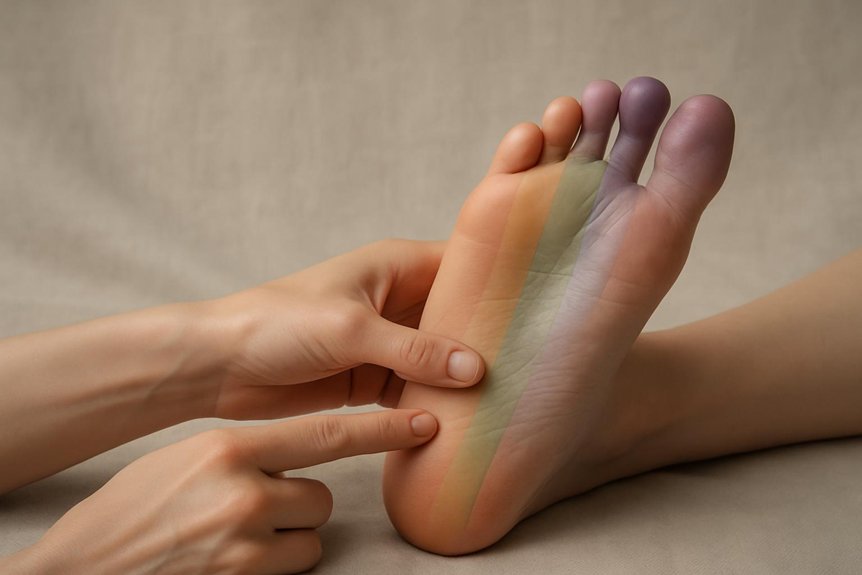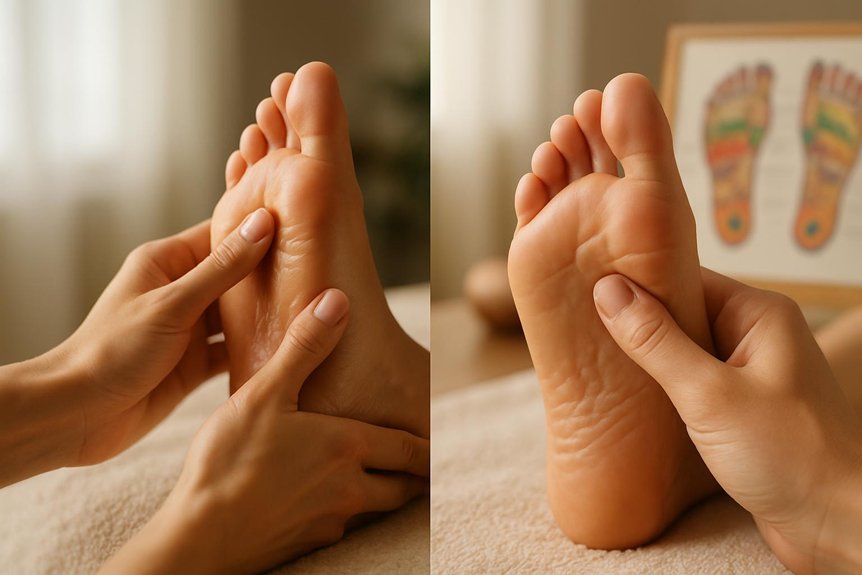
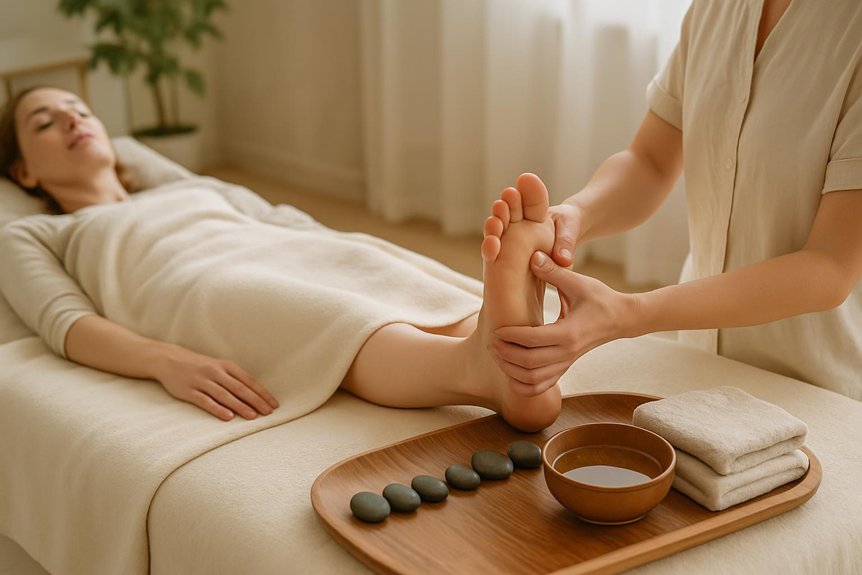
Most people need 4–8 zone therapy sessions to achieve measurable, sustained improvement, depending on symptom severity and how long benefits last between visits. Short-term stress, tension, or sleep disruption often responds within 4–6 weekly sessions, while persistent pain, migraines, digestive disturbance, or hormone-related symptoms may require 6–10 sessions before spacing out. Appointments usually start weekly, then shift to fortnightly as stability improves, with reassessment by session 3–6. The sections below explain what to expect and how plans are tailored.
How Many Reflexology Sessions Do You Need?
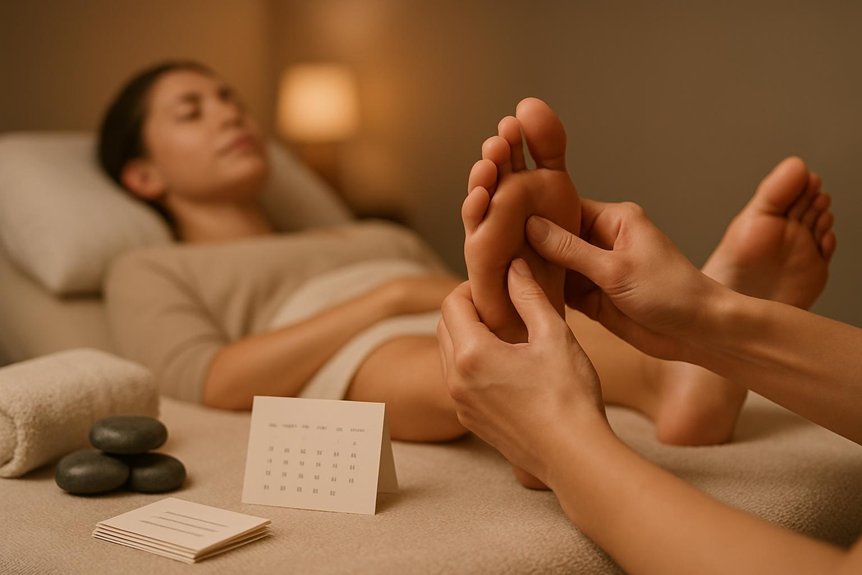
In clinical practice, the number of zone therapy sessions required depends on the client’s goals, symptom duration, and how the nervous system responds to treatment over time.
For short-term tension, sleep disruption, or stress-related symptoms, many clients do well with 4–6 sessions, typically weekly or fortnightly, to build a stable relaxation response.
For persistent pain, migraines, digestive disturbance, or hormonally linked symptoms, a plan of 6–10 sessions may be advised, then spacing to maintenance.
At Spa & Massage clinics across London, therapists reassess at each appointment, tracking symptom patterns, tenderness on reflex maps, and recovery between visits.
It is often discussed for its potential healing power and how it may support relaxation and wellbeing.
Treatment intensity and pacing are matched to comfort, allowing clients to feel held, safe, and listened to throughout.
What Can You Expect After One Zone Therapy Session?
After one zone therapy session, most clients notice a measurable shift in autonomic nervous system tone—typically felt as deep relaxation, reduced muscle tension, and steadier breathing—alongside more individual responses such as improved sleep onset, lighter headache pressure, or a calmer gut. In Spa & Massage clinics, therapists may also observe softened facial tension and warmer extremities, suggesting improved peripheral circulation.
For the next 24–48 hours, mild transient effects can occur: increased thirst, more frequent urination, light fatigue, or brief emotional release, consistent with downshifting stress physiology. Many clients report heightened body awareness and clearer boundaries around discomfort. Aftercare is simple: hydrate, eat gently, and avoid heavy exertion if the body feels tender. If symptoms intensify or feel unusual, clients are advised to seek medical guidance promptly.
What’s a Typical Zone Therapy Schedule (Weekly vs Fortnightly)?
At Spa & Massage clinics in London, a weekly zone therapy schedule is typically selected when clients are managing higher symptom burden, acute stress, or aiming for faster short-term change with consistent input.
Fortnightly sessions are often best suited to maintenance, stable goals, and integrating benefits between appointments without overloading the nervous system.
Frequency is then adjusted over time based on symptom tracking, recovery response, and client preference, with reviews used to step up during flare-ups or taper once outcomes stabilise.
Weekly Sessions: When To Choose
Often, a weekly zone therapy schedule is chosen when a client’s primary aim is to address an active issue—such as high stress load, sleep disruption, persistent fatigue, or an acute flare-up—where closer treatment spacing supports consistent symptom monitoring and faster adjustment of the treatment plan.
In Spa & Massage clinics, therapists may suggest weekly sessions for a short, focused phase (often 3–6 appointments) to build momentum and observe patterns in mood, sleep quality, pain sensitivity, and digestive comfort.
This frequency can be appropriate when a client feels “on edge” and wants steady, reassuring touch and regular check-ins.
Weekly care also supports practical home guidance between visits, such as hydration, gentle foot mobilisation, and paced breathing, to reinforce gains and reduce relapse risk during demanding periods.
Fortnightly Sessions: Best For
Fortnightly zone therapy is typically selected once symptoms are stable enough that weekly monitoring is no longer required, while still benefiting from regular input. It suits clients seeking ongoing support for stress regulation, sleep quality, persistent muscular tension, and digestive comfort, without the intensity of weekly appointments. A two-week rhythm also fits those balancing demanding schedules, travel, or childcare, yet wanting consistent, soothing touch and structured check-ins.
At Spa & Massage clinics across London, therapists often recommend fortnightly sessions for maintenance after an initial response to care, or when goals focus on resilience rather than rapid change. This cadence can help consolidate relaxation responses, reinforce self-care routines, and allow time to observe patterns between visits. It remains appropriate alongside other treatments, provided contraindications are reviewed.
Adjusting Frequency Over Time
Typically, zone therapy begins with weekly sessions to establish a baseline response and then shifts to fortnightly appointments once symptoms and goals become more stable.
At Spa & Massage clinics across London, therapists review sleep, stress load, pain patterns, and menstrual or digestive changes to guide timing.
Weekly care is often used for 3–6 sessions when a client wants steady regulation and a consistent, reassuring touchpoint.
Fortnightly schedules suit maintenance, preventing flare-ups while allowing time for the body to integrate changes.
Frequency is adjusted if progress plateaus, symptoms recur between visits, or lifestyle demands increase.
When stability is sustained, sessions may move to every 3–4 weeks, with occasional top-ups during high-pressure periods.
How Many Sessions Help Most With Stress and Sleep?
In practice, most clients seeking zone therapy for stress reduction and improved sleep notice the best results with a short initial course rather than a single session. At Spa & Massage clinics across London, therapists typically suggest 4–6 sessions, spaced weekly, to support nervous-system settling and consistent bedtime routines.
Many clients report earlier changes—such as reduced pre-sleep rumination and easier sleep onset—after 2–3 visits, with more stable sleep quality after the full course. For maintenance, a session every 2–4 weeks is often sufficient when stress is ongoing.
Outcomes are monitored through sleep diaries, perceived stress ratings, and day-to-day energy. Appointments are paced to feel safe and unhurried, encouraging relaxation, warmth, and a sense of being held throughout.
How Many Sessions Help With Pain and Tension?
Often, zone therapy for pain and muscular tension works best when delivered as a short, structured course that allows symptoms and triggers to be reassessed between visits.
For many clients, Spa & Massage therapists suggest 4–6 sessions, typically weekly or fortnightly, to observe changes in baseline discomfort, referred pain patterns, and stress-related guarding.
Noticeable easing can occur after 1–3 sessions, yet persistent neck, shoulder, jaw, or lower-back tension often responds better when treatment is repeated and adjusted as tenderness shifts across reflex zones.
If pain is acute or flare-based, 2–4 focused sessions may be sufficient, followed by maintenance every 3–6 weeks.
Clients are advised to monitor hydration, sleep, and movement after each visit, and report any sharp or worsening symptoms.
How Many Sessions Help Digestion or Hormone Symptoms?
For digestion- or hormone-related symptoms, Spa & Massage therapists typically suggest a short course of zone therapy, commonly 4–8 sessions, recognising that response varies by symptom pattern and contributing lifestyle factors.
For symptom relief, sessions are often scheduled weekly or fortnightly at first, then adjusted based on objective changes such as bowel regularity, bloating, sleep quality, cycle-related symptoms, and stress markers.
Progress is usually reassessed after 3–4 sessions to confirm benefit, refine the treatment plan, or advise appropriate onward medical review where symptoms persist or worsen.
Typical Session Range
How many zone therapy sessions are typically needed to influence digestion or hormone-related symptoms? At Spa & Massage clinics, many clients notice early shifts after 2–4 sessions, such as reduced bloating, steadier bowel habits, or improved sleep, which can support hormonal balance.
For more persistent concerns—PMS, perimenopausal discomfort, stress-linked digestive upset—a typical range is 6–8 sessions to assess meaningful, sustained change. Evidence suggests zone therapy may modulate autonomic nervous system activity and perceived stress, mechanisms relevant to gut motility and endocrine signalling, though responses vary.
Therapists document baseline symptoms and track changes in appetite, cramping, cycle regularity, and energy. If progress is limited by session 6, a treatment review is advised, including referral to a GP when appropriate.
Frequency For Symptom Relief
Session count sets expectations, while session frequency determines whether early gains in digestion or hormone-related symptoms consolidate into measurable relief.
For functional digestive complaints (bloating, sluggish bowels), Spa & Massage therapists often see clients benefit from 1 session weekly for 3–4 weeks, then spacing to every 2–3 weeks as symptoms settle.
For hormone-related symptoms (PMS, perimenopausal sleep disruption, cyclical mood changes), a steadier rhythm—weekly or fortnightly for 4–6 sessions—tends to support regulation, reflecting research that repeated sessions influence perceived stress and autonomic balance.
Sessions are typically 45–60 minutes, with pressure adjusted to comfort and emotional safety.
Many clients pair appointments with hydration, warm meals, and consistent sleep to reinforce changes and sustain calmer days.
When To Reassess Progress
After an initial treatment block, progress is typically reassessed at around 3–4 zone therapy sessions for functional digestive symptoms and 4–6 sessions for hormone-related concerns, as this timeframe is usually sufficient to detect stable changes beyond day-to-day fluctuation.
At Spa & Massage, therapists review stool pattern, bloating, reflux, appetite, sleep, stress load, and cycle-related symptoms using simple 0–10 ratings and brief notes between visits.
Reassessment also considers durability: improvements should persist for several days, not only immediately post-session.
If progress is clear, sessions may be spaced out and a maintenance plan agreed.
If change is partial, the focus is refined (e.g., relaxation response, pelvic tension, sleep) and frequency adjusted.
If symptoms worsen, persist, or include red flags, referral to a GP is advised.
Signs You Should Book More Zone Therapy Sessions
Often, the need for additional zone therapy becomes apparent when symptoms persist despite lifestyle adjustments, or when initial improvements plateau between appointments.
Common signs include recurring tension, sleep disruption, digestive discomfort, stress reactivity, or headaches returning within days of treatment. Clients may also notice reduced body awareness, shallow breathing, or difficulty “switching off” at night, indicating the nervous system has not yet stabilised.
If tenderness in key reflex zones remains high session to session, or if post-treatment ease fades quickly, closer spacing can help consolidate change.
At Spa & Massage clinics across London, therapists track symptom frequency, intensity, and recovery time, and may recommend a short series when clients seek deeper regulation, steadier mood, and a more connected sense of calm between visits.
When to Switch to Maintenance Zone Therapy Sessions
Maintenance zone therapy is typically appropriate once symptoms are consistently stable between appointments and improvements no longer depend on close session spacing.
Common indicators include fewer flare-ups, better sleep continuity, steadier mood, and predictable stress responses, with benefits lasting at least 10–14 days after treatment. Maintenance is also reasonable when a client’s self-care routine is consistent and triggers are understood, so sessions become preventive rather than corrective.
In Spa & Massage clinics, therapists often recommend extending intervals gradually (for example, from weekly to fortnightly, then every 3–4 weeks) while tracking comfort, energy, and tension patterns.
If intimacy and reassurance matter, maintenance offers regular, calming touch without over-treating, keeping the nervous system settled. A return of symptoms signals shortening intervals again.
How We Tailor Your Zone Therapy Plan at Spa & Massage
Stable symptom control and longer-lasting benefits between appointments provide the baseline for adjusting session frequency, but the treatment approach also needs to match the individual.
At Spa & Massage’s London clinics, therapists begin with a brief health history, current stress load, sleep quality, and any pain patterns, then agree clear goals and review contraindications.
Early sessions may be closer together to support regulation, then spacing is extended once responses are predictable. Pressure and pacing are tailored to preference and sensitivity, aiming for a grounded, safe experience rather than intensity.
Progress is tracked through client-reported outcomes (symptom severity, energy, mood, and sleep), with adjustments made session by session.
Aftercare is practical: hydration, gentle movement, and rest to consolidate effects.
Conclusion
Zone therapy session numbers vary by goal, symptom pattern, and individual response. Some clients report measurable changes after one treatment, while others benefit more from a short, structured course to consolidate effects. Weekly or fortnightly scheduling is often used initially, then adjusted based on sleep, stress markers, pain ratings, and functional improvement. Progress is reviewed between sessions and plans are refined accordingly. Over time, many shift to maintenance care, like calibrating an instrument for consistent performance.