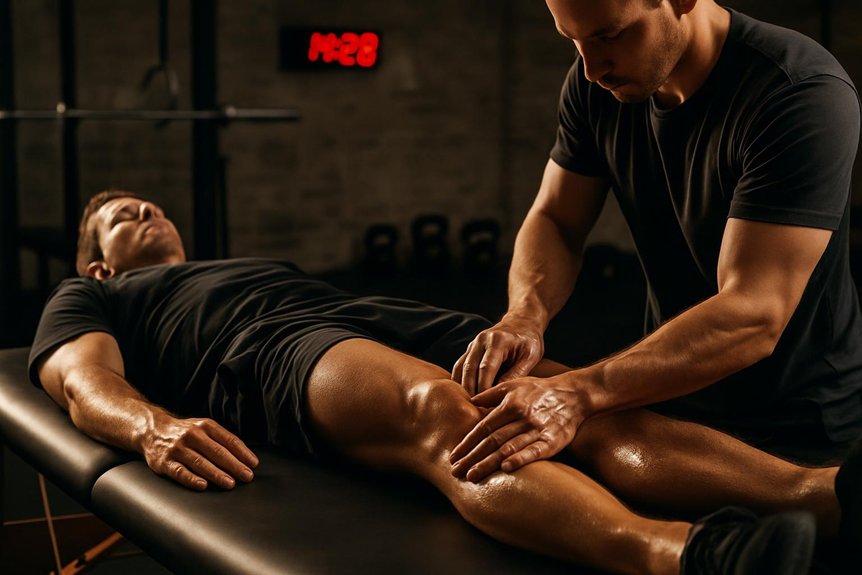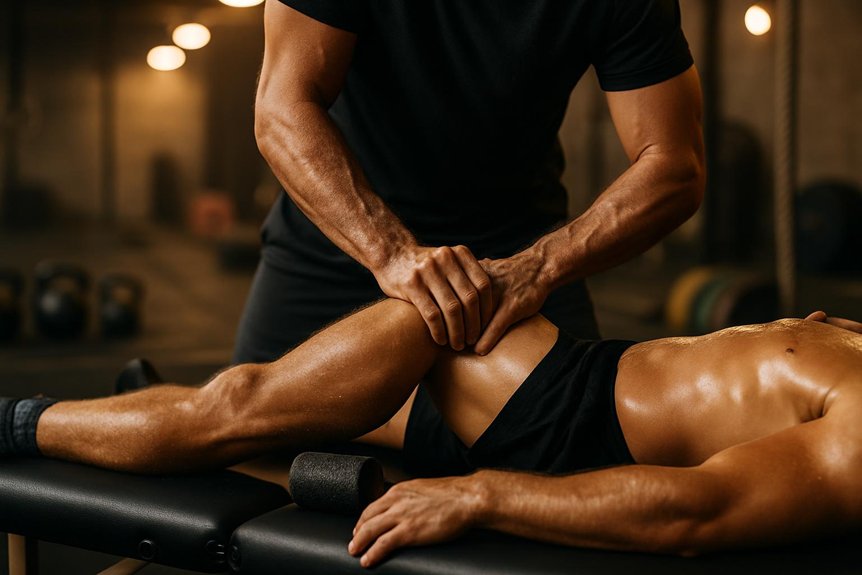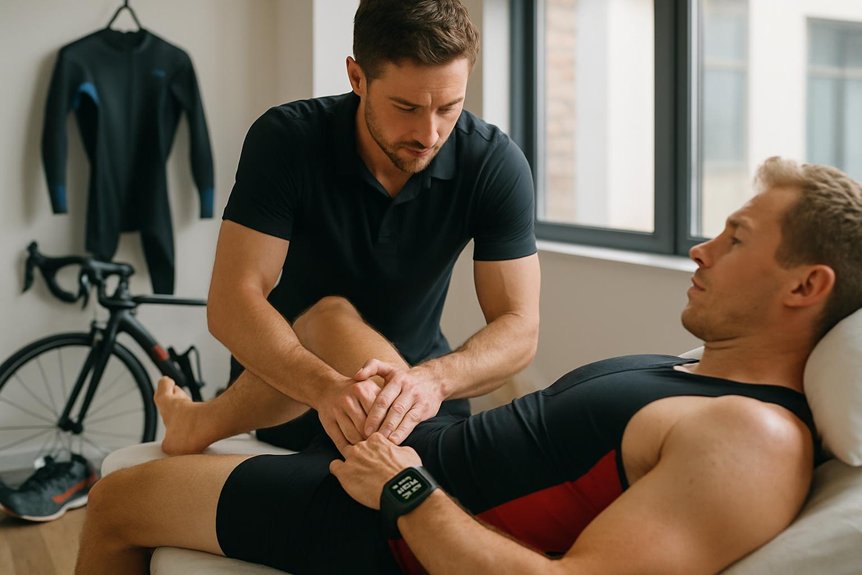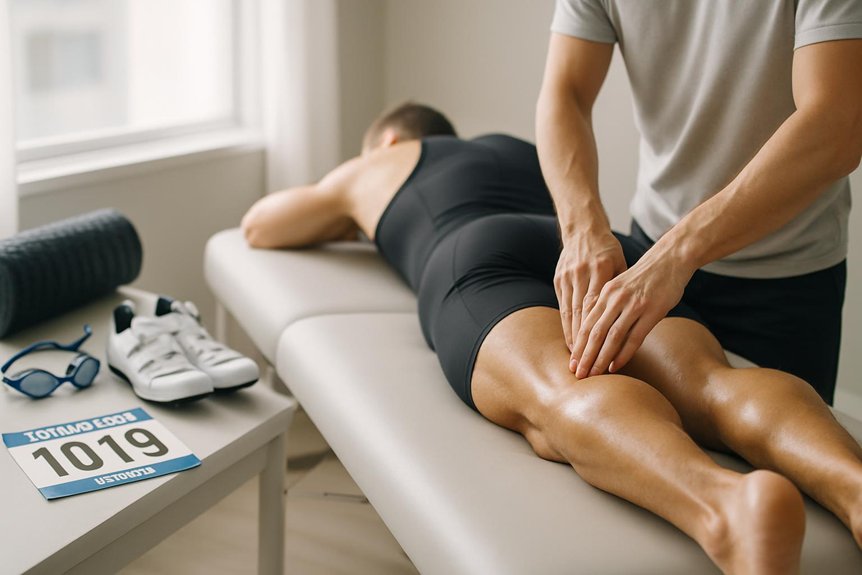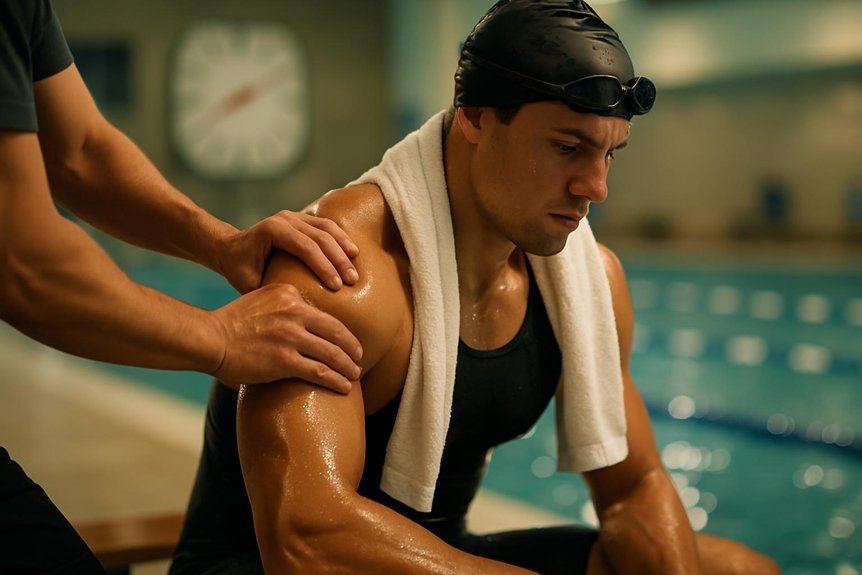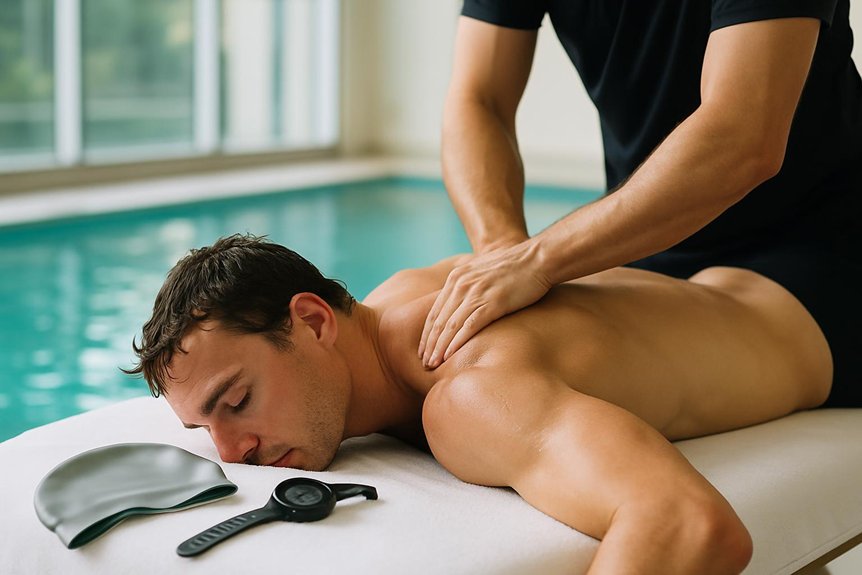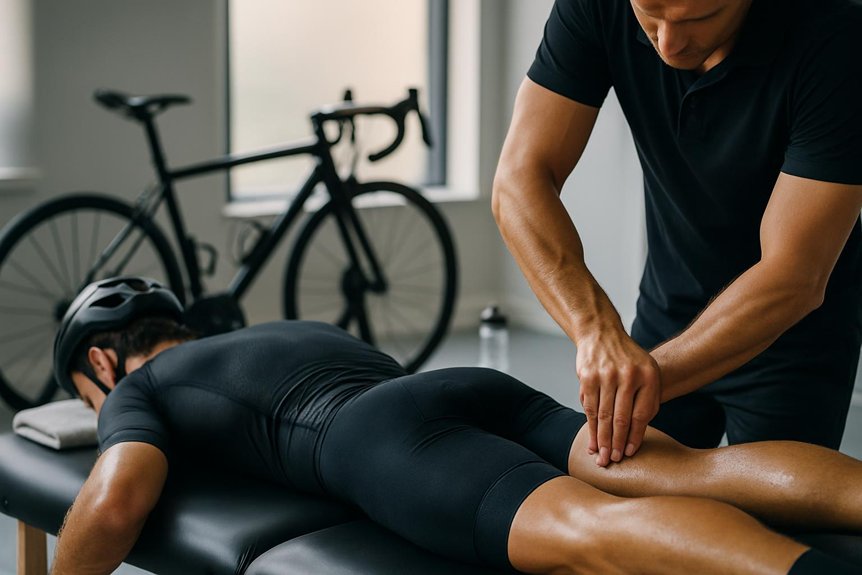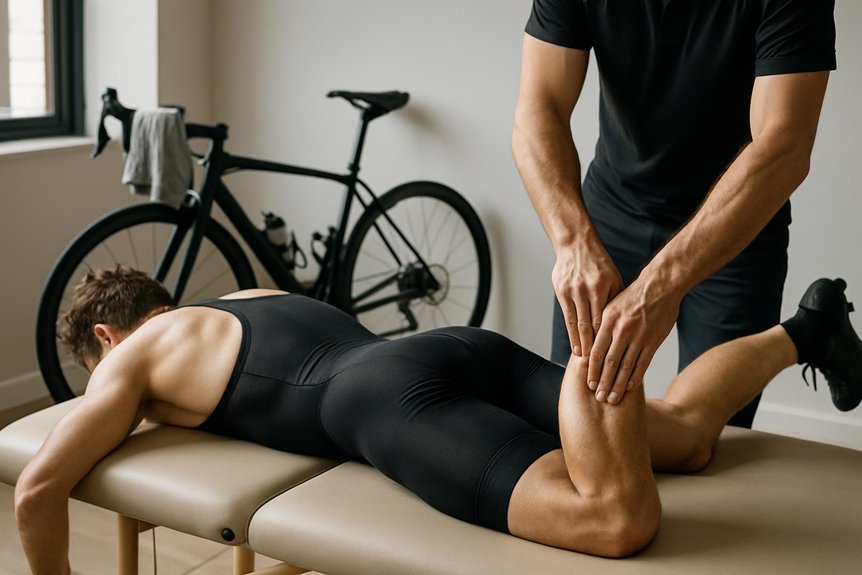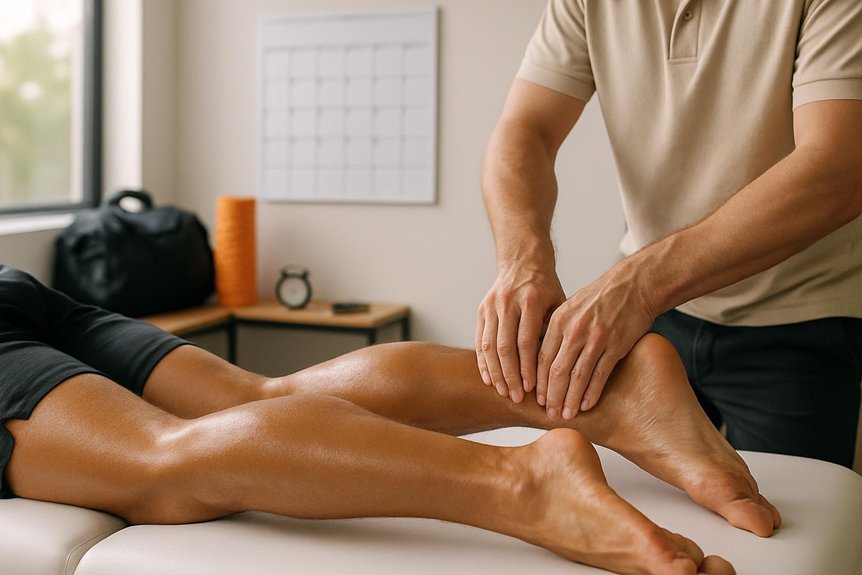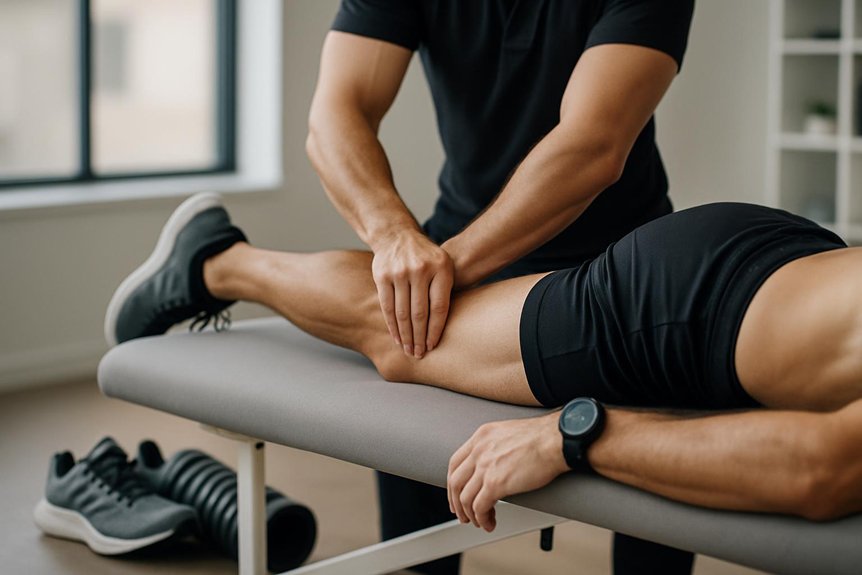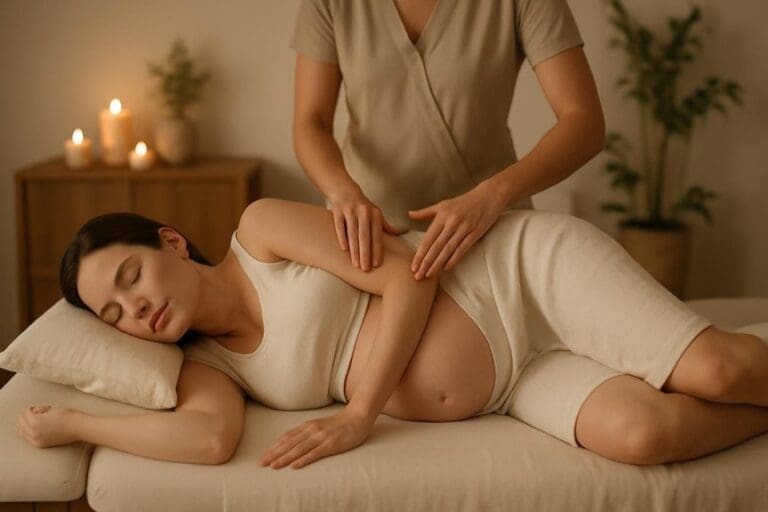
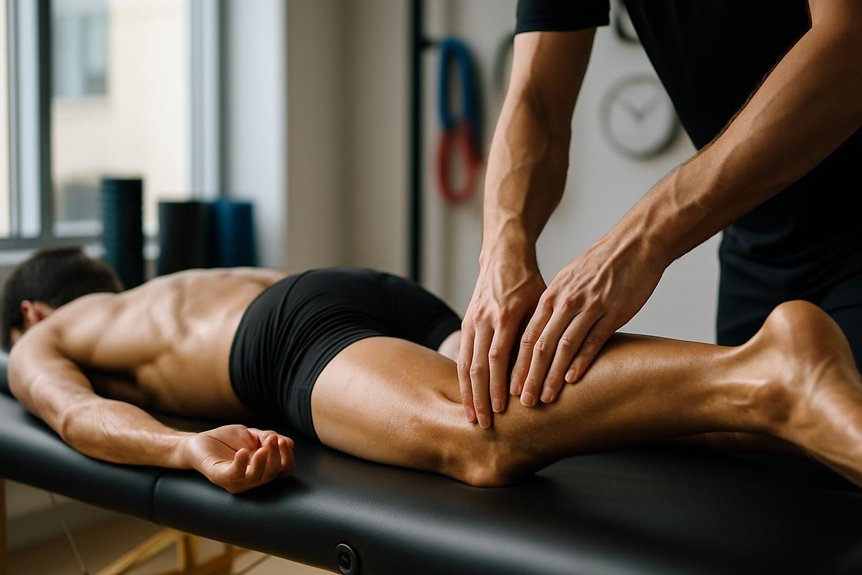
Most athletes do best with consistent sports massage rather than occasional “crisis” sessions: typically 45–60 minutes every 1–2 weeks to maintain tissue quality, reduce perceived soreness, and gain short‑term range‑of‑motion improvements. Weekly sessions suit high training minutes, congested fixtures, or heavy blocks, while steadier phases often work well fortnightly and off‑season may drop to every 3–4 weeks. Timing is usually 24–48 hours after hard sessions or 24–72 hours pre‑event, with lighter pre‑race techniques. The sections below explain how to adjust frequency to load and recovery markers.
How It Helps Recovery and Performance?
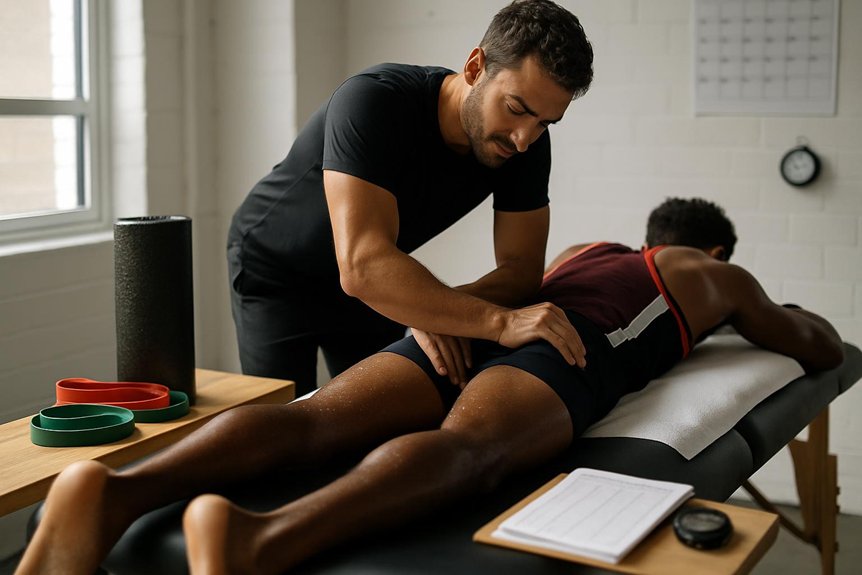
Often used as part of a structured training plan, athletic massage supports recovery and performance by applying targeted techniques—such as deep tissue work, myofascial release, and trigger point therapy—to reduce muscle tone, improve local circulation, and restore range of motion after load-intensive sessions.
Evidence suggests it can decrease perceived soreness and improve readiness by modulating pain, reducing protective guarding, and enhancing proprioceptive input.
In Spa & Massage clinics, therapists assess movement and palpate tissue quality, then apply slow, pressure-graded strokes along fascial lines and into hyperirritable points, followed by flushing techniques to encourage venous and lymphatic return.
For athletes, this can translate to cleaner stride mechanics, more comfortable breathing through the trunk, and steadier power output. Communication stays close: pressure is calibrated to “strong but safe,” keeping trust and comfort.
These are well-known benefits of sports massage for athletes when used consistently alongside training and recovery routines.
How Often Should Athletes Book Athletic Massage?
With recovery and performance benefits in place, the next question is dosage: how frequently athletic massage should be scheduled to match training load without adding unnecessary tissue stress. Evidence-informed practice typically supports regular, moderate sessions rather than sporadic “crisis” bookings.
For most athletes, a 60-minute athletic massage every 1–2 weeks maintains tissue quality and reduces perceived soreness; during peak blocks, weekly sessions can help manage tone and restore range. In deload or off-season periods, every 3–4 weeks may be sufficient.
Technique matters: therapists at Spa & Massage often blend targeted deep-tissue strokes, myofascial release, and gentle stretching, keeping pressure within a “productive discomfort” range so the nervous system can soften, not guard. Sessions are ideally timed 24–48 hours after hard training, or 3–5 days pre-event for freshness.
What Changes Your Ideal Massage Frequency?
Ideal athletic massage frequency changes with an athlete’s training load and performance goals, with higher-volume or higher-intensity phases often benefiting from more regular, technique-specific work such as deep tissue, trigger point, and myofascial release to manage tone and maintain range of motion.
Injury history also shifts the schedule, as recent or recurrent issues may require shorter-interval sessions focused on targeted tissue work around the affected structures, alongside evidence-based recovery planning.
At Spa & Massage clinics across London, therapists typically adjust timing and techniques based on objective signs—soreness patterns, movement restriction, and training demands—to keep treatment aligned with recovery and performance.
Training Load And Goals
In practical terms, athletic massage frequency shifts primarily with training load and the athlete’s goal—performance maintenance, adaptation, or recovery.
During peak weeks or double sessions, shorter, more frequent treatments (e.g., weekly or twice weekly) can reduce perceived soreness and maintain range of motion without blunting training stimulus. In deload phases, fortnightly sessions often suit tissue quality work and movement pattern resets.
Goal matters: pre-event work typically favours brisk, stimulating techniques—compression, tapotement, and fast effleurage—24–48 hours before competing, while heavy blocks respond better to slower deep tissue, myofascial release, and targeted trigger point work.
At Spa & Massage clinics, therapists modulate pressure and pacing to match training diaries, leaving the body feeling held, warm, and ready.
Injury History And Recovery
Training load sets the baseline, but previous injuries and current recovery status often determine whether athletic massage is best scheduled as preventive “maintenance” or as a more structured support alongside rehabilitation.
Athletes with a history of hamstring strains, Achilles tendinopathy, or recurrent low-back tightness often benefit from weekly or fortnightly sessions during heavy blocks, then tapering as tissues tolerate load. When symptoms flare, frequency may increase briefly, but pressure and technique should soften: slower myofascial work, graded trigger point release, and gentle cross-fibre friction around (not on) healing tissue, paired with guided breath to reduce guarding.
At Spa & Massage, therapists reassess pain, range, and post-session soreness to pace care. Afterward, hydration, light movement, and sleep protect gains.
How Often During Heavy Training Blocks?
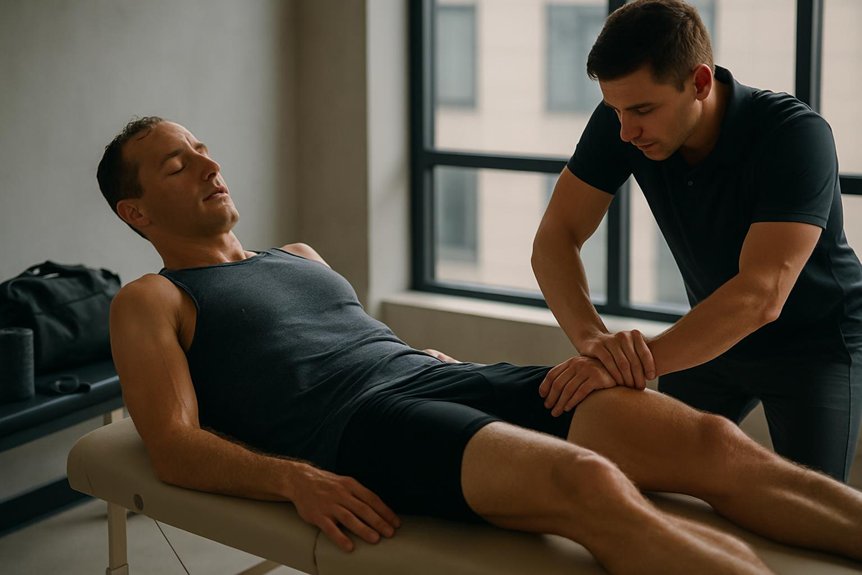
During heavy training blocks, athletes often benefit from increased athletic massage frequency to support recovery between high-load sessions, with techniques such as targeted deep tissue and compression selected based on the week’s mileage, intensity, and strength work.
At Spa & Massage clinics across London, therapists typically match treatment depth and focus to the current load—prioritising legs, hips, and back during peak volume, and shifting to lighter flush work when cumulative soreness is high. Fatigue warning signs such as persistent DOMS, declining performance, disturbed sleep, or elevated resting heart rate suggest the schedule should be adjusted and recovery prioritised.
Increase Frequency For Recovery
Often, heavy training blocks justify a short-term increase in athletic massage frequency to manage rising muscle tone, localised soreness, and cumulative fatigue—typically 1 session per week for most athletes, rising to 2 sessions per week when load, intensity, and recovery demands peak.
Evidence suggests massage can reduce perceived soreness and support relaxation, helping athletes sleep and settle the nervous system between hard sessions.
At Spa & Massage clinics across London, therapists often use slow, grounded deep-tissue strokes, cross-fibre friction, and precise trigger-point work to quiet protective guarding without leaving athletes feeling “worked over.”
Sessions are kept purposeful: 45–60 minutes, focusing on primary movers and overused lines of tension.
Gentle diaphragmatic breathing cues and light stretching finish the work, leaving the body soft, warm, and ready.
Match Treatment To Load
Periodise athletic massage alongside the training plan so tissue work supports performance rather than adding extra stress.
During heavy blocks, many athletes do best with shorter, more frequent sessions: 30–45 minutes once weekly, or every 5–7 days, focusing on high-load tissues (calves, quads, glutes, T-spine).
Evidence suggests massage can reduce perceived soreness and support range of motion; consequently techniques should stay performance-friendly: flush strokes, myofascial glides, and measured trigger-point work kept below “bracing” intensity.
At Spa & Massage clinics across London, therapists match pressure to the day’s session—lighter pre-key workout, deeper 24–48 hours after.
Targeted work on hip flexors, adductors, and plantar fascia can maintain stride comfort while preserving training quality.
Watch Fatigue Warning Signs
Tracking day-to-day readiness, athletes in heavy training blocks should increase athletic massage frequency only when clear fatigue markers appear—persistently elevated DOMS beyond 48 hours, a noticeable drop in range of motion, “heavy” legs that don’t lift after an easy session, disrupted sleep, or a rising resting heart rate.
When two or more signs cluster for several days, a short 30–45 minute session every 5–7 days typically supports recovery; if markers intensify, spacing can tighten to every 3–4 days for one to two weeks.
At Spa & Massage clinics across London, therapists prioritise technique selection: slow effleurage and lymphatic-style strokes to downshift the nervous system, targeted compressions and gentle stripping on calves, quads, and glutes, and light mobility work to restore comfortable range without provoking soreness.
Pressure stays “pleasantly deep,” never punitive.
How Often Should You Book Athletic Massage In-Season?
During the competitive season, athletic massage is typically booked every 1–2 weeks to support recovery without disrupting training adaptations. Frequency should align with load, travel, and match congestion: weekly sessions suit high minutes; fortnightly fits steadier blocks. Evidence supports massage for perceived soreness reduction and short‑term range‑of‑motion gains, helping athletes stay comfortable and consistent.
At Spa & Massage clinics across London, therapists use a targeted sports protocol: slow deep‑tissue strokes to reduce tone, trigger‑point release for stubborn hotspots, and myofascial techniques along calves, hip flexors, glutes, and thoracic spine. Pressure is kept “strong but safe,” avoiding bruising that could compromise performance. Aftercare is simple: hydrate, keep warm, and maintain gentle mobility work. If fatigue signs escalate, sessions may be shortened and more frequent.
Pre-Event Athletic Massage: 24–72 Hours Before?
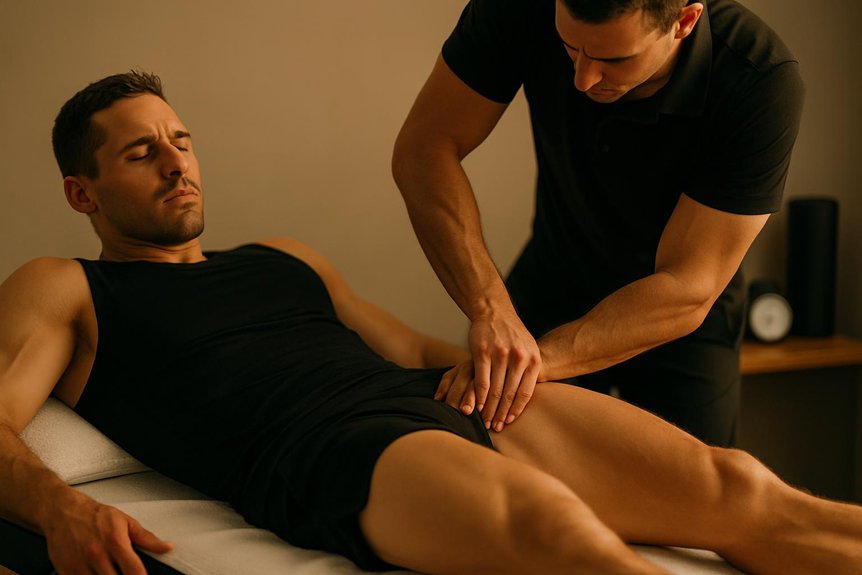
At Spa & Massage clinics across London, therapists commonly use brisk effleurage to warm tissue, compressions and rhythmic petrissage to increase local circulation, and brief trigger‑point holds only to “melt” protective tone, not chase pain.
Gentle myofascial gliding and joint mobilisations may restore easy range for stride and breathing.
Athletes are advised to hydrate, keep movement light, and notice a calm, grounded body.
Post-Event Athletic Massage: Same Day or 48 Hours?
After a race, match, or hard training block, post‑event athletic massage is usually most useful either within a few hours (for down‑regulation and fluid movement) or around 24–48 hours later (for deeper tissue work once acute soreness peaks).
Same‑day work should stay light: slow effleurage, gentle flushing, and diaphragmatic breathing cues to calm the nervous system and support lymphatic return, avoiding aggressive stripping on fatigued fibres.
At 24–48 hours, therapists can progress to firmer, technique‑specific work—myofascial release, trigger‑point compression, and longitudinal friction—guided by pain‑free ranges and athlete feedback.
At Spa & Massage clinics across London, many athletes choose unscented oil, warm towels, and unhurried pacing, finishing with compressions and mobility‑based aftercare to leave the body feeling held and responsive again.
Signs You Need Athletic Massage More Often?
Timing matters post‑event, yet the bigger driver of performance and recovery is whether tissue load is routinely outpacing the body’s ability to adapt between sessions.
Signs massage may be needed more often include persistent “heavy” limbs, morning stiffness lasting beyond warm‑up, and localised tenderness that returns within 48–72 hours after training.
A growing reliance on longer warm‑ups, reduced range of motion, or recurring niggles around tendon insertions can indicate elevated tone and poor slide between tissues.
Training data may show the same session producing higher soreness, slower repeat‑sprint times, or disrupted sleep.
At Spa & Massage clinics, therapists use targeted deep tissue strokes, myofascial release, and trigger‑point work to restore glide and reduce protective guarding when these patterns appear.
How to Agree an Athletic Massage Plan With Your Therapist?
Often, the most effective athletic massage plan is agreed by aligning the athlete’s training load and competition calendar with a clear clinical baseline, then selecting techniques and session frequency to target the limiting tissues.
A therapist should first map pain, tone, tenderness, and range of motion, then agree measurable goals: quicker recovery, reduced DOMS, or improved stride and lift.
In Spa & Massage London clinics, plans commonly blend deep tissue and sports-specific work: slow myofascial release for restricted fascia, trigger point therapy for referral patterns, and flushing strokes pre-event for readiness.
Frequency is then periodised—weekly in heavy blocks, tapering near races, and spaced for maintenance.
The athlete should give honest feedback on pressure, soreness window, sleep, and training response, refining the plan together.
Conclusion
Is the “more massage equals better performance” theory actually true? Evidence and clinical experience suggest benefits are dose‑dependent: targeted work (effleurage for circulation, petrissage for tone, myofascial and trigger‑point techniques for stiffness) can support range of motion and perceived recovery, but excessive pressure or frequency may aggravate fatigue in heavy blocks. Most athletes do best with periodised scheduling—pre‑event lighter sessions, post‑event recovery work, and maintenance between—adjusted to symptoms, load, and tissue response.