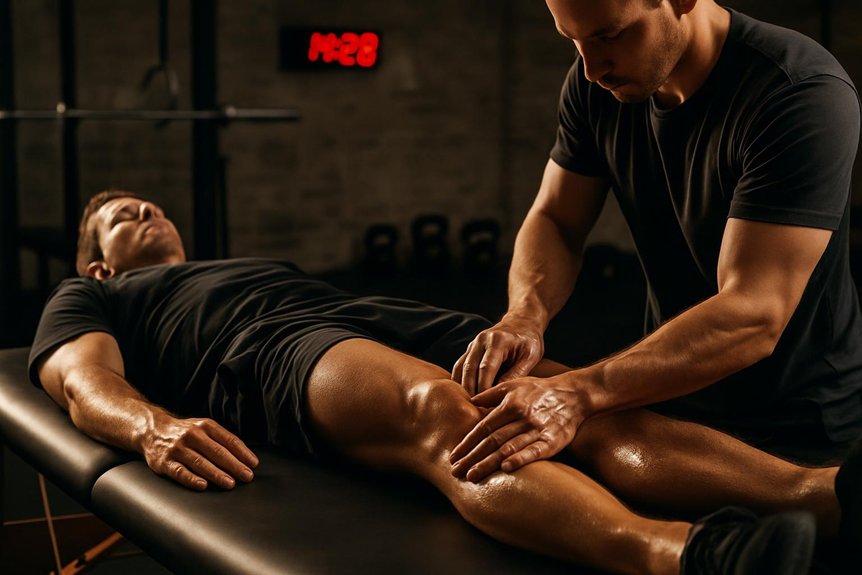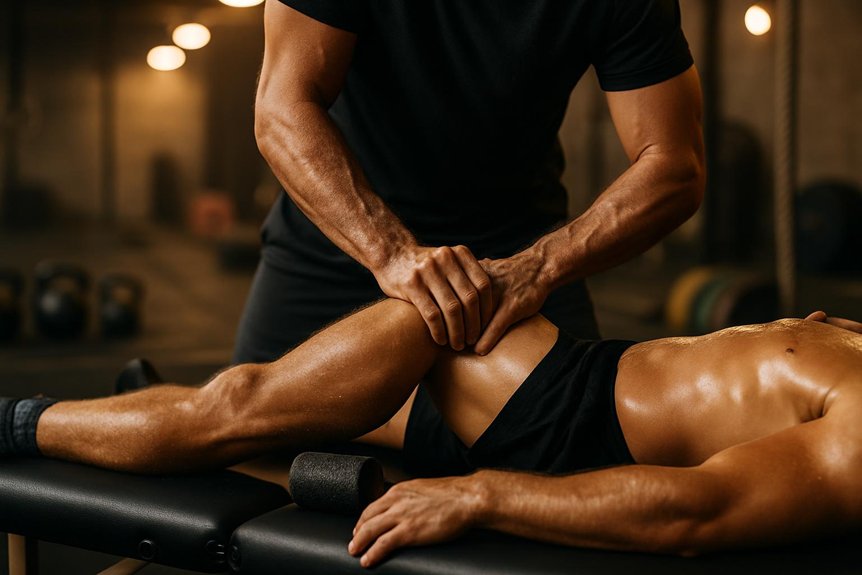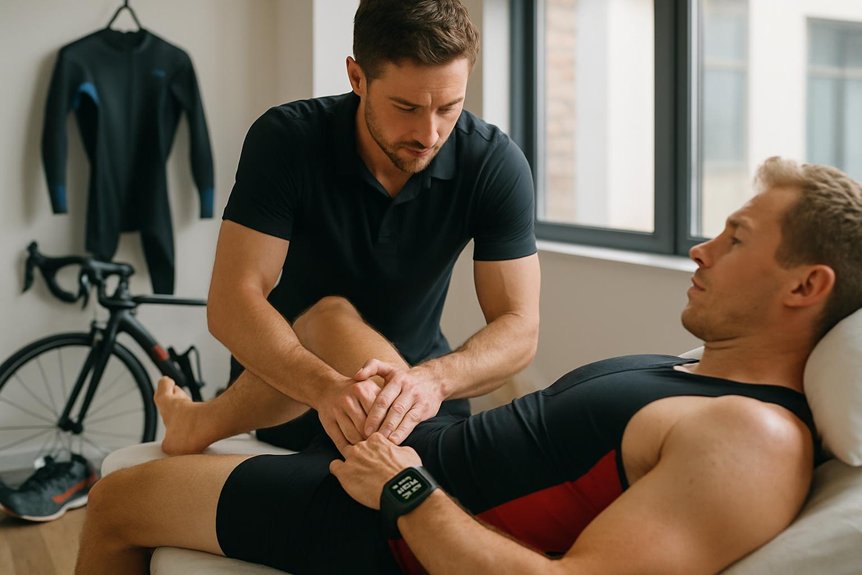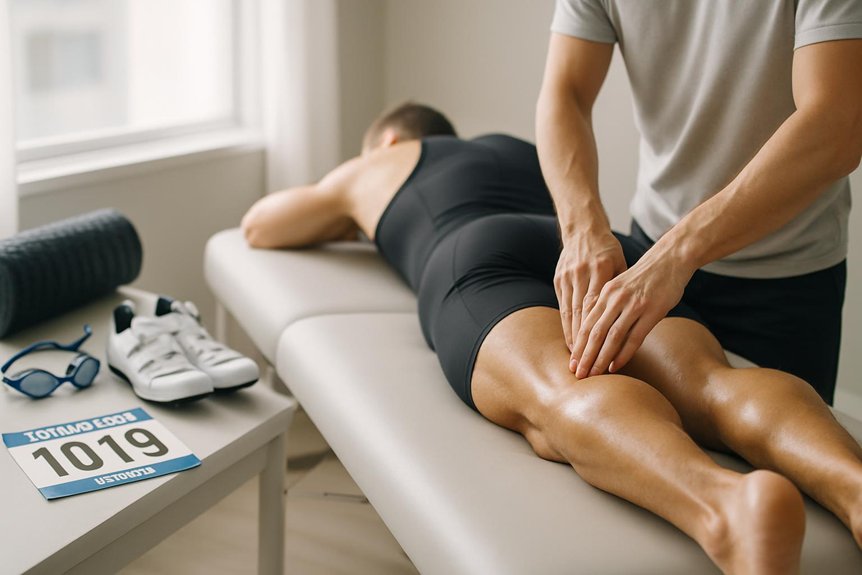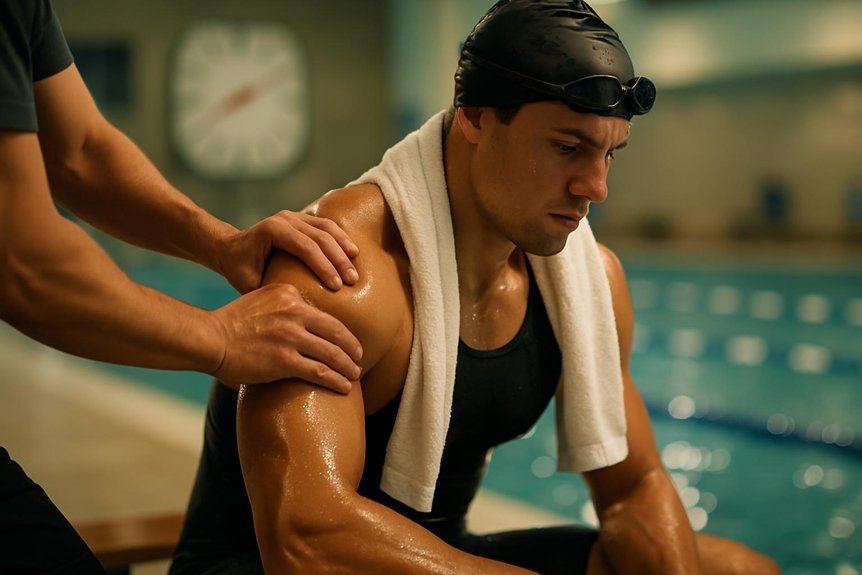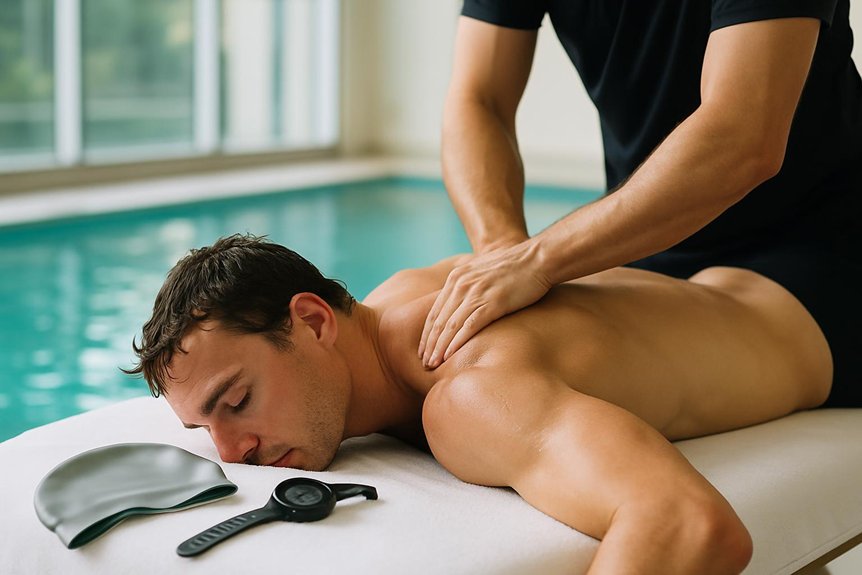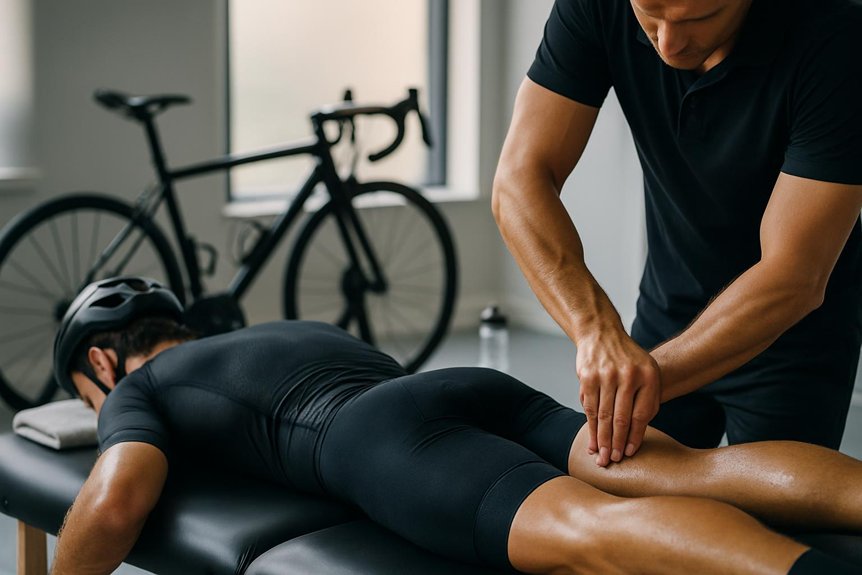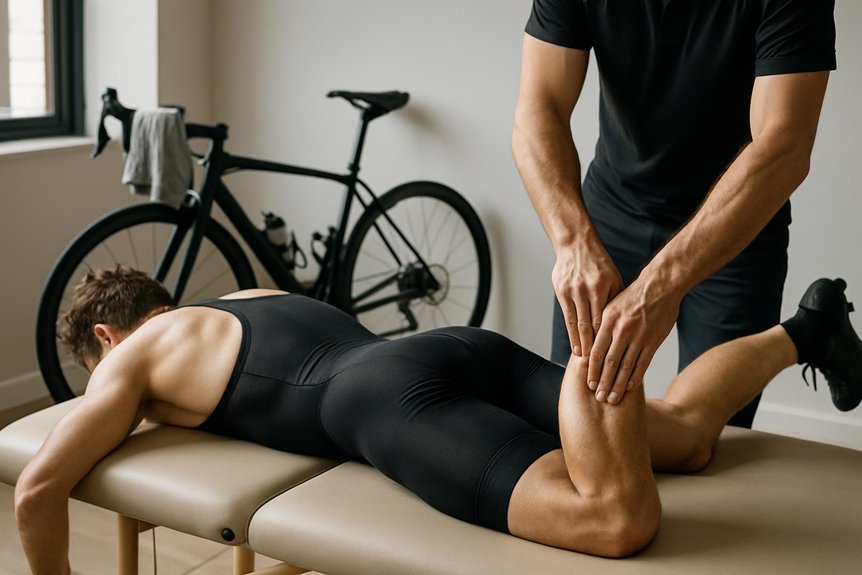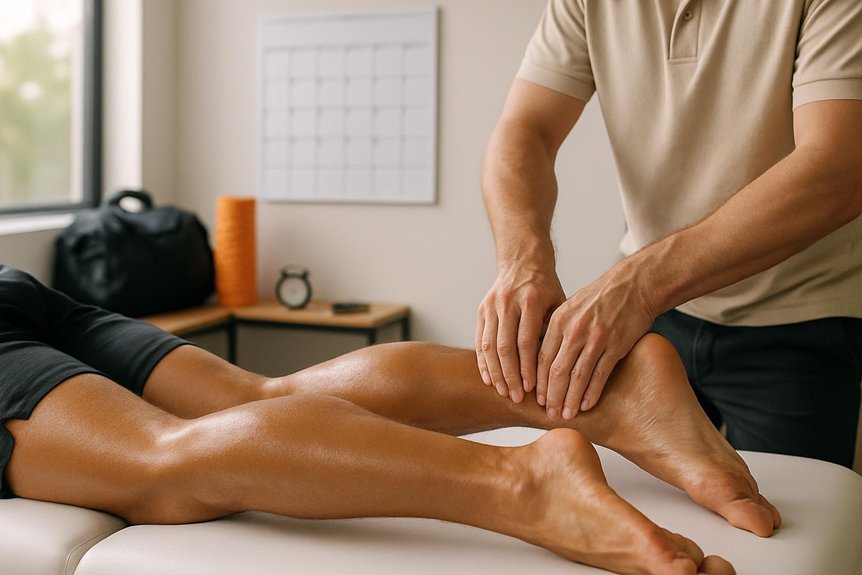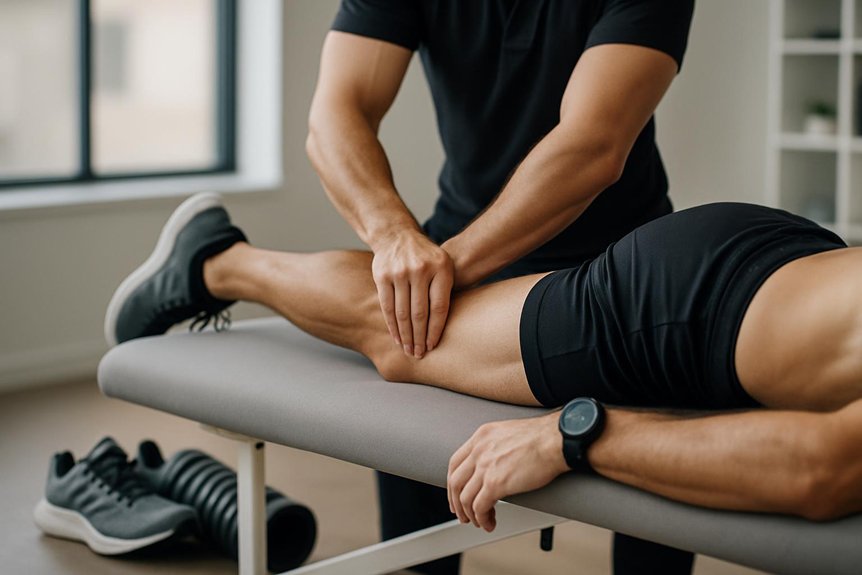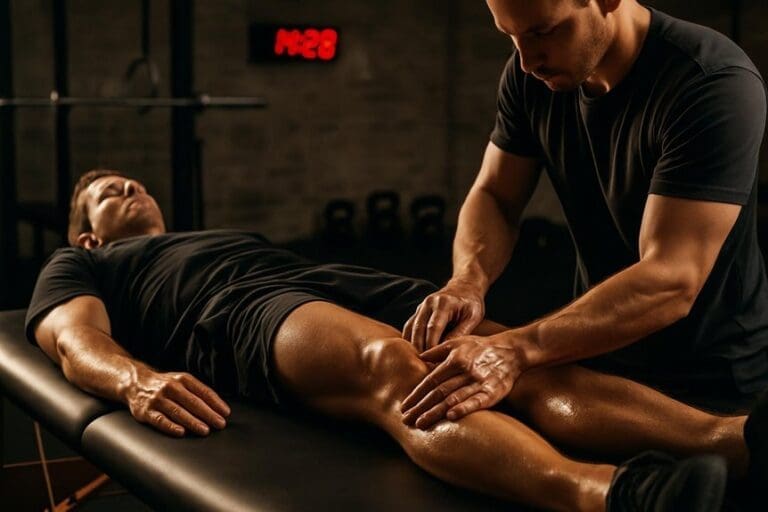
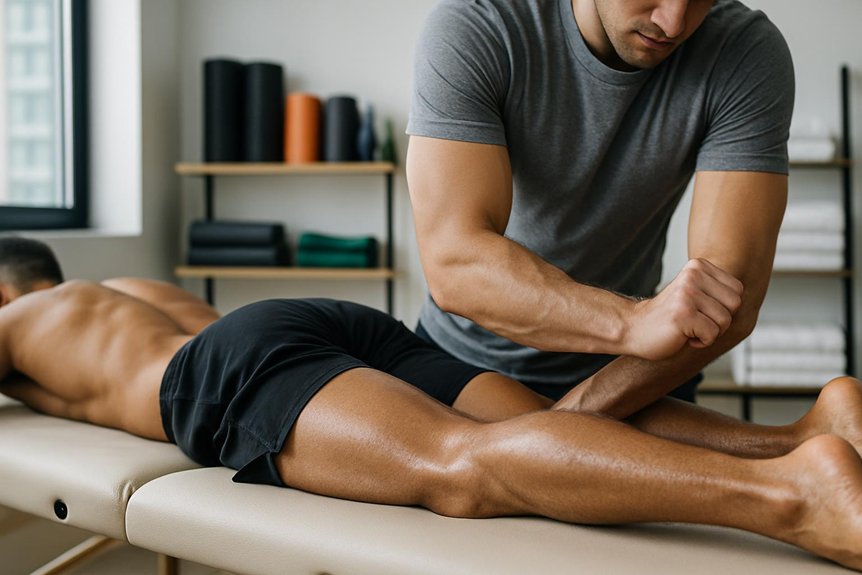
Maintenance athletic massage is a planned, ongoing treatment used to support training consistency by reducing predictable muscle tightness, maintaining joint mobility, and managing early overuse signs. It applies measured deep-tissue and sports techniques within safe, tolerable discomfort limits, with continuous consent and feedback. Evidence suggests it can reduce perceived DOMS and provide short-term range-of-motion gains. Sessions target tissue tone, glide, and a calm, ready-to-train feel, with scheduling adjusted to the training cycle. More detail on timing, techniques, and aftercare follows.
What Is Maintenance Athletic Massage?
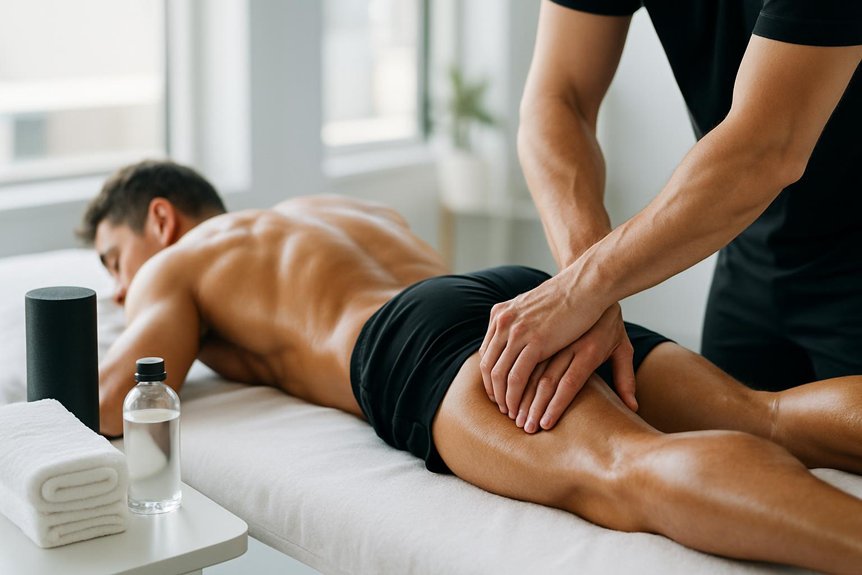
In practical terms, maintenance athletic massage is a planned, ongoing form of athletic massage used to support an athlete’s training consistency by addressing minor muscle tightness, movement restrictions, and early signs of overuse before they become performance-limiting injuries.
It typically sits between harder sessions, aiming to keep tissues supple, joints moving well, and perceived soreness manageable without overstressing recovery.
At Spa & Massage clinics in London, therapists assess comfort, training load, and tenderness, then apply measured deep tissue and sports techniques—such as myofascial release, trigger point work, and assisted stretching—within safe pain limits and with ongoing consent.
Evidence suggests massage can reduce DOMS perception and improve short-term range of motion.
As part of the broader benefits of sports massage for athletes, it can also support recovery between training sessions by helping manage muscle tightness and maintaining movement quality.
Aftercare includes hydration, gentle mobility, and monitoring symptoms that warrant medical advice.
Who Is Maintenance Athletic Massage Best For?
Maintenance athletic massage is best suited to people who train regularly and want to stay ahead of predictable tightness and overuse patterns rather than wait for pain to force time off.
It suits runners, cyclists, strength trainees, dancers, and team-sport athletes whose workloads create recurring hot spots in calves, hips, hamstrings, shoulders, or lower back.
It also helps desk-based Londoners who train before or after work and notice stiffness limiting range and technique.
At Spa & Massage, therapists tailor pressure, pace, and positioning to current training load, prioritising comfort, informed consent, and clear feedback throughout.
It is appropriate when someone wants better recovery, easier movement, and a calm, focused reset, and when there are no red-flag symptoms requiring medical assessment first.
Maintenance vs Rehab Athletic Massage: What’s the Difference?
Maintenance athletic massage is typically scheduled proactively to support training load and reduce the risk of overuse issues, whereas rehab athletic massage is timed around pain, injury, or post-acute recovery with clear clinical goals.
At Spa & Massage clinics across London, therapists differentiate them through structured assessment and athlete-appropriate techniques—maintenance prioritising tissue tone and mobility, rehab using more targeted work within safe pain limits and, when needed, referral to medical care.
Recovery is then monitored with practical progress tracking (pain, range of motion, and training tolerance) so each session can be adjusted to keep the athlete progressing safely.
Purpose And Timing
Two distinct goals separate athletic massage into maintenance and rehabilitation work: optimising performance in otherwise healthy, training bodies versus supporting recovery when pain, tissue irritation, or reduced function is already present.
Maintenance sessions are timed proactively—often weekly to monthly—around training load, travel, and competition, aiming to reduce perceived soreness, maintain range of motion, and help athletes feel confidently “in” their bodies.
Rehabilitation-focused sessions are scheduled reactively, typically sooner after symptom onset, and coordinated with medical or physiotherapy advice when red flags exist.
In Spa & Massage London clinics, therapists encourage athletes to book maintenance work 48–72 hours after hard sessions or during deload weeks, while avoiding aggressive treatment immediately pre‑event.
When pain is sharp, progressive, or neurologic, referral is prioritised.
Assessment And Techniques
In clinical practice, the difference between maintenance and rehabilitation athletic massage starts with assessment: symptom behaviour, training load, tissue sensitivity, range of motion, strength tolerance, and any red flags that warrant referral. Maintenance targets normal training soreness and mild restriction; rehab addresses pain-limited function, irritability, and suspected tissue overload.
At Spa & Massage clinics across London, maintenance sessions typically use moderate-pressure effleurage, compression, and targeted deep tissue or myofascial techniques to reduce tone and improve glide without provoking symptoms.
Rehabilitation work is more dosage-controlled: shorter bouts, gentler pressure, and graded trigger point or friction techniques where tolerated, often paired with positional release and careful mobilisation. Communication is continuous, using clear consent and comfort check-ins so athletes feel held, safe, and listened to throughout.
Recovery And Progress Tracking
Over the days following a session, recovery and progress tracking distinguish maintenance athletic massage from rehabilitation work by focusing either on readiness to train or on measurable symptom change and functional tolerance.
In maintenance care, athletes commonly monitor next-day soreness, sleep quality, and perceived muscle “ease,” aiming for consistent training load without flare-ups; progress is reflected in smoother warm-ups and stable range of motion.
In rehab-focused massage, tracking is tighter: pain scores, swelling, tissue irritability, and performance of specific tasks (e.g., single-leg squat) are reviewed against agreed milestones, with referral advised if red flags appear.
At Spa & Massage clinics across London, therapists encourage a brief post-session log, hydration, and gentle mobility, and adjust pressure to protect healing tissue.
How Often Should You Book Maintenance Athletic Massage?
Often, the right maintenance athletic massage schedule depends on training load, recovery capacity, and injury history rather than a fixed calendar interval.
For most recreational athletes, booking every 3–6 weeks can help manage accumulated tension and support consistent movement quality. During peak training, competitions, or heavy strength blocks, weekly or fortnightly care may be appropriate, while lower-load phases often suit monthly visits.
Evidence-informed practice prioritises symptoms: rising soreness, reduced range of motion, persistent “tight” spots, or declining performance can justify earlier sessions. Safety-minded planning also considers recent strains, joint irritation, and sleep or stress levels; massage should not replace medical assessment for sharp pain or swelling.
At Spa & Massage London clinics, therapists collaboratively review goals and adjust frequency to keep work effective, comfortable, and respectfully close.
What Happens in a Maintenance Athletic Massage Session?
In a maintenance athletic massage session at Spa & Massage, the therapist begins with goal setting and a brief assessment of training load, symptoms, and any relevant medical history to guide safe, athlete-specific decisions.
Targeted hands-on techniques are then applied to priority areas to reduce excessive muscle tension, support range of motion, and address early signs of overuse while staying within the client’s comfort and tissue tolerance.
The session concludes with practical aftercare (hydration, movement, and training modifications where appropriate) and an evidence-informed plan for scheduling the next visit to match the athlete’s routine and recovery needs.
Goal Setting And Assessment
Before any hands-on work begins, a maintenance athletic massage session at Spa & Massage starts with clear goal setting and a brief assessment to match treatment to the athlete’s current training load, recent symptoms, and upcoming events.
The therapist asks focused questions about pain patterns, stiffness, sleep, stress, recovery strategies, and any changes in mileage, lifting, or competition schedule.
Consent and comfort preferences are confirmed, including areas to avoid, preferred draping, pressure boundaries, and how the client wants to communicate during the session.
A short visual and movement screen may follow to note posture, range of motion, and irritability of tissues.
Where red flags appear (e.g., swelling, numbness, acute injury, fever), the session is adapted or referral advised for safety.
Targeted Hands-On Techniques
With the assessment complete, the hands-on phase of a maintenance athletic massage at Spa & Massage uses targeted, sport-specific techniques to address the tissues most stressed by current training. Therapists blend slow deep-tissue strokes, myofascial release, and precise trigger-point pressure to reduce tone and restore glide without overworking sensitised areas.
When appropriate, gentle stretching and assisted range-of-motion work support joint mechanics and neuromuscular control. Pressure is progressed carefully, guided by breath, feedback, and tissue response, keeping discomfort within a safe, tolerable range.
For runners, work may focus on calves, hamstrings, hip flexors, and feet; for lifters, on lats, pecs, forearms, and glutes. The session aims to leave the body calm, connected, and ready to train.
Aftercare And Scheduling
Often, the final minutes of a maintenance athletic massage at Spa & Massage shift from tissue work to practical aftercare and a clear plan for the next session, aiming to consolidate gains in mobility and comfort while minimising post-treatment soreness.
Therapists advise steady hydration, a gentle walk, and light stretching within a pain-free range, avoiding heavy training for 12–24 hours if tenderness develops.
Heat or ice may be suggested based on symptom pattern and training load.
In keeping with safer practice, clients are asked to monitor bruising, unusual swelling, or nerve-like symptoms and to seek medical advice when appropriate.
Scheduling is matched to the athlete’s cycle: weekly during high volume blocks, then every 2–4 weeks for upkeep, refining goals and pressure each visit.
Maintenance Athletic Massage Aftercare (Next 24–48 Hours)
Usually, the next 24–48 hours after a maintenance athletic massage are when athletes notice the clearest changes in muscle tone, range of motion, and delayed-onset soreness, so aftercare should prioritise recovery and tissue adaptation rather than pushing intensity.
Spa & Massage therapists advise gentle movement (easy walking, light mobility, breathing-led stretches) to keep tissues supple without re-irritation.
Hydration and balanced meals support circulation and glycogen restoration; alcohol is best limited.
Training can continue, but intensity should be reduced if tenderness rises above mild, or if joint pain appears.
Heat may soothe general tightness, while brief cold can calm focal irritation; avoid aggressive self-massage directly over bruised areas.
If symptoms escalate, numbness occurs, or function drops, athletes should pause and seek clinical guidance.
Conclusion
Maintenance athletic massage can be viewed as tending a well-used bicycle: small adjustments prevent a wobble becoming a crash. By addressing early tightness and movement restrictions, it supports circulation, preserves range of motion, and helps athletes train more consistently between hard sessions and daily stress. Bookings are typically guided by training load and symptoms, not guesswork. With qualified assessment and sensible aftercare, maintenance work prioritises performance and safety—keeping the system efficient before minor strain escalates.