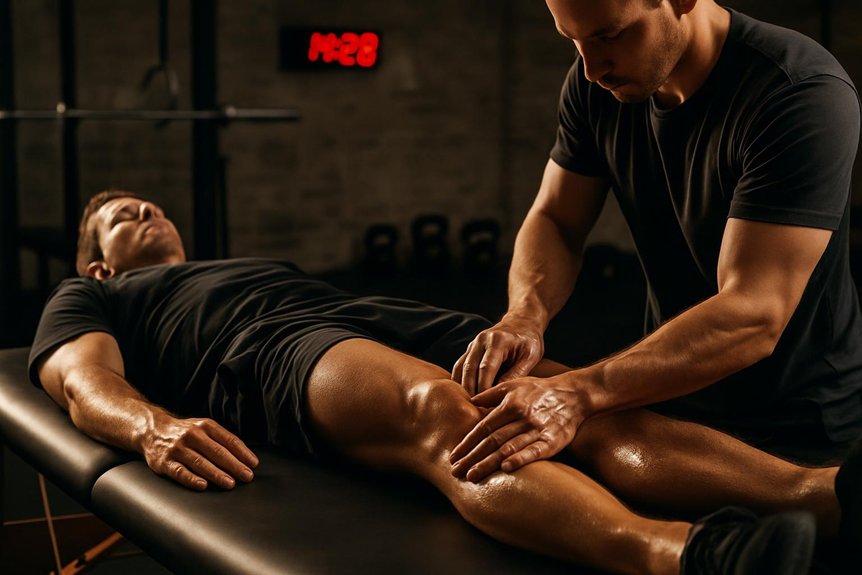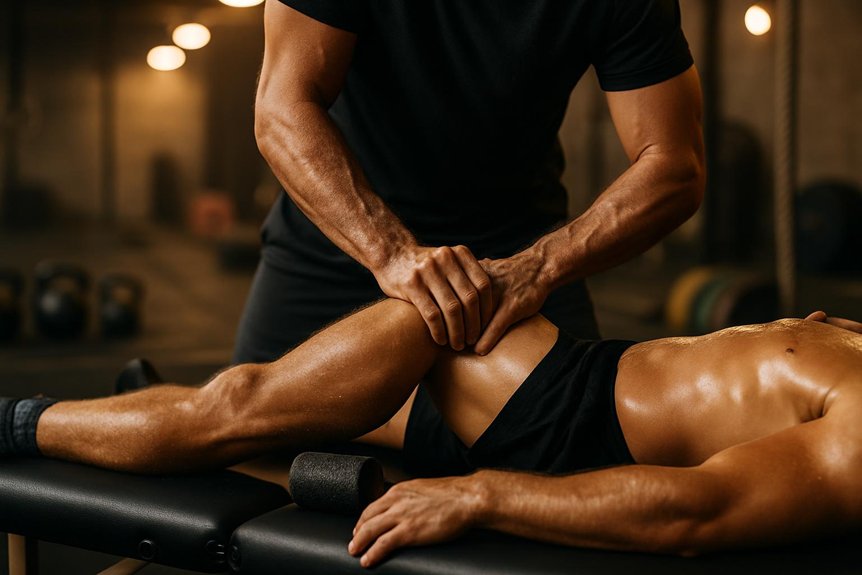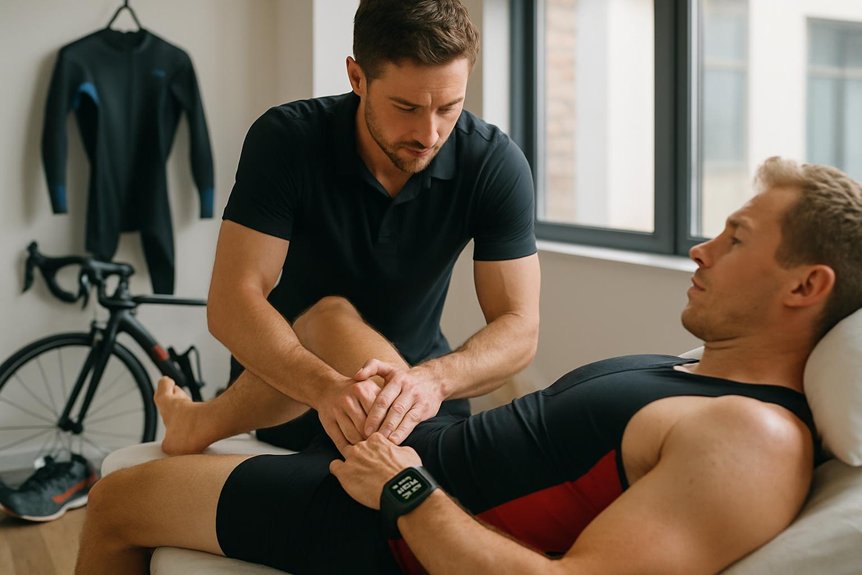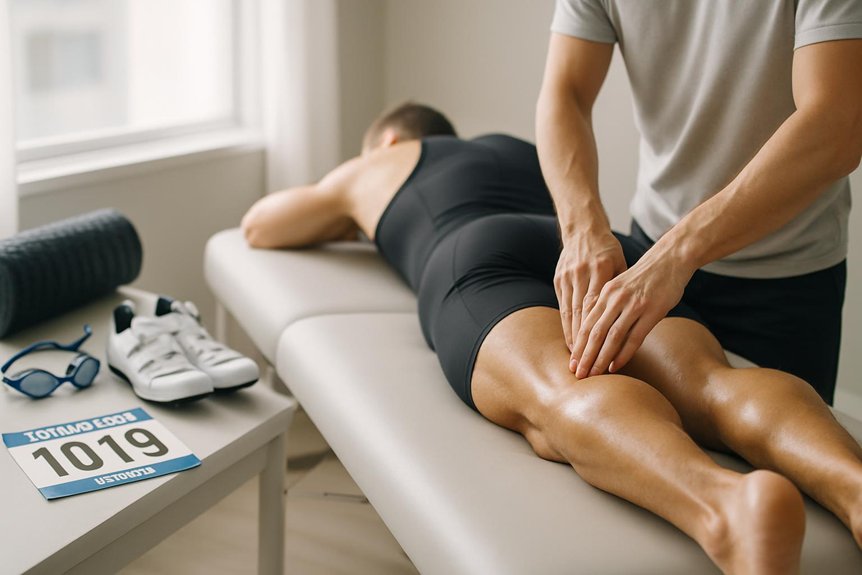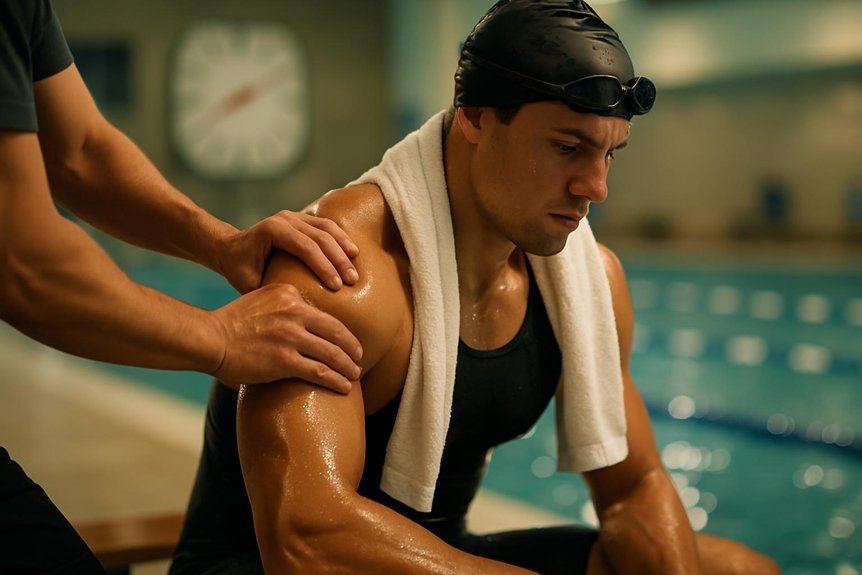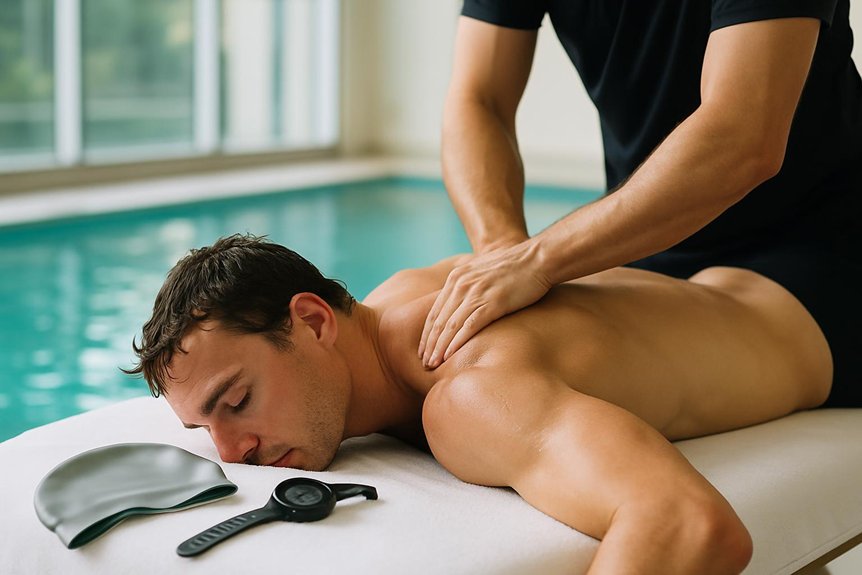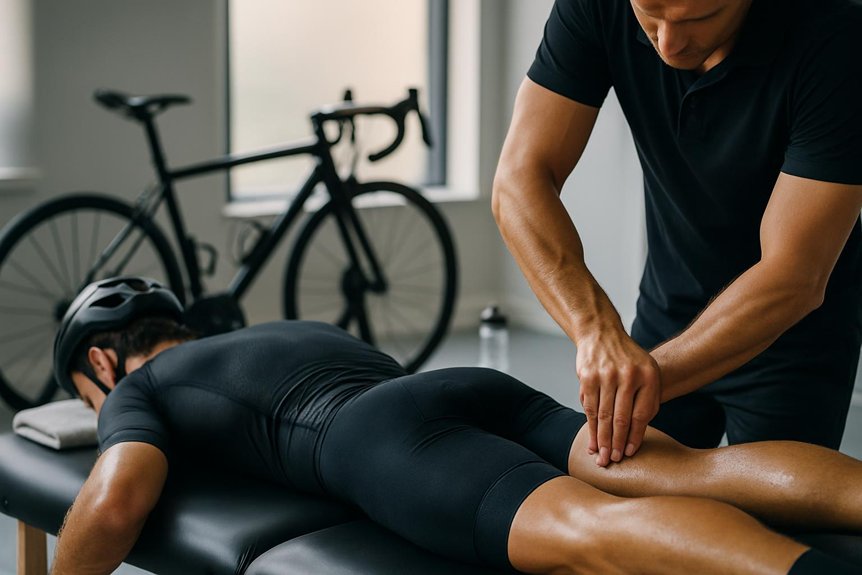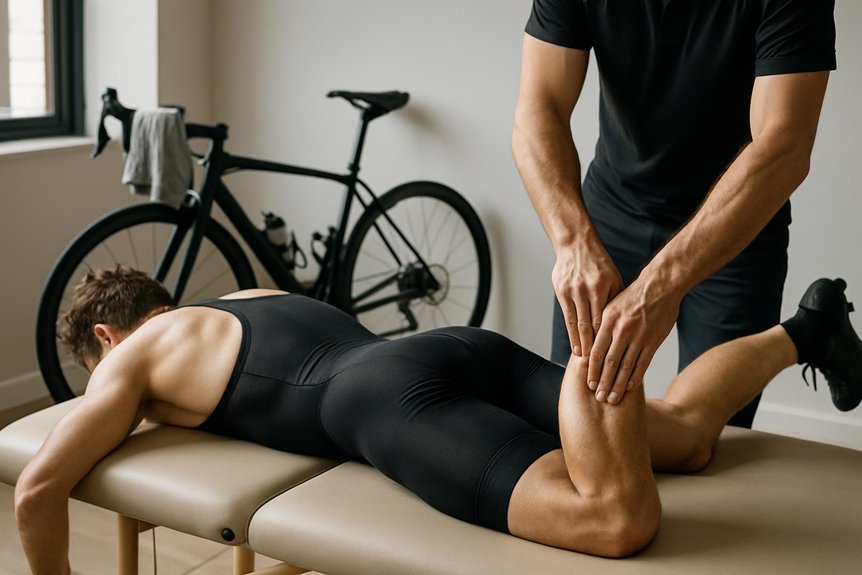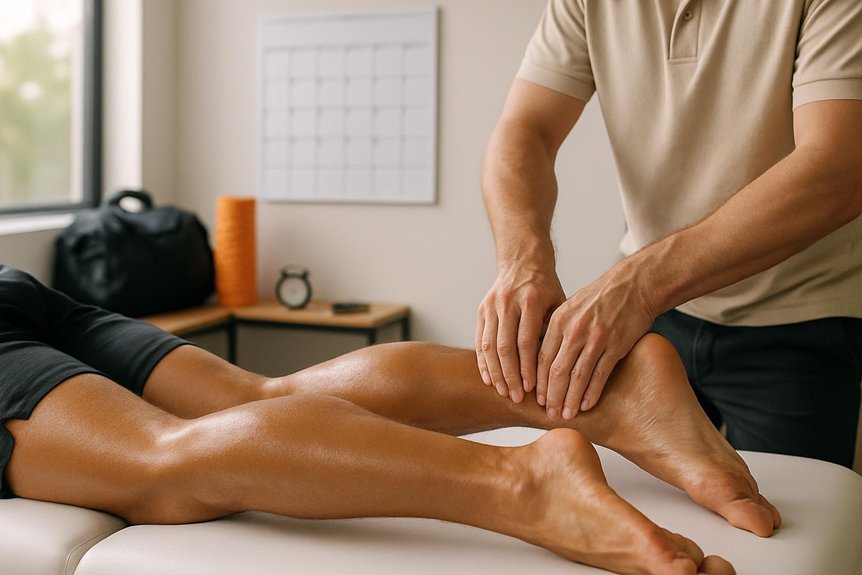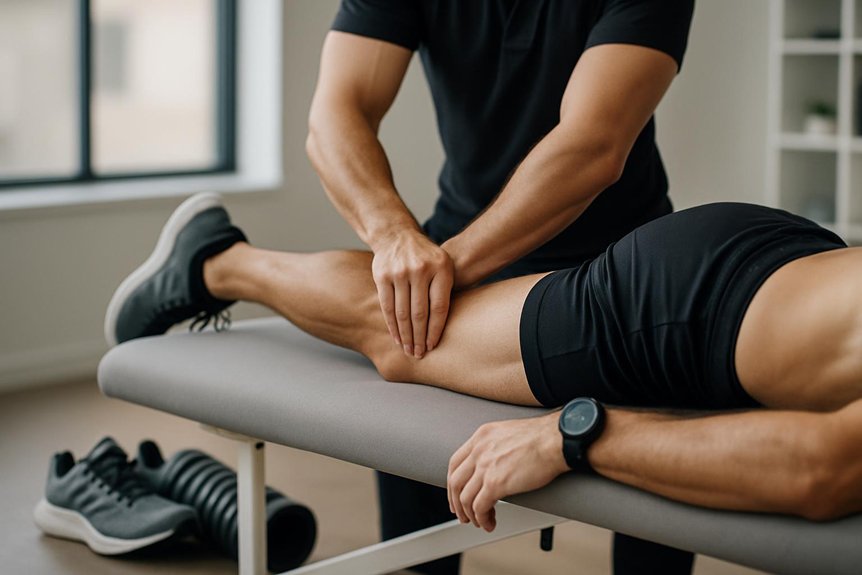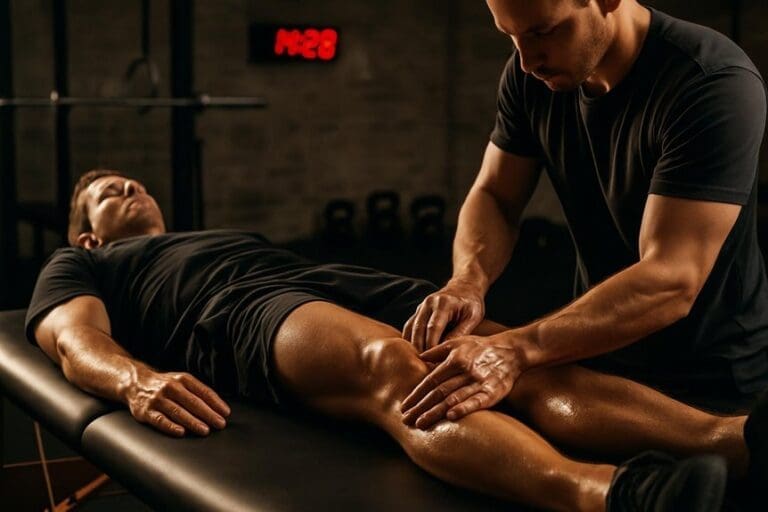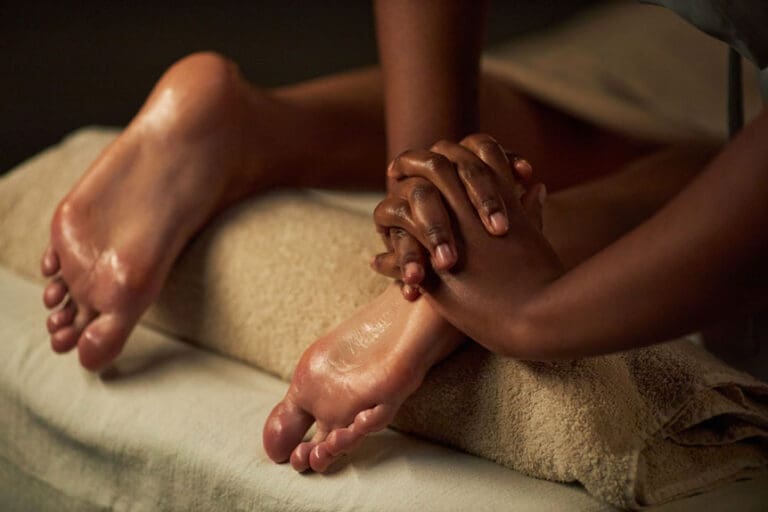
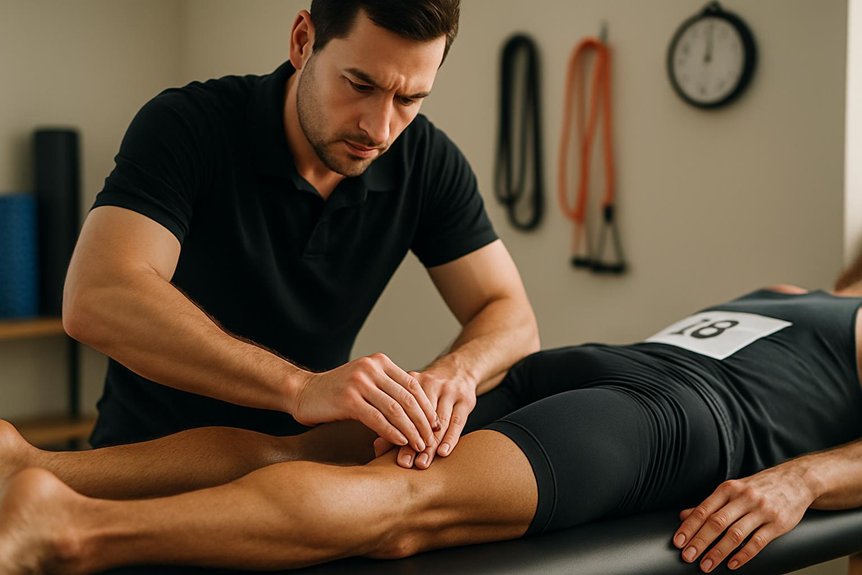
Pre-event athletic massage is a brief, performance-oriented treatment used before competition or heavy training to support readiness rather than rehabilitation. It typically uses brisk effleurage, rhythmic compression, and targeted mobilisations to raise local circulation, improve tissue glide, and prime coordination without causing post-treatment soreness. Pressure is moderate and adjusted moment by moment to keep tissues responsive and athletes calm yet alert. It suits healthy, well-trained athletes and is avoided with acute injury, swelling, fever, or neurological symptoms. Further detail clarifies timing, techniques, and aftercare.
What Is Pre-Event Athletic Massage (And How It Differs)?
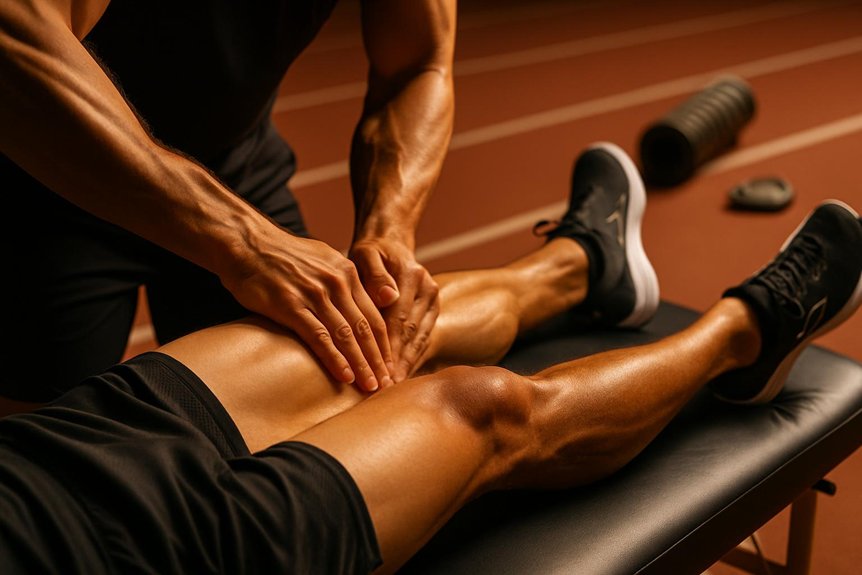
Before a race, match, or heavy training session, pre-event athletic massage is a brief, performance-oriented treatment designed to prepare muscles and the nervous system for immediate effort.
It typically uses faster tempo strokes, rhythmic compression, and targeted mobilisations to increase local blood flow, enhance tissue glide, and prime coordination without creating post-treatment soreness.
It differs from maintenance or deep tissue work in pressure, duration, and intent: the aim is readiness, not rehabilitation.
In Spa & Massage clinics, therapists keep communication close and discreet, checking sensation and arousal level so the body feels awake yet settled.
Sessions are usually short and focused on sport-specific areas, timed near start.
Many clients describe feeling both grounded and sharper, with warmth, spring, and confidence.
These effects align with the broader benefits of sports massage for athletes in supporting performance and preparation.
Who Should Get Pre-Event Athletic Massage (And Who Shouldn’t)
Pre-event athletic massage is best suited to athletes who reliably respond well to brief, targeted soft-tissue work aimed at maintaining readiness without creating post-treatment soreness.
It should be avoided or postponed when there is acute injury, suspected infection, unexplained swelling, fever, significant bruising, or a flare-up of pain, as these scenarios can increase risk and compromise performance.
At Spa & Massage clinics across London, therapists screen for medical considerations (such as anticoagulant use, clotting history, cardiovascular conditions, pregnancy, or recent surgery) and recommend appropriate medical clearance when needed before proceeding.
Ideal Candidates For Pre-Event
For athletes looking to arrive at the start line feeling supple, responsive, and mentally settled, a pre-event athletic massage is typically best suited to healthy, well-trained individuals who already tolerate athletic massage and are within a safe window before competition.
Ideal candidates include runners, cyclists, field-sport players, and gym-based athletes seeking a light, stimulating tune-up rather than deep recovery work. Evidence suggests short, targeted techniques can support perceived readiness, warmth, and confidence, especially when paired with an athlete’s usual warm-up.
Those who benefit most know their preferences—pressure, pace, and sensitive areas—and can give clear feedback. At Spa & Massage London clinics, therapists tailor brisk effleurage, compressions, and mobilisation around key muscle groups, keeping the work comfortable, connected, and performance-focused.
When To Avoid Massage
Even when an athlete appears to fit the ideal profile, a pre-event athletic massage is not always the right call, particularly when symptoms suggest inflammation, infection, or unstable tissue. It is best avoided with a fresh strain, acute swelling, sharp pain, heat, visible bruising, or a rapidly worsening issue, as brisk pre-event work can amplify irritation and reduce control.
Massage should also be skipped with fever, contagious illness, or skin rashes, to protect the client and others. If dizziness, unusual fatigue, numbness, or shooting nerve pain is present, hands-on work may blur important warning signals.
At Spa & Massage clinics, therapists prioritise consent, comfort, and performance: when red flags appear, they pause, adjust the plan, or recommend rest and gentle mobility instead.
Medical Considerations And Clearance
When does a pre-event athletic massage make sense from a medical standpoint? It suits healthy athletes seeking a light, targeted warm‑up when there is no acute injury, fever, infection, or unexplained pain. It may help those prone to pre‑race tightness, provided pressure is moderate and timed 24–48 hours pre‑start for first‑timers.
Clearance is advised for anyone pregnant, on anticoagulants, with uncontrolled hypertension, clotting history, recent surgery, fractures, nerve symptoms, skin lesions, or known cardiovascular disease. New swelling, sharp pain, or loss of function should be assessed before touch. At Spa & Massage clinics across London, therapists screen, adapt techniques, and may request GP or physio guidance. The goal is safe readiness, not “fixing” a problem on the table.
How Does Pre-Event Athletic Massage Improve Performance?
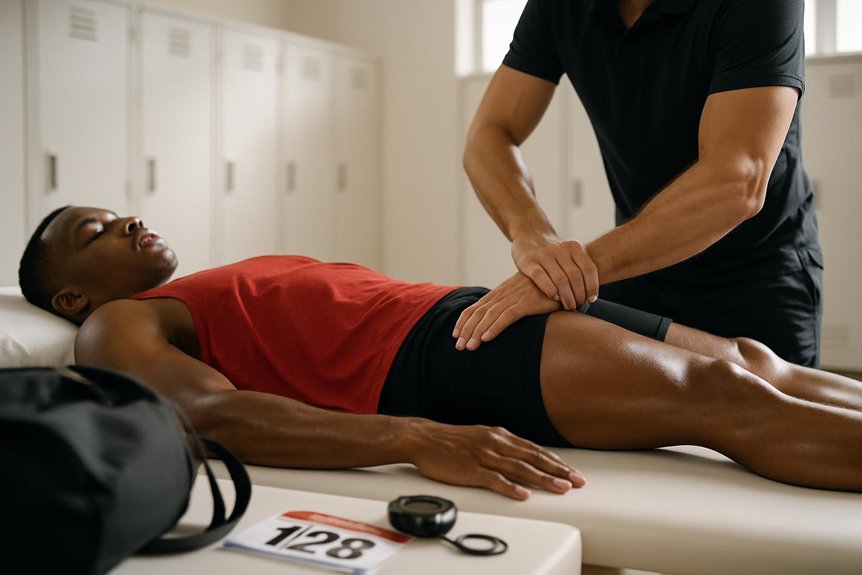
Many athletes use pre-event athletic massage to arrive at the start line feeling mobile, responsive, and mentally prepared. Evidence suggests short, targeted work can increase perceived readiness, reduce muscle stiffness, and support comfortable range of motion without creating post-treatment soreness. At Spa & Massage, therapists typically use brisk warming strokes, compression, and sport-specific mobilisations to encourage circulation, tissue glide, and neuromuscular “wake-up,” helping movement feel crisp and coordinated.
Performance gains are often indirect: fewer distracting tight spots, smoother stride mechanics, and a steadier breathing rhythm under pressure. The close, attentive setting also supports confidence—clients report feeling grounded, focused, and in tune with their bodies. Pressure and tempo are tailored to the day’s demands, prioritising freshness over deep release.
When to Book a Pre-Event Athletic Massage in London
For most athletes, the most effective window for a pre-event athletic massage is typically 24–72 hours before race day to support readiness without leaving residual soreness.
Timing should also reflect current training load and recovery status, with pressure and techniques adjusted to the individual—an approach Spa & Massage therapists use routinely across London clinics.
In a city where travel time and appointment availability can affect preparation, booking early helps secure the right slot in Crouch End, Bayswater, Chiswick, Earl’s Court, Belsize Park, or Richmond.
Ideal Timing Before Race
In the final days before a race, the timing of a pre-event athletic massage can meaningfully influence muscle readiness, perceived soreness, and overall performance.
For most runners, the ideal window is 24–72 hours pre-start, allowing tissues to settle while maintaining a light, responsive feel. Closer than 12–24 hours may suit experienced clients who know they tolerate brisk work, but pressure should remain moderate and purpose-led.
Five to seven days out can be preferable for first-time racers or those prone to post-massage tenderness, offering reassurance without lingering sensitivity.
At Spa & Massage clinics across London, therapists tailor tempo, depth, and focus areas—hips, calves, feet—to the client’s event, body signals, and comfort, supporting calm confidence on race morning.
Training Load And Recovery
Alongside taper planning, training load and recovery status should dictate when a pre-event athletic massage is booked, because tissue sensitivity and neuromuscular fatigue change markedly across the final training block.
After high-volume or heavy intensity sessions, firmer work can feel intrusive and may amplify soreness, so a lighter, circulation-led treatment is usually better within 24–48 hours.
When training load drops and sleep, appetite, and mood stabilise, slightly deeper sports techniques can be tolerated to ease residual tone and restore range without provoking inflammation.
At Spa & Massage, therapists screen for DOMS, joint irritability, and “heavy legs,” then adapt pressure, pace, and stretching so the body feels held, not challenged.
If recovery is poor, booking earlier allows calming work and time to settle.
London Logistics And Booking
Before race week calendars fill up, London logistics often determine whether a pre‑event athletic massage supports performance or adds avoidable stress. Evidence‑informed timing favours booking 48–72 hours before a key event for most runners and gym athletes, leaving time for any tenderness to settle while preserving mobility and confidence. For heavy training blocks, a lighter session 5–7 days out can refine tissue tone without disrupting taper.
Spa & Massage recommends reserving early for popular dates and choosing the closest clinic—Crouch End, Bayswater, Chiswick, Earl’s Court, Belsize Park, or Richmond—to minimise travel fatigue. Sessions should be kept brief, pressure moderated, and goals agreed in a quiet consult so the body feels cared for, not challenged.
What to Expect: Pressure, Techniques, and Timing
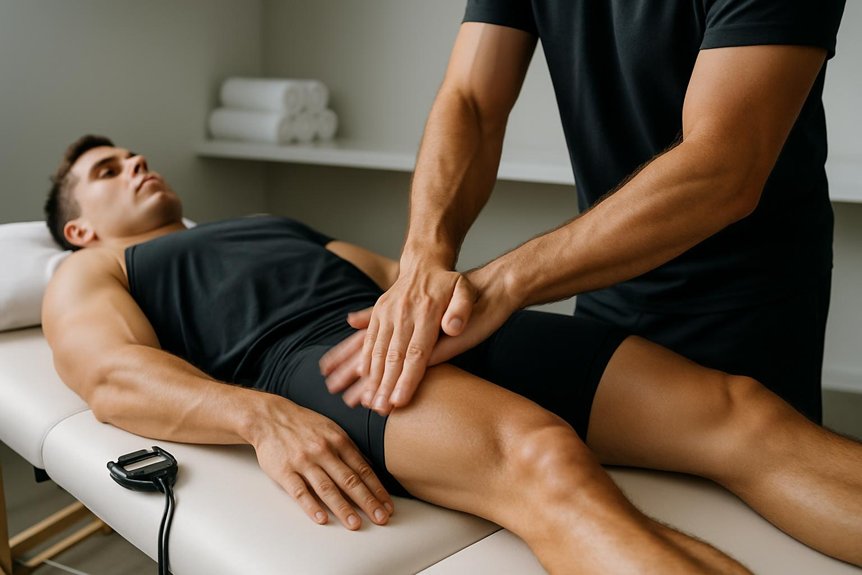
For most athletes, a pre-event athletic massage should feel purposeful rather than punishing: pressure is typically moderate and targeted to key muscle groups to increase readiness without leaving residual soreness. At Spa & Massage, therapists calibrate depth minute by minute, watching breath, skin tone, and tissue response to stay comfortably effective.
Techniques are brisk and performance-led: warming strokes to raise local circulation, compression and shaking to stimulate neuromuscular activation, and focused friction or trigger-point work only where it releases restriction without “post-treatment ache.” Stretching is brief and sport-specific rather than long, relaxing holds.
Timing matters. Many clients book 30–45 minutes, scheduled roughly 2–24 hours before start time; closer sessions are lighter and faster, while earlier sessions allow slightly deeper work. The aim is alert calm and supple power.
After Your Massage: Pre-Event Dos and Don’ts
After a pre-event athletic massage, the priority is to preserve the tissue warmth and neuromuscular “readiness” it creates, while avoiding choices that re-tighten muscles or introduce fatigue.
At Spa & Massage clinics, therapists advise clients to stay lightly dressed and mobile, take a gentle walk, and sip water to support circulation. A small carbohydrate-and-protein snack can steady energy without heaviness.
Warmth matters; avoid cold plunges, icy showers, or long static stretching, which may dampen force production. Keep training light: no max lifts, hard intervals, or new drills.
If any tenderness appears, it should be mild and short-lived; persistent pain, pins-and-needles, or swelling warrants reassessment. Clients are encouraged to arrive early, breathe slowly, and let the body stay calm and primed.
Conclusion
Pre-event athletic massage is often mistaken for “fixing” tightness with heavy pressure—ironically, the best preparation is rarely the hardest work. Delivered with brisk, sport-specific techniques, it aims to increase temperature, circulation, and movement readiness without provoking soreness that could blunt performance. For suitable athletes, timed close to competition, it can support confidence and efficient mechanics. In London clinics, the most effective sessions stay client-led, goal-driven, and deliberately restrained.